
Introduction to Toxic Hair Dye and Cancer: What you Need to Know
Welcome to this authoritative guide on toxic hair dye and cancer. Hair dye is a mainstream consumer product, used for self-expression, gray coverage, and professional styling. However, it is also a product category that repeatedly raises the same high-stakes question: can hair dye increase cancer risk?
As of 2026, the most accurate answer is disciplined and evidence-based: some hair dye ingredients are hazardous under certain conditions, but the real-world cancer risk for individual users depends on formulation, exposure patterns, and personal susceptibility. Research does not support blanket panic, yet it also does not justify complacency. The practical goal is not fear. The practical goal is risk reduction through informed product selection and consistent exposure controls.
This guide explains what “toxic” means in the context of hair dye, what the science says about cancer outcomes, which chemicals matter most, who may face higher risk, and how to choose safer options without sacrificing performance.

What “Toxic Hair Dye” Actually Means (and What It Does Not Mean)
The term toxic is often used loosely. In toxicology and public health, it is more precise to separate four related concepts:
- Hazard: whether a substance can cause harm in principle (for example, DNA damage in a lab model).
- Exposure: how much reaches your body, how often, and by which route (skin contact, inhalation, accidental ingestion).
- Dose and duration: the relationship between amount over time and biological effect.
- Risk: the probability of harm under real-world use.
A hair dye ingredient can be a hazard (for example, a potential mutagen under test conditions) while posing a low risk for a typical consumer if exposure is limited and regulated. Conversely, a product can be “clean” marketing-wise but still lead to higher exposure if used frequently or applied improperly.
It’s important to evaluate cancer concerns responsibly by focusing on ingredients, type of dye, frequency of use, occupational exposure (which could involve scenarios similar to exposure to toxic airplane fumes), and regulatory compliance rather than relying solely on marketing slogans.
Additionally, some hair dye products may contain ingredients that have been linked to serious health issues such as cancer. For instance, Dupixent, a medication often prescribed for eczema or asthma, has been associated with increased cancer risk in some patients according to recent claims. If you or someone you know has faced such health issues after using certain hair dye products or medications like Dupixent, it’s crucial to seek legal advice from experienced professionals who specialize in these types of cases.
If you had frequent exposure to hair dye products, and were diagnosed with cancer, contact Nashville Hair Dye Lawsuit Lawyer Timothy L. Miles yoday for a free case evaluation to see if you are eligible for a hair dye lawsuit and potentionally entitled to substantial compensation. . (855) 846-6529 or [email protected]
Hair Dye Types and Why They Matter for Exposure
Not all dyes are chemically comparable. Cancer-related discussions usually center on oxidative permanent dyes, because their chemistry relies on reactive intermediates.
Permanent (Oxidative) Dyes
- Use dye precursors (often aromatic amines) plus an oxidizer (commonly hydrogen peroxide).
- Produce long-lasting color through chemical reactions within the hair shaft.
- Tend to involve more reactive chemistry, stronger alkalizers, and more potential for scalp exposure.
Demi-Permanent Dyes
- Similar chemistry but often lower-strength developers.
- Less durable than permanent dyes.
- Typically lower intensity of oxidative conditions, though not “risk free.”
Semi-Permanent and Direct Dyes
- Deposit color molecules on or near the cuticle.
- Often do not require peroxide or strong alkalizers.
- Generally associated with fewer high-reactivity intermediates.
Temporary Color (Rinses, Sprays, Chalks)
- Minimal chemical reaction with the hair fiber.
- Exposure is usually lower and less frequent, though inhalation exposure can increase with sprays.
Bottom line: if you are optimizing for risk reduction, the highest-yield lever is often reducing reliance on frequent oxidative permanent dyeing, especially with full-scalp applications.

What the Research Says About Hair Dye and Cancer (2026 Snapshot)
Cancer research on hair dye is complex because it involves:
- many formulations over decades,
- changing regulations,
- varying personal use patterns,
- occupational exposure in salons,
- confounding factors (smoking history, other chemical exposures, genetics).
Instead of searching for a single “yes or no,” a more defensible approach is to separate consumer use from occupational exposure and to distinguish among cancer types.
For instance, some individuals have raised concerns about specific medications like Dupixent potentially being linked to cancer. If you or a loved one has experienced such issues after using Dupixent, it may be beneficial to consult with a Dupixent cancer lawyer who can provide guidance on your situation and help determine if you’re eligible for a Dupixent cancer lawsuit. It’s important to understand your rights and options in these circumstances.
If you had frequent exposure to hair dye products, and were diagnosed with cancer, contact Nashville Hair Dye Lawsuit Lawyer Timothy L. Miles yoday for a free case evaluation to see if you are eligible for a hair dye lawsuit and potentionally entitled to substantial compensation. . (855) 846-6529 or [email protected]
1) Bladder Cancer
Historically, bladder cancer concerns were tied to certain aromatic amines and related industrial exposures. Some older hair dye chemicals raised concern, and regulations have changed significantly over time.
What to know in 2026:
- The strongest historical signals have been more consistent for occupational exposure (for example, some groups of hairdressers and barbers) than for occasional consumer use.
- If you dyed your hair in the 1970s or 1980s with older formulations, your exposure profile may differ from modern products.
- In some instances, these exposures may lead to severe health issues such as bladder cancer, potentially resulting in legal action. If you find yourself in such a situation, it’s essential to understand the compensation available in a Dupixent cancer lawsuit.
2) Blood Cancers (Non-Hodgkin Lymphoma, Leukemia)
Some studies have reported associations in subgroups, while others have not. Findings can vary based on:
- frequency and duration of use,
- darker shades (which may require more reactive precursors),
- personal genetic differences in metabolizing aromatic amines.
What to know in 2026:
- Evidence is not uniform, but it is credible enough to justify precautionary exposure reduction, particularly for heavy long-term use and for occupational settings.
- If you or a loved one has developed blood cancer following prolonged exposure to harmful substances like those found in certain hair dyes, you might be eligible to qualify for a Dupixent cancer lawsuit.
3) Breast Cancer
Breast cancer is frequently discussed in relation to hair dye. Research results are mixed, and interpretation requires caution due to:
- self-reported product use,
- differences in formulation,
- correlated lifestyle variables.
What to know in 2026:
- No responsible summary claims that hair dye is a primary driver of breast cancer risk at the population level.
- However, if you are already in a higher-risk category, it is rational to reduce avoidable chemical exposures.
- Should you find yourself facing such challenges and suspect a link between your health condition and past hair dye use, it may be worthwhile exploring legal options such as filing a Dupixent cancer lawsuit, which could provide necessary compensation for your medical expenses and suffering.
4) Other Cancers
Studies have explored melanoma, ovarian cancer, and others with varying outcomes.
What to know in 2026:
- The overall pattern remains “inconclusive but not dismissible,” which supports a proactive risk-management mindset rather than fatalism.
Ingredients That Drive Most Safety Concerns
Modern hair dyes are regulated in many countries, and many older problematic chemicals have been restricted or banned. Still, several ingredient classes remain relevant because they influence irritation, sensitization, or theoretical carcinogenic potential under certain exposures.
If you had frequent exposure to hair dye products, and were diagnosed with cancer, contact Nashville Hair Dye Lawsuit Lawyer Timothy L. Miles yoday for a free case evaluation to see if you are eligible for a hair dye lawsuit and potentionally entitled to substantial compensation. . (855) 846-6529 or [email protected]
Aromatic Amine Dye Precursors (Examples: PPD and Related Compounds)
p-Phenylenediamine (PPD) and related dye intermediates are widely used in dark permanent dyes because they deliver durable color.
Key points:
- PPD is a well-known skin sensitizer and is strongly associated with allergic contact dermatitis.
- Sensitization is not the same as cancer, but chronic inflammation and repeated barrier disruption are not desirable exposure patterns.
- Some metabolites and related aromatic amines have been investigated for genotoxic potential in certain settings.
Practical implication: if you experience burning, itching, swelling, or rashes, treat that as a serious warning. Repeated sensitization events are an exposure problem even before you reach any cancer debate.
Resorcinol and Couplers
Used to create stable color shades in oxidative dyes.
Key points:
- Can be irritating for some users.
- Often cited in “clean beauty” discussions; hazard profiles depend on dose and use conditions.
- Resorcinol has also been studied for its potential health impacts, including skin irritation and other long-term effects.

Ammonia and Alternative Alkalizers (e.g., MEA)
Ammonia opens the cuticle and drives dye chemistry. Some products use monoethanolamine (MEA) as an alternative.
Key points:
- These substances are more associated with irritation and inhalation discomfort than cancer signals, such as those outlined in this toxicity profile.
- Poor ventilation increases inhalation exposure and discomfort.
Formaldehyde and Formaldehyde-Releasing Preservatives (More Common in Smoothing Treatments)
Hair dye discussions sometimes get confused with chemical straighteners or smoothing systems, where formaldehyde exposure can be a central concern.
Key points:
- If you are evaluating cancer risk, do not evaluate hair dye in isolation. A “total hair routine” can include smoothing, bleaching, toning, and aerosol products.
- Formaldehyde is a recognized inhalation hazard; exposure control and product selection matter.
“Metallic Salts” in Progressive Dyes
Some progressive dyes use metal salts that gradually darken hair.
Key points:
- Risks here often involve compatibility with other treatments and hair damage rather than cancer evidence.
- Still, ingredient transparency matters.
The Highest-Risk Scenario: Occupational Exposure
If you are a hairdresser, barber, or salon apprentice, your risk profile can differ substantially from a consumer’s. The primary drivers are:
- frequency (multiple clients daily),
- chemical mixture complexity (dyes, bleaches, perms, smoothing systems),
- inhalation from repeated mixing and rinsing,
- skin exposure from repeated glove failure or “quick” applications without gloves,
- cumulative exposure over years.
This is not a reason to leave the profession. It is a reason to elevate salon practices to the same standard you would expect in any chemical-handling workplace.
Who Should Be More Cautious (Risk Stratification That Actually Helps)
Not every person needs the same risk strategy. Extra caution is reasonable if you fall into one or more of these categories:
- Frequent dyers: permanent dye every few weeks for years, especially full-scalp applications.
- Dark shade users: darker oxidative shades often rely on higher loads of certain intermediates.
- People with scalp conditions: eczema, psoriasis, chronic dermatitis, or barrier disruption increases absorption potential and inflammation.
- Known fragrance or dye allergies: sensitization suggests higher likelihood of adverse reactions and repeated immune activation.
- Pregnant individuals: evidence does not indicate dramatic risk from occasional use, but many choose a precautionary approach, especially in the first trimester.
- Salon professionals: cumulative exposure is the central issue.
A forward-looking approach to health is not “avoid everything.” It is minimize high-frequency, high-intensity exposures that provide limited health benefit.
If you had frequent exposure to hair dye products, and were diagnosed with cancer, contact Nashville Hair Dye Lawsuit Lawyer Timothy L. Miles yoday for a free case evaluation to see if you are eligible for a hair dye lawsuit and potentionally entitled to substantial compensation. . (855) 846-6529 or [email protected]
How to Reduce Risk Without Giving Up Hair Color
Risk reduction works best when it is practical, repeatable, and consistent. The following controls are high impact and realistic.
1) Reduce Scalp Contact
Scalp exposure is the key pathway for absorption and irritation.
Actions:
- Prefer techniques that limit scalp saturation (highlights, balayage, foils).
- Leave a small gap from the scalp where possible.
- Apply barrier cream around the hairline, but do not treat it as a substitute for safer products.
2) Decrease Frequency and Increase Interval
If you dye every 3 weeks, moving to every 6 to 8 weeks can materially reduce lifetime exposure.
Actions:
- Use root touch-up strategies instead of full-head reapplication.
- Blend grays with partial techniques rather than complete coverage.
- Consider transition strategies (lowlights, gray blending, glosses).
If you had frequent exposure to hair dye products, and were diagnosed with cancer, contact Nashville Hair Dye Lawsuit Lawyer Timothy L. Miles yoday for a free case evaluation to see if you are eligible for a hair dye lawsuit and potentionally entitled to substantial compensation. . (855) 846-6529 or [email protected]
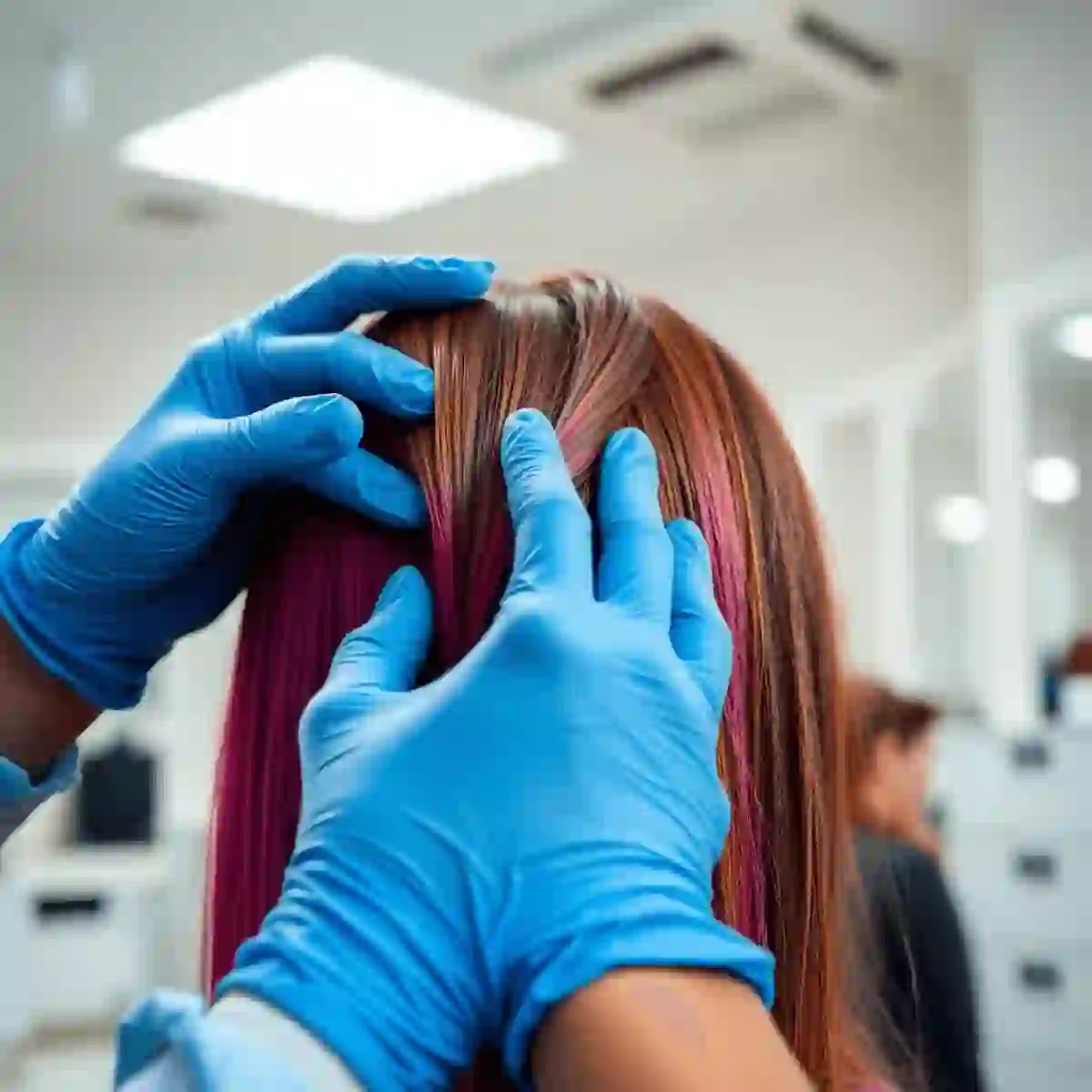
3) Choose Lower-Exposure Dye Categories
If permanence is not essential, step down the chemical intensity.
Actions:
- Use demi-permanent or semi-permanent color when feasible.
- Consider direct dyes for fashion shades.
- Use tinted conditioners or gloss treatments to extend time between oxidative sessions.
If you had frequent exposure to hair dye products, and were diagnosed with cancer, contact Nashville Hair Dye Lawsuit Lawyer Timothy L. Miles yoday for a free case evaluation to see if you are eligible for a hair dye lawsuit and potentionally entitled to substantial compensation. . (855) 846-6529 or [email protected]
4) Perform Proper Patch Testing and Treat Reactions as a Stop Signal
Patch tests do not eliminate all risk, but they can identify sensitization potential.
Actions:
- Follow the manufacturer’s instructions precisely.
- If you react, do not “push through it.” Seek medical advice and avoid repeat exposure.
5) Control Inhalation Exposure
Ventilation is a meaningful control, particularly for professionals and home dyers using strong products.
Actions:
- Mix and apply in a well-ventilated area.
- Avoid leaning directly over bowls while mixing powder lighteners or volatile products.
- In salon settings, improve local exhaust, general ventilation, and workflow separation.
6) Use Gloves, Correctly and Consistently
This is basic chemical hygiene and still frequently neglected.
Actions:
- Wear nitrile gloves (often more chemical-resistant than latex).
- Replace gloves between steps if contaminated or torn.
- For professionals, use gloves for shampooing out dyes and for cleaning color tools.
7) Do Not Use “Black Henna” Products
This is one of the clearest consumer safety red flags.
Key point:
- “Black henna” is often not pure henna and may contain high concentrations of PPD or related chemicals intended to create a darker, faster stain.
- Severe allergic reactions are well documented.
If you want botanical coloring, look for transparent labeling, reputable brands, and realistic performance expectations.
If you had frequent exposure to hair dye products, and were diagnosed with cancer, contact Nashville Hair Dye Lawsuit Lawyer Timothy L. Miles yoday for a free case evaluation to see if you are eligible for a hair dye lawsuit and potentionally entitled to substantial compensation. . (855) 846-6529 or [email protected]
How to Read Labels and Marketing Claims in 2026
Many products advertise “ammonia-free,” “PPD-free,” “natural,” or “non-toxic.” Some claims are helpful, some are incomplete.
A more disciplined approach:
“Ammonia-Free”
- May still use other alkalizers.
- Does not automatically mean “safer,” but can reduce odor and some irritation.
“PPD-Free”
- May substitute related intermediates (for example, PTD or other aromatic amines).
- Helpful for people specifically sensitized to PPD, but not a universal safety guarantee.
“Natural” or “Clean”
- Not a regulated safety standard.
- Botanical extracts can still cause irritation or allergy.
“Henna”
- Pure henna typically stains orange-red; jet-black results should trigger scrutiny.
Best practice: prioritize brands that provide full INCI lists, explain their dye chemistry, and publish safety documentation where applicable.
A Practical “Safer Dye” Decision Framework
If you want a clear decision process, use this sequence:
- Define the goal: gray blending, gray coverage, fashion shade, subtle warmth, or full transformation.
- Choose the lowest-intensity method that achieves the goal: temporary, semi, demi, then permanent.
- Minimize scalp exposure: technique matters as much as product.
- Reduce frequency: extend intervals and avoid unnecessary full-head processing.
- Control exposure: gloves, ventilation, and disciplined timing.
- Escalate only when necessary: treat permanent full-scalp dye as the highest-exposure option, not the default.
This approach is repetitive by design. Repetition drives consistency. Consistency drives risk reduction.
If you had frequent exposure to hair dye products, and were diagnosed with cancer, contact Nashville Hair Dye Lawsuit Lawyer Timothy L. Miles yoday for a free case evaluation to see if you are eligible for a hair dye lawsuit and potentionally entitled to substantial compensation. . (855) 846-6529 or [email protected]
Salon Governance: The Missing Piece in Most Safety Conversations
For professionals and salon owners, “safety” is not a personal preference. It is operational governance. Strong governance reduces risk, reduces liability, and protects staff retention.
A high-integrity salon program typically includes:
- Chemical inventory control: only approved products, tracked batches, and expiry monitoring.
- SDS access and training: staff should know where Safety Data Sheets are and how to interpret them.
- Standard operating procedures: mixing, application, cleaning, spill response, and waste disposal.
- PPE policy enforcement: gloves, eye protection when appropriate, and laundering protocols.
- Ventilation standards: documented maintenance and measurable airflow targets where possible.
- Incident reporting: dermatitis, respiratory symptoms, and chemical burns should be documented and investigated.
This is forward-thinking management. It is also a competitive advantage in a market where professionals increasingly select workplaces based on safety culture.
The 2026 Takeaway
Hair dye is not a single chemical, a single risk, or a single conclusion. It is a category of products with different formulations, different exposure pathways, and different user patterns.
The most credible stance in 2026 is proactive and practical:
- Do not ignore hazard information.
- Do not inflate uncertain data into certainty.
- Do reduce avoidable exposure, especially if you dye frequently or work professionally.
If you want one simple rule that captures the entire strategy, it is this: use the least reactive method that achieves your goal, and apply it with the strongest exposure controls you can sustain over time.
If you had frequent exposure to hair dye products, and were diagnosed with cancer, contact Nashville Hair Dye Lawsuit Lawyer Timothy L. Miles yoday for a free case evaluation to see if you are eligible for a hair dye lawsuit and potentionally entitled to substantial compensation. . (855) 846-6529 or [email protected]
Frequently Asked Questions about Toxic Hair Dye and Cancer
Can hair dye increase cancer risk?
Some hair dye ingredients can be hazardous under certain conditions, but the real-world cancer risk for individual users depends on factors like formulation, exposure patterns, and personal susceptibility. Research does not support blanket panic but emphasizes informed product selection and exposure control to reduce risk.
What does ‘toxic’ mean in the context of hair dye?
‘Toxic’ in hair dye refers to hazard (potential to cause harm), exposure (amount and route of contact), dose and duration (amount over time), and risk (probability of harm under typical use). A hazardous ingredient may pose low risk if exposure is limited and regulated.
Which types of hair dye pose higher cancer risks?
Oxidative permanent dyes, which use reactive intermediates like aromatic amines plus oxidizers such as hydrogen peroxide, tend to have higher potential for scalp exposure and associated risks. Demi-permanent dyes have lower intensity oxidative chemistry, while semi-permanent and temporary dyes generally involve fewer reactive chemicals and lower exposure.
How can I reduce my cancer risk when using hair dye?
Risk reduction involves choosing safer formulations, limiting frequent use of oxidative permanent dyes especially full-scalp applications, following consistent exposure controls, and staying informed about ingredient safety rather than relying on marketing claims.
What does current research say about hair dye and bladder cancer?
Historically, bladder cancer concerns were linked to certain aromatic amines found in older hair dye chemicals and industrial exposures. Regulations have changed significantly over time. As of 2026, strongest signals for bladder cancer risk are more consistent for occupational exposures rather than typical consumer use.
Are there legal options if I suspect health issues from hair dye or related medications?
Yes. For example, some medications like Dupixent prescribed for eczema or asthma have been associated with increased cancer risk in some patients. If you or someone you know has faced such health issues after using certain hair dye products or medications like Dupixent, it is important to seek legal advice from experienced professionals specializing in these cases.