
Introduction to the Silicosis Lawsuit Update: What Are Mass Torts?
Welcome to this most recent Silicosis Lawsuit Update on what are mass torts.
- Silicosis is not a new disease. It is a well understood, preventable occupational lung condition linked to inhalation of respirable crystalline silica.
- What is new is the scale and speed at which severe cases are appearing in certain industries, particularly those involving engineered stone fabrication and high dust tasks performed without effective controls.
- For many exposed workers and families, a lawsuit is not only about compensation.
- It is about accountability, medical monitoring, and forcing better corporate governance so that known hazards are not managed as an afterthought.
- Repetition matters here: known risk, known controls, known consequences.
If you were exposed to silica dust and subsequently diagnosed with silicosis, contact Silicosis Lawyer Timothy L. Miles today for a free case evaluation as you may qualify for a Silicosis Lawsuit and possibly be entitled to substantial compensation. (855) 846–6529 or [email protected].

Silicosis Lawsuit Update (April, 2026)
Key 2026 Silicosis Lawsuit Updates:
- Massive Verdicts & Settlements: A Los Angeles jury awarded $52.4 million in a 2024 case involving a worker needing a lung transplant. Another worker secured $26 million in settlements, while others reached confidential agreements with 29 manufacturers.
- Litigation Expansion:Silicosis lawsuits are expanding beyond Southern California, with new cases filed in Denver, CO, challenging the safety of engineered stone.
- Increased Safety Regulations: In late 2024, California’s Occupational Safety and Health Standards Board adopted stricter, permanent safety standards to regulate silica in the workplace, with Cal/OSHA issuing fines to multiple businesses.
- Manufacturer Liability:Silicosis lawsuits focus on whether manufacturers knew of the risks, failed to warn, and if employers failed to follow OSHA guidelines.
- Legal Action Needed: Affected individuals are seeking compensation for medical expenses, lost wages, and pain and suffering.
Silicosis Lawsuit Lawsuit Landscape
- Major Lawsuits & Verdicts: Following a $52.4M award against manufacturers like Cambria and Caesarstone, new Silicosis Lawsuits are escalating, targeting companies for negligence in informing workers about dangers.
- Targeted Industry: The Silicosis Lawsuits primarily targets the engineered stone countertop industry due to high silica content and dust production during cutting, polishing, and grinding where individuals were exposed to Silicosis dust.
- Legal Action: A Silicosis Lawsuit will often target third-party manufacturers, suppliers, and distributors, as employer lawsuits are typically limited to workers’ compensation claims.
- Key Issues: Claims allege negligence, failure to warn, design defects, and fraudulent concealment regarding the dangers of silica exposure.
- Scope of Damages: Lawsuits seek compensation for medical expenses, lost wages, pain and suffering, and loss of consortium.
- Targeted Compensation & Legal Support: Workers diagnosed with accelerated or chronic silicosis, or their families in wrongful death cases, are encouraged to seek legal counsel to explore filing a lawsuit, which is typically handled on a contingency fee basis.
What to Know About the Silicosis Lawsuit
- Compensation Claims: Workers diagnosed with silicosis may be eligible for damages covering medical expenses, lost wages, and pain and suffering.
- Individual Actions: These cases are generally pursued individually rather than through a single class action, focusing on specific work and medical history.
- Key Defendants: Lawsuits typically target manufacturers of engineered stone (quartz) countertops.
If you were exposed to silica dust and subsequently diagnosed with silicosis, contact Silicosis Lawyer Timothy L. Miles today for a free case evaluation as you may qualify for a Silicosis Lawsuit and possibly be entitled to substantial compensation. (855) 846–6529 or [email protected].
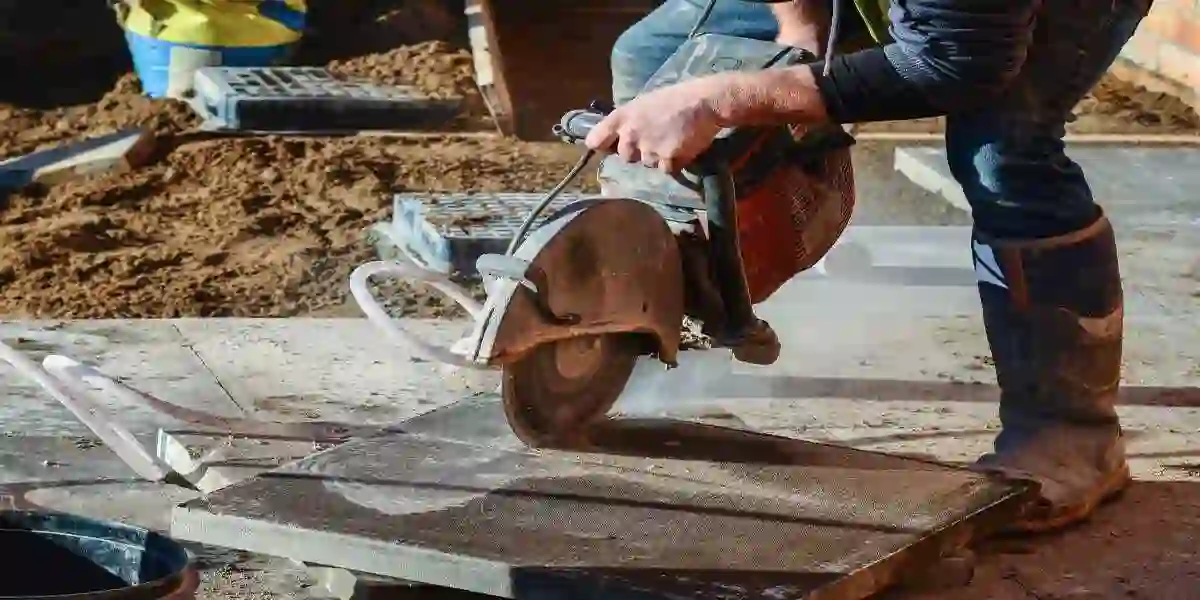
Key Details of the $52.4M Verdict
- Cause: The victim developed severe silicosis from being exposed to Silicosis dust while working with engineered stone.
- Verdict: The substantial award covers damages for the worker who required a lung transplant.
- Defendants Involved: The case involved accusations against several companies, including [Caesarstone USA Inc.], [Cambria USA Inc.], [Colorquartz USA Inc.], and [Cosentino Group].
- Context: This verdict highlights rising legal action surrounding occupational lung diseases, particularly as cases of accelerated silicosis increase among stone fabrication workers.
Eligibility for Lawsuits
- Worked in stone fabrication.
- Been exposed to high levels of silica dust from engineered stone.
- Been diagnosed with silicosis or a related lung condition.
Update on Compensation In a Silicosis Lawsuit
Silicosis lawsuit compensation typically covers medical expenses, lost wages, and pain and suffering, often ranging from tens of thousands to over $2 million for severe cases. High-stakes cases, such as those involving advanced, work-related silica dust exposure and lung transplants, can result in multimillion-dollar settlements or verdicts.
Components of Compensation
- Medical Expenses: Coverage for hospital stays, medication, oxygen therapy, and lung transplants.
- Lost Wages and Earning Capacity: Compensation for income lost, reduced future earning capacity, and forced early retirement.
- Pain and Suffering: Damages for physical pain, mental anguish, and diminished quality of life.
- Wrongful Death: Damages for families of individuals who died from complications.
- Punitive Damages: Extra compensation intended to punish defendants for reckless negligence.
Key Factors Influencing Payouts
- Severity of Disease: Advanced cases like Progressive Massive Fibrosis (PMF) yield higher compensation ($500,000–$2,000,000+) compared to earlier stages ($50,000–$150,000).
- Liability Evidence: Clear evidence of employer/manufacturer negligence, such as failure to provide proper safety equipment, increases case value.
- Case Examples:As noted above, a California worker received a $52.4 million jury award, and another reached a $26 million settlement.
If you were exposed to silica dust and subsequently diagnosed with silicosis, contact Silicosis Lawyer Timothy L. Miles today for a free case evaluation as you may qualify for a Silicosis Lawsuit and possibly be entitled to substantial compensation. (855) 846–6529 or [email protected].
Common Sources of Compensation
- Personal Injury Lawsuits: Against product manufacturers or negligent third parties.
- Workers’ Compensation: Benefits from employers.
- Asbestos/Silica Trust Funds: For companies that filed for bankruptcy
Common Causes of Silicosis
Silicosis occurs when workers inhale tiny, respirable particles of crystalline silica. The most common causes include:
- Engineered Stone Fabrication: Cutting, grinding, and polishing engineered stone, which contains high levels of silica, can release dangerous amounts of silica dust.
- Construction and Demolition: Tasks such as drilling, cutting, and grinding can release silica dust.
- Mining and Quarrying: Miners are exposed to silica in rock dust.
- Manufacturing and Sandblasting: Workers may inhale silica in processes using materials like sand, ceramics, and glass.
Without proper safety measures, workers are at high risk of exposure.
Symptoms of Silicosis
The symptoms of silicosis often begin gradually and worsen over time. They include:
- Persistent cough
- Shortness of breath
- Fatigue
- Chest pain
In severe cases, silicosis can lead to respiratory failure and increase the risk of other conditions, such as tuberculosis and lung cancer.
Who Is Eligible To File a Silicosis Lawsuit
Victims who have been diagnosed with silicosis after prolonged exposure to silica dust in their workplace may be eligible to file a lawsuit. This includes workers in industries such as construction, mining, stone fabrication, and sandblasting, where silica exposure is prevalent.
What Are Mass Torts?
- Mass torts: refers to legal actions that involves a large number of plaintiffs who have suffered similar injuries or damages as a result of the actions or negligence of a single defendant or group of defendants. Unlike a class action lawsuit, where a large group of people are represented by one or a few individuals, mass tort cases treat each plaintiff as an individual case.
- Your Own Separate Case: This means that each plaintiff has their own separate claim, but the cases are consolidated for purposes of efficiency and convenience. Mass torts are often filed against pharmaceutical companies, manufacturers of defective products such as in the Takata Airbag Recall, or entities responsible for environmental disasters.
- Each mass tort situation can vary significantly based on circumstances and the defendants involved. Furthermore, in instances where numerous individuals are harmed, a mass tort can provide a more effective path to seek justice compared to individual lawsuits.
If you were exposed to silica dust and subsequently diagnosed with silicosis, contact Silicosis Lawyer Timothy L. Miles today for a free case evaluation as you may qualify for a Silicosis Lawsuit and possibly be entitled to substantial compensation. (855) 846–6529 or [email protected].

How Mass Torts Work
- Common Issues: Plaintiffs’ lawyers consolidate cases (often in Multidistrict Litigation – MDL) to prove common facts (e.g., the product is dangerous).
- Advantage: Main advantage is that it provides strength in numbers. Because claims are consolidated into one lawsuit for pretrial discovery in mass torts, the plaintiff may have more success when facing a large and well-funded defendant like a drug manufacturer or a chemical company. Additionally, mass torts saves plaintiffs time and money in litigation due to the fact they are usually consolidated for pretrial discovery and proceeding by the Judicial Panel on Multidistrict Litigation.
- Discovery & Bellwethers: Evidence is gathered, and a few “bellwether” trials occur to test claims and gauge potential jury awards.
- Bellwether Trials: Are test cases that are chosen out of the thousands of claims in a mass tort action to go to trial. The outcome of the bellwether trials gives the parties an idea of what will happen if an individual claim goes to trial, the strength and weaknesses of their evidence, and can expedite settlement negotiations.
- Settlement Matrix: A formula is created, factoring in injury severity, medical bills, lost wages, and other damages.
- Individual Claims: Each claimant submits a Plaintiff Fact Sheet, plugged into the matrix for a personalized offer.
- Negotiation & Payout: Defendants often offer large global settlements after bellwether losses, leading to payouts that can take years.
Key Characteristics
- Not Equal: Payouts differ significantly based on individual harm, from thousands to millions.
- Long Timelines: Can take years to resolve due to complexity and volume of claims.
- Varying Payouts: Settlements are substantial, like billions for opioids or PFAS, but individual amounts depend on case specifics.
Examples of Mass Tort Cases
Mass torts arise from varying factual background but cause by a single source causes that cause injury to many individuals. Frequent categories involve:
- Dangerous Drugs: Usually arising in cases where a drug has sever side effects, which were know by the manufacturer, but not disclosed to healthcare providers or patients- a failure to warn.
- Defective Medical Devices: Such as him implants or surgical tools that fail, pacemakers can be defective and causing injury to a large number of individuals and often lead to mass torts. These cases focus on holding companies accountable for products that were not adequately tested or whose risks were concealed. When such defective products malfunction or fail and cause harm, they often affect thousands of individuals across the country.
- Toxic Environmental Exposure: Exposure to toxic substances, chemicals, pollutants and other harmful substances can cause severe injuries and significant health issues to a large group of individuals and can lead to cancers, respiratory diseases after length of exposure.
- Natural Disasters: These mass torts claims involves natural disasters such as hurricanes, earthquakes, avalanches or tornadoes that cause substantial injury to individuals as well as property damages. While no corporate entity is directly responsible for the disaster, insurance companies who fail to pay out claims following natural disasters can be held accountable through a mass tort lawsuit. This is a frequent occurrence in the case of hurricanes.
- Large-Scale Catastrophes: Unlike natural disasters, these disasters are man-made such as file or explosion at a work plant causing injuries to numerous individuals. While they may suffer varying injuries, the injuries are al cased by the same entity. In such cases, individuals can form a mass tort for compensation for their individual claim.
Examples of Cases:
What Is the Difference Between a Mass Tort and a Class Action?
- Distinguishing Factor: The primary distinguishing factor between a mass tort and a class action lawsuit is how the plaintiffs are treated under the law. While both mass torts and class actions involve a group of plaintiffs filing over a common injury, plaintiffs in a mass tort lawsuit are viewed differently than in a class action suit.
- Collective Action: The plaintiffs in a class action lawsuit are considered be “class members” and are treated as one collective plaintiff. A class representative, known as the lead plaintiff, is chosen, subject to court approval, and sues the defendant on behalf of the entire class.
- Individual Cases: On the other hand, each plaintiff in a mass tort lawsuit is treated as an individual with their own individual lawsuit. Although plaintiffs in a mass tort are part of a group, they must individually establish how they were harmed by the defendant’s actions. And while mass torts may be consolidated for pretrial discovery purposes, they retain the individual character of their claim, and it the case does not settle, after coordination, they are remanded (sent back) to the court they were originally filed in for trial.
Important Mass Torts in History
Vioxx
A large settlement and the potential to save thousands of lives came from the Vioxx mass tort. Vioxx is a pain drug that causes strokes and heart attacks in users with an estimated result of approximately 38,000 deaths.
Silicone breast implants
Silicone breast implant mass torts started in 1984. The allegations were the implants led to autoimmune diseases and cancer and other serious health issues. These claims put the silicone breast implant industry out of business and in the process protected countless women from needless pain and suffering.
Transvaginal mesh
- Transvaginal mesh was a product used in surgeries to repair pelvic organ prolapse that caused severe internal injuries. The result of is over 60,000 claims with damages adding up to billions of dollars. It is one of the largest mass torts in history.
- These are just three examples demonstrating how mass torts can bring about positive change and prevent others individuals from needlessly suffering injuries from defective devices and dangerous drugs.
Last Word
- In conclusion, a mass tort is a legal action that involves a large number of plaintiffs who have suffered similar injuries or damages as a result of the actions or negligence of one or more defendants.
- These cases are consolidated for efficiency and convenience, allowing for streamlined management and potentially more consistent outcomes.
- Mass torts often arise in cases involving pharmaceutical companies, manufacturers of defective products, or entities responsible for environmental disasters.
- The consolidation of cases can be achieved through approaches such as multidistrict litigation or coordination of state court actions.
If you were exposed to silica dust and subsequently diagnosed with silicosis, contact Silicosis Lawyer Timothy L. Miles today for a free case evaluation as you may qualify for a Silicosis Lawsuit and possibly be entitled to substantial compensation. (855) 846–6529 or [email protected].
Frequently Asked Questions about a Silicosis Lawsuit
1. What is silicosis and what are its common causes?
Silicosis is a serious lung disease caused by inhaling fine particles of crystalline silica, commonly found in construction, mining, sandblasting, and manufacturing industries. The primary causes include prolonged exposure to silica dust in workplaces that do not follow proper safety regulations.
2. What are the symptoms of silicosis?
Common symptoms of silicosis include persistent cough, shortness of breath, chest pain, fatigue, and sometimes bluish skin. In severe cases, it can lead to respiratory failure or increase the risk of other lung infections.
3. Who is eligible to file a silicosis lawsuit?
You may be eligible to file a silicosis lawsuit if you have been diagnosed with silicosis due to workplace exposure and can demonstrate that your employer failed to provide adequate protection against silica dust. Family members may also qualify in wrongful death cases.
4. How do I qualify for a silicosis lawsuit?
To qualify for a silicosis lawsuit, you typically need medical proof of your diagnosis, documentation of your exposure history (such as employment records), and evidence that negligence or unsafe conditions contributed to your illness. Consulting a specialized silicosis lawyer can help assess your case.
5. What compensation is available in a silicosis lawsuit?
Compensation in a silicosis lawsuit may cover medical expenses, lost wages, pain and suffering, disability, and sometimes punitive damages if gross negligence is proven. Each case varies based on individual circumstances and the extent of harm suffered.
Call Silicosis Lawyer Timothy L. Miles for a Free Case Evaluation
If you were exposed to silica dust and subsequently diagnosed with silicosis, contact Silicosis Lawyer Timothy L. Miles today for a free case evaluation as you may qualify for a Silicosis Lawsuit and possibly be entitled to substantial compensation. (855) 846–6529 or [email protected].
Timothy L. Miles, Esq.
Law Offices of Timothy L. Miles
Tapestry at Brentwood Town Center
300 Centerview Dr. #247
Mailbox #1091
Brentwood,TN 37027
Phone: (855) Tim-MLaw (855-846-6529)
Email: [email protected]
Website: www.classactionlawyertn.com