
Introducton to Mounjaro Eye Stroke: Causes, Symptoms & Treatment
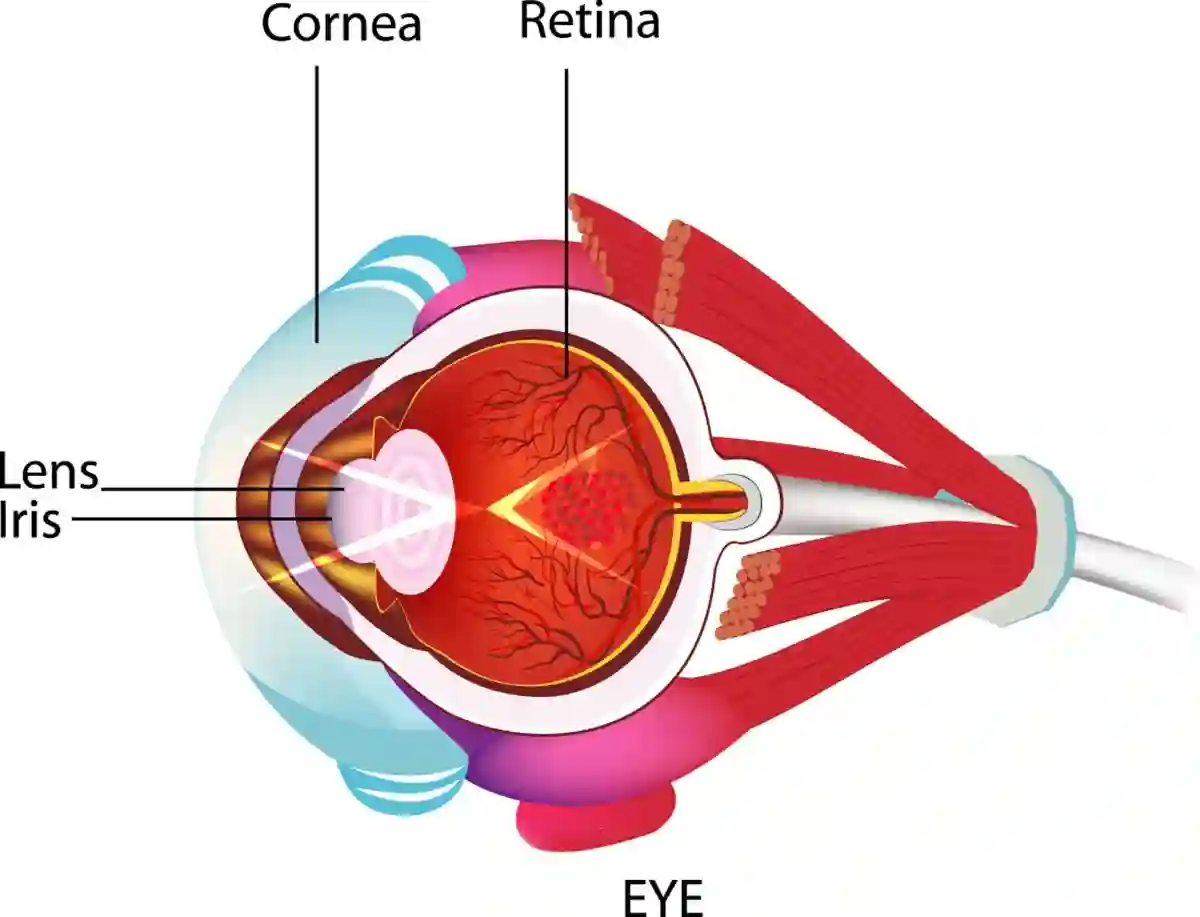
Welcome to this authoritative explication on a Mounjaro Eye Stroke. The term “Mounjaro eye stroke” has become more prevalent online, usually referring to sudden vision loss or a retinal vascular event (most commonly a retinal artery occlusion or retinal vein occlusion) that occurs in individuals taking Mounjaro (tirzepatide). While the phrase “eye stroke” is not a formal medical diagnosis, it generally indicates a retinal blood flow blockage that risks permanent damage to the retina, the light-sensitive tissue located at the back of the eye.
This article aims to clarify what an eye stroke entails, the current understanding of its potential connection with tirzepatide, symptoms that necessitate emergency medical attention, diagnostic and treatment procedures for eye strokes, and what proactive risk reduction might look like in 2026.
If you were prescribed Mounjaro and took it as directed and suffered Mounjaro eye problems, including Mounjaro and Vision Loss, contact Timothy L. Miles a Mounjaro Vision Loss Lawyer today. You could be eligible for a Mounjaro vision loss lawsuit and potentially entitled to substantial compensation.
What Is an “Eye Stroke”?
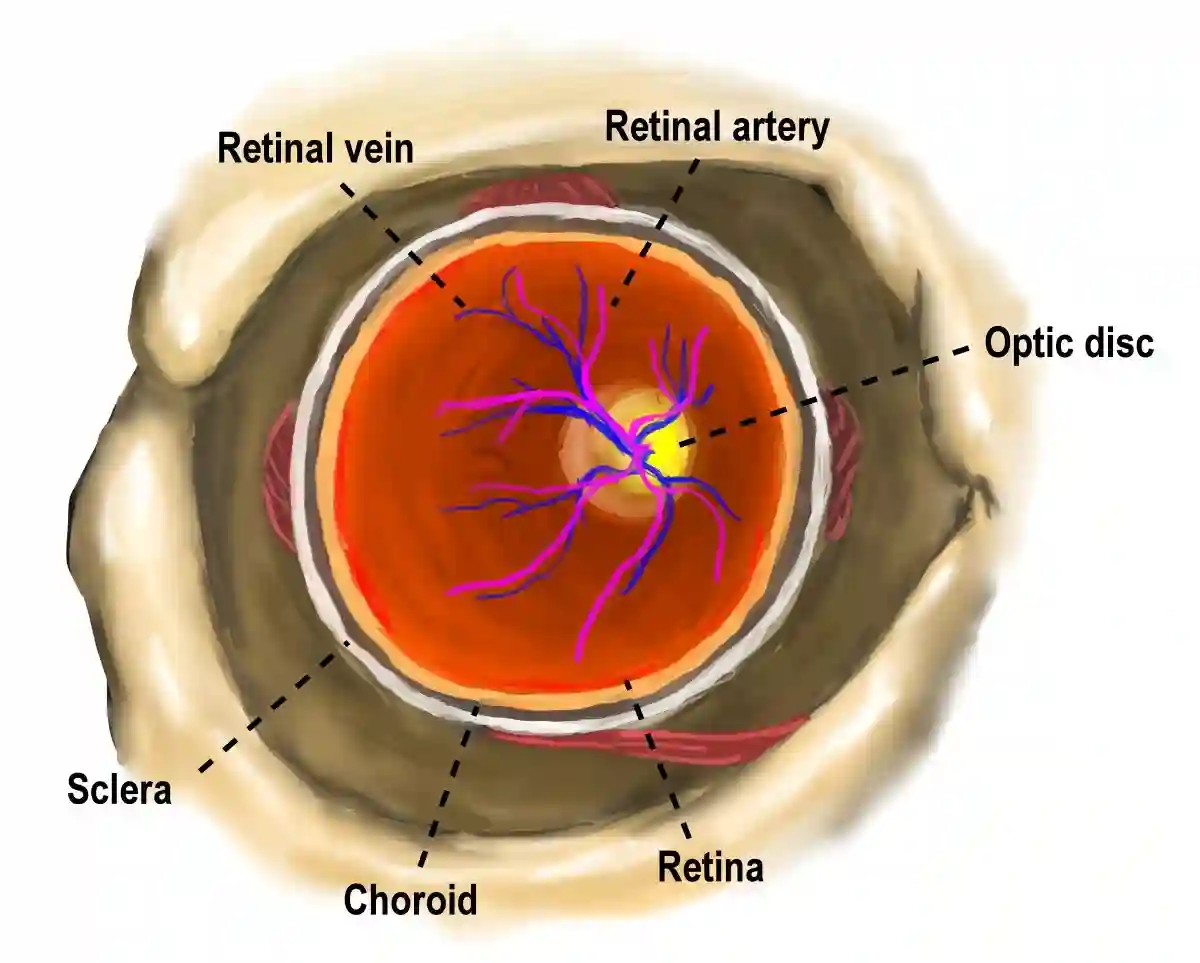
An “eye stroke” typically refers to one of these retinal vascular occlusions:
Central Retinal Artery Occlusion (CRAO)
This condition arises from a blockage in the main artery supplying the retina. CRAO results in sudden, profound, painless vision loss and is treated as a stroke equivalent due to its similarity in causative embolic mechanisms with cerebral strokes.
Branch Retinal Artery Occlusion (BRAO)
BRAO is characterized by a blockage in a smaller branch artery. The symptoms can be less severe compared to CRAO, often resulting in a partial visual field defect.
It’s important to note that there have been reported instances of Mounjaro causing eye-related side effects, including these types of retinal vascular events. For those experiencing Mounjaro-related eye problems, it is crucial to consult with healthcare professionals immediately.
Central Retinal Vein Occlusion (CRVO)
A blockage of the main retinal vein that drains blood from the retina. CRVO may cause blurred vision ranging from mild to severe. It can be associated with retinal hemorrhages and macular edema.
Branch Retinal Vein Occlusion (BRVO)
A blockage in a smaller retinal vein. This often causes localized bleeding and swelling and can present with sectoral vision changes.
These events share a common theme: blood flow disruption to or from the retina. The resulting retinal ischemia (lack of oxygen) can rapidly damage tissue, which is why early recognition and urgent evaluation are essential.
What Is Mounjaro (Tirzepatide), and Why Is It Mentioned With Vision Events?
Tirzepatide is a once weekly injectable medication that activates GIP (glucose dependent insulinotropic polypeptide) and GLP-1 (glucagon-like peptide-1) receptors. It is used for glycemic control in type 2 diabetes and, in many jurisdictions and clinical pathways, for weight management based on indications and approvals.
Mounjaro is often discussed in the context of eye health for two reasons:
- Diabetes itself is a major risk factor for retinal disease, including diabetic retinopathy and vascular occlusions. In fact, there have been reports linking Mounjaro with diabetic retinopathy, a condition that can severely affect vision.
- Rapid improvements in blood glucose, blood pressure, or body weight can be accompanied by physiologic shifts that may coincide with changes in retinal status in susceptible individuals. Such changes could potentially lead to vision damage for some users.
Importantly, a temporal association (an event occurring while on a medication) is not the same as causation. Many people who use tirzepatide have baseline risk factors, including diabetes, hypertension, dyslipidemia, obesity, sleep apnea, and pro-thrombotic conditions, which independently increase the risk of retinal vascular events.
If you were prescribed Mounjaro and took it as directed and suffered Mounjaro eye problems, including Mounjaro and Vision Loss, contact Timothy L. Miles a Mounjaro Vision Loss Lawyer today. You could be eligible for a Mounjaro vision loss lawsuit and potentially entitled to substantial compensation.
Is “Mounjaro Eye Stroke” Real as a Distinct Medical Condition?
No. There is no recognized medical diagnosis called “Mounjaro eye stroke.” The clinically relevant question is narrower and more rigorous:
Does tirzepatide increase the risk of retinal artery or vein occlusions?
As of 2026, public medical discussions often reflect concern, but the evidence many patients see online is typically based on:
- anecdotal reports,
- confounding factors (especially diabetes and cardiovascular risk),
- mislabeling of other conditions as “eye stroke.”
A credible assessment requires:
- confirmed diagnosis (CRAO, BRAO, CRVO, BRVO),
- verification of timing and dose,
- exclusion of alternative causes (embolus, carotid disease, atrial fibrillation, clotting disorders),
- population-level incidence comparisons.
If you are taking Mounjaro and experience sudden vision changes, the correct approach is not to self-diagnose causality. The correct approach is to treat it as an emergency and ensure your clinicians evaluate both retinal and systemic vascular risk.
However, there have been lawsuits related to Mounjaro that suggest potential serious side effects like blindness, which could be linked to its use. It’s crucial to stay informed about these developments as they may provide insight into the medication’s safety profile.
Causes of Eye Stroke (Retinal Vascular Occlusion)
Eye strokes generally arise from one or more of the following mechanisms:
1) Embolism (Most relevant for CRAO/BRAO)
A clot or plaque fragment travels to the retinal artery, commonly originating from:
- carotid artery atherosclerosis,
- cardiac sources (atrial fibrillation, valvular disease),
- less commonly, hypercoagulable states.
2) Thrombosis and venous compression (Common in CRVO/BRVO)
Vein occlusions are strongly associated with:
- hypertension,
- diabetes,
- hyperlipidemia,
- smoking,
- glaucoma and elevated intraocular pressure (in some patients),
- clotting disorders (especially in younger patients or bilateral cases).
It’s important to note that the use of Mounjaro has been associated with NAION in some cases, a condition that can lead to serious vision problems. If you suspect any issues related to this medication, it’s essential to seek professional medical advice immediately.
3) Giant Cell Arteritis (GCA)
In patients older than 50, retinal ischemia can be due to inflammatory arteritis. This is time-critical because untreated GCA can cause irreversible vision loss in one or both eyes.
4) Hypercoagulable States
Including inherited thrombophilias, antiphospholipid syndrome, malignancy-related coagulopathy, and some hormone-related risks.
5) Medication and Physiologic Context
Most medications are not direct causes of CRAO/CRVO. However, the patient’s overall physiologic state matters:
- dehydration,
- severe hypotension,
- marked blood viscosity changes,
- acute illness.
If a retinal occlusion occurs while on tirzepatide or medications like Mounjaro, clinicians generally evaluate the same underlying causes because those are the common drivers and they are actionable. It’s worth noting that recent reports have linked Mounjaro to vision loss, prompting legal action from affected patients. If you or someone you know has experienced such side effects, it may be beneficial to consult with a Mounjaro vision loss lawyer.
Symptoms: When to Treat This as an Emergency
Eye stroke symptoms are often sudden and painless. Any of the following warrants urgent emergency assessment:
- Sudden loss of vision in one eye (partial or complete)
- Curtain-like shadow across the visual field
- Sudden blurring that does not improve quickly
- New blind spot (scotoma) or missing area of vision
- Distorted central vision (especially with macular involvement)
- New floaters with haze or decreased vision (can occur with vein occlusion and hemorrhage)
- Eye pain with vision loss is less typical for classic retinal occlusions but still requires urgent evaluation
Red flags for giant cell arteritis (especially age 50+)
- new headache (temporal headache)
- scalp tenderness
- jaw claudication (pain with chewing)
- unexplained fever, weight loss
- muscle aches (polymyalgia rheumatica symptoms)
If these coexist with visual symptoms, this is a medical emergency requiring immediate evaluation and often immediate steroid treatment while confirmatory testing is underway.
What to Do Immediately If You Suspect an Eye Stroke While on Mounjaro
- Do not wait to “see if it improves.” Retina ischemia is time-sensitive.
- Go to the emergency department or an urgent eye emergency service.
- If possible, specify: “sudden painless vision loss, concern for retinal artery/vein occlusion.”
- Do not stop or restart Mounjaro on your own. Medication decisions should be made with your prescribing clinician after urgent evaluation. The priority is diagnosis and stroke-equivalent workup when indicated.
If you were prescribed Mounjaro and took it as directed and suffered Mounjaro eye problems, including Mounjaro and Vision Loss, contact Timothy L. Miles a Mounjaro Vision Loss Lawyer today. You could be eligible for a Mounjaro vision loss lawsuit and potentially entitled to substantial compensation.
Diagnosis: How Clinicians Confirm an Eye Stroke
A proper diagnosis typically includes:
Ophthalmic evaluation
- Visual acuity testing and visual field assessment
- Pupillary exam (a relative afferent pupillary defect may be present in CRAO)
- Dilated fundus examination (retinal pallor, cherry-red spot in CRAO, hemorrhages in CRVO)
- Optical Coherence Tomography (OCT) to assess retinal swelling and macular edema
- Fluorescein angiography or OCT angiography in selected cases to map perfusion
Systemic “stroke-equivalent” evaluation (particularly for CRAO/BRAO)
Because retinal arterial occlusion can reflect systemic embolic risk, clinicians often pursue:
- carotid imaging (ultrasound, CTA, or MRA)
- cardiac evaluation (ECG, echocardiogram, rhythm monitoring for atrial fibrillation)
- blood pressure assessment
- lipid panel and diabetes assessment
- inflammatory markers (ESR/CRP) if GCA is possible
This is where proactive, structured care matters. You want alignment between ophthalmology, primary care, and cardiology or neurology so that the ocular event triggers appropriate systemic prevention.
Treatment: What Can Be Done for an Eye Stroke?
Treatment depends on the type of occlusion and the timing.
1) Retinal Artery Occlusion (CRAO/BRAO)
CRAO is an emergency. However, evidence for many historic maneuvers is limited, and outcomes can be poor if perfusion is not restored rapidly. Management commonly includes:
- Immediate emergency assessment and coordination with stroke services when appropriate.
- Addressing embolic sources and initiating secondary prevention (antiplatelet therapy, statin therapy, anticoagulation if atrial fibrillation is identified), under clinician supervision.
- In some centers and selected circumstances, thrombolysis may be considered, but protocols vary by region and eligibility criteria are strict. Timing is critical, and risks must be weighed.
The most consistent benefit often comes from systemic stroke-risk evaluation and prevention, because CRAO can be a warning sign for future cerebral stroke.
2) Retinal Vein Occlusion (CRVO/BRVO)
Treatment is typically aimed at complications that threaten vision, especially macular edema and retinal neovascularization:
- Anti-VEGF intravitreal injections (commonly first-line for macular edema)
- Steroid injections or implants in selected cases (with monitoring for cataract and intraocular pressure rise)
- Laser photocoagulation in specific patterns, especially for neovascularization or ischemic complications
- Control of systemic risk factors: blood pressure, glucose, lipid levels, sleep apnea, smoking cessation
The prognosis for vein occlusion varies widely. Some patients recover meaningful vision, particularly when macular edema is treated promptly and systemic risks are managed consistently. It’s worth noting that macular edema can also be a side effect of certain medications like Mounjaro.
3) Giant Cell Arteritis–Related Ischemia
If suspected, clinicians often begin high-dose corticosteroids immediately, because the goal is to prevent vision loss in the other eye and reduce systemic complications. Confirmation then proceeds with blood tests and often temporal artery ultrasound or biopsy depending on local pathways.
Causes vs. Coincidence: How to Think About Tirzepatide and Eye Stroke Risk
If you are looking for a rigorous framework, use this triad:
Baseline risk
Most retinal occlusions are driven by vascular risk factors, including:
- diabetes duration and control
- hypertension
- dyslipidemia
- smoking
- kidney disease
- atrial fibrillation
- carotid disease
- clotting disorders
Triggering context
Events sometimes cluster around:
- dehydration and acute illness
- recent surgery or immobility
- uncontrolled blood pressure spikes
- abrupt metabolic shifts
Medication timeline
A medication can be:
- causative (rare and mechanistically plausible),
- contributory (via a physiologic effect such as dehydration from gastrointestinal side effects),
- coincidental (initiated in a population already at higher vascular risk).
For tirzepatide, the most prudent, evidence-aligned approach in 2026 is this:
- Do not assume causation from timing alone.
- Do not dismiss the event because the medication is common.
- Do insist on full ophthalmic diagnosis and systemic vascular evaluation.
That balance is the clinical equivalent of robust governance: clear definitions, documented evidence, and coordinated accountability across specialties.
Commonly Confused Conditions That Are Not “Eye Stroke”
Many problems get labeled “eye stroke” online. These require different management:
- Retinal detachment: flashes, floaters, curtain vision loss; surgical urgency.
- Vitreous hemorrhage: sudden floaters and haze; often from diabetic retinopathy or retinal tear.
- Optic neuritis: pain with eye movement, central vision loss; often inflammatory.
- Ocular migraine: transient visual phenomena; usually resolves and does not cause permanent damage.
- Non-arteritic anterior ischemic optic neuropathy (NAION): sometimes described as “stroke of the optic nerve,” distinct from retinal occlusion; requires neuro-ophthalmic evaluation.
A correct diagnosis matters because it determines the treatment window, the systemic workup, and the long-term prevention plan.
Risk Reduction: Practical Prevention for Patients Using Mounjaro
If you are on tirzepatide, the goal is not fear. The goal is structured risk management.
1) Treat sudden vision symptoms as urgent
Speed protects vision. Speed also protects the brain because CRAO can indicate systemic embolic risk. It’s important to be aware of potential impairing vision side effects of Mounjaro, which could necessitate immediate medical attention.
2) Maintain tight control of vascular risk factors
- Blood pressure control with documented home readings
- Lipid management (often including statin therapy when indicated)
- Diabetes management with A1C targets individualized to the patient
- Smoking cessation
- Sleep apnea screening and treatment if indicated
If you were prescribed Mounjaro and took it as directed and suffered Mounjaro eye problems, including Mounjaro and Vision Loss, contact Timothy L. Miles a Mounjaro Vision Loss Lawyer today. You could be eligible for a Mounjaro vision loss lawsuit and potentially entitled to substantial compensation.
3) Avoid dehydration
Gastrointestinal side effects can reduce oral intake. Dehydration can worsen hemoconcentration and hypotension in susceptible people. If nausea or vomiting is significant, contact your prescriber early to adjust dosing, timing, or supportive care. It’s crucial to monitor for any vision problems associated with Mounjaro, as these may require adjustments in your treatment plan.
4) Keep eye screening current
If you have diabetes:
- Adhere to dilated eye exam schedules recommended by your clinician
- Ensure retinopathy status is documented before major therapy changes, when possible
5) Know your personal risk profile
If you have a history of atrial fibrillation, carotid stenosis, prior retinal occlusion, or clotting disorder, then discuss risk mitigation with your care team. Prevention is most effective when it is personalized.
If You Already Had an Eye Stroke While Taking Mounjaro: Next Steps
A disciplined follow-up plan typically includes:
- Confirm the diagnosis (CRAO vs CRVO vs NAION vs detachment, etc.).
- Complete systemic evaluation appropriate to the diagnosis, especially embolic source evaluation for arterial occlusions.
- Document medication timeline and side effects, including dehydration, vomiting, or poor intake.
- Coordinate decisions on continuing tirzepatide: Some patients may continue with enhanced monitoring. Others may pause or switch therapies based on clinician judgment, comorbidities, and recurrence risk.
- Implement secondary prevention: antiplatelet or anticoagulation if indicated, lipid lowering, blood pressure strategy, diabetes management plan, and lifestyle and sleep interventions.
The central principle is consistency: consistent follow-up, consistent documentation, consistent risk reduction. This is how long-term outcomes improve.
Frequently Asked Questions about Mounjaro Eye Problems
Is an eye stroke reversible?
Sometimes, partial recovery occurs, particularly in some vein occlusions treated promptly for macular edema. Arterial occlusions often have limited recovery, which is why immediate emergency evaluation matters.
Can Mounjaro cause sudden blurry vision without an eye stroke?
Vision can fluctuate with changes in blood glucose, especially during rapid improvement in glycemic control. However, sudden or severe vision changes still require evaluation to rule out retinal occlusion, hemorrhage, or other urgent pathology. Mounjaro and blurry vision is a concern that some patients experience, and it can be indicative of more serious issues.
Should I stop Mounjaro if I have vision changes?
Do not make unilateral changes during an acute event. Seek urgent evaluation first. Then make medication decisions with your prescriber based on confirmed diagnosis and systemic risk assessment.
What are the common types of retinal vascular occlusions associated with an ‘eye stroke’?
Common types include Central Retinal Artery Occlusion (CRAO), Branch Retinal Artery Occlusion (BRAO), Central Retinal Vein Occlusion (CRVO), and Branch Retinal Vein Occlusion (BRVO). These conditions involve blockages in arteries or veins supplying or draining the retina, leading to sudden vision changes.
Is there evidence linking Mounjaro and NAION or other serious eye conditions?
Recent reports have suggested potential associations between Mounjaro use and serious eye conditions such as NAION, macular edema, and diabetic retinopathy. These links are under investigation through ongoing lawsuits and pharmacovigilance efforts. However, definitive causality has not been established yet, highlighting the need for clinical vigilance and transparent communication regarding these risks
Key Takeaways [2026]
- “Mounjaro eye stroke” is not a formal diagnosis. It usually refers to retinal artery or retinal vein occlusion occurring in a person taking tirzepatide.
- Eye stroke is a time-sensitive emergency. Sudden painless vision loss, a curtain effect, or new blind spots require immediate care.
- The primary drivers are typically vascular and embolic risk factors, many of which are common in people prescribed tirzepatide.
- Treatment depends on the occlusion type: CRAO triggers urgent stroke-equivalent evaluation; CRVO/BRVO often requires anti-VEGF therapy and systemic risk control.
- The most future-proof strategy is proactive: structured screening, rapid escalation for symptoms, and disciplined risk-factor governance across your care team.
In case you or someone you know has experienced vision loss due to Mounjaro, it may be beneficial to consult with a specialized attorney who understands the complexities of such cases. Additionally, if you’re considering a lawsuit regarding Mounjaro and vision loss, it’s important to gather all necessary medical documentation and evidence to support your claim.
If you were prescribed Mounjaro and took it as directed and suffered Mounjaro eye problems, including Mounjaro and Vision Loss, contact Timothy L. Miles a Mounjaro Vision Loss Lawyer today. You could be eligible for a Mounjaro vision loss lawsuit and potentially entitled to substantial compensation.
