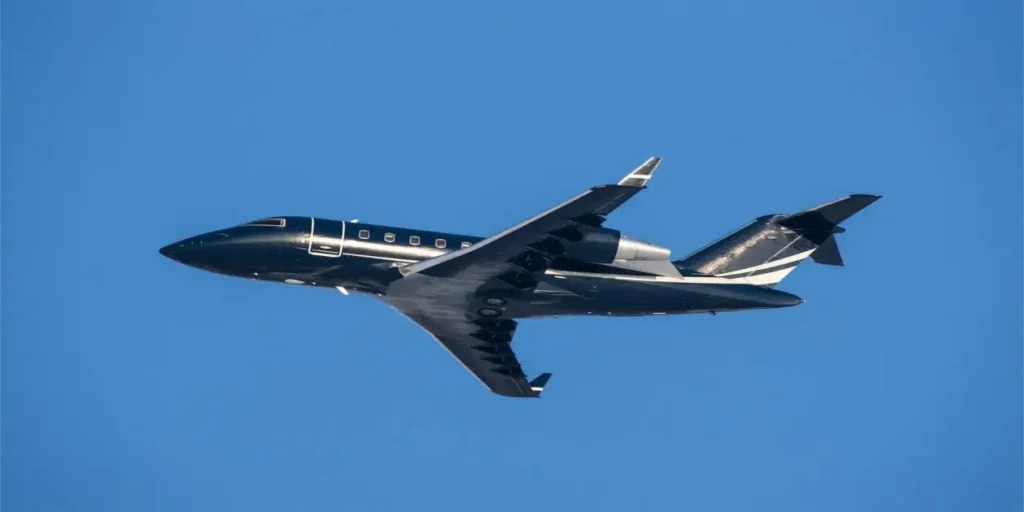
Introduction to Aircraft Toxic Fume Exposure
Welcome to this authoritative analysis of Aircraft Toxic Fume Exposure. Aircraft cabins are engineered for safety, comfort, and operational efficiency. Yet a specific, recurring occupational and passenger health concern continues to demand serious attention: aircraft toxic fume exposure, commonly discussed in the context of “fume events”. While many flights occur without any noticeable air quality incident, the combination of complex pneumatic systems, high thermal loads, and multiple potential contamination sources means that rare does not mean negligible, particularly for crew who accumulate exposure across hundreds or thousands of flight hours.
This guide explains what aircraft toxic fume exposure is, how it may occur, what symptoms are reported, what the science and regulation say today, and what proactive measures can reduce risk moving forward.
If you believe you have been affected by toxic airplane fumes or contaminated cabin air contact Aerotoxic Syndrome lawyer Timothy L. Miles as you may be eligible for an Aerotoxic Syndrome Lawsuit and potentially entitled to substantial compensation. (855) 846–6529 or tmiles@timmileslaw.com.

What “Aircraft Toxic Fume Exposure” Means
Aircraft toxic fume exposure refers to inhalation of potentially harmful airborne contaminants inside an aircraft, typically within the flight deck and cabin. These contaminants may include:
- Pyrolysis products (chemicals generated when oils, hydraulic fluids, or other materials are heated).
- Volatile organic compounds (VOCs) and semi-volatile organic compounds (SVOCs).
- Ultrafine particles (UFPs), which can penetrate deep into the lungs.
- Carbon monoxide (CO) and other irritant gases in certain scenarios.
- Organophosphates and related additives associated with some turbine oils (discussed in the literature and in occupational reports).
In aviation operations, this issue is most commonly associated with odours, visible haze, smoke-like mist, or acute onset of irritation symptoms reported by crew and sometimes passengers.
A key definitional point is essential for clarity: a fume event is an operational descriptor, not a diagnosis. It describes an incident in which abnormal fumes or smoke are perceived or detected. Health outcomes vary widely and may depend on concentration, duration, mixture, individual susceptibility, and response actions.
For those who have experienced such incidents, toxic fume exposure lawsuits have been filed to seek justice for the affected individuals. Additionally, there have been instances where aircraft toxic fumes have leaked into the cabin or cockpit area causing serious health concerns.
To better understand the implications of these exposures on health and safety within aircraft environments, it’s important to refer to scientific research such as this study published in the Copernicus Publications that delves into the specifics of airborne contaminants. Moreover, further insights can be gleaned from articles like this one from Frontiers in Public Health which discusses broader public health implications related to similar exposures.
How Cabin Air Is Supplied (And Why It Matters)
Most large commercial aircraft supply cabin air through a combination of:
- Outside air compressed by the engines (commonly called bleed air on many aircraft types), and
- Recirculated air filtered through HEPA filters (typical on modern airliners).
This architecture is relevant because it creates two important realities:
- Cabin air quality is highly dependent on upstream mechanical integrity and maintenance controls.
- Recirculation filtration is not designed to remove gases and vapours. HEPA filtration is highly effective for particulates and many biological aerosols, but it does not inherently remove volatile chemicals.
Some aircraft designs use different architectures (including bleedless concepts on certain models), but no design is entirely immune to contamination from all sources. A robust governance approach focuses on system-wide risk control, not a single component.
If you believe you have been affected by toxic airplane fumes or contaminated cabin air contact Aerotoxic Syndrome lawyer Timothy L. Miles as you may be eligible for an Aerotoxic Syndrome Lawsuit and potentially entitled to substantial compensation. (855) 846–6529 or tmiles@timmileslaw.com.
Commonly Discussed Sources of Fumes and Contaminants
Fume events can arise from multiple sources, and investigations often consider a combination of contributing factors.
1) Engine Oil Seal Leakage and Thermal Decomposition
A widely discussed scenario involves engine oil entering the air supply stream due to seal leakage, followed by heating and decomposition. Even small amounts of oil, when exposed to high temperatures, can generate a complex mixture of irritants and odourous compounds.
Important operational point: seals can function differently depending on pressure differentials, engine power settings, and transient conditions. That means an event may occur intermittently and be difficult to reproduce.
Understanding the Risks of Toxic Cabin Air
Given the potential for toxic cabin air, it’s crucial to understand the implications of these fume events. Exposure to toxic airplane fumes can lead to serious health issues. The engine oil seal leakage scenario is just one instance where such exposure might occur.
Moreover, it’s important to note that fume events are not limited to the aforementioned causes. They could stem from various other sources as well, emphasizing the need for comprehensive monitoring and control systems in aircraft design and operation.
2) APU Oil or Exhaust-Related Ingress
The auxiliary power unit (APU) can be involved, particularly during ground operations or specific configurations. Depending on aircraft type and environmental control system routing, odours or contaminants may be noticed during boarding, pushback, or while on stand.
3) Hydraulic Fluid Leaks and Overheating
Hydraulic systems operate under high pressure. A leak onto hot surfaces can generate fumes, sometimes described as acrid or “burning.” These events may also be accompanied by visible haze.
4) Electrical and Electronic Overheating (“Electrical Smell”)
Overheated wiring, electronic components, galley equipment, or entertainment systems can generate distinctive odours and potentially irritating byproducts. These incidents require urgent attention because the risk profile includes fire and smoke propagation, not only toxicity.
5) De-icing Fluid, Cleaning Products, and Ground Air Contamination
Cabin air may also be influenced by external sources during ground operations, including ingestion of exhaust, solvent vapours, or de-icing residues in some circumstances. While many such odours are transient, governance should ensure they are logged, assessed, and not normalised.

What a Fume Event May Look Like in Practice
Reported characteristics often include:
- “Dirty socks,” “wet dog,” “oily,” “burnt,” “acrid,” or “chemical” odours.
- Eye, nose, or throat irritation.
- Headache, dizziness, nausea, fatigue, or cognitive fog.
- Visible haze or mist in severe cases.
- A pattern tied to engine power changes, APU use, or pack operation.
It is also possible for contaminants to be present without a strong odour. Odour perception varies by individual, and olfactory fatigue can occur. For this reason, a mature safety system treats odour as a signal, not a measurement.
Acute Symptoms Reported After Suspected Exposure
Symptoms reported by crew and passengers in association with fume events include, but are not limited to:
- Respiratory and mucosal irritation: coughing, chest tightness, sore throat, eye irritation.
- Neurological and systemic effects: headache, dizziness, nausea, tremor, fatigue.
- Cognitive effects: difficulty concentrating, slowed thinking, memory disturbance.
- Cardiovascular complaints: palpitations in some reports.
- Mood and sleep disruption in the hours or days following an incident.
A careful, clinically responsible framing is necessary. These symptoms are non-specific, meaning they can also occur with dehydration, jet lag, infection, anxiety, or migraine. However, non-specific does not mean non-serious. In occupational health, non-specific symptom clusters are common following complex chemical exposures particularly where mixtures and ultrafine particles are involved.
Longer-Term Concerns and the State of Evidence (2026)
Longer-term health complaints reported by some individuals after repeated or severe fume events include persistent respiratory symptoms, neurocognitive complaints, and reduced exercise tolerance. In public and professional discourse, these concerns are sometimes grouped under terms such as “aerotoxic syndrome.”
Here, precision matters:
- Aerotoxic syndrome is not uniformly recognised as a formal diagnostic entity across all jurisdictions.
- The scientific and medical literature contains ongoing debate about causation, dose-response thresholds, biomarkers, and the role of confounders.
- At the same time, occupational reporting, case series, and mechanistic plausibility arguments have led many stakeholders to call for stronger preventive controls and better incident investigation.
From a governance perspective, the responsible stance is neither dismissal nor alarmism. The responsible stance is structured risk management: measure what can be measured, reduce exposure where feasible, document incidents consistently, and provide clinical pathways that do not penalise reporting.
If you believe you have been affected by toxic airplane fumes or contaminated cabin air contact Aerotoxic Syndrome lawyer Timothy L. Miles as you may be eligible for an Aerotoxic Syndrome Lawsuit and potentially entitled to substantial compensation. (855) 846–6529 or tmiles@timmileslaw.com.
Why Measurement Is Difficult (And Why It Must Improve)
Aircraft air contamination incidents, often caused by toxic airplane cabin fumes, are challenging to characterise for several reasons:
- Short duration and variability: an event may last seconds to minutes.
- Complex chemical mixtures: heated oils and fluids produce many compounds, some at trace levels.
- Sampling constraints: equipment must be aviation-certified, non-interfering, and robust.
- Timing mismatch: by the time a report is filed, the air has changed and the aircraft has moved.
- Lack of routine real-time monitoring on many fleets.
The practical implication is repetition for emphasis: odour is not data, and absence of visible haze is not proof of absence. Proactive programmes increasingly focus on onboard sensing, event-triggered sampling, and improved maintenance correlation.
Immediate Operational Response: A Practical, Safety-First Framework
If fumes, haze, or smoke-like odours are detected, particularly those associated with toxic airplane cabin fumes, crews typically follow established procedures that prioritise aircraft control, ventilation management, and smoke/fire differentiation. The specifics depend on aircraft type and operator checklists, but a high-level framework includes:
1) Treat It as a Safety Event, Not an Inconvenience
Cabin and flight deck reports should be taken seriously and escalated promptly. Normalising repeated “smells” is a governance failure. The correct cultural signal is consistency: report, record, respond.
2) Use Checklists and Coordinate
Smoke or fumes can overlap with fire indicators. Operational response should follow the operator’s QRH/ECAM/EICAS logic. Coordination between flight crew and cabin crew is essential to identify location, onset conditions, and symptom progression.
In cases where toxic fumes in an airplane are suspected due to equipment malfunction or other issues leading to toxic airplane cabin fumes, it becomes crucial to manage the situation effectively while ensuring passenger safety.
3) Ventilation and Isolation Actions (Where Applicable)
Depending on aircraft systems, crews may adjust pack configuration, increase fresh airflow, or isolate suspected sources. These actions must always be performed within the boundaries of approved procedures.
4) Medical Support and Symptom Triage
If crew or passengers are symptomatic, early assessment is important. Severe symptoms, loss of consciousness, or respiratory distress warrant urgent medical response and may drive diversion decisions.
Medical Evaluation After a Suspected Exposure (Crew and Passengers)
When to Seek Clinical Assessment
Medical evaluation should be considered when symptoms are significant, unusual, or persistent, and particularly when there was:
- Visible haze or strong odour.
- Multiple affected individuals.
- Neurological symptoms (confusion, severe headache, tremor).
- Respiratory symptoms beyond mild irritation.
What to Document Immediately
A consistent record supports both clinical care and safety investigation. Key details include:
- Flight number, aircraft registration, date, and phase of flight.
- Onset time and duration.
- Odour description and any visible haze.
- Location (flight deck, forward cabin, aft cabin).
- Operational conditions (APU running, engine power changes, packs status if known).
- Symptoms, their onset, and progression.
- Names and seat positions of affected individuals (for passenger events where appropriate).
- Any first aid administered and response to oxygen (if provided per procedures).
Clinical Considerations
There is no single universal test that “proves” a fume exposure. Clinicians may consider:
- Vital signs, oxygen saturation, and respiratory examination.
- CO exposure assessment where relevant (including carboxyhemoglobin, timing-dependent).
- Baseline neurological assessment.
- Follow-up for persistent symptoms with occupational medicine or aviation medicine expertise.
For crew, an effective programme ensures non-punitive reporting, access to occupational health pathways, and a clear return-to-duty process that prioritises safety.
If you believe you have been affected by toxic airplane fumes or contaminated cabin air contact Aerotoxic Syndrome lawyer Timothy L. Miles as you may be eligible for an Aerotoxic Syndrome Lawsuit and potentially entitled to substantial compensation. (855) 846–6529 or tmiles@timmileslaw.com.
Reporting, Investigation, and Corporate Governance
The governance dimension is decisive. Fume events sit at the intersection of safety management systems (SMS), occupational health, maintenance reliability, and regulatory compliance. Strong governance uses repetition for emphasis: accountability, traceability, transparency.
What Good Governance Looks Like
- Defined event thresholds: clear criteria for what constitutes a reportable fume event, including odour-only events when unusual or recurrent.
- Standardised reporting: harmonised forms and mandatory fields to support trend analysis.
- Maintenance linkage: event reports automatically cross-referenced with deferred defects, oil servicing history, seal replacements, APU history, and bleed system maintenance actions.
- Root cause discipline: structured methodologies such as fault tree analysis and human factors review where relevant.
- Feedback loops: crews should receive closure information where possible, reinforcing trust and reporting culture.
- Board-level visibility for systemic trends, especially in high-utilisation fleets.
Why This Is a Governance Issue, Not Only a Technical Issue
Technical issues become organisational risks when:
- reports are minimised,
- data are fragmented,
- patterns are not escalated,
- and corrective actions are not audited for effectiveness.
Robust corporate governance reduces risk by ensuring the system cannot quietly absorb repeated low-level incidents without intervention.
Prevention and Risk Reduction: Practical Controls That Matter
No single measure will address all scenarios. Effective risk reduction is layered and proactive.
1) Engineering and Design Controls
- Improved sealing technologies and ventilation architectures where feasible.
- Consideration of real-time air quality sensing in future cabin systems.
- Better access for maintenance inspection and condition monitoring.
2) Maintenance and Reliability Controls
- Trend monitoring for oil consumption anomalies.
- Targeted inspection following any event report, not only severe events.
- Verification checks after component replacement, including operational run-ups where appropriate.
3) Cabin and Flight Deck Procedures
- Clear crew guidance on early recognition and escalation.
- Training that differentiates nuisance odours from potential smoke/fire indicators while maintaining a conservative safety posture.
- Cabin crew empowerment to report symptoms without stigma.
4) Occupational Health Controls for Crew
- Baseline health surveillance where justified by risk assessment.
- Post-event assessment pathways and structured follow-up for recurrent exposures.
- Fit-for-duty evaluations that are consistent, confidential, and safety-led.
5) Data, Monitoring, and Continuous Improvement
- Event-triggered sampling kits where operationally practical.
- Centralised databases enabling fleet-level trend analysis.
- Periodic governance reviews with measurable KPIs, such as reporting timeliness, investigation closure rates, and repeat-event reduction.
Passenger Considerations: What You Can Do If You Suspect Exposure
Passengers have less control but can still take reasonable steps:
- Report odours or symptoms promptly to cabin crew. Early reports help crews correlate location and timing. It’s crucial to understand that these symptoms could be linked to fume events, which may have serious implications.
- If symptoms are significant, request medical assistance and follow crew instructions. Remember that the cabin crew is trained to handle such situations, so it’s important to communicate effectively about your symptoms.
- After landing, if symptoms persist or are severe, seek medical care and document the flight details and timeline. This documentation can be vital in understanding the potential effects of fume events, which may require further medical attention.
Passengers should also recognise practical limits: cabin crew can respond, document, and coordinate, but they cannot run a chemical lab in flight. The most useful contribution is clear, time-stamped observations.
Regulatory Landscape and Industry Direction (2026)
Regulation and guidance differ by jurisdiction, and aviation authorities generally address cabin air quality through a combination of airworthiness standards, smoke and fire procedures, maintenance requirements, and occupational health frameworks. As of 2026, the direction of travel across the industry is best described as:
- Greater emphasis on data quality and standardised reporting.
- Increased attention to ultrafine particles and chemical mixtures, not only odour complaints.
- Continued debate over health outcome attribution, alongside broader acceptance that preventive measures and better measurement are warranted.
The strategic objective should be clear: move from anecdote to evidence, and from evidence to prevention.
A Forward-Looking Conclusion
Exposure to toxic airplane fumes is best understood as a risk management challenge involving engineering, maintenance, operations, medicine, and governance. The path forward is not built on minimisation and not built on speculation. It is built on repetition for emphasis: measure, report, investigate, improve.
For operators and regulators, the priority is proactive control through robust safety management systems, standardised event investigation, and continuous improvement supported by data. For crew, the priority is a reporting culture that protects health and preserves safety. For passengers, the priority is timely reporting and appropriate medical follow-up when needed.
The aviation sector has repeatedly shown that it can reduce complex risks when it applies disciplined governance and technical excellence. Cabin air quality deserves the same standard: precise definitions, consistent data, accountable investigation, and preventive design for the future.
However, it’s crucial to understand the serious implications of exposure to toxic airplane fumes. This exposure can lead to various health issues that are often overlooked or misdiagnosed. Therefore, raising awareness about airplane toxic exposure is vital for both crew members and passengers.
Furthermore, establishing a reporting culture that encourages timely reporting of symptoms related to toxic fume exposure can significantly improve health outcomes. Lastly, we must strive for a future where toxic airplane fumes are effectively managed through improved engineering and operational practices.
If you believe you have been affected by toxic airplane fumes or contaminated cabin air contact Aerotoxic Syndrome lawyer Timothy L. Miles as you may be eligible for an Aerotoxic Syndrome Lawsuit and potentially entitled to substantial compensation. (855) 846–6529 or tmiles@timmileslaw.com.
Frequently Asked Questions about Aircraft Toxic Fume Exposure
What is aircraft toxic fume exposure and why is it a concern?
Aircraft toxic fume exposure refers to the inhalation of potentially harmful airborne contaminants inside an aircraft’s flight deck and cabin. This issue is a concern because these fumes can contain pyrolysis products, volatile organic compounds (VOCs), ultrafine particles (UFPs), carbon monoxide, and organophosphates, which may cause acute irritation symptoms and pose health risks to crew and passengers, especially with repeated exposure over many flight hours.
What causes fume events in aircraft cabins?
Fume events typically arise from the infiltration of contaminants such as engine oil or hydraulic fluids into the cabin air supply. A common source is engine oil seal leakage, where oil enters the bleed air stream and undergoes thermal decomposition at high temperatures, producing irritant and odorous compounds. Other sources include malfunctioning pneumatic systems or contamination from other materials within the aircraft.
How is cabin air supplied and how does this affect air quality?
Most large commercial aircraft supply cabin air through outside air compressed by engines (bleed air) combined with recirculated air filtered by HEPA filters. While HEPA filters effectively remove particulates and biological aerosols, they do not remove gases or volatile chemicals. Therefore, cabin air quality heavily depends on the mechanical integrity of upstream systems; any contamination in bleed air can directly affect cabin air quality.
What symptoms are associated with exposure to toxic fumes on aircraft?
Exposure to aircraft toxic fumes can lead to symptoms such as odors, visible haze or smoke-like mist, acute onset of eye, nose, throat irritation, headaches, dizziness, respiratory issues, and other neurological symptoms. The severity varies based on concentration, duration of exposure, individual susceptibility, and promptness of response actions.
Are there regulations or scientific studies addressing aircraft toxic fume exposure?
Yes, scientific research published in reputable sources like Copernicus Publications and Frontiers in Public Health explores airborne contaminants in aircraft cabins and their public health implications. Regulatory bodies emphasize system-wide risk control approaches focusing on maintenance standards and operational procedures to minimize fume events. However, ongoing research continues to inform policies due to the complex nature of exposures.
What proactive measures can reduce the risk of toxic fume exposure on flights?
Proactive measures include rigorous maintenance of engine seals and pneumatic systems to prevent leaks; continuous monitoring for abnormal odors or smoke; improving filtration technologies beyond HEPA filters to target gases; crew training to recognize and respond promptly to fume events; and regulatory oversight enforcing safety standards. System-wide governance focusing on prevention rather than single-component fixes is essential for reducing risks.