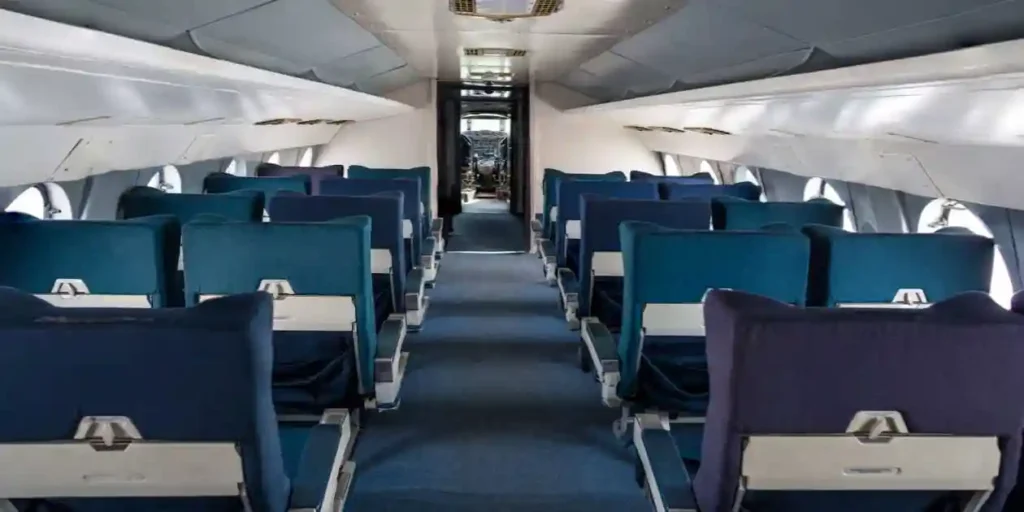
Introduction to Toxic Cabin Fumes
Welcome to this authoritative analysis on Toxic Cabin Fumes. Toxic cabin fumes are not a single, isolated hazard. They represent a category of airborne chemical exposures that can arise inside aircraft cabins and cockpits from multiple sources, at various phases of flight. The effects can range from transient irritation to potentially significant short-term incapacitation risk. For operators, maintenance organizations, and flight crews, the issue is not only medical; it is operational, regulatory, and reputational.
This guide defines toxic cabin fumes in clear technical terms, explains the primary sources and exposure pathways, summarizes recognized symptom patterns, and provides a practical framework for prevention, response, documentation, and long-term risk control.
If you believe you have been affected by toxic airplane fumes or contaminated cabin air contact Aerotoxic Syndrome lawyer Timothy L. Miles as you may be eligible for an Aerotoxic Syndrome Lawsuit and potentially entitled to substantial compensation. (855) 846–6529 or [email protected].

What “Toxic Cabin Fumes” Means in Aviation
In aviation, “toxic cabin fumes” is a practical umbrella term that typically includes any of the following when present at abnormal levels in occupied areas:
- Irritants (cause burning eyes, throat irritation, cough)
- Asphyxiants (reduce oxygen availability or disrupt oxygen utilization)
- Neuroactive compounds (cause dizziness, cognitive slowing, tremor)
- Volatile organic compounds (VOCs) (a broad class with varying effects)
- Thermal decomposition products (formed when fluids or materials overheat)
Two points are central for proper governance of this risk:
- Odor is not a reliable proxy for hazard. Some harmful compounds may be present at levels that are not strongly odorous, while strong odors may occur at relatively low toxicological significance.
- A “fume event” is an operational occurrence, not merely a comfort issue. Even when symptoms are mild, the event signals a system condition that requires structured investigation and corrective action.
For more detailed information about the implications of toxic airplane cabin fumes, including potential health risks and legal considerations surrounding them, you may refer to this resource. It’s important to note that these toxic cabin air issues are not just limited to one flight or incident but can be a recurring problem if not properly addressed. Therefore understanding the sources and effects of aircraft toxic fumes exposure is crucial for all stakeholders in the aviation industry.
The understanding of these toxic cabin fumes has been enhanced by recent studies which delve into their nature and impact. For instance, research published on ScienceDirect provides valuable insights into the subject. Similarly, another study featured in Nature further explores this pressing issue in aviation safety.
Why the Topic Matters More in 2026
The technical fundamentals have not changed, but the context has:
- Higher expectations for Safety Management Systems (SMS). Regulators and auditors increasingly expect evidence of hazard identification, risk assessment, trend monitoring, and closed loop corrective action.
- Improved reporting culture, but persistent underreporting. Many organizations still lack clear thresholds for reporting, standardized symptom capture, and maintenance feedback loops.
- Better tools are available. Real time particulate sensors, targeted sampling methods, and post event lab analysis are more accessible than they were a decade ago.
- Greater workforce awareness. Cabin air quality is discussed more openly among crews, unions, and professional associations, raising the standard for transparency and response.
Forward thinking operators treat cabin fume risk as a governance topic. Proactive measures reduce safety risk, reduce disruption cost, and improve trust.
Primary Sources of Cabin Fumes
1) Engine Oil and Hydraulic Fluid Ingestion (Bleed Air Aircraft)
On many aircraft types, cabin and cockpit air is supplied in part via engine bleed air. Under normal conditions, this air is hot, compressed, and routed through air conditioning packs before distribution. If oil seals or bearing chambers leak, or if hydraulic fluid is introduced into hot zones, pyrolysis can occur, generating a complex mixture of thermal decomposition products.
Commonly discussed constituents include:
- Organophosphates (associated with some anti wear additives)
- Aldehydes and ketones (irritant compounds formed by heating organic fluids)
- Ultrafine particles (UFP) and other particulate matter
Not every oil smell indicates a high concentration of hazardous compounds. However, repeated odors or visible haze should be treated as evidence of system leakage or overheating requiring maintenance action.
It’s essential to understand that these toxic fumes in an airplane can pose serious health risks to passengers and crew alike. When contaminated cabin air is inhaled over prolonged periods, it can lead to various health issues. Furthermore, incidents involving toxic airplane fumes have raised alarm bells in the aviation industry. It’s crucial that we address these issues promptly to ensure the safety and well-being of everyone on board.
2) APU Related Fume Pathways
The auxiliary power unit (APU) can be involved when:
- APU oil seals leak
- APU exhaust is ingested due to airflow patterns during ground operations
- APU bleed air is contaminated
Ground operations are particularly relevant because aircraft are often stationary, airflow can be recirculatory around terminals, and the pack configuration may differ.
3) Deicing and Anti Icing Fluid Ingress
During deicing, glycol based fluids can enter air intakes under certain conditions, especially if procedures, positioning, or airflow conditions lead to ingestion. This may cause:
- Strong odors
- Eye and throat irritation
- Transient respiratory discomfort
Clear communication between ground handling, flight crew, and maintenance is essential because deicing related odors can be misattributed to oil contamination and vice versa.
4) Exhaust, Fuel, and Combustion Byproducts
Cabin odors described as “exhaust,” “diesel,” or “fuel” can result from:
- Ground vehicle exhaust near intakes
- Fuel vapor migration through seals, vents, or servicing points
- Engine exhaust ingestion in specific wind or taxi configurations
Combustion byproducts may include carbon monoxide (CO) and nitrogen oxides (NOx). CO is particularly important due to its potential to cause impairment without strong warning characteristics.
If you believe you have been affected by toxic airplane fumes or contaminated cabin air contact Aerotoxic Syndrome lawyer Timothy L. Miles as you may be eligible for an Aerotoxic Syndrome Lawsuit and potentially entitled to substantial compensation. (855) 846–6529 or [email protected].
5) Electrical and Electronic Overheat Events
Overheated wiring, components, galley equipment, in seat power supplies, or avionics may produce:
- Acrid “electrical” or “burning plastic” odors
- Visible smoke or haze
- Eye and respiratory irritation
- Acute symptoms due to irritant gases
Electrical smoke events have established memory items and checklists in most operations. The key governance issue is ensuring that odor only events are not normalized and that repeat write ups are not deferred without root cause.
6) Cabin Interior Materials and Cleaning Agents
Interior and servicing sources include:
- Cleaning chemicals, disinfectants, and solvents
- Adhesives, sealants, and interior refurbishment off gassing
- Spills and improper stowage of chemical products
These are often overlooked because they do not implicate propulsion systems, but they can still trigger symptoms, complaints, and diversion risk.
How Exposure Occurs: The Cabin Air System in Plain Terms
Most transport category cabins use a blend of:
- Outside air supplied via the environmental control system (ECS)
- Recirculated air routed through filters (commonly HEPA on many types)
Key operational factors that influence exposure include:
- Pack operation and temperature management. Overheat conditions can intensify decomposition odors and affect distribution patterns.
- Recirculation configuration. Higher recirc ratios can retain contaminants longer, depending on filter efficacy for the specific contaminant.
- Cabin pressure and ventilation rates. Lower ventilation rates can increase concentration for a given source.
- Phase of flight. Takeoff, climb, and descent can change pressures, temperatures, and flow paths, altering symptoms and odor perception.
A practical implication is that crews should capture phase of flight and ECS configuration details in reports. These details materially affect maintenance troubleshooting.

Symptom Patterns and Clinical Considerations
Commonly Reported Acute Symptoms
Reported symptoms in fume events may include:
- Eye, nose, and throat irritation
- Cough, chest tightness, shortness of breath
- Headache, dizziness, nausea
- Fatigue, difficulty concentrating, confusion
- Tingling, tremor, coordination issues in some reports
Symptoms may occur in clusters and may vary widely among individuals, even within the same event. This variability is influenced by location in the cabin, duration, individual sensitivity, stress, and co exposure to other irritants.
It’s important to note that these toxic fumes exposure incidents are not just a minor inconvenience; they can lead to serious health issues. In fact, many individuals have filed lawsuits due to exposure to toxic airplane fumes, citing severe health problems as a result. The symptoms experienced during such events can be debilitating and long-lasting. Therefore, it is crucial for airlines to address these issues promptly to ensure the safety and well-being of their passengers.
For those who have suffered from these exposures and are seeking justice or compensation for their experiences, it may be beneficial to explore legal avenues such as filing a toxic exposure lawsuit.
Severity and Operational Risk
From an aviation safety perspective, the most critical concern is performance impairment. Even mild dizziness or cognitive slowing can reduce resilience during abnormal operations. For this reason, fume events should be treated as potential precursors to safety critical outcomes, not simply as occupational health complaints. A comprehensive understanding of toxic fume events is essential in this context.
Post Event Medical Evaluation
A well governed organization encourages prompt medical evaluation when symptoms occur. Key principles include:
- Do not self diagnose. Many symptoms overlap with dehydration, fatigue, infection, or migraine.
- Capture objective information early. If testing is performed, timing matters, and documentation matters.
- Use aviation informed occupational medicine when possible. Clinicians familiar with fume events can better interpret symptom timing, exposure context, and appropriate referral pathways.
This article does not provide medical advice. It provides a governance and operational framework that supports appropriate clinical follow up.
Recognizing a Fume Event: Practical Indicators
Treat the following as triggers for formal reporting and maintenance engagement:
- Odor described as dirty socks, oil, burning, electrical, exhaust, or chemical
- Visible haze, smoke, or mist
- Multiple passengers or crew reporting irritation
- Any crew member experiencing neurological symptoms (dizziness, confusion, impaired coordination)
- Recurrent odors on the same tail number, even if mild
- Odors linked to a specific system configuration change (packs on, APU bleed selection, engine start)
Avoid normalization. A governance based approach assumes that repeat “minor odors” indicate a system issue until proven otherwise.
Immediate Crew Response: Principles That Reduce Risk
Operators follow aircraft specific procedures, QRH checklists, and company SOP. The following principles align with those procedures in most contexts and strengthen decision making:
- Prioritize aircraft control and crew coordination. Use standard callouts and task sharing.
- Treat unknown odors as potentially hazardous until characterized. Especially if accompanied by symptoms, haze, or smoke.
- Increase ventilation when procedures allow. Many scenarios benefit from maximizing fresh airflow and isolating suspected sources, but actions must follow type specific guidance.
- Use oxygen when indicated. If flight deck crew experience symptoms, prompt oxygen use can be decisive for safety.
- Plan for diversion if symptoms persist or escalate. Early, conservative decisions can prevent a deteriorating situation.
- Communicate clearly. Inform cabin crew and consider passenger management early. Accurate, calm communication reduces secondary risks such as panic.
From a corporate governance perspective, the objective is consistency: consistent recognition, consistent checklist discipline, and consistent escalation criteria.
Documentation: The Most Underused Risk Control
Many organizations have data, but not decision grade data. High quality documentation enables maintenance troubleshooting, trend detection, and defensible risk management.
What to Capture in the Flight Report
A structured fume event report should include:
- Date, flight number, tail number
- Phase of flight and approximate time since engine start
- Crew locations and where symptoms occurred (flight deck, forward cabin, aft cabin)
- Odor description using standardized terms
- Presence of haze or smoke
- ECS configuration at the time (packs, APU bleed, recirc status if known)
- Weather, deicing status, and ground conditions
- Any actions taken (oxygen use, pack changes, descent, diversion)
- Symptom onset time, symptom type, symptom duration
- Whether medical evaluation occurred and any duty restrictions recommended
Why Standardization Matters
Standard fields enable:
- Trend analysis by tail number, engine, APU, or component
- Identification of repeat events masked by inconsistent wording
- Risk scoring that is auditable and actionable
- Regulatory reporting alignment where required
If you manage safety reporting systems, consider implementing a dedicated “Cabin Air and Fume Event” taxonomy and mandatory fields for phase of flight and ECS configuration.

Maintenance and Engineering: Root Cause Pathways
A robust maintenance response typically includes the following workflow.
1) Triage and Safety Classification
Classify the event by severity indicators:
- Smoke or haze present
- Neurological symptoms reported
- Multiple affected individuals
- Recurrent events
- Evidence of electrical overheating
Higher classification should automatically trigger deeper investigation and component isolation steps.
If you believe you have been affected by toxic airplane fumes or contaminated cabin air contact Aerotoxic Syndrome lawyer Timothy L. Miles as you may be eligible for an Aerotoxic Syndrome Lawsuit and potentially entitled to substantial compensation. (855) 846–6529 or [email protected].
2) Targeted Troubleshooting Based on Scenario
- Oil smell during climb: prioritize engine bleed related leak pathways, bearing seal integrity, oil consumption trends, and pack heat exchanger condition.
- Odor on ground with APU running: prioritize APU seals, APU exhaust ingestion, and intake positioning factors.
- Electrical smell localized to a zone: prioritize galley equipment, in seat power, lighting circuits, avionics bay cooling, and wiring inspections.
- After deicing: confirm fluid type used, timing, and environmental factors; inspect intake areas and consider procedural mitigations.
3) Evidence Preservation and Sampling
When feasible, preserve evidence:
- Replace and retain filters if procedures allow, with chain of custody
- Capture wipe samples from suspect ducts or components
- Use calibrated CO detection tools when CO is suspected
- Consider post event air sampling protocols if your organization has an established program
The governance goal is not to sample everything. It is to have a credible, repeatable protocol that produces interpretable results.
In addition to these procedures, it’s crucial to align with regulatory standards. For instance, the DAFI 21-101, which provides guidelines for aircraft maintenance practices including safety reporting systems. Following such guidelines can further enhance the efficacy of your maintenance response.
4) Close the Loop to Flight Operations
Maintenance findings should be communicated back in operational terms:
- What was found
- What was replaced or adjusted
- What monitoring will occur
- What to do if odor recurs
This feedback loop increases reporting quality and reduces crew frustration.
Health, HR, and Duty of Care: Governance Expectations
A forward looking organization aligns occupational health with SMS.
Key elements include:
- Clear pathways for post event medical support. Easy access, no stigma, and clear guidance on when to seek evaluation.
- Fit for duty policies that recognize neurocognitive symptoms. Conservative, evidence based decisions protect safety and reduce liability.
- Non punitive reporting culture. Underreporting is a predictable outcome when employees fear consequences or dismissal.
- Training that includes symptom recognition and reporting discipline. Training should use realistic scenarios and consistent terminology.
The objective is integrity through repetition: repeat the expectations, repeat the process, and repeat the follow through.
Prevention: Practical Controls That Reduce Fume Risk
No single control eliminates all fume events. Risk reduction is achieved through layered defenses.
Engineering and Maintenance Controls
- Rigorous monitoring of oil consumption trends and investigation of anomalies
- Scheduled inspection emphasis on seals, bearings, and bleed air interfaces
- Verification of ECS pack performance, temperature control, and overheat protection
- Strong configuration control for APU maintenance and oil system integrity
- Electrical preventive maintenance for known hot spots (galleys, power supplies, avionics cooling)
Operational Controls
- Deicing procedures that reduce ingestion risk through positioning and timing
- Ground air and APU usage protocols designed to minimize exhaust ingestion
- SOP reinforcement for early recognition and checklist use
- Clear escalation criteria for diversion and medical support
Administrative Controls
- A defined fume event reporting template and taxonomy
- Trend monitoring by safety and engineering with periodic review meetings
- Vendor and supplier oversight for fluids, filters, and refurbishment materials
- Corrective action tracking with closure verification
This is corporate governance in practice: defined responsibilities, documented processes, and verified outcomes.
Cabin Air Quality Monitoring: What Is Realistic in 2026
Continuous, comprehensive chemical monitoring in every aircraft is not yet standard across the industry. However, practical improvements are increasingly feasible:
- Portable CO detectors and standardized procedures for use during suspected events
- Portable particulate counters for event characterization and comparative assessment
- Post event sampling kits for targeted investigations, where programs exist
- Data driven tail number tracking to identify repeat offenders and correlate with maintenance actions
If you are evaluating a monitoring program, define success metrics in advance. For example: reduction in repeat events per tail number, faster root cause identification, reduced diversions, and improved reporting completeness.
Regulatory and Compliance Considerations (High Level)
Requirements differ by jurisdiction and operator category, but governance expectations are converging:
- Evidence of hazard identification and risk control under SMS frameworks
- Documented occurrence reporting processes
- Maintenance programs that address contamination pathways
- Training and operational procedures aligned with safety outcomes
The key compliance risk is not only the event itself. It is the absence of a structured response, incomplete documentation, and failure to implement corrective actions after repeat occurrences.
In such cases, having a well-defined emergency operations center (EOC) plan can be crucial. This ensures a structured response to incidents while maintaining comprehensive documentation throughout the process.
What Passengers Should Know (Without Alarmism)
Passengers may encounter unusual odors for benign reasons, but they should treat persistent burning, electrical, or exhaust-like smells as worth reporting to cabin crew. Such toxic airplane fumes can pose serious health risks.
Practical passenger guidance:
- Inform cabin crew promptly and describe the odor and location.
- If you feel unwell after being exposed to toxic airplane fumes, request assistance and avoid exertion.
- Follow crew instructions. They are trained to manage ventilation, communication, and, if necessary, medical support.
Good governance includes consistent passenger handling and clear escalation when multiple reports occur.
A Proactive Action Checklist for Operators (2026)
Use this checklist as a governance baseline:
- Define a “fume event” threshold and severity classification.
- Standardize reporting fields in your safety system.
- Train crews on recognition, terminology, and documentation of toxic fumes in an airplane.
- Establish maintenance triage procedures linked to severity.
- Create a closed loop feedback process between maintenance and flight ops.
- Implement trend monitoring by tail number and component.
- Align occupational health pathways for post event care and fit for duty.
- Audit for normalization by reviewing repeat write ups and deferred defects.
- Evaluate monitoring tools that are operationally realistic and interpretable.
- Review outcomes quarterly and publish internal lessons learned.
Repetition matters: repeat the process, repeat the review, repeat the improvements.
Conclusion
Managing toxic cabin fumes is best approached as a systems risk: mechanical pathways, operational triggers, human factors, and governance controls interacting in predictable ways. The organizations that perform well in 2026 do not rely on informal judgment or inconsistent reporting. They apply structured detection, disciplined response, credible investigation, and verified corrective action.
A clear standard is achievable: fewer events, faster root cause identification, better medical support following exposure to toxic airplane fumes, and stronger trust across crews, maintenance, and management. Robust corporate governance is how that standard becomes routine.
If you believe you have been affected by toxic airplane fumes or contaminated cabin air contact Aerotoxic Syndrome lawyer Timothy L. Miles as you may be eligible for an Aerotoxic Syndrome Lawsuit and potentially entitled to substantial compensation. (855) 846–6529 or [email protected].
Frequently Asked Questions about Toxic Cabin Fumes
What are toxic cabin fumes in aviation and what compounds do they include?
Toxic cabin fumes in aviation refer to airborne chemical exposures inside aircraft cabins and cockpits that can include irritants (causing burning eyes, throat irritation, cough), asphyxiants (reducing oxygen availability or disrupting oxygen use), neuroactive compounds (causing dizziness, cognitive slowing, tremor), volatile organic compounds (VOCs) with varying effects, and thermal decomposition products formed when fluids or materials overheat.
Why is odor not a reliable indicator of toxic cabin fumes hazard?
Odor is not a reliable proxy for hazard because some harmful compounds may be present at levels that are not strongly odorous, while strong odors can occur at relatively low toxicological significance. Therefore, relying solely on smell can underestimate or misjudge the risk posed by toxic cabin fumes.
What are the primary sources of toxic cabin fumes inside aircraft?
The primary sources of toxic cabin fumes include engine oil and hydraulic fluid ingestion in bleed air aircraft, where leaks or overheating cause pyrolysis generating harmful compounds like organophosphates, aldehydes, ketones, and ultrafine particles. Another source is the auxiliary power unit (APU), which can leak oil seals or exhaust gases that contaminate bleed air during ground operations.
How have safety management systems (SMS) expectations changed regarding toxic cabin fumes in 2026?
In 2026, regulators and auditors expect higher standards for SMS including clear hazard identification, comprehensive risk assessment, trend monitoring, and closed-loop corrective actions related to toxic cabin fumes. Organizations must demonstrate proactive governance to reduce safety risks and operational disruptions.
What health effects can exposure to toxic cabin fumes cause for flight crews and passengers?
Exposure to toxic cabin fumes can range from transient irritation such as burning eyes and coughing to potentially significant short-term incapacitation risks including dizziness, cognitive slowing, tremors, and reduced oxygen availability. Prolonged inhalation of contaminated air may lead to more serious health issues requiring medical attention.
Why is managing toxic cabin fume events considered an operational issue rather than just a comfort concern?
A fume event signals an underlying system condition that requires structured investigation and corrective action. Even mild symptoms indicate potential safety risks affecting crew performance and passenger well-being. Proper documentation, response protocols, maintenance feedback loops, and regulatory compliance are essential for effective management.