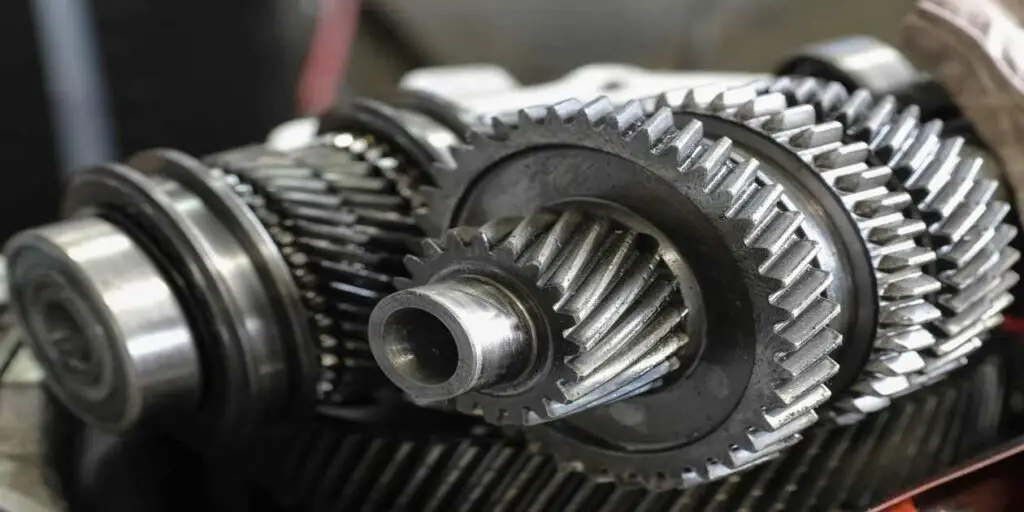
Introduction to GM Transmission Problems
If you are facingh GM Transmission Problems you have come to the right place. Transmission performance is not merely a comfort issue. It is a safety issue, a reliability issue, and a total cost of ownership issue. In GM vehicles, the transmission also sits at the center of modern powertrain strategy, where fuel economy targets, emissions compliance, and software driven shift logic all intersect. When faulty GM transmission problems appear, they rarely stay isolated. Small symptoms often develop into larger failures if they are not diagnosed early and corrected correctly.
This article explains the most common GM transmission problems, the symptoms that matter, the likely root causes, the diagnostic approach that prevents wasted money, and the practical next steps that protect the vehicle and protect your budget.
If you drive a Chevrolet, GMC, or Cadillac with a GM Transmission Problems and you have experienced defective transmission issues like shuddering, jerking, slipping, or had repair work done, call GM Transmission Lawyer Timothy L. Miles for a free case evaluation as you may qualify for a GM Transmission Lawsuit and could potentially be entitled to compensation. (855) 846–6529 or [email protected].

What Counts as a “GM Transmission Problem”?
A “transmission problem” is any condition where the transmission cannot consistently deliver the correct gear ratio, torque transfer, and hydraulic pressure under normal operating conditions. In real terms, this can mean:
- Delayed engagement when shifting into Drive or Reverse
- Harsh shifts or shift “flare” (engine revs rise between gears)
- Shudder or vibration under light throttle
- Slipping under load or at highway speeds
- Loss of specific gears
- Warning lights, limp mode, or diagnostic trouble codes (DTCs)
- Fluid leaks, overheating, or burnt fluid odor
- Abnormal noises such as whining, grinding, or clunking
The important point is repetition. If a symptom appears once and never returns, it may be an isolated software event or a transient pressure anomaly. If it repeats, it is a pattern. Patterns deserve diagnosis, not guesswork.
However, it’s worth noting that some symptoms could potentially be linked to other issues beyond just the transmission itself. For example, certain medications like Trulicity have been reported to cause vision problems which might lead to misinterpretation of certain driving conditions. Similarly, other substances such as Zepbound have also been associated with vision issues that could affect driving performance. It’s crucial to consider all aspects of vehicle operation and driver health when diagnosing issues.
The Most Common Symptoms GM Transmission Problems
1) Shudder During Light Acceleration
A shudder that feels like driving over small rumble strips, typically between about 30 and 60 mph, often points to torque converter clutch (TCC) behavior. In many late model transmissions, the converter is commanded to apply in a “controlled slip” state for efficiency. If fluid condition, friction material, or calibration is not correct, that controlled slip becomes uncontrolled vibration.
Why it matters: Shudder is frequently an early warning sign. It can precede torque converter damage and, in some cases, accelerate wear that contaminates the fluid.
2) Harsh or Erratic Shifts
Harsh 1 to 2 or 2 to 3 shifts, random downshifts, or “bump shifts” may be tied to line pressure control, solenoid performance, valve body wear, adaptive learning errors, or software calibration issues. It can also be mechanical, especially if it occurs only under load or only when hot.
Why it matters: Harsh shifting increases driveline shock, which can stress mounts, axles, and internal clutch packs.
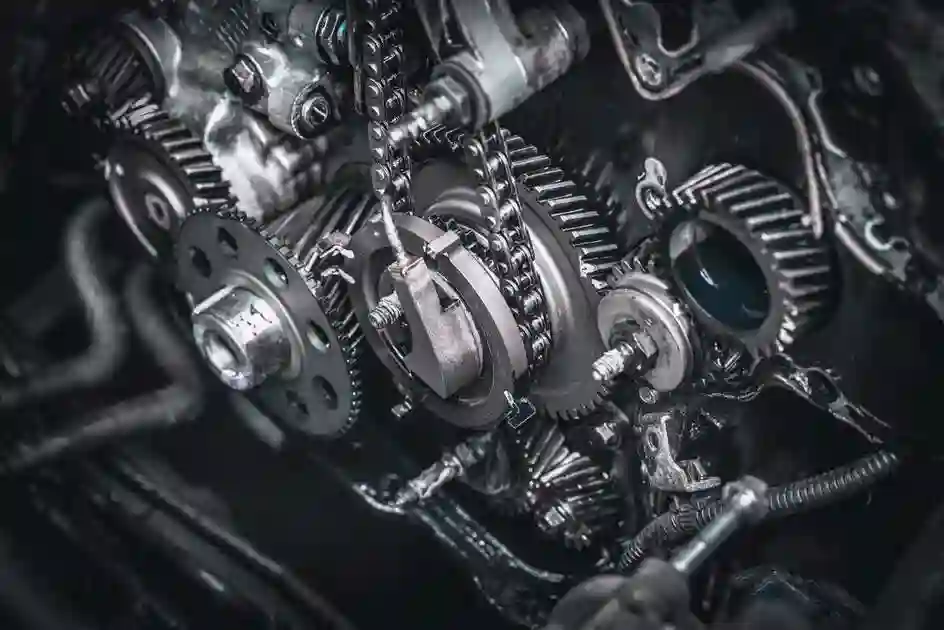
3) Delayed Engagement Into Drive or Reverse
If the vehicle hesitates before moving after you select Drive or Reverse, the transmission may be bleeding off hydraulic pressure, drawing aerated fluid, or struggling to fill a clutch circuit. Low fluid, internal seal leakage, valve body wear, or pump wear are common contributors.
Why it matters: Delay is a hydraulic symptom. Hydraulic symptoms tend to worsen over time because pressure loss is rarely self correcting.
4) Slipping, Flaring, or “Neutraling Out”
Slipping can feel like the engine revs increase without corresponding acceleration. Shift flare often happens during gear changes. “Neutraling out” refers to a momentary loss of drive, sometimes followed by a harsh re engagement.
Why it matters: These are high risk symptoms that can indicate clutch pack wear or inadequate apply pressure. Continued driving can quickly turn a repairable issue into a full overhaul.
5) Warning Lights, Limp Mode, and DTCs
Modern GM transmissions depend on sensor feedback and control module logic. A single failing input speed sensor, output speed sensor, or temperature sensor can cause protective strategies, including limp mode.
Why it matters: Codes are not conclusions. They are starting points. A competent diagnosis uses codes, freeze frame data, and live data trends together.
The Reasons for GM Transmissions Problems: The Main Root Causes
Transmission failures rarely come from one factor. They typically result from an interaction of hydraulic control, friction material condition, software strategy, and operating environment. The root causes below are the ones most often found when symptoms are correctly traced.
Fluid Degradation and Heat Resulting in a Faulty GM Transmission
Automatic transmission fluid (ATF) is a hydraulic medium, a lubricant, and a friction modifier. Once it overheats or becomes contaminated, it loses viscosity stability and friction characteristics. That changes shift quality and converter clutch behavior.
Key accelerators include:
- Towing without adequate cooling capacity
- Stop and go driving with high ambient temperatures
- Extended intervals without fluid service in severe duty use
- Minor leaks that lower fluid level and allow aeration
Torque Converter Clutch Wear or Contamination
When the TCC friction surface wears or the fluid’s friction modifiers are no longer within specification, the converter clutch may chatter or slip. The critical issue is debris. Converter wear can shed material into the fluid, and the fluid carries that material into the valve body and solenoids.
Valve Body Wear and Solenoid Performance Issues Causing Faulty GM Transmission Issues
The valve body is the hydraulic control center. Wear in bores, sticking valves, or weak solenoids can cause:
- Incorrect clutch apply timing
- Line pressure errors
- Repeated harsh shifts or delayed engagement
- Converter clutch control instability
Software Calibration and Adaptive Learning Problems
GM transmissions are software controlled. Shift timing and pressure are not fixed. They are learned, adapted, and updated. When the control strategy is mismatched to wear conditions, or the adaptation data becomes skewed, the transmission may shift poorly even when hardware is still serviceable.
This is why a proper diagnostic process includes checking for calibration updates and assessing adaptive data, not only mechanical components.
Mechanical Wear in Clutch Packs, Bushings, or Pump Components
If the transmission has been slipping, overheating, or running low on fluid, internal wear follows. Common outcomes include:
- Burnt clutch material
- Pump wear leading to chronic low line pressure
- Bushing wear causing pressure leaks and shaft play
- Metal debris that damages precision control surfaces
If you drive a Chevrolet, GMC, or Cadillac with a GM Transmission Problems and you have experienced defective transmission issues like shuddering, jerking, slipping, or had repair work done, call GM Transmission Lawyer Timothy L. Miles for a free case evaluation as you may qualify for a GM Transmission Lawsuit and could potentially be entitled to compensation. (855) 846–6529 or [email protected].
A Practical Diagnostic Approach That Avoids “Parts Cannon” Repairs
Replacing parts based on guesses is expensive. A correct diagnosis is structured, repeatable, and evidence based. If you want to protect yourself as an owner, insist on a process that looks like this.
Step 1: Confirm the Symptom Precisely
Record:
- When it happens (cold, hot, first start, highway, turning, towing)
- Vehicle speed and gear range
- RPM behavior (flare, surge, steady)
- Whether it is repeatable on the same road and throttle input
Transmission problems are often load dependent. A precise description narrows the fault path dramatically.
Step 2: Scan for Codes and Capture Freeze Frame Data
A scan tool should pull:
- Powertrain DTCs
- Transmission related pending codes
- Freeze frame snapshots
- Transmission temperature data
- Slip speed data where available
While a generic code reader is better than nothing, it is advisable to use a scan tool capable of robust GM powertrain data like the one mentioned in this manual.
Step 3: Inspect Fluid Condition and Level Correctly
Fluid checks on modern transmissions can be procedure sensitive. Many are “check hot, engine running, level surface, specific temperature window” systems. An incorrect check can lead to incorrect conclusions.
What matters:
- Level (too low causes aeration; too high can foam)
- Odor (burnt odor suggests overheating and clutch distress)
- Color is less reliable than people think, but blackened fluid is a red flag
- Presence of metal or clutch material
Step 4: Road Test With Live Data
A diagnostic road test should correlate the symptom to:
- Commanded gear vs actual gear ratio
- Converter clutch command vs slip speed
- Line pressure command vs behavior
- Misfire data and engine torque management events, because engine issues can mimic transmission issues
In addition to these steps, it’s also beneficial to refer to comprehensive courses such as the ATO2270 course outline which provide in-depth knowledge about automotive diagnostics.
Step 5: Rule Out Non Transmission Causes
Some symptoms that feel like a transmission problem are actually:
- Misfires under load
- Failing engine mounts or transmission mounts
- Driveshaft or CV axle issues
- Wheel bearing vibration mistaken for shudder
- Differential problems in AWD/4WD systems
A disciplined shop rules these out early. That is proactive diagnostics, and it reduces unnecessary rebuilds.
The GM Transmissions Most Often Mentioned in Complaints
GM has produced many strong transmissions across decades, but certain units appear more often in consumer reports and shop case histories due to design choices, operating strategies, and application loads. Rather than treating “GM transmission problems” as one category, it is more accurate to treat it as platform specific risk.
Commonly discussed categories include:
- 6 speed automatics in high volume trucks and SUVs
- 8 speed automatics in various light duty applications
- 10 speed automatics in newer trucks and performance oriented vehicles
- CVTs in select compact applications
The correct action varies by type. A converter clutch shudder complaint in one family may be addressed through fluid specification updates and calibration changes, while another may require hardware replacement. The critical discipline is identification by transmission model and RPO code, not just by year and engine.
What You Should Do Immediately If You Suspect a Problem
1) Stop Testing It With Aggressive Driving
Hard acceleration “to see if it goes away” is usually counterproductive. If the issue is pressure related or clutch related, repeated high load events can accelerate damage.
2) Check for Obvious Leaks Under the Vehicle
Look for:
- Fresh red or brown fluid near the transmission pan
- Wetness around cooler lines
- Fluid residue near the bellhousing area
Leaks are not always dramatic. A slow leak over months can lower fluid enough to trigger shudder, flare, and heat.
3) Document the Faulty GM transmission issues,
Write it down. Record a short video if safe. Provide it to the shop. This improves diagnostic efficiency and reduces the risk of “could not duplicate” outcomes.
4) Get a Scan and Save the Results
Even if the check engine light is not on, there may be pending codes. Save a photo of the scan results. Diagnostic continuity matters, especially if the problem is intermittent.
Maintenance and Prevention: What Actually Works
Proactive maintenance is not about doing everything. It is about doing the right actions at the right time, based on duty cycle and risk profile.
Follow Severe Service Logic, Not Only the Normal Schedule
If you tow, idle extensively, drive in high heat, or do repeated short trips, treat the vehicle as severe service. Severe service generally justifies:
- More frequent fluid and filter service where applicable
- Closer monitoring of fluid temperature
- Early investigation of small shift quality changes
Use the Correct Fluid Specification
GM transmissions are sensitive to fluid chemistry. Using a “universal” ATF that does not meet the correct spec can create shudder, poor shift feel, and long term wear.
If you are servicing the transmission, insist on:
- Correct specification fluid for the application
- Clean fill practices to avoid contamination
- Proper level check procedure at the correct temperature
Address Cooling and Heat Management
Heat kills transmissions. If you tow regularly, confirm:
- Cooler lines are unobstructed
- Radiator and auxiliary cooler airflow is adequate
- Transmission temperature is within expected ranges under load
In many cases, preventing overheating does more to extend transmission life than any additive or quick fix.
Repair Options: What They Mean and When They Make Sense
Software Update and Adaptation Reset
If the hardware is healthy and the issue is primarily calibration or learned adapts, the best fix may be:
- Control module reprogramming
- Shift adaptation reset and relearn procedures
- Verification road test with data logging
This is a legitimate repair when supported by evidence, not a stall tactic.
Fluid Service With Correct Specification Fluid
A fluid exchange or drain and fill can be appropriate when:
- The symptom is mild
- There is no evidence of heavy clutch debris
- The transmission is not already slipping severely
However, if the unit is already failing mechanically, fluid alone will not save it. In some cases, changing fluid in a severely worn transmission may reveal existing clutch distress more quickly, not because the service caused damage, but because it removed degraded fluid that was masking symptoms.
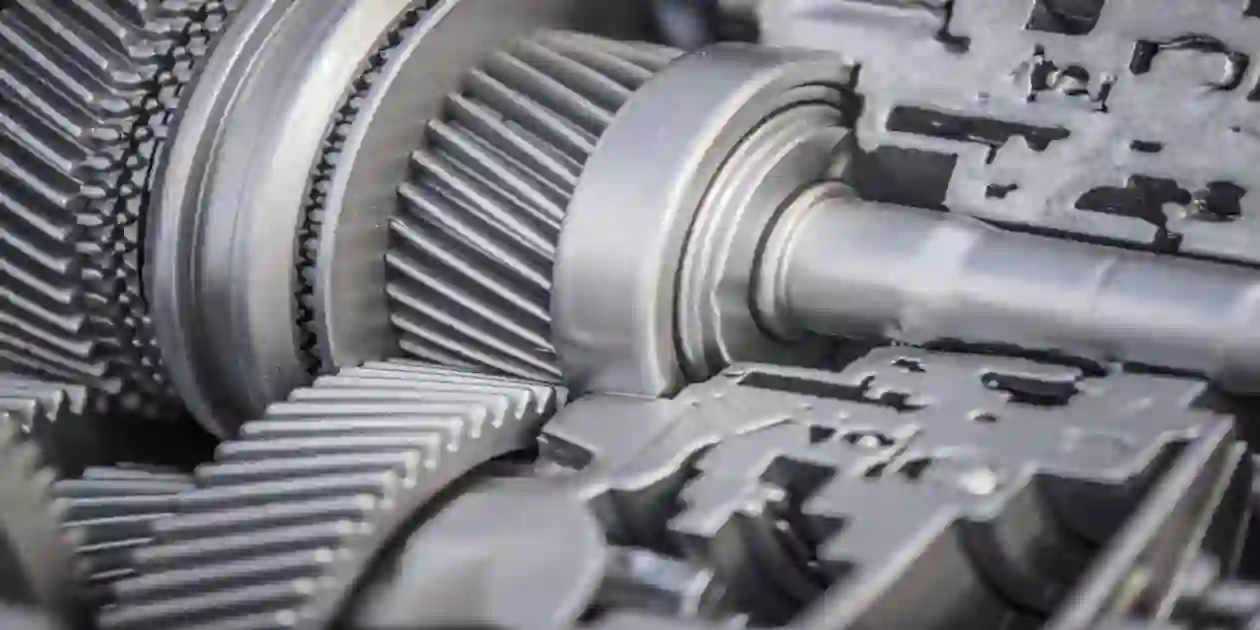
Valve Body Repair or Replacement
If diagnosis indicates hydraulic control issues, valve body service can be a targeted repair. The value is precision. A correct valve body repair addresses root causes such as worn bores or sticking valves, rather than replacing unrelated components.
Additionally, it’s crucial to consider cooling and heat management strategies as part of your overall transmission care.
Torque Converter Replacement
If converter clutch shudder is confirmed and persistent, torque converter replacement may be required, often paired with fluid service and a careful inspection for debris.
Full Rebuild or Remanufactured Transmission
If there is extensive clutch damage, metal contamination, or chronic pressure loss, a rebuild or replacement may be the most economical path over the long term.
From a governance and risk perspective, the best approach is to treat this as a lifecycle decision:
- What is the vehicle’s remaining service life?
- What is the risk tolerance for repeat failures?
- What warranty is provided on the repair?
- Is the repair supported by documented diagnostic findings?
Repetition matters. Evidence matters. Warranty terms matter.
How to Choose a Shop for GM Transmission Diagnosis
A reliable shop will communicate in diagnostics, not in guesses. Look for these signals:
- They ask detailed symptom questions before quoting repairs
- They scan the vehicle and share codes and data findings
- They explain fluid condition objectively, including contamination risks
- They can identify the transmission model and configuration accurately
- They provide written estimates with clear scope and warranty terms
- They avoid promising a fix without confirming the failure mode
Transmission work is high consequence. Professionalism and documentation are not optional. They are the safeguards that protect the customer and protect the outcome.
When It Is Not Safe to Keep Driving
Stop driving and arrange towing if you experience:
- Repeated slipping with rising RPM
- Loss of Drive or Reverse
- Burning smell with worsening shift quality
- Loud grinding or banging noises
- Rapid fluid loss
Continuing to drive can transform a contained repair into catastrophic internal damage, which increases costs and reduces the probability of a durable fix.
The Forward Looking Takeaway
GM transmission problems are not always inevitable, and they are not always catastrophic. They are, however, predictable in how they develop. Symptoms start small, then become patterns. Patterns become wear. Wear becomes contamination. Contamination becomes system wide failure.
The most effective strategy is proactive and disciplined:
- Identify symptoms early
- Diagnose with data, not assumptions
- Use correct fluid specifications and correct service procedures
- Treat heat management as a priority
- Choose repairs that match the confirmed failure mode
If you are facing transmission shudder, harsh shifts, delayed engagement, or slipping, the best next step is not to wait for the issue to become obvious. The best next step is a structured diagnosis while the problem is still manageable.
If you drive a Chevrolet, GMC, or Cadillac with a GM Transmission Problems and you have experienced defective transmission issues like shuddering, jerking, slipping, or had repair work done, call GM Transmission Lawyer Timothy L. Miles for a free case evaluation as you may qualify for a GM Transmission Lawsuit and could potentially be entitled to compensation. (855) 846–6529 or [email protected].

FAQs (Frequently Asked Questions)
What are common symptoms indicating a GM transmission problem?
Common symptoms of GM transmission problems include delayed engagement when shifting into Drive or Reverse, harsh or erratic shifts, shudder or vibration under light throttle, slipping under load or at highway speeds, loss of specific gears, warning lights or limp mode activation, fluid leaks, overheating, burnt fluid odor, and abnormal noises such as whining, grinding, or clunking.
Why is transmission performance critical beyond just comfort in GM vehicles?
Transmission performance is crucial not only for comfort but also for safety, reliability, and total cost of ownership. In GM vehicles, the transmission integrates with modern powertrain strategies affecting fuel economy targets, emissions compliance, and software-driven shift logic. Faulty GM transmission issues can lead to larger failures if symptoms are not diagnosed and corrected early.
What causes the shudder feeling during light acceleration in Faulty GM Transmission?
The shudder during light acceleration, often between 30 and 60 mph, typically points to torque converter clutch (TCC) behavior. In many late-model transmissions, the torque converter applies in a controlled slip state for efficiency. If fluid condition, friction material, or calibration is off, this controlled slip becomes uncontrolled vibration leading to shudder.
How do harsh or erratic shifts affect a GM vehicle’s transmission and what causes them?
Harsh shifts increase driveline shock which can stress mounts, axles, and internal clutch packs. Causes may include line pressure control issues, solenoid performance problems, valve body wear, adaptive learning errors, software calibration issues, or mechanical faults especially under load or when hot.
What are the main root causes of Faulty GM transmission issues?
Faulty GM transmission issues in GM vehicles usually stem from an interaction of hydraulic control issues, friction material condition degradation, software strategy flaws, and operating environment factors. Fluid degradation and heat are significant contributors as automatic transmission fluid loses viscosity stability and friction characteristics when overheated or contaminated.
How should one approach diagnosing warning lights or limp mode related to GM transmissions?
Warning lights and limp mode often result from sensor feedback issues such as failing input speed sensors, output speed sensors, or temperature sensors. Diagnosis should not rely solely on diagnostic trouble codes (DTCs) as conclusions; instead codes should be used as starting points combined with freeze frame data and live data trends for competent diagnosis.
Timothy L. Miles, Esq.
Law Offices of Timothy L. Miles
Tapestry at Brentwood Town Center
300 Centerview Dr. #247
Mailbox #1091
Brentwood,TN 37027
Phone: (855) Tim-MLaw (855-846-6529)
Email: [email protected]
Website: www.classactionlawyertn.com
Facebook Linkedin Pinterest youtube
