
Introduction to the Zepbound and Blurry Vision
Zepbound and Blurry Vision can be unsettling under any circumstances. When it appears after starting a new medication, the uncertainty often escalates: Is this normal, is it dangerous, and what should I do next? If you are taking Zepbound (tirzepatide) for chronic weight management and you notice changes in vision, your concern is rational and your next steps matter.
This guide explains, in precise and practical terms, how blurry vision can occur in the setting of Zepbound therapy. It also clarifies what is benign versus urgent, how blood glucose dynamics can affect eyesight even in people without diabetes, and how to partner with your prescribing clinician and eye care professional to reduce risk. The goal is not alarm. The goal is clarity, early recognition, and proactive governance of your health decisions.
If you were prescribed Zepbound and took it as directed and suffered Zepbound and Blurry Vision or other Zepbound eye problems, contact Zepbound Vision Loss Lawyer Timothy L. Miles today. You could be eligible for a Zepbound vision loss lawsuit and potentially entitled to substantial compensation. (855) 846–6529 or [email protected].

How to Use This Guide
If you have sudden vision loss, severe eye pain, a curtain-like shadow, new flashes or many new floaters, a severe headache with neurologic symptoms, or signs of stroke, seek emergency evaluation immediately.
For non-emergent blurry vision associated with Zepbound therapy, use this guide to:
- Identify likely mechanisms.
- Recognize red flags that require urgent escalation.
- Prepare a structured history for your clinician.
- Implement practical monitoring and risk-reduction steps.
What Zepbound Is and Why It Can Affect More Than Weight
Zepbound is a brand of tirzepatide, an injectable medication approved for chronic weight management in adults who meet specific BMI and comorbidity criteria. Tirzepatide is a dual incretin receptor agonist, acting on:
- GLP-1 (glucagon-like peptide-1) receptors
- GIP (glucose-dependent insulinotropic polypeptide) receptors
These pathways influence:
- Appetite and satiety signaling
- Gastric emptying
- Insulin secretion and glucagon regulation (glucose-dependent)
- Metabolic efficiency and weight reduction
Because incretin-based therapy changes gastrointestinal function, hydration patterns, food intake, and in some patients glycemic parameters, it can indirectly affect the eyes. This effect is particularly pronounced in individuals with certain pre-existing conditions such as diabetes or prediabetes or those with a history of diabetic retinopathy.
It’s important to note that there are documented cases of vision changes linked to Zepbound usage. These changes can range from mild blurry vision to more severe conditions leading to vision loss. If you experience significant vision problems while on this medication, it might be worth consulting with a healthcare professional about potential legal avenues such as filing a Zepbound vision loss lawsuit or seeking assistance from a Zepbound vision loss lawyer.
The core governance principle is simple: the eye is sensitive to systemic change. Vision is not an isolated organ function. It is an integrated output of metabolic stability, vascular integrity, neurologic signaling,
Defining “Blurry Vision” With Clinical Precision
Patients use “blurry vision” to describe multiple distinct symptoms. Clarifying which one applies to you improves triage and diagnosis.
Common patterns that matter clinically
- Near blur (trouble reading, phone, small print)
- Distance blur (trouble seeing street signs, faces far away)
- Fluctuating blur (comes and goes, varies during the day)
- One eye versus both eyes
- Blur plus pain, redness, halos, nausea (higher urgency)
- Blur plus flashes, floaters, curtain/shadow (retinal red flags)
- Blur plus headache, scalp tenderness, jaw pain (vascular red flags in older adults)
Zepbound-related blur, when it occurs, is more often fluctuating and more commonly linked to systemic factors such as glucose shifts, dehydration, dry eye, and medication timing. However, vision changes should never be automatically attributed to a medication without appropriate evaluation. If you were prescribed Zepbound and took it as directed and suffered Zepbound and Blurry Vision or other Zepbound eye problems, contact Zepbound Vision Loss Lawyer Timothy L. Miles today. You could be eligible for a Zepbound vision loss lawsuit and potentially entitled to substantial compensation. (855) 846–6529 or [email protected].
The Most Likely Reasons Vision Can Become Blurry While on Zepbound
Blurry vision in people taking tirzepatide typically falls into several mechanisms. Some are directly related to metabolic effects; others are coincidental but temporally associated.
1) Rapid Changes in Blood Glucose Can Temporarily Change the Eye’s Focusing Power
The lens of the eye and surrounding tissues can shift fluid balance in response to glucose changes. When glucose changes quickly, the optical properties of the lens can change, creating temporary refractive shifts that feel like blur.
Key concept: It is often the rate of change in glucose, not simply the absolute number, that triggers noticeable focusing changes.
Who is most susceptible?
- People with type 2 diabetes
- People with prediabetes
- People with previously unrecognized glucose dysregulation
- People who markedly reduce caloric intake, carbohydrates, or overall weight quickly
- People who start Zepbound and simultaneously change diet and exercise aggressively
Typical features
- Fluctuating blur over days to a few weeks
- Blur that correlates with meals, fasting, or dose escalations
- Difficulty with near or distance vision that feels “off” compared to baseline
- Improvement as glucose stabilizes
Why this matters
Temporary blur from glucose shifts can be benign, but it can also be an early signal that your metabolic parameters are changing quickly. That may be desired therapeutically, but it should still be monitored thoughtfully. Stability is a clinical asset.
However, it’s important to note that while Zepbound may cause temporary vision changes due to metabolic shifts, other medications such as Saxenda have been linked to more serious issues including vision loss. Similarly, individuals using Mounjaro may also experience similar vision loss.
2) “Early Worsening” of Diabetic Retinopathy in the Setting of Rapid Glycemic Improvement
In individuals with diabetes and existing diabetic retinopathy, rapid improvement in glycemic control has historically been associated with transient worsening of retinopathy in some cases. This phenomenon is not unique to incretin-based therapy. It has been observed with intensive insulin therapy and other interventions that rapidly lower glucose.
Important nuance: This is not the same as saying the medication “damages the eyes” in a direct toxic way. It reflects a complex vascular response in a retina already vulnerable to longstanding hyperglycemia.
Who is at higher risk?
- Diabetes duration of many years
- Known moderate to severe diabetic retinopathy
- Recent high HbA1c with rapid reduction over a short period
- History of diabetic macular edema
- Inconsistent prior eye follow-up
Typical features
- New blur that does not fluctuate much
- New distortion or waviness (possible macular edema)
- New floaters (possible vitreous hemorrhage)
- Vision decline in one or both eyes
Governance implication
If you have diabetes and you are starting Zepbound, the proactive step is not fear. The proactive step is baseline retinal evaluation and scheduled follow-up, especially if glucose is expected to improve quickly. It’s crucial to understand that Zepbound can be associated with an early worsening of diabetic retinopathy under certain circumstances.
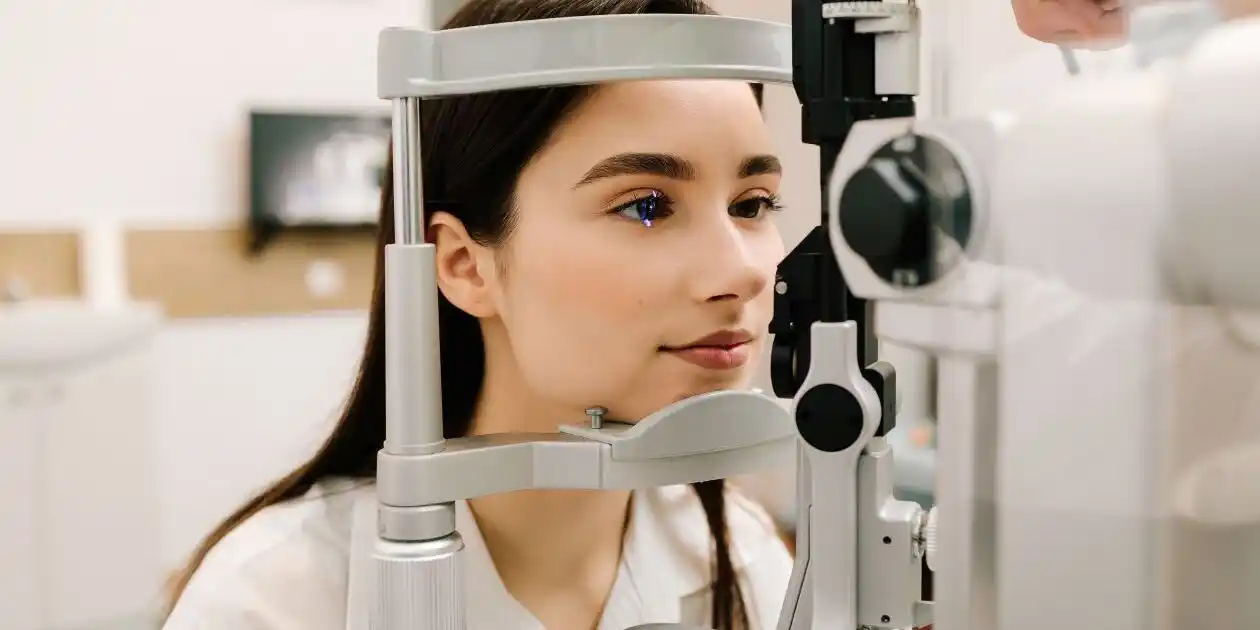
3) Dehydration and Electrolyte Imbalance From Gastrointestinal Side Effects
Zepbound commonly causes gastrointestinal adverse effects, especially during initiation and dose escalation. These can include:
- Nausea
- Vomiting
- Diarrhea
- Reduced appetite leading to low intake
If fluid intake drops or losses increase, you can develop relative dehydration. Dehydration can contribute to:
- Dry eye symptoms
- Headache and light sensitivity
- Orthostatic symptoms and generalized “visual fuzziness”
- Reduced tear film quality and intermittent blur
Typical features
- Blurry vision that improves after hydration
- Grittiness, burning, or foreign-body sensation
- Worse blur with screen time, wind exposure, air conditioning, or waking up
- Associated dizziness on standing or dark urine
Dehydration is often correctable, but persistent vomiting or inability to keep fluids down requires prompt medical attention due to broader risks beyond vision. It’s also important to note that Zepbound can lead to various eye side effects, including those related to dehydration.
Moreover, similar gastrointestinal side effects have been noted with other medications like Trulicity and Saxenda, which can also lead to serious vision side effects or worst vision side effects.
4) Dry Eye Disease and Ocular Surface Instability
Dry eye is a frequent, under-recognized cause of blur. It is also a cause that patients often misinterpret as “my eyesight is getting worse,” when the root issue is tear film instability.
Dry eye blur is often:
- Intermittent
- Worse at the end of the day
- Worse with contact lenses or prolonged screen use
- Improved by blinking, lubricating drops, or humidity changes
Why it can show up after starting Zepbound:
- Reduced fluid intake from nausea or appetite suppression
- Dietary shifts that change fatty acid intake
- More time indoors exercising or working, more screen time, or environmental changes
- Weight loss can sometimes coincide with hormonal shifts or sleep changes, affecting the ocular surface indirectly
Dry eye is not trivial. It affects daily function, driving comfort, and productivity. It is also treatable.
5) Changes in Blood Pressure, Migraine Patterns, or Autonomic Symptoms
Weight loss, reduced caloric intake, and changes in hydration can alter blood pressure dynamics. Some individuals experience:
- Lower baseline blood pressure
- Orthostatic hypotension
- Migraine pattern changes
Migraine-related visual symptoms can include:
- Blurry vision
- Scotomas (blind spots)
- Visual aura (zigzags, shimmering)
- Light sensitivity
If vision changes occur with severe headache (which could be a headache behind the eyes), neurologic symptoms, or new aura patterns, urgent evaluation is warranted.
6) Coincidental Eye Problems Unrelated to Zepbound (But Time-Linked)
Not all vision changes after starting a medication like Zepbound are caused by it. Common coincidental causes include:
- New or progressing refractive error (needing new glasses)
- Cataract progression (especially in older adults)
- Unrecognized glaucoma
- Corneal problems from contact lenses
- Eye infection or inflammation
- Retinal tear or detachment (requires urgent care)
- Optic neuritis or neurologic causes (requires urgent care)
The governance lesson here is repetition for emphasis: temporal association is not proof of causation. Your job is not to self-diagnose. Your job is to escalate appropriately and provide clean, structured information to your clinicians.
In some cases, weight loss due to medications such as Mounjaro or Saxenda can lead to vision loss or changes in vision, which may require further evaluation and potentially legal action if linked to the medication’s side effects.
How Often Does Zepbound Cause Blurry Vision?
Patients commonly ask for a simple frequency. A precise, individualized rate is difficult because:
- Clinical trials capture adverse events, but “blurry vision” may be variably reported.
- Vision changes are often secondary to metabolic shifts, dehydration, or pre-existing diabetic eye disease.
- Real-world populations differ from trial populations, especially regarding baseline retinopathy.
What is accurate and clinically useful is this:
- Blurry vision is not among the most common primary adverse effects of tirzepatide, which are predominantly gastrointestinal.
- Vision changes can occur, particularly in people with diabetes or those experiencing rapid glycemic change. For instance, Zepbound has been linked to blurry vision in some patients.
- Any sudden or severe visual change should be evaluated urgently regardless of assumed cause.
If you want a personalized risk estimate, the best inputs are:
- HbA1c history and expected rate of change
- Baseline retinal status (retinopathy stage, macular edema)
- Presence of dehydration risk from nausea, vomiting, or diarrhea
- Co-medications and contact lens use
- Migraine history and blood pressure profile
Urgent Red Flags: When Blurry Vision Is an Emergency
If any of the following occur, do not wait for a routine appointment.
Go to the emergency department or urgent ophthalmology evaluation if you have:
- Sudden vision loss in one or both eyes
- A curtain, veil, or shadow moving across your vision
- New flashes of light or a sudden increase in floaters
- Severe eye pain, redness, and nausea (possible acute angle-closure glaucoma)
- Double vision, slurred speech, facial droop, weakness, confusion (possible neurologic emergency)
- Severe headache with visual changes that are new, intense, or accompanied by neurologic deficits
- Eye trauma or chemical exposure
- Severe vomiting with inability to keep fluids down and concurrent vision changes (systemic instability)
The operational point is straightforward: some eye and neurologic conditions are time-dependent. Delayed care can mean permanent loss of function.
If you believe that your blurry vision is related to Zepbound, it may be worthwhile to explore potential legal avenues. There are ongoing discussions about filing a Zepbound vision loss lawsuit for those affected. If you were prescribed Zepbound and took it as directed and suffered Zepbound and Blurry Vision or other Zepbound eye problems, contact Zepbound Vision Loss Lawyer Timothy L. Miles today. You could be eligible for a Zepbound vision loss lawsuit and potentially entitled to substantial compensation. (855) 846–6529 or [email protected].
Non-Emergent, But Clinically Important: When to Contact Your Prescriber Within 24 to 72 Hours
Contact your Zepbound prescriber promptly if:
- Blur begins after a dose increase and persists beyond 48 to 72 hours
- Blur is accompanied by significant nausea, vomiting, diarrhea, or signs of dehydration
- You have diabetes and notice blur along with new floaters, new distortion, measurable glucose swings, or unexpectedly low readings
- Blur affects driving, work safety, or daily function
- You suspect hypoglycemia (sweating, tremor, confusion, palpitations) along with visual disturbance
Your prescriber may adjust:
- The titration schedule
- Supportive medications for nausea
- Hydration and nutrition strategies
- Diabetes medications if you are on other glucose-lowering agents
A Practical Self-Assessment Checklist (Use This Before You Call)
Clinicians make better decisions when the input is specific. Document the following.
Symptom profile
- Onset date and time
- Sudden versus gradual
- One eye or both eyes
- Near vision or distance vision
- Constant or fluctuating
- Associated symptoms (pain, redness, halos, headache, nausea, dizziness, floaters, flashes)
Medication context
- Current Zepbound dose and date of last injection
- Any recent dose escalation
- Any other medication changes (especially insulin, sulfonylureas, diuretics, antihypertensives)
- Recent changes in contact lens use, eye drops, supplements
Hydration and intake
- Approximate fluid intake daily
- Vomiting or diarrhea frequency
- Urine color and frequency
- Orthostatic symptoms
Glycemic context (if applicable)
- Diabetes diagnosis or prediabetes
- Recent home glucose readings and trends
- Most recent HbA1c and date
- Episodes of low blood sugar symptoms
Safety impact
- Difficulty driving at night
- Difficulty reading
- Falls, near-falls, workplace safety concerns
Bring this structured summary to your appointment or include it in your patient portal message.
The Zepbound, Glucose, and Vision Connection Explained Clearly
To understand why vision can blur during metabolic change, it helps to separate two domains:
- Refraction and the lens (focusing mechanics)
- The retina and its blood vessels (sensory tissue and microvascular integrity)
Refractive shifts from glucose variability
When glucose levels shift, fluid can move in and out of the lens, altering its curvature and refractive index. This can change your prescription temporarily. As glucose stabilizes, the lens stabilizes, and vision often returns closer to baseline.
Actionable implication: Avoid rushing to buy new glasses during a period of significant glucose change unless advised by an eye professional. A stable prescription often requires metabolic stability.
Retinal risk in established diabetic retinopathy
The retina is a high-metabolic-demand tissue with delicate capillaries. Longstanding hyperglycemia can weaken these vessels. Rapid improvements in glycemia can, in some individuals with pre-existing retinopathy, temporarily destabilize retinal disease.
Actionable implication: If you have diabetes, an eye exam is not optional housekeeping. It is risk governance.
If You Do Not Have Diabetes: Can Zepbound Still Cause Blurry Vision?
Yes, but the likely pathways differ.
In people without diabetes, blurred vision on Zepbound is more often linked to:
- Dehydration and dry eye
- Reduced caloric intake and transient physiologic adaptation
- Migraine pattern changes
- Coincidental refractive changes or eye disease unrelated to medication
However, two important points remain:
- Some individuals have undiagnosed prediabetes or glucose dysregulation that becomes visible when diet changes quickly.
- Even without diabetes, rapid weight loss and significant dietary shifts can influence blood pressure and hydration, both of which can affect visual quality. In fact, such rapid weight loss associated with medication like Zepbound has led to lawsuits over vision loss.
If you have no history of diabetes but develop persistent blurry vision, it is reasonable to discuss:
- Fasting glucose or HbA1c testingZepbound and Blurry Vision: An Authoritative Guide [2025]
- Blood pressure review
- Eye exam, especially if symptoms persist beyond a short adaptation window
Specific Populations: Tailored Risk Considerations
People with known diabetic retinopathy
- Obtain a baseline dilated retinal exam prior to or soon after starting therapy.
- Clarify the retinopathy stage and whether macular edema is present.
- Ask your clinician for a follow-up interval that reflects your risk, not a generic annual schedule.
People on insulin or sulfonylureas
Tirzepatide alone has low hypoglycemia risk, but combinations can increase risk depending on your regimen. Hypoglycemia can cause visual disturbance, confusion, and safety hazards.
- Review your diabetes medications proactively.
- Use home glucose monitoring as directed.
- Do not ignore symptoms that sound like low blood sugar.
Contact lens wearers
Dry eye and tear film changes can degrade lens tolerance and visual clarity.
- Reduce lens wear time during symptomatic periods.
- Consider preservative-free lubricating drops compatible with contact lenses.
- Seek evaluation if redness, pain, or light sensitivity develops.
Older adults
Cataract progression, glaucoma, vascular events, and medication interactions become more common with age.
- Do not assume blur is a benign side effect.
- Prioritize a dilated exam and intraocular pressure measurement.
People with migraine
Track whether attacks or aura patterns change around injection timing, dehydration, or meals. New or severe neurologic symptoms require urgent evaluation.

What to Do Right Now: A Tiered Action Plan
Step 1: Screen for emergency features
Use the red flag list above. If present, seek urgent care.
Step 2: Stabilize hydration and intake safely
If you are experiencing nausea or reduced intake:
- Sip fluids consistently throughout the day.
- Use oral rehydration solutions if diarrhea is present.
- Avoid excessive caffeine or alcohol, which can worsen dehydration.
- Discuss anti-nausea strategies with your prescriber rather than simply “pushing through.”
If you cannot keep fluids down, seek prompt medical care.
Step 3: Check glucose if you have diabetes, and consider checking if you are high risk
- If you have diabetes: check glucose trends and document readings.
- If you have symptoms of hypoglycemia: treat per your clinician’s plan and seek guidance.
- If you are high risk (history of gestational diabetes, strong family history, prediabetes): consider discussing home monitoring or lab evaluation.
Step 4: Do not self-adjust Zepbound without clinician guidance
Stopping or changing dose without a plan can destabilize weight management and, in diabetes, destabilize glycemia. If vision symptoms are significant, your prescriber can decide whether to:
- Pause escalation
- Hold a dose temporarily
- Slow titration
- Address contributing factors (hydration, nutrition, co-medications)
Step 5: Arrange the correct eye evaluation
For persistent blur, schedule with:
- Optometrist for refraction and ocular surface evaluation, or
- Ophthalmologist if you have diabetes, retinal risk, or red-flag features
If you have diabetes and blur persists, a dilated retinal exam is prudent.
Clinician-Facing Discussion: Questions Worth Asking at Your Appointment
Use these questions to drive a high-quality clinical conversation:
- “Given my HbA1c and expected rate of change, do I need an earlier retinal exam?”
- “Do I have any history or signs of diabetic retinopathy or macular edema?”
- “Should we slow my titration schedule to reduce rapid metabolic swings?”
- “Are any of my other medications increasing dehydration, hypotension, or hypoglycemia risk?”
- “Should I monitor glucose temporarily, even if I do not have diagnosed diabetes?”
- “Could this be dry eye, and what is the recommended treatment plan?”
- “At what symptom threshold should I stop driving and seek urgent care?”
These questions emphasize proactive monitoring, risk stratification, and shared decision-making.
If you were prescribed Zepbound and took it as directed and suffered Zepbound and Blurry Vision or other Zepbound eye problems, contact Zepbound Vision Loss Lawyer Timothy L. Miles today. You could be eligible for a Zepbound vision loss lawsuit and potentially entitled to substantial compensation. (855) 846–6529 or [email protected].
Eye Exams and Timing: A Practical Schedule Framework
Your exact schedule should be individualized, but the following framework is clinically rational.
If you do not have diabetes and have no retinal risk factors
- Routine eye exams per standard recommendations.
- Earlier evaluation if blur persists beyond 1 to 2 weeks, worsens, or impacts safety.
If you have prediabetes or suspected glucose dysregulation
- Consider baseline eye exam if not done recently.
- Discuss lab monitoring (HbA1c, fasting glucose).
- Escalate sooner if blur fluctuates with dietary changes or injection timing.
If you have diabetes without known retinopathy
- Baseline dilated eye exam if not current.
- Follow-up per eye professional guidance, often annually, but earlier if symptoms arise or HbA1c shifts rapidly.
If you have diabetes with known retinopathy
- Baseline status documented.
- Follow-up interval often shorter than annual, depending on severity.
- Coordinate between prescriber and ophthalmology if glycemia is changing quickly.
The “Should I Stop Zepbound?” Decision, Framed Correctly
This decision should be made with your prescriber, but the reasoning should be structured, not emotional.
Zepbound should be paused or urgently reviewed when:
- Vision loss is sudden or severe
- You have retinal detachment warning signs
- You have severe dehydration or cannot tolerate intake
- You have suspected severe hypoglycemia due to medication interactions
- There is concern for acute eye pathology needing immediate treatment
Zepbound may be continued with monitoring when:
- Blur is mild, fluctuating, and correlates with hydration or glucose stabilization
- Eye evaluation suggests dry eye or temporary refractive shift
- You have a clear plan for follow-up and symptom thresholds
The governance principle repeats because it matters: do not treat blurry vision as “normal,” and do not treat it as “proof of danger.” Treat it as a signal requiring structured evaluation.
Prevention: Proactive Measures That Reduce the Probability of Vision Issues
Prevention is not a single tactic. It is a system.
1) Avoid extreme caloric restriction during titration
Rapid metabolic swings increase the chance of symptomatic fluctuations. A steady, clinician-aligned nutrition plan typically produces more stable results.
2) Prioritize hydration and electrolyte strategy
Especially during dose escalation weeks:
- Set a daily fluid target appropriate for you.
- Include electrolytes if you have diarrhea or heavy sweating.
- Monitor urine color and orthostatic symptoms.
3) Track symptoms in relation to injection day and dose changes
A simple log can reveal patterns:
- Day 1 to 3 after injection: nausea, low intake, dehydration risk
- Post-meal fluctuations: possible glucose-related blur
- End-of-day worsening: dry eye pattern
4) Schedule eye care as part of the weight management plan
Do not treat ophthalmology as separate from metabolic health. Integrate it.
5) If you have diabetes, coordinate glycemic targets and pace
If HbA1c is expected to drop quickly, confirm:
- Retinal status
- Follow-up plan
- Medication adjustments to avoid hypoglycemia
Common Scenarios and What They Usually Mean
Scenario A: “My vision gets blurry on and off, especially when I’m nauseated and barely eating.”
Most likely contributors:
- Dehydration
- Dry eye
- Blood pressure variability
- Glucose fluctuation in susceptible individuals, which can lead to refractive changes in diabetes patients
Next steps:
- Hydration and symptom log
- Contact prescriber if persistent or worsening
- Consider eye exam if not improving
Scenario B: “I have diabetes, and within weeks of starting Zepbound, my vision is consistently worse.”
Most likely contributors:
- Glucose-related refractive change
- Retinopathy changes, especially if retinopathy already existed
Next steps:
- Check glucose trends and HbA1c trajectory
- Arrange dilated retinal exam promptly
- Coordinate with diabetes clinician
Scenario C: “Sudden flashes and floaters after starting Zepbound.”
Most likely contributors:
- Not medication-specific; could be retinal tear/detachment or posterior vitreous detachment. For instance, Zepbound has been associated with eye floaters, which should be discussed with a healthcare professional.
Next steps:
Scenario D: “Blur with eye pain, redness, halos around lights, nausea.”
Most likely contributors:
Next steps:
- Emergency evaluation
How to Communicate With Your Care Team Efficiently (Template Message)
If you are messaging your clinician, you can use a format like this:
Subject: Blurry vision after starting Zepbound (tirzepatide)
Body:
- Zepbound dose: ___ mg weekly; started on (date) ___; last injection (date) ___
- Symptom onset: (date/time) ___; sudden/gradual: ___; one eye/both: ___
- Pattern: near/distance; constant/fluctuating; worse at (time/after meals/on injection day) ___
- Associated symptoms: eye pain/redness/halos: ___; headache: ___; floaters/flashes/curtain: ___; nausea/vomiting/diarrhea: ___; dizziness: ___
- Hydration/intake: approx fluids/day ___; vomiting/diarrhea frequency ___; urine color ___
- Diabetes status: none/prediabetes/type 2; recent glucose readings ___; last HbA1c ___ on (date) ___
- Safety impact: driving/work issues _
Question: Do you recommend urgent eye evaluation due to the Zepbound-related eye issues, medication adjustment, or labs/glucose monitoring?
If you were prescribed Zepbound and took it as directed and suffered Zepbound and Blurry Vision or other Zepbound eye problems, contact Zepbound Vision Loss Lawyer Timothy L. Miles today. You could be eligible for a Zepbound vision loss lawsuit and potentially entitled to substantial compensation. (855) 846–6529 or [email protected].
If you were prescribed Zepbound and took it as directed and suffered Zepbound and Blurry Vision or other Zepbound eye problems, contact Zepbound Vision Loss Lawyer Timothy L. Miles today. You could be eligible for a Zepbound vision loss lawsuit and potentially entitled to substantial compensation. (855) 846–6529 or [email protected].

Frequently Asked Questions (Patient-Centered, Clinically Grounded)
Does Zepbound directly damage the eyes?
There is no credible clinical basis to frame tirzepatide as directly “toxic” to the eye in the way some medications can be. Vision changes are more plausibly linked to glucose dynamics, dehydration, ocular surface issues, or underlying retinal disease, particularly in diabetes.
Will Zepbound and Blurry Vision go away if it is caused by glucose changes?
Often, yes, as metabolic parameters stabilize. However, you should not assume this without appropriate evaluation, especially if you have diabetes or symptoms are persistent.
Should I get new glasses immediately?
If blur started during rapid metabolic change, your prescription may be transiently unstable. An eye professional can advise the right timing. If your work and safety require clear vision, temporary measures may still be appropriate.
If I have diabetic retinopathy, does that mean I cannot take Zepbound?
Not necessarily. It means you should treat retinal monitoring as a core safety requirement, with proactive scheduling and close symptom surveillance.
What if my clinician dismisses the symptom?
Escalate respectfully and specifically. Vision affects safety. Ask for:
- A clear plan with timelines
- An eye referral if needed
- Guidance on when to seek urgent care
Neutral persistence is appropriate when sensory function changes.
What causes Zepbound and Blurry Vision?
Blurry vision during Zepbound therapy is often linked to rapid changes in blood glucose levels, dehydration, dry eye, or medication timing. Tirzepatide affects metabolic and gastrointestinal functions, which can indirectly influence eyesight, especially in individuals with diabetes, prediabetes, or a history of diabetic retinopathy.
Is Zepbound and Blurry Vision normal or should I be concerned?
Mild, fluctuating blurry vision can occur as a benign effect related to metabolic changes on Zepbound. However, urgent medical evaluation is necessary if you experience sudden vision loss, severe eye pain, curtain-like shadows, new flashes or many floaters, severe headaches with neurological symptoms, or signs of stroke.
How does tirzepatide’s mechanism of action relate to changes in vision?
Tirzepatide is a dual incretin receptor agonist acting on GLP-1 and GIP receptors that regulate appetite, gastric emptying, insulin secretion, and glucagon release. These systemic effects can alter hydration patterns and glycemic parameters affecting the eye’s focusing ability and vascular integrity, potentially causing vision fluctuations.
Who is at higher risk for experiencing vision changes while on Zepbound?
Individuals with type 2 diabetes, prediabetes, previously unrecognized glucose dysregulation, significant caloric or carbohydrate reduction, rapid weight loss, or a history of diabetic retinopathy are more susceptible to vision changes during Zepbound therapy due to their sensitivity to blood glucose fluctuations.
What types of Zepbound and Blurry Vision patterns should prompt immediate medical attention?
Blur accompanied by pain, redness, halos around lights, nausea; flashes or floaters; a curtain-like shadow over vision; headaches with scalp tenderness or jaw pain—especially in older adults—are red flags requiring urgent evaluation to rule out retinal issues or vascular emergencies.
How should patients monitor and manage Zepbound and Blurry Vision?
Patients should track the pattern of their blurry vision (near vs. distance blur; fluctuating vs. persistent), note any accompanying symptoms like pain or visual disturbances, maintain regular communication with their prescribing clinician and eye care professional for structured assessment and monitoring. Promptly report any alarming signs for early intervention.
A Forward-Looking Perspective: Why This Matters Beyond One Symptom
Zepbound represents a broader shift in metabolic medicine: more effective therapies, earlier intervention, and larger population impact. With that progress comes responsibility. The responsibility is not merely individual adherence. The responsibility is structured monitoring, transparent reporting, and early escalation of adverse signals.
Blurry vision is one such signal. For many patients, it will be transient and manageable. For a smaller subset, it may be the first visible indicator of a condition that requires urgent treatment. The difference is not luck. The difference is systems.
Systems look like:
- Baseline data before therapy
- Predictable follow-up intervals
- Clear red-flag criteria
- Coordinated care between prescribers and eye professionals
- Patient education that prioritizes action over anxiety
Summary: What to Remember and What to Do Next
- Blurry vision while taking Zepbound (tirzepatide) can occur and is most often linked to glucose shifts, dehydration, dry eye, or underlying diabetic eye disease, rather than direct ocular toxicity.
- Emergency symptoms include sudden vision loss, curtain/shadow, new flashes/floaters, severe eye pain with redness and nausea, or neurologic deficits. Seek urgent care immediately.
- If you have diabetes, do not rely on guesswork. Arrange a dilated retinal exam and coordinate monitoring when glycemic control is improving rapidly.
- Do not self-adjust your dose without clinician guidance. Instead, document symptoms, hydration, and glucose patterns, then contact your prescriber with a structured summary.
If you want the most practical next step: write down your symptom pattern and timing, stabilize hydration, check glucose if relevant, and arrange an eye evaluation if symptoms persist or interfere with safety.
If You Suffered from Zepbound Vision Side Effects or Other Zepboound Vision Problems, Contact Zepbound Vision Loss Lawyer Timothy L. Miles Today
If you were prescribed Zepbound and took it as directed and suffered Zepbound and Blurry Vision or other Zepbound eye problems, contact Zepbound Vision Loss Lawyer Timothy L. Miles today. You could be eligible for a Zepbound vision loss lawsuit and potentially entitled to substantial compensation. (855) 846–6529 or [email protected].
Timothy L. Miles, Esq.
Law Offices of Timothy L. Miles
Tapestry at Brentwood Town Center
300 Centerview Dr. #247
Mailbox #1091
Brentwood,TN 37027
Phone: (855) Tim-MLaw (855-846-6529)
Email: [email protected]
Website: www.classactionlawyertn.com
Facebook Linkedin Pinterest youtube
