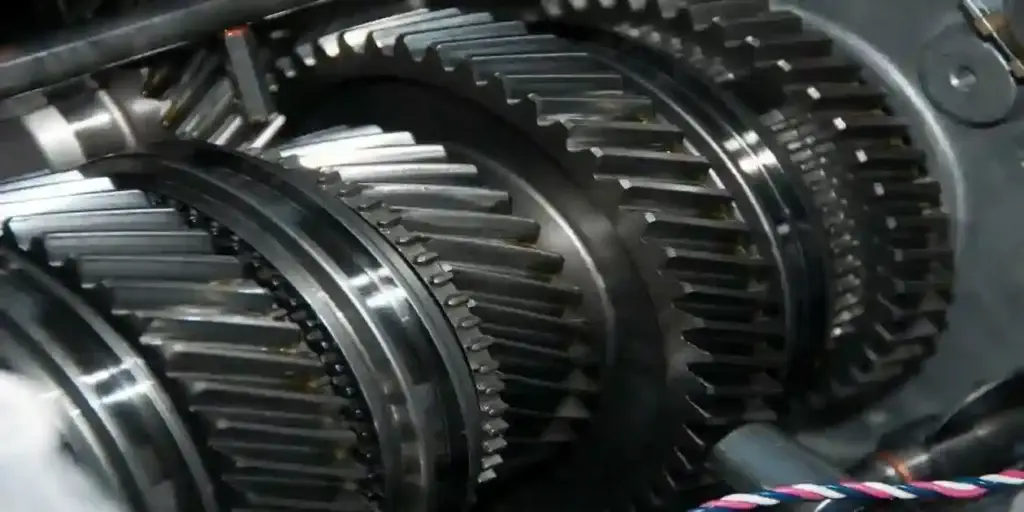
Introduction to the Defective GM Transmission Problems
If you are dealing with defective GM transmission problems, then you have reached your final destination. GM transmissions have improved substantially over the last decade, but consumer complaints, technical service bulletins, and recurring repair patterns still point to a clear reality: some GM automatic transmissions continue to generate costly, safety relevant, and frustrating failures. If you own a GM vehicle and you are experiencing harsh shifting, shudder, delayed engagement, or a sudden loss of propulsion, you may be dealing with defective GM transmission problems that warrant immediate documentation and a structured response.
This consumer update explains what drivers are reporting, which transmissions are most frequently implicated, how symptoms typically present, what to do if your vehicle is still under warranty, and how to protect your position if you are pursuing a buyback, reimbursement, or other relief.
If you drive a Chevrolet, GMC, or Cadillac with a defective GM Transmission and you have experienced defective transmission issues like shuddering, jerking, slipping, or had repair work done, call GM Transmission Lawyer Timothy L. Miles today for a free case evaluation as you may qualify for a GM Transmission Lawsuit and could potentially be entitled to compensation. (855) 846–6529 or [email protected].

What “Defective GM Transmission Problems” Usually Mean
A transmission can be “defective” in several ways. From a consumer standpoint, defective GM transmission problems typically refer to conditions that are repeatable, abnormal for the mileage, and expensive to remedy, including:
- Torque converter shudder and vibration under light throttle.
- Harsh shifts (notably 1 to 2, 2 to 3, or 3 to 4) that feel like a bump or slam.
- Delayed engagement when shifting into Drive or Reverse.
- Gear hunting at steady speeds, often described as constant micro shifting.
- Transmission slipping, flare, or inconsistent RPM behavior.
- Loss of propulsion or reduced power events tied to transmission operation.
- Premature component wear requiring rebuild, valve body replacement, or full transmission replacement.
A key point for consumers is that symptoms may come and go. Many owners report that the vehicle drives “normally” after a fluid exchange or a software update, only for the shudder or harsh shifting to return later. That cycle is a hallmark of many defective GM transmission problems because it complicates diagnosis and delays decisive repairs.
In addition to these issues with GM transmissions, it is important to stay informed about potential legal actions related to defective products. For instance, there have been recent updates regarding Dupixent lawsuits which could provide valuable insights into handling similar situations with other products. Furthermore, if you are experiencing any vision problems potentially linked to medications such as Trulicity or Zepbound, it is crucial to seek immediate medical advice. These medications have been associated with vision problems and Zepbound vision issues, which could be serious.
Why This Issue Still Matters in 2026
In 2026, the reason the topic remains urgent is not merely inconvenience. The operational risks can include unpredictable acceleration behavior, hesitation in intersections, and drivetrain events that distract the driver. The financial risk is also significant because many transmission repairs fall into the “high dollar” category once the vehicle is out of warranty.
Additionally, the modern transmission system is no longer a purely mechanical assembly. It is an integrated network involving:
- The transmission hardware.
- The torque converter.
- The valve body and solenoids.
- The transmission control module logic and calibration.
- Fluid specification and temperature management.
As a result, defective GM transmission problems can be caused by a single failing part, an interaction between parts, or a calibration that does not manage wear or heat effectively over time.
GM Transmissions Most Frequently Mentioned by Consumers
GM has used a wide range of automatic transmissions across Chevrolet, GMC, Cadillac, and Buick. While not every vehicle experiences defects, several transmission families are repeatedly raised in consumer discussions and repair narratives.
8-Speed Automatics (Commonly Discussed)
GM’s 8-speed automatic family is frequently associated with:
- Shudder under light acceleration.
- Rumbling or vibration at highway speeds.
- Shift harshness in lower gears.
A common consumer storyline is that a fluid service or updated fluid specification temporarily improves the condition, but the shudder later returns. For owners, this pattern is important because it helps establish recurrence, which is central to proving defective GM transmission problems in a warranty or dispute context.
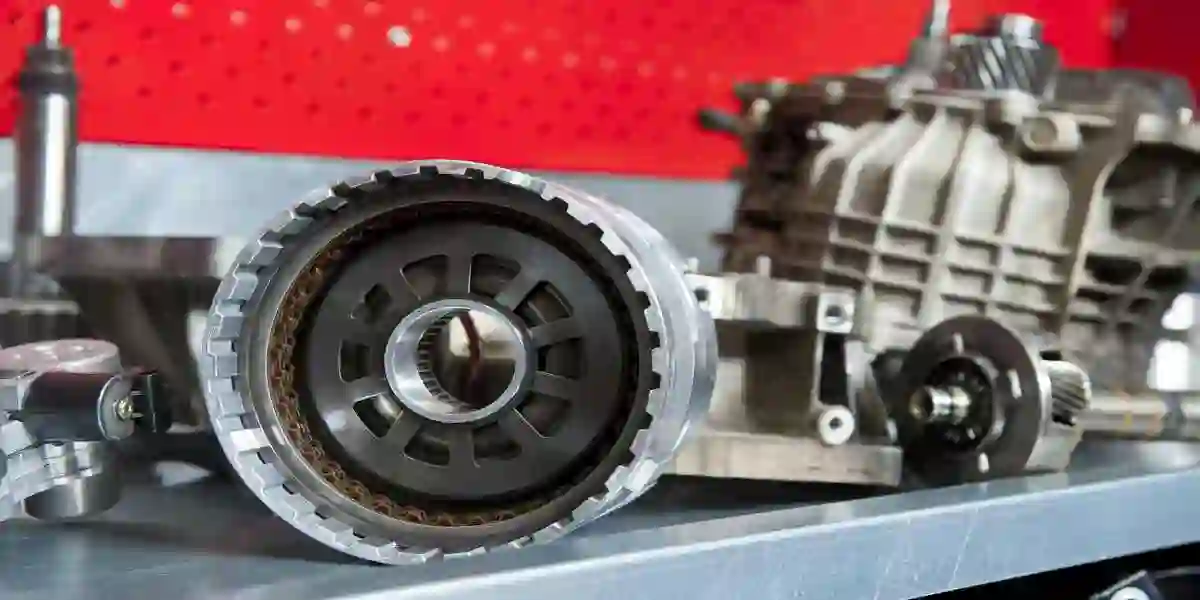
6-Speed Automatics (Ongoing Complaint Themes)
Many GM vehicles equipped with 6-speed automatics have generated complaints about:
- Hard shifts and shift flare.
- Hesitation when accelerating from a stop.
- Converter related symptoms and premature wear.
Some vehicles also exhibit behavior that drivers interpret as “slipping” or “searching” for gears, especially under load or towing conditions.
10-Speed Automatics (Mixed Reports)
The 10-speed transmissions used in certain trucks and performance applications have a mixed reputation. Many owners report strong performance, but complaints still exist regarding:
- Harsh or abrupt shifts at low speed.
- Calibration related behavior that feels inconsistent.
- Occasional clunking on downshifts or during stop and go operation.
The consumer takeaway is not that every 10-speed is defective. The takeaway is that drivers should treat repeatable abnormal shifting as a documentable event and not assume it is “normal truck behavior” if it is sudden, worsening, or causing safety concerns.
The Most Common Symptoms to Watch For
Owners often struggle to describe symptoms in technical language. The best approach is to use simple, consistent descriptions and record the conditions under which they occur.
Below are the symptoms most commonly associated with defective GM transmission problems.
1) Torque Converter Shudder
This is often described as:
- Driving over rumble strips.
- A vibration through the seat or floor.
- A “buzz” during light throttle between roughly 30 and 80 mph.
Shudder is frequently intermittent. That is why video evidence and a written log can be more persuasive than a single service visit note that states, “Could not duplicate.”
2) Harsh Shifting and Bumping
Harsh shifting typically appears as:
- A “slam” into gear.
- A jolt during 1 to 2 upshifts.
- A bump when coming to a stop or when downshifting.
Many owners report that harsh shifting is worse when cold, worse in stop-and-go traffic, or worse after prolonged highway driving. All three conditions are worth documenting.
3) Delayed Engagement Into Drive or Reverse
This symptom matters because it can create a safety issue in parking lots, driveways, and intersections. The pattern often looks like:
- Shift into Drive.
- Vehicle hesitates for one to three seconds.
- Engagement occurs abruptly.
If you experience this, request that the dealer documents it explicitly. “Delayed engagement” is clearer than “acts weird.”
4) Slipping, Flare, or RPM Surges
Slipping symptoms often include:
- RPM rises without a corresponding increase in speed.
- A momentary loss of power followed by a harsh catch.
- Inconsistent acceleration under steady throttle.
Even one documented incident can be important, especially if it occurs during merging or passing.
5) Warning Lights or Reduced Power Events
Some defective GM transmission problems occur without a check engine light. Others trigger warnings, limp mode, or reduced propulsion messages. If this happens:
- Photograph the dashboard warning immediately.
- Note speed, temperature, and road conditions.
- Request a printout of diagnostic trouble codes.
What Causes These Transmission Issues (In Practical Terms)
Consumers do not need to become transmission engineers, but understanding the usual failure categories helps you communicate effectively with the service department and avoid vague outcomes.
Common root cause categories include:
- Torque converter clutch wear leading to shudder.
- Valve body wear or sticking valves causing harsh shifts or delayed engagement.
- Solenoid performance issues affecting pressure control and shift timing.
- Fluid degradation or wrong fluid characteristics contributing to shudder and heat related wear.
- Calibration strategies that may amplify harshness, hunting, or converter cycling.
In many real-world cases, the “cause” is not proven conclusively without teardown. From a consumer perspective, you should focus on repeatability, severity, safety impact, and repair history because those are the factors that most strongly support a claim that defective GM transmission problems are present.
How Dealership Diagnosis Often Plays Out (And How to Prepare)
Many owners report that the first visit results in one of the following outcomes:
- “Operating as designed.”
- “Could not duplicate.”
- A software update, adaptive reset, or relearn procedure.
- A fluid service or flush.
- A recommendation to “monitor it.”
These steps are not inherently improper. However, if the condition returns, you should treat the recurrence as your strongest evidence. If you are experiencing defective GM transmission problems, the pattern matters as much as the symptom.
In such situations, it may be beneficial to consult with legal professionals who practice cases involving defective products. For instance, recent updates in lawsuits related to Dupixent could provide insights into how similar cases have been handled.
A Documentation Checklist That Helps Consumers Win Disputes
If you want to protect yourself, keep a file that includes:
- Repair orders for every visit, even if no repair was performed.
- Video recordings of shudder or harsh shifting with speed and RPM visible if possible.
- A driving log noting date and mileage, temperature and road conditions, speed range and throttle level, and the exact symptom and how long it lasted.
- Receipts for any out of pocket expenses, including rental cars and towing.
- Written communications with the dealer or GM customer assistance.
This documentation is central if you later pursue arbitration, reimbursement, or a lemon law claim tied to defective GM transmission problems.
Warranty Coverage: What to Know Before You Pay
Transmission repairs can be expensive. Before approving any major work, confirm whether you are within the powertrain warranty period for your vehicle, whether your vehicle has extended coverage through a GM protection plan or third-party service contract, and whether the dealer is diagnosing a warrantable defect or labeling it as “wear” or “maintenance.”
If you are close to the mileage limit, do not delay. A documented complaint before warranty expiration can be important, even if the final repair happens later.
If the dealer recommends a fluid exchange and you are under warranty, ask that the repair order states the symptom clearly, for example: “Customer states torque converter shudder at 45 to 65 mph.” That phrasing ties the service directly to the alleged defective GM transmission problems.

Technical Service Bulletins Versus Recalls: Why the Distinction Matters
Consumers often assume that widespread complaints automatically lead to a recall. That is not how the system works.
- A recall is typically issued when there is a safety defect or noncompliance with a safety standard.
- A technical service bulletin (TSB) is a manufacturer guidance document that helps dealers diagnose or repair known issues. A TSB does not automatically mean the repair is free, and it does not guarantee a recall.
If your dealer references a bulletin, request the bulletin number and ask whether the repair is covered under warranty. In many defective GM transmission problems, bulletin guided repairs are the standard first step.
Paying Out of Pocket: Steps That Reduce Financial Risk
If you are outside warranty and facing a major repair, you still have options that reduce your risk of overpaying or accepting an incomplete fix.
Get a Precise Estimate, Not a Range
Ask for a written estimate that separates:
- Parts.
- Labor.
- Diagnostic fees.
- Fluid and shop supplies.
- Taxes and disposal fees.
Transmission work can vary widely based on whether the dealer is proposing a valve body replacement, torque converter replacement, or a full unit replacement. Clear line items prevent misunderstandings.
Ask Whether the Replacement Unit Is New, Remanufactured, or Used
The terms matter. New, remanufactured, and salvage units carry different warranties and different risk profiles. If you are dealing with defective GM transmission problems, a remanufactured unit may incorporate updated components, but you should confirm what warranty is provided in writing.
Keep All Replaced Parts When Possible
In some jurisdictions, you can request the return of replaced parts unless a core charge applies. Even if you do not keep them, the request itself signals that you are documenting the case carefully.
Safety Considerations: When to Stop Driving
Not every symptom requires immediate towing. However, you should treat these conditions as “stop driving” triggers:
- Loss of propulsion in traffic.
- Severe slipping that prevents normal acceleration.
- Sudden refusal to shift out of a gear.
- Burning smell, smoke, or visible fluid leakage.
- Warning messages paired with reduced power that creates unsafe merging behavior.
If the vehicle cannot be driven safely, arrange towing and document the event. Safety related incidents strengthen the seriousness of defective GM transmission problems in any complaint process.
How to File a Strong Consumer Complaint
If your concerns are not being resolved through the dealer, escalation is often necessary. A strong complaint is specific, chronological, and evidence-based.
Include:
- Vehicle year, make, model, trim.
- VIN (in private communications).
- Current mileage.
- Symptom description with speed ranges and conditions.
- Repair visit history with dates and outcomes.
- The impact on safety, reliability, and value.
You can file complaints through consumer protection channels and safety regulators in your jurisdiction. If you are in the United States, many consumers also consider reporting patterns to NHTSA when symptoms create a potential safety risk. The goal is not drama. The goal is record creation and accountability regarding defective GM transmission problems.
Lemon Law and Buyback Basics (General Consumer Guidance)
Lemon law standards vary by state and country. In general terms, a case is stronger when:
- The issue is reported early and repeatedly.
- The manufacturer is given a reasonable number of repair attempts.
- The vehicle has substantial impairment of use, value, or safety.
- Documentation is complete and consistent.
If you believe you have a lemon law eligible vehicle, consult a qualified attorney like Timothy L. Miles provides a free case evaluation and takes all cases on a contigency fee basisWhat Is the Possible Compensation in a GM Transmission Lawsuit? [2026]. From a practical standpoint, the same documentation principles apply regardless of the legal pathway: repeated symptoms plus clear repair history is the foundation of most claims involving defective GM transmission problems.
Practical Tips to Communicate With the Service Department
Service outcomes often depend on clarity. Use language that ties your experience to measurable conditions.
Instead of: “My transmission is bad.”
Use:
- “Shudder at 50 to 65 mph under light throttle, feels like driving on rumble strips.”
- “Delayed engagement into Drive after cold start, two seconds before movement.”
- “Harsh 1 to 2 shift when rolling stop, repeatable in neighborhood driving.”
Also ask the advisor to include the exact words on the repair order. If the repair order is vague, your history becomes vague, and that weakens future steps related to defective GM transmission problems.
Preventive Measures That Can Help, Without Masking Defects
Consumers often ask whether maintenance can prevent transmission failure. Good maintenance can reduce stress and improve longevity, but it should not be used to excuse abnormal behavior.
Proactive measures that are generally reasonable include:
- Follow the correct fluid specification for your transmission.
- Avoid aggressive towing beyond rated capacity.
- Address shudder and harsh shifting early, not after months of worsening symptoms.
- Do not ignore leaks, overheating, or repeated adaptive resets.
The forward-looking point is simple: early action reduces cost, reduces risk, and improves the odds of a warranty-level resolution for defective GM transmission problems.
However, it’s important to note that some issues may not be solely related to the vehicle’s mechanical aspects. For instance, there have been instances where certain vehicles have been linked to vision problems for their drivers. This highlights the necessity for thorough investigations into all reported issues with a vehicle.
A 2026 Action Plan for Owners Experiencing GM Transmission Issues
If you suspect defective GM transmission problems, a structured plan is more effective than repeated informal visits.
- Document symptoms for two weeks with dates, mileage, and conditions.
- Schedule a dealer visit and request a road test with a technician if possible.
- Insist on precise repair order language that reflects your symptom.
- Keep all paperwork and request code printouts if diagnostics are performed.
- Return promptly if the symptom recurs, and reference the prior repair order number.
- Escalate through GM customer assistance if repeat visits do not resolve the issue.
- Consider a second opinion from a reputable transmission specialist if you are out of warranty.
- Seek legal guidance if repeated repairs, long downtime, or safety events continue.
This approach is not adversarial. It is disciplined. It is how consumers protect themselves when defective GM transmission problems are difficult to reproduce on demand.
Closing Perspective: Clarity, Consistency, and Proactive Pressure
Defective transmissions are rarely resolved by guesswork. They are resolved by evidence, repeatability, and persistence. In 2026, the most effective consumer strategy is to treat transmission symptoms as a formal reliability and safety issue from the first day they appear.
If your vehicle is shuddering, slamming into gear, hesitating to engage, or losing propulsion, do not normalize it. Document it. Report it. Repair it. Escalate it when necessary. That is how owners turn defective GM transmission problems from a private frustration into a solvable, accountable outcome.

FAQs (Frequently Asked Questions)
What are common symptoms of defective GM transmission problems?
Common symptoms include torque converter shudder and vibration under light throttle, harsh shifts (especially between gears 1 to 2, 2 to 3, or 3 to 4), delayed engagement when shifting into Drive or Reverse, gear hunting at steady speeds, transmission slipping or inconsistent RPM behavior, loss of propulsion or reduced power events, and premature component wear requiring major repairs.
Which GM automatic transmissions are most frequently associated with defects?
The GM 8-speed automatic transmissions are commonly reported for shudder under light acceleration and shift harshness. The 6-speed automatics frequently have complaints about hard shifts, hesitation during acceleration, and premature torque converter wear. The 10-speed automatics have mixed reports but some owners experience harsh shifts at low speeds and occasional clunking during stop-and-go operation.
Why do defective GM transmission problems persist despite improvements over the last decade?
Defective GM transmission problems persist due to the complex integration of hardware components like the torque converter, valve body, solenoids, transmission control module logic, calibration issues, fluid specifications, and temperature management. Failures can arise from a single part or interactions between components that complicate diagnosis and repair.
What should I do if my GM vehicle is exhibiting signs of transmission defects and is still under warranty?
If your vehicle shows repeatable symptoms such as harsh shifting or shuddering while still under warranty, you should immediately document the issues with detailed descriptions and seek service through an authorized GM dealer. Keeping records helps protect your position for warranty repairs or potential buybacks or reimbursements.
How can I protect myself if I am pursuing relief for defective GM transmission problems?
To protect your position when pursuing buyback, reimbursement, or other relief options, consistently document all symptoms with dates and conditions. Maintain service records including any fluid exchanges or software updates attempted. This documentation is critical in demonstrating recurrence and abnormality relative to mileage and expected performance.
Are there safety risks associated with defective GM transmissions in 2026?
Yes. Defective transmissions can cause unpredictable acceleration behavior, hesitation at intersections, sudden loss of propulsion, and drivetrain events that distract drivers. These operational risks pose serious safety concerns beyond mere inconvenience and emphasize the importance of timely diagnosis and repair.
Contact GM Transmission Lawyer Timothy L. Miles for a Free Case Evaluation
