Introduction to Zepbound Eye Problems Update: Vital Patient Guide
Introduction to this authoritative Zepbound Eye Problems Update. Zepbound (tirzepatide) is a prescription medicine approved for chronic weight management in adults who meet specific clinical criteria. As use has expanded, many patients have asked a focused question: Can Zepbound cause eye problems, and what should I do if I notice vision changes?
This guide provides a practical, clinically grounded update on potential eye-related concerns, what is known versus what is assumed, who is at higher risk, and the exact actions patients should take to protect vision while staying on track with safe weight loss. The goal is not alarm. The goal is governance: early recognition, clear escalation pathways, and disciplined follow-through.
If you were prescribed Zepbound and took it as directed and suffered Zepbound Eye Problems, Zepbound vision loss or other serious Zepbound Vision Side Effects, contact Timothy L. Miles, a Zepbound Vision Loss Lawyer today. You could be eligible for a Zepbound vision loss lawsuit and potentially entitled to substantial compensation. (855) 846–6529 or [email protected].

What Zepbound Is and Why Eye Symptoms Come Up
Zepbound contains tirzepatide, a dual incretin agonist that targets GLP-1 (glucagon-like peptide-1) and GIP (glucose-dependent insulinotropic polypeptide) receptors. It supports weight loss through appetite regulation, delayed gastric emptying, and metabolic effects that can improve insulin sensitivity and glycemic control.
Eye questions arise for three main reasons:
- Metabolic changes can affect the eye. Rapid shifts in glucose levels can temporarily change the eye’s focusing ability and, in people with diabetes, may influence diabetic retinopathy dynamics.
- GLP-1–based therapies have been studied alongside retinal outcomes in diabetes populations. These data are often discussed online without clear separation between different drugs, different diseases, and different risk profiles.
- Patients report symptoms. Real-world experiences such as blurred vision, “floaters,” and dry eye discomfort lead to understandable concern, especially when symptoms appear soon after starting or increasing a dose.
The most important framing is this: Not every visual symptom that occurs during Zepbound therapy is caused by Zepbound. However, new eye symptoms should always be treated as clinically meaningful until evaluated.
For those experiencing concerning visual symptoms while on Zepbound, it’s crucial to understand the potential eye side effects associated with the medication, as well as the specific eye problems that may arise.
The Eye Problems Patients Most Commonly Report
Patients discussing Zepbound eye problems usually refer to one of the following:
1) Blurred vision or “difficulty focusing”
This can be intermittent, mild to moderate, and sometimes occurs around dose escalation or during periods of reduced food intake and dehydration.
Common non-dangerous contributors include:
- Temporary refractive changes from metabolic shifts (more common in people with diabetes or prediabetes).
- Dry eye from dehydration, reduced blinking, or environmental factors.
- Migraine-related visual disturbance in susceptible individuals.
What matters is pattern and severity. Blur that is mild and improving is different from blur that is sudden, worsening, or associated with other warning signs.
2) Floaters and flashes
Floaters can be benign age-related vitreous changes, but new-onset floaters, flashes of light, or a shadow/curtain in the visual field can indicate a retinal tear or detachment and must be treated as urgent regardless of medication use.
3) Dry, irritated eyes
Weight loss efforts often include lower caloric intake and sometimes lower fluid intake. Tirzepatide can also cause gastrointestinal side effects that reduce hydration. Dryness can increase contact lens intolerance and cause fluctuating blur.
If you were prescribed Zepbound and took it as directed and suffered Zepbound Eye Problems, Zepbound vision loss or other serious Zepbound Vision Side Effects, contact Timothy L. Miles, a Zepbound Vision Loss Lawyer today. You could be eligible for a Zepbound vision loss lawsuit and potentially entitled to substantial compensation. (855) 846–6529 or [email protected].
4) Headache with visual changes
This can reflect migraine, medication effects, dehydration, or blood pressure changes. It can also signal emergencies in rare cases. New severe headache with neurologic symptoms or significant vision change requires urgent evaluation.
5) Worsening of known diabetic eye disease
This is the most clinically important scenario for certain patients: individuals with diabetes and existing diabetic retinopathy who experience rapid improvement in glycemic control. The issue is not unique to tirzepatide. Historically, rapid reductions in A1c with various therapies have been associated with transient worsening of retinopathy in some patients.
For more detailed information on specific Zepbound vision problems like blurred vision, floaters, dry eyes, headaches with visual changes, or worsening diabetic eye disease, please refer to the respective links for comprehensive insights.
What Is Known: The Most Plausible Mechanisms
It is helpful to separate direct ocular toxicity from indirect physiologic effects.
A) Indirect effects from glucose improvement (especially in diabetes)
If you have type 2 diabetes, tirzepatide can significantly improve glycemic control. When glucose levels drop quickly, the eye can respond in two important ways:
- Lens swelling and refractive shifts: Changes in glucose alter osmotic balance, temporarily changing focusing ability. Patients may notice blur that comes and goes.
- Retinopathy dynamics: In patients with established diabetic retinopathy, rapid A1c improvement can sometimes correlate with a short-term worsening of retinopathy findings. This phenomenon has been described across diabetes management, not limited to one medication.
Key governance principle: The higher the baseline A1c and the more severe the pre-existing retinopathy, the more carefully eye monitoring should be planned.
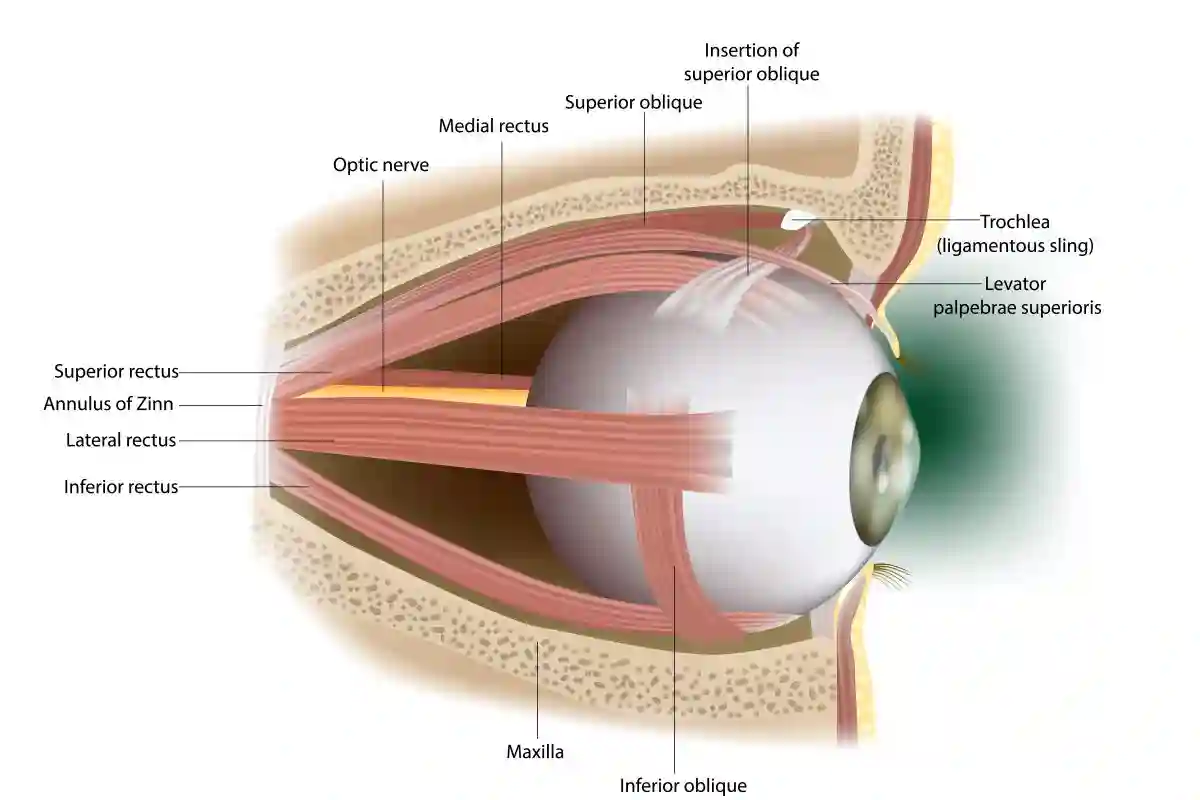
B) Dehydration and ocular surface instability
Zepbound commonly causes nausea, reduced appetite, and sometimes diarrhea or vomiting. These can lead to dehydration and electrolyte imbalance, which may worsen dry eye symptoms and contribute to headache and visual fluctuation.
C) Blood pressure variability and orthostatic symptoms
Some patients lose weight quickly and change their dietary sodium intake. Others remain on the same antihypertensive regimen despite weight loss. This can contribute to lightheadedness and, less commonly, visual disturbances related to perfusion changes. Medication reconciliation matters.
If you were prescribed Zepbound and took it as directed and suffered Zepbound Eye Problems, Zepbound vision loss or other serious Zepbound Vision Side Effects, contact Timothy L. Miles, a Zepbound Vision Loss Lawyer today. You could be eligible for a Zepbound vision loss lawsuit and potentially entitled to substantial compensation. (855) 846–6529 or [email protected].
What Is Not Confirmed: Avoiding Overstatement
Online discussions sometimes imply a single, proven narrative that Zepbound causes eye damage. That is not a responsible conclusion.
A disciplined summary:
- Blurred vision can occur for many reasons and is not specific to Zepbound.
- Retinal emergencies (tear, detachment, vascular occlusion) can occur in any population and require urgent care. They should not be presumed medication-related without evaluation.
- The clearest evidence-based concern is monitoring in patients with diabetes and existing retinopathy, particularly when glucose improves rapidly.
This is not minimizing risk. This is accurate risk classification.
For those experiencing severe side effects such as vision loss or blindness, it may be advisable to consider legal options as indicated by recent lawsuit updates regarding Zepbound.
If you were prescribed Zepbound and took it as directed and suffered Zepbound Eye Problems, Zepbound vision loss or other serious Zepbound Vision Side Effects, contact Timothy L. Miles, a Zepbound Vision Loss Lawyer today. You could be eligible for a Zepbound vision loss lawsuit and potentially entitled to substantial compensation. (855) 846–6529 or [email protected].
Who Should Be More Cautious: Risk Stratification
The following groups should plan more proactive eye monitoring and should communicate with both prescriber and eye-care professional:
- People with diabetes who have known diabetic retinopathy, diabetic macular edema, or prior retinal laser/injections.
- People with long-standing diabetes even if they have not had a recent dilated retinal exam.
- Patients with very high baseline A1c who may experience rapid A1c reduction after starting tirzepatide.
- Patients with a history of retinal detachment, retinal tears, or high myopia, because new floaters/flashes are higher consequence.
- Patients on insulin or sulfonylureas who may be at higher risk of hypoglycemia when therapy changes, since hypoglycemia can cause transient visual symptoms and neurologic symptoms.
- Patients with severe dehydration risk, including those with significant gastrointestinal side effects.
If you do not fall into these categories, your risk may still be non-zero, but the monitoring intensity can often be lower and symptom-driven.
Symptoms That Require Urgent Evaluation (Do Not Wait)
Seek emergency care or same-day ophthalmology/ER evaluation if you experience:
- Sudden vision loss in one or both eyes. This could potentially be linked to serious side effects from medications like tirzepatide, which have been associated with vision loss.
- A new curtain, veil, or shadow moving across your field of vision.
- New flashes of light, especially with new floaters.
- A sudden surge in floaters, like “a swarm of gnats.”
- Severe eye pain, redness with decreased vision, or halos around lights.
- Severe headache with vision changes, confusion, weakness, slurred speech, or facial droop.
These symptoms are managed by time-sensitive pathways. Waiting to “see if it improves” can permanently change outcomes. It’s also important to note that certain medications like tirzepatide may carry risks such as vision loss, underscoring the need for vigilant monitoring and immediate medical attention when experiencing concerning symptoms.
If you were prescribed Zepbound and took it as directed and suffered Zepbound Eye Problems, Zepbound vision loss or other serious Zepbound Vision Side Effects, contact Timothy L. Miles, a Zepbound Vision Loss Lawyer today. You could be eligible for a Zepbound vision loss lawsuit and potentially entitled to substantial compensation. (855) 846–6529 or [email protected].
Symptoms That Still Matter (Schedule Prompt Evaluation)
Contact your prescriber and schedule an eye exam soon if you notice:
- Persistent blurred vision lasting more than 24 to 48 hours.
- Blurred vision that worsens after dose increases.
- New difficulty reading, new distortion (straight lines look wavy), or trouble recognizing faces.
- Eye dryness and irritation that is not improving with hydration and basic measures.
- Recurrent headaches with visual disturbances.
Prompt does not always mean emergency. It means structured follow-through.
A Practical Action Plan for Patients
Step 1: Document the symptom with precision
Write down:
- When it started and whether it was sudden or gradual.
- Whether one or both eyes are affected.
- Whether it is constant or intermittent.
- Associated symptoms: headache, nausea, floaters, flashes, eye pain, neurologic symptoms.
- Your most recent dose change and timing relative to the symptom.
- Recent glucose readings if you check them.
Precision improves triage decisions.
Step 2: Check hydration and nutrition basics
If symptoms are mild and you have no red flags:
- Increase water intake to a reasonable level for your health status.
- Ensure regular meals or medically appropriate nutrition.
- If you have vomiting/diarrhea, contact your clinician to prevent dehydration.
Do not overcorrect without guidance if you have heart failure, kidney disease, or fluid restrictions.
If you were prescribed Zepbound and took it as directed and suffered Zepbound Eye Problems, Zepbound vision loss or other serious Zepbound Vision Side Effects, contact Timothy L. Miles, a Zepbound Vision Loss Lawyer today. You could be eligible for a Zepbound vision loss lawsuit and potentially entitled to substantial compensation. (855) 846–6529 or [email protected].
Step 3: Review glucose patterns if you have diabetes
If you monitor glucose, look for rapid downward trends or frequent lows. Hypoglycemia can cause blurred vision, dizziness, confusion, and weakness.
If you use insulin or a sulfonylurea, contact your clinician promptly for dose adjustments rather than “pushing through.”
Step 4: Do not self-stop Zepbound without a plan
If you have urgent symptoms, seek care first. If symptoms are non-urgent, message the prescriber. Stopping and restarting Zepbound repeatedly can destabilize side effects and complicate interpretation. It may also lead to serious vision problems, including blurry vision, which is a common side effect associated with this medication. However, if a clinician advises holding the medication while an eye issue is evaluated, follow that guidance.
Step 5: Get the right eye exam, not just a vision check
A basic refraction test for glasses is not enough if you have concerning symptoms.
Ask for:
- Dilated fundus examination (or retinal imaging as appropriate).
- OCT (optical coherence tomography) if distortion, central blur, or macular concerns exist.
- Retinal specialist referral if diabetic retinopathy is present or suspected.
If you were prescribed Zepbound and took it as directed and suffered Zepbound Eye Problems, Zepbound vision loss or other serious Zepbound Vision Side Effects, contact Timothy L. Miles, a Zepbound Vision Loss Lawyer today. You could be eligible for a Zepbound vision loss lawsuit and potentially entitled to substantial compensation. (855) 846–6529 or [email protected].
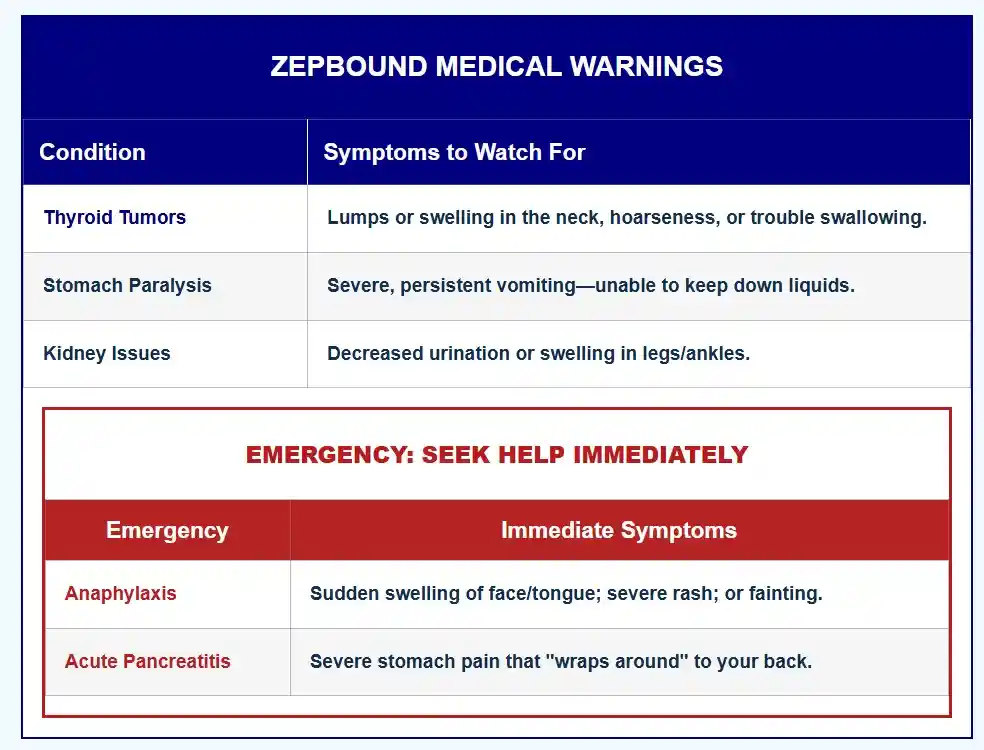
If you were prescribed Zepbound and took it as directed and suffered Zepbound Eye Problems, Zepbound vision loss or other serious Zepbound Vision Side Effects, contact Timothy L. Miles, a Zepbound Vision Loss Lawyer today. You could be eligible for a Zepbound vision loss lawsuit and potentially entitled to substantial compensation. (855) 846–6529 or [email protected].
If You Have Diabetes: A Governance-First Monitoring Strategy
If you have diabetes and are starting Zepbound, particularly with any history of retinopathy, treat eye monitoring as part of your therapeutic launch plan.
A practical framework to discuss with your care team:
1. Baseline retinal status
If you have not had a dilated eye exam within the last year, schedule one before or soon after starting therapy.
2. Glycemic trajectory
If your A1c is high, your clinician may aim for improvement that is steady and safe rather than abrupt. The exact strategy is individualized.
3. Cross-team coordination
Ensure your prescriber, primary care clinician, endocrinologist, and eye-care professional have aligned expectations.
4. Follow-up interval
Your ophthalmologist may recommend earlier follow-up if you have moderate to severe retinopathy or rapid A1c changes.
Repetition matters here: baseline, trajectory, coordination, follow-up.
In light of potential NAION lawsuits, it’s crucial to take these steps seriously and ensure comprehensive monitoring while on Zepbound.
Dry Eye and Visual Fluctuation: Practical Self-Care That Helps
If your symptoms are consistent with ocular surface dryness and you have no red flags:
- Use preservative-free artificial tears 2 to 4 times daily.
- Reduce screen strain: follow the 20-20-20 approach (every 20 minutes, look 20 feet away for 20 seconds).
- Ensure adequate hydration and consider a humidifier in dry environments.
- If you wear contacts, reduce wear time temporarily and clean lenses properly.
- Avoid overuse of “redness relief” drops, which can worsen dryness over time.
If symptoms persist beyond a week despite these steps, schedule an eye exam.
Medication and Supplement Interactions: What to Review
Eye symptoms may reflect broader physiologic changes. Ask your clinician to review:
- Antihypertensives: dose may need adjustment with weight loss.
- Diuretics: dehydration risk may increase.
- Diabetes medications: insulin and sulfonylureas may need reductions.
- Over-the-counter appetite suppressants, stimulants, or decongestants: may worsen dryness, blood pressure, or headache patterns.
A clean medication list is a safety tool.
Questions to Ask Your Clinician (Bring This List)
- Do I need a baseline dilated eye exam before continuing dose escalation?
- If my blood sugar improves quickly, how will we monitor for retinopathy changes?
- Are my other medications appropriate given my current weight loss and blood pressure?
- If I develop blurred vision, when should I hold the dose versus continue?
- Should I see an ophthalmologist or a retinal specialist based on my history?
These questions create clear accountability and a documented plan.
If you were prescribed Zepbound and took it as directed and suffered Zepbound Eye Problems, Zepbound vision loss or other serious Zepbound Vision Side Effects, contact Timothy L. Miles, a Zepbound Vision Loss Lawyer today. You could be eligible for a Zepbound vision loss lawsuit and potentially entitled to substantial compensation. (855) 846–6529 or [email protected].
Frequently Asked Questions about Zepbound Eye Problems
Can Zepbound directly damage the eyes?
A direct, universal “eye toxicity” effect is not established in a way that applies to all patients. The more evidence-based concern involves indirect effects, especially in diabetes, where rapid metabolic improvement can influence vision and existing retinopathy.
Is blurred vision on Zepbound always dangerous?
No. It can be temporary and benign, especially if related to dry eye, a known side effect of Zepbound. But it still warrants attention, and any red-flag symptoms require urgent evaluation.
Should I stop Zepbound if I notice floaters?
New floaters should be assessed, especially if accompanied by flashes or a shadow in vision. Do not self-diagnose. Seek urgent eye evaluation to exclude retinal tear or detachment, then follow clinician guidance on medication continuation.
I do not have diabetes. Do I still need eye monitoring?
Routine eye care still matters, but intensive monitoring is most relevant for those with diabetes and retinopathy risk. For others, symptom-driven evaluation is generally appropriate.
Can Zepbound (tirzepatide) cause eye problems during weight management therapy?
While Zepbound is primarily used for chronic weight management, some patients report eye-related symptoms such as blurred vision, floaters, dry eyes, and headaches with visual changes. However, not every visual symptom experienced during Zepbound therapy is caused by the medication itself. It’s important to evaluate any new or worsening eye symptoms clinically to determine their cause.
What types of eye problems have been reported by patients using Zepbound?
Patients commonly report blurred vision or difficulty focusing, new floaters and flashes of light, dry and irritated eyes, headaches accompanied by visual changes, and in some cases, worsening of known diabetic eye disease. These symptoms vary in severity and may be influenced by metabolic changes, hydration status, or underlying conditions like diabetes.
The Bottom Line: Protect Vision While Advancing Health
Zepbound can be an effective tool for chronic weight management, but patients should approach any visual symptom with disciplined seriousness. The most actionable approach is consistent:
- Identify symptoms early.
- Escalate urgently when red flags appear such as blurred vision or new floaters.
- Monitor proactively if you have diabetes or known retinopathy.
- Coordinate care across prescriber and eye-care professionals.
Weight loss is a long-term investment. Vision is a non-negotiable asset. Proactive monitoring protects both.