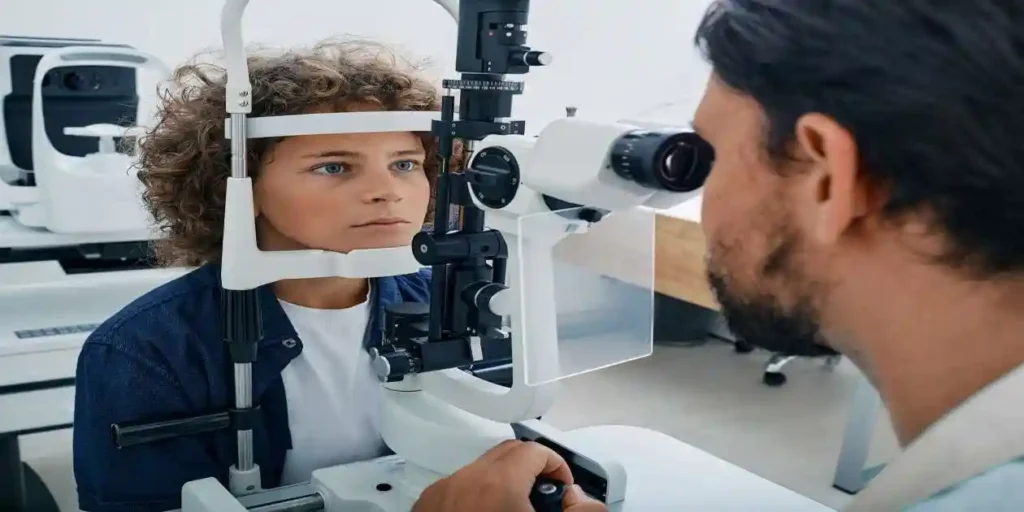
- The Main Condition: Lawsuits focus on NAION (Non-Arteritic Anterior Ischemic Optic Neuropathy), often called an “eye stroke.”
- Permanent Impact: NAION causes sudden, painless vision loss that is typically irreversible.
- The Link: Recent studies suggest GLP-1 drugs like Zepbound and Trulicity may increase the risk of optic nerve damage.
- Other Symptoms: Look for sudden “smudges” in your vision, dark spots, or blurred sight.
- 2026 Legal Status: Cases are being consolidated into a federal Multidistrict Litigation (MDL) to streamline the process for victims.
- Failure to Warn: The core of the case is that manufacturers knew of the risks but failed to update the warning labels
If you were prescribed Zepbound and took it as directed and suffered Zepbound Eye Problems, Zepbound vision loss or other serious Zepbound Vision Side Effects, contact Timothy L. Miles, a Zepbound Vision Loss Lawyer today. You could be eligible for a Zepbound vision loss lawsuit and potentially entitled to substantial compensation. (855) 846–6529 or [email protected].

1. What is Zepbound?
Zepbound is a weight-loss medication containing tirzepatide, approved by the U.S. Food and Drug Administration (FDA) in November 2023 for adults with obesity or overweight conditions. It is manufactured by Eli Lilly and Company.
2. How does Zepbound work?
Zepbound acts as a dual GIP and GLP-1 receptor agonist, regulating appetite and blood sugar levels to promote weight loss and glycemic control.
3. What are the reported Zepbound eye side effects?
Reported Zepbound eye side effects include blurry vision, dry eye syndrome, Zepbound and eye floaters, diabetic retinopathy progression, Zepbound eye twitching, ocular inflammation, visual disturbances, allergic reactions around the eyes, and sudden blindness.
4. What is NAION and why is it significant in this context?
NAION (Nonarteritic Anterior Ischemic Optic Neuropathy) is a condition where blood flow to the optic nerve is compromised, causing sudden vision loss—sometimes permanently—and has been linked to tirzepatide use.
5. Is there scientific evidence connecting Zepbound and NAION
Yes. Recent studies indicate patients using tirzepatide-containing medications have an increased risk of developing NAION compared to non-users.
6. Who may be at higher risk for a Zepbound Vision Loss Lawsuit?
Individuals with existing vascular or optic nerve issues, or those with comorbidities affecting blood flow or eye health, may be at greater risk.
7. What should I do if I experience Zepbound eye side effects?
Seek immediate medical attention if you notice any new or sudden changes in your vision while taking Zepbound.
8. Are there ongoing Zepbound Vision Loss Lawsuits?
Yes. Multiple Zepbound Vision Loss Lawsuits along with other GLP-1 Drugs have have been filed alleging that Eli Lilly and did not provide adequate warnings about the risks of serious vision complications associated with Zepbound. All GLP-1 Drug cases are being consolidated into a federal Multidistrict Litigation (MDL) to streamline the process for victims.
9. Am I eligible to file a Zepbound Vision Loss Lawsuit if I suffered vision loss on Zepbound?
You might qualifty for a Zepbound Vision Loss Lawsuit if you experienced significant eye-related side effects after using Zepbound and can establish a connection between your injury and the medication.
10. What steps should I take if considering legal action?
Document your symptoms, gather all relevant medical records and prescription histories, consult with a qualified Zepbound Lawyer such as Timothy L. MIles who works on a contingency basis and offers free case evaluations. And act promptly due to statute of limitations concerns.
11. How do I prove that Zepbound caused my vision problem?
Proof usually relies on medical documentation linking the onset of your symptoms to your use of Zepbound; expert testimony may also be necessary.
12. What kind of compensation could I receive through a Zepbound Vision Lawsuit?
Potential compensation includes reimbursement for medical expenses, lost wages, pain and suffering, diminished quality of life, and possibly punitive damages.
13. How long do I have to file a claim (statute of limitations)?
Time limits vary by state but generally range from one to six years from the date of injury or discovery that the injury was related to drug use. In Tennessee, product liability lawsuits (Tenn. Code Ann. § 29-28-103) generally must be filed within one year of the date of injury. A 10-year statute of repose applies from the date the product was first purchased, or within one year after the product’s anticipated life, whichever is shorter.
14. When does the statute of limitations start for my case?
It typically begins when you first experience symptoms or when you reasonably should have known about the link between your symptoms and Zepbound use (“discovery rule”).
15. Can statutes of limitation ever be extended?
In some cases—such as fraudulent concealment by the manufacturer or delayed diagnosis—the deadline may be paused or extended under specific state laws.