

Introduction to Zepbound Eye Problems: 2 Vitally Paramount Side Effects
Welcome to this authortative guide on Zepbound eye problemts. Zepbound (tirzepatide) has rapidly become a major development in chronic weight management. Its clinical profile, including meaningful weight reduction and cardiometabolic benefits, has driven substantial uptake among eligible patients. Yet the same mechanism that supports metabolic improvement can also introduce clinically important adverse effects.
- Among the most underestimated risks are eye-related complications.
- They are not common in every patient, and they are not inevitable.
- However, when they occur, they can progress quickly, impair function, and in certain circumstances threaten vision.
For a medication used long term, the correct approach is not fear. The correct approach is governance: define risks, identify early warning signaZepbound Vision Loss Lawsuitls, document baselines, establish monitoring, and intervene early.
This article focuses on two vitally paramount eye-related side effects that can be relevant for people using Zepbound, particularly those with diabetes, prediabetes, or other risk factors. It explains what they are, why they happen, how to recognize them, and what proactive steps reduce risk.
If you were prescribed Zepbound and took it as directed and sufferedZepbound Eye Problems, Zepbound vision loss or other serious Zepbound Vision Side Effects, contact Timothy L. Miles, a Zepbound Vision Loss Lawyer today. You could be eligible for a Zepbound vision loss lawsuit and potentially entitled to substantial compensation. (855) 846–6529or [email protected].

First, a clear definition: what Zepbound is and why eyes can be affected
Zepbound contains tirzepatide, a medication that activates GLP-1 (glucagon-like peptide-1) and GIP (glucose-dependent insulinotropic polypeptide) receptors. In practical terms, it can:
- Improve glycemic control (especially in people with type 2 diabetes)
- Reduce appetite and caloric intake
- Support significant weight loss
- Improve several cardiometabolic risk markers
The eye is not isolated from systemic change. Vision is sustained by delicate microvascular circulation, tightly regulated osmotic balance in the lens, and a retina that is highly metabolically active. When blood glucose shifts, when blood pressure shifts, when dehydration occurs, or when medications change appetite and fluid intake, the visual system can reflect those changes.
Two eye-related concerns deserve particular attention:
- Worsening diabetic retinopathy (or clinically meaningful retinal complications associated with rapid glycemic improvement) which may lead to serious conditions as outlined in this article.
- Acute vision changes related to dehydration, electrolyte imbalance, and transient refractive shifts, including symptoms that may resemble or contribute to serious ocular events in susceptible individuals as detailed here.
These are “paramount” because they involve either direct retinal harm or rapid functional impairment that can lead to unsafe driving, falls, missed work, and delayed diagnosis of emergent eye disease.
For further insights into potential eye side effects of Zepbound, specific eye problems associated with its use or even vision loss lawsuits linked with this medication , you can refer to the provided links for more detailed information.
1) Worsening Diabetic Retinopathy (and retinal complications during rapid glycemic improvement)
What it is
Diabetic retinopathy (DR) is a microvascular complication of diabetes in which chronically elevated glucose damages retinal blood vessels. Over time, this can lead to:
- Microaneurysms and hemorrhages
- Macular edema (swelling at the central retina responsible for sharp vision)
- Ischemia (poor perfusion)
- Neovascularization (fragile abnormal vessels)
- Vitreous hemorrhage and tractional retinal detachment in advanced cases
Not every person with diabetes has DR, and not every person with DR will worsen on Zepbound. However, there are concerns regarding the potential for worsening diabetic retinopathy in some patients, particularly those with pre-existing retinopathy and high baseline A1C. A rapid improvement in glycemic control can be temporally associated with early worsening of retinopathy, a phenomenon historically recognized with intensive glucose-lowering strategies, including insulin initiation.
If you were prescribed Zepbound and took it as directed and suffered Zepbound Eye Problems, Zepbound vision loss or other serious Zepbound Vision Side Effects, contact Timothy L. Miles, a Zepbound Vision Loss Lawyer today. You could be eligible for a Zepbound vision loss lawsuit and potentially entitled to substantial compensation. (855) 846–6529 or [email protected].
Why it can happen
The retina adapts to chronic hyperglycemia. When glucose control improves abruptly, changes in retinal blood flow, vascular permeability, and growth factor signaling can transiently destabilize existing disease.
From a risk-management perspective, the pattern that raises concern is:
- Elevated baseline A1C
- Rapid A1C reduction over a short period
- Pre-existing diabetic retinopathy, especially moderate-to-severe nonproliferative DR or proliferative DR
- Concomitant hypertension, kidney disease, anemia, or pregnancy (each can amplify retinal risk)
In other words, the risk is not simply “Zepbound affects eyes.” The risk is more precisely stated as:
Rapid metabolic change can stress a vulnerable retina.
This concern extends to the potential risks of [non-arteritic anterior ischemic optic neuropathy (NAION)](https://classactionlawyertn.com/zepbound-naion-lawsuit-5566878/), which has been linked to Zepbound usage. Moreover, there are ongoing lawsuits related to blindness and other complications associated with Zepbound usage that further highlight these risks.
What patients may notice (symptoms that require prompt evaluation)
Retinopathy progression can be silent early. When symptoms appear, they often include:
- New floaters (spots, cobwebs, “ink specks”)
- Blurred central vision or distortion (straight lines appear wavy)
- Dark or empty areas in vision
- Sudden vision loss in one eye or both eyes
- Difficulty reading, recognizing faces, or seeing at night
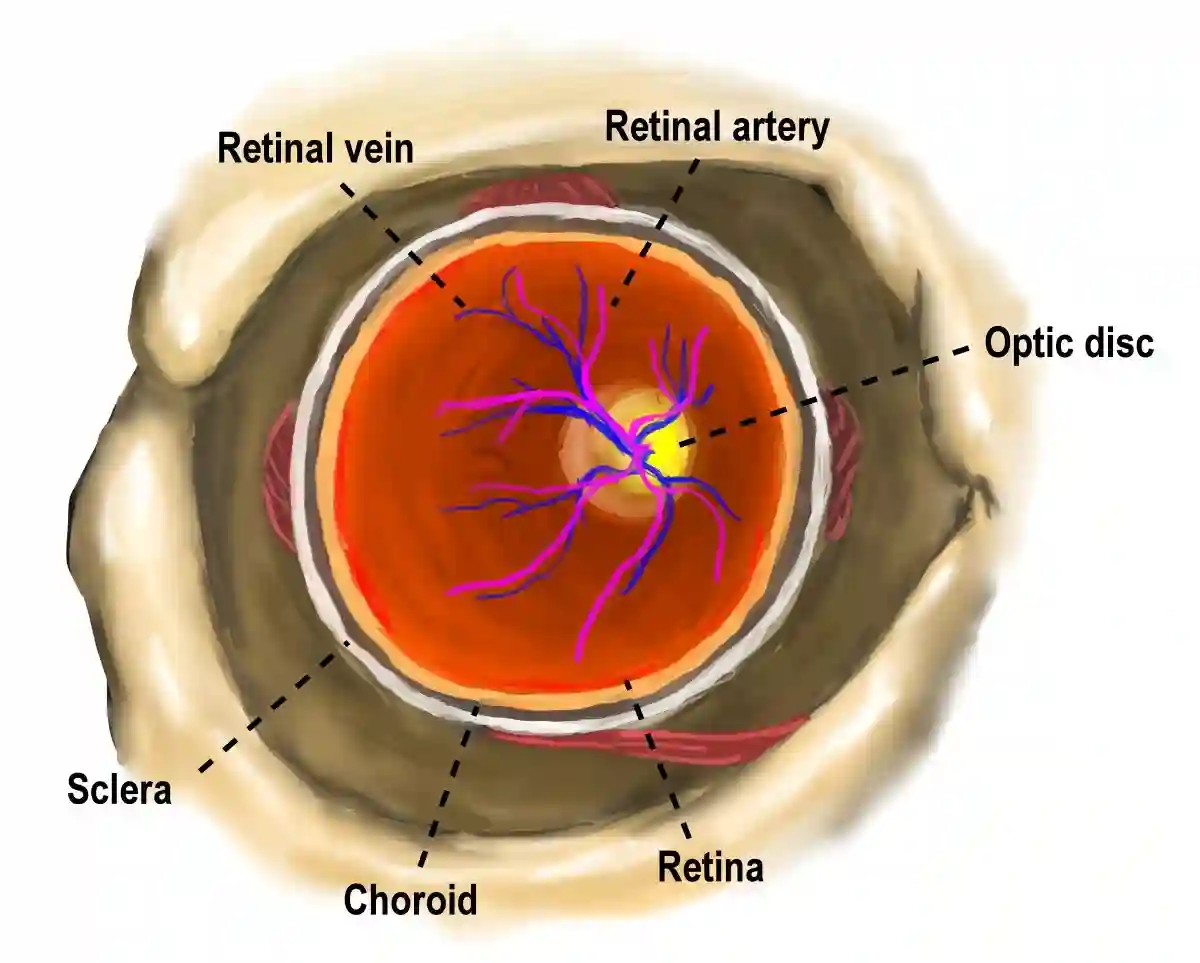
Red flag symptoms include sudden painless vision loss, a “curtain” effect, or a sudden shower of floaters. These can indicate vitreous hemorrhage or retinal detachment, which are emergencies.
Who is at highest risk
A structured way to think about risk is to sort patients into tiers:
Higher risk
- Type 2 diabetes with known diabetic retinopathy
- Long duration of diabetes
- High A1C at baseline (especially if expected to drop significantly)
- History of macular edema, proliferative disease, or prior retinal laser/injections
- Coexisting hypertension or chronic kidney disease
Moderate risk
- Diabetes without known retinopathy but overdue for eye exams
- Prediabetes with visual symptoms or other microvascular concerns
Lower risk
- No diabetes, no known retinal disease, and stable health status (still not “zero risk,” but substantially lower for retinopathy-specific harm)
Practical prevention: what “proactive monitoring” actually looks like
If you are using Zepbound and have diabetes or suspected diabetes risk, the governance model is straightforward: baseline, monitoring cadence, and escalation triggers.
Baseline
- Confirm last dilated eye exam date.
- If you have diabetes and have not had an exam within the last year (or per your ophthalmologist’s interval), schedule one.
- If known retinopathy exists, document the stage and current treatment plan.
Monitoring cadence
- No retinopathy: typically at least annual exams, sooner if symptoms appear.
- Mild-to-moderate retinopathy: more frequent monitoring as directed by ophthalmology.
- Severe nonproliferative or proliferative retinopathy: close ophthalmologic follow-up is standard, and any therapy changes should be communicated.
It’s important to note that if you’re experiencing new floaters, this could be a sign of serious complications related to your condition. Similarly, blurred vision or sudden vision loss are also symptoms that require immediate medical attention.
Escalation triggers
- Any new floaters, flashes, distortion, or sudden blur that persists beyond a short transient episode.
- Any unilateral symptom (one eye) should be treated as higher urgency until proven otherwise.
- Any sudden “curtain,” severe blur, or acute vision loss requires urgent evaluation.
What clinicians often do if retinal risk is high
Management is individualized, but commonly includes:
- Coordinating care between the prescribing clinician and ophthalmology
- Adjusting the pace of glycemic improvement where possible (clinical context matters)
- Optimizing blood pressure and kidney function, which are key modifiers of retinopathy outcomes
- Treating retinopathy directly with anti-VEGF injections, laser photocoagulation, or surgery when indicated
The forward-looking point is simple: weight loss and glucose improvement are beneficial, but ocular integrity must remain part of the treatment plan, not an afterthought.
If you were prescribed Zepbound and took it as directed and suffered Zepbound Eye Problems, Zepbound vision loss or other serious Zepbound Vision Side Effects, contact Timothy L. Miles, a Zepbound Vision Loss Lawyer today. You could be eligible for a Zepbound vision loss lawsuit and potentially entitled to substantial compensation. (855) 846–6529 or [email protected].
2) Acute Vision Changes from Dehydration, Electrolyte Imbalance, and Transient Refractive Shifts
What it is
A second eye-related concern is acute, functional vision disturbance that can occur during treatment, often in the setting of:
- Reduced appetite and reduced fluid intake
- Gastrointestinal adverse effects (nausea, vomiting, diarrhea)
- Rapid weight loss
- Medication-related changes in glucose levels
- Changes in blood pressure and volume status
This category may not represent a single disease entity, but it is clinically important because it can:
- Cause frightening, sudden blur
- Disrupt driving and workplace safety
- Delay evaluation of truly emergent eye conditions when symptoms are dismissed as “just a side effect”
- In susceptible individuals, contribute to circumstances that exacerbate serious ocular problems
Several mechanisms can be involved:
- Dehydration-related dry eye and tear film instability
- The tear film is the first optical surface of the eye. When it becomes unstable, vision can fluctuate, blur, and burn. Dry eye can become more symptomatic when hydration drops or when nausea reduces oral intake.
- Transient refractive change from glucose shifts
- Changes in blood glucose can alter osmotic balance in the crystalline lens, temporarily changing its thickness and refractive power. Some people experience “my vision is suddenly worse” or “my glasses feel wrong” during periods of changing glucose control. This can be particularly relevant early in therapy when glycemic values improve quickly.
- Orthostatic symptoms and perfusion effects
- Volume depletion can cause dizziness and transient visual disturbances, especially on standing. While not strictly an “eye disease,” the symptom is visual and may be misinterpreted.
The critical governance point is that acute blurry vision has a broad differential diagnosis. Some causes are benign and reversible. Others are urgent. A safe plan distinguishes between them quickly.
It’s also important to note that specific eye problems could arise due to these conditions which might require immediate attention to avoid long-term damage.
In particular, it’s worth mentioning that high blood sugar levels can lead to blurry vision, an issue that should not be overlooked during treatment planning.
What patients may notice
Commonly reported experiences include:
- Fluctuating blur that changes throughout the day
- Eye dryness, burning, or a gritty sensation
- Headaches associated with visual strain
- Difficulty focusing when reading screens
- Light sensitivity
- Brief dimming or “tunnel” sensation when standing up quickly
These symptoms may be more likely during dose escalation, periods of reduced intake, or after episodes of vomiting or diarrhea.
When this becomes an emergency
Urgent evaluation is warranted if blurry vision is accompanied by:
- Eye pain, significant redness, or halos around lights
- A severe headache with nausea (especially if different from usual)
- New flashes of light or a sudden shower of floaters
- A curtain-like shadow or loss of part of the visual field
- One-sided symptoms that are sudden and persistent
- Neurologic symptoms such as weakness, facial droop, slurred speech, confusion, or severe imbalance
These features raise concern for acute glaucoma, retinal tear/detachment, vascular events, or neurologic emergencies. Do not self-triage these as “expected.”
Practical prevention: hydration, dosing discipline, and timing eye decisions
This side effect category is often preventable with disciplined routines:
Hydration and intake
- Maintain consistent fluid intake, especially during dose increases.
- If nausea limits intake, use structured strategies recommended by your clinician (smaller meals, protein-forward foods, electrolyte solutions if appropriate).
- Treat persistent vomiting or diarrhea as a medical issue, not merely an inconvenience, because dehydration is a compounding risk.
Do not update prescriptions too early
- If your vision changes while glucose is shifting, consider delaying new glasses or contact lens prescriptions until values stabilize, unless an eye professional recommends otherwise.
Dry eye mitigation
- Preservative-free artificial tears can stabilize the tear film for many people.
- Reduce screen strain with scheduled breaks and adequate blinking.
- Address environmental factors such as fans, air conditioning, and low humidity.
Medication and comorbidity review
- If you are on diuretics, blood pressure medications, or other agents that influence volume status, discuss whether additional monitoring is appropriate during periods of rapid weight loss.
The goal is not to “power through” symptoms. The goal is to prevent predictable destabilizers.
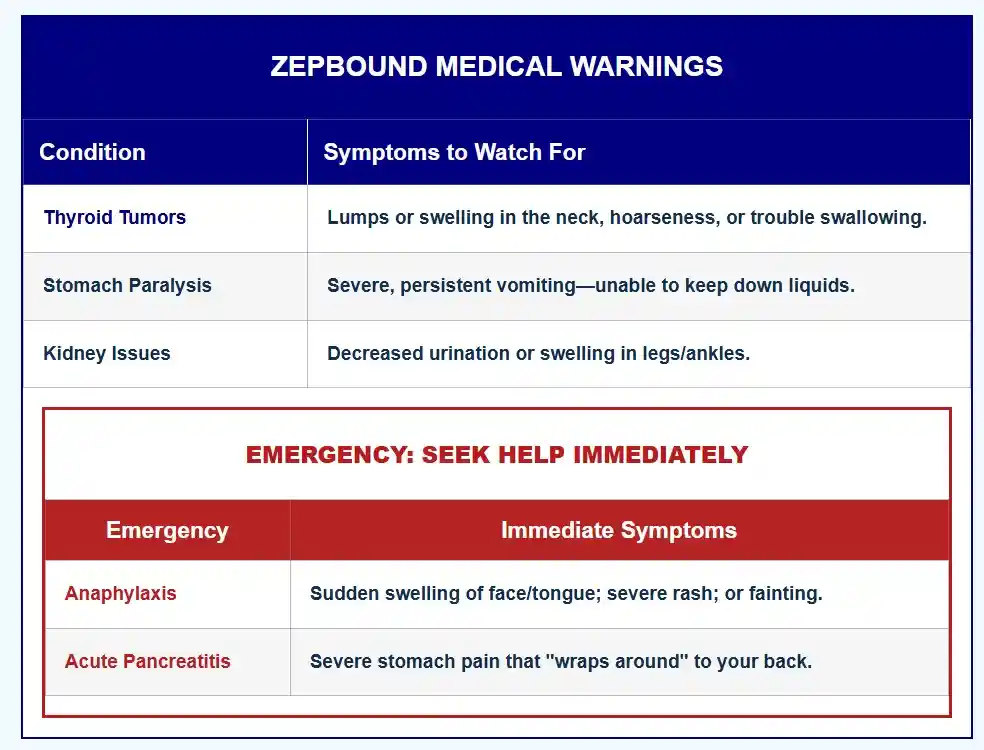
If you were prescribed Zepbound and took it as directed and suffered Zepbound Eye Problems, Zepbound vision loss or other serious Zepbound Vision Side Effects, contact Timothy L. Miles, a Zepbound Vision Loss Lawyer today. You could be eligible for a Zepbound vision loss lawsuit and potentially entitled to substantial compensation. (855) 846–6529 or [email protected].
A simple symptom-to-action guide (risk escalation in plain terms)
Monitor (document and mention at your next appointment)
- Mild intermittent dryness that improves with tears
- Slight fluctuating blur that improves with hydration and rest
Call your clinician soon (same day or within 24 to 48 hours)
- Persistent new blur lasting more than a day
- Recurrent episodes of significant visual fluctuation during nausea or poor intake
- New distortion while reading or seeing straight lines
Seek urgent eye care or emergency evaluation
- Sudden vision loss
- Curtain/shadow in vision
- Flashes and many new floaters
- Severe eye pain or redness with halos
- Visual symptoms plus neurologic symptoms
This escalation pathway is a core element of proactive risk control.
If you were prescribed Zepbound and took it as directed and suffered Zepbound Eye Problems, Zepbound vision loss or other serious Zepbound Vision Side Effects, contact Timothy L. Miles, a Zepbound Vision Loss Lawyer today. You could be eligible for a Zepbound vision loss lawsuit and potentially entitled to substantial compensation. (855) 846–6529 or [email protected].
How to discuss eye risk before and during Zepbound treatment
The most effective safety conversations are specific and documented. If you want a structured way to raise this with your prescribing clinician, consider these questions:
- “Do I need a baseline dilated eye exam before starting or escalating?”
- Particularly important for anyone with diabetes, long duration of prediabetes, or unknown eye exam status.
- “If my A1C improves quickly, how will we monitor for retinopathy worsening?”
- Ask for a defined monitoring plan rather than a vague reassurance.
- “What should I do if I get new floaters or sudden blur?”
- Establish who to call, where to go, and how urgently.
- “How can I reduce dehydration risk during dose increases?”
- Align on hydration targets, nausea management, and thresholds for holding a dose.
This is the governance mindset: clarify responsibilities, define thresholds, and reduce ambiguity.
However, it’s crucial to understand that Zepbound treatment can lead to various eye issues, which makes these discussions even more significant.
What not to do (common mistakes that increase risk)
- Do not ignore sudden visual changes because you assume they are “normal” for weight loss medications like Zepbound. Zepbound has been linked to serious vision side effects, which should not be overlooked.
- Do not delay eye care if you have diabetes and have not had a recent dilated exam.
- Do not repeatedly push through vomiting or diarrhea without contacting a clinician, especially if vision changes accompany those symptoms.
- Do not change glasses immediately during a period of rapidly changing glucose without guidance, unless symptoms demand prompt correction and an eye professional advises it.
Consistency, monitoring, and early escalation are more protective than reassurance.
Conclusion: maximize benefit by governing the risk
Zepbound can be an effective tool for weight management and metabolic improvement. However, the best outcomes occur when benefits are paired with disciplined safety practices.
The two vitally paramount eye-related side effects to understand are:
- Worsening diabetic retinopathy or retinal complications associated with rapid glycemic improvement, especially in patients with pre-existing retinopathy or high baseline A1C.
- Acute vision disturbances related to dehydration, electrolyte imbalance, and transient refractive shifts, often during dose escalation or periods of reduced intake.
A forward-thinking approach is proactive: confirm your baseline eye status, monitor symptoms with intent, and treat visual warning signs as clinically meaningful data. In modern chronic disease management, protecting vision is not separate from improving weight and glucose. It is part of the same integrity-first plan.
To better understand the potential risks associated with Zepbound, including blurry vision and vision loss, it’s important to stay informed. If you experience any severe visual changes while on this medication, such as acute vision loss, it may be necessary to explore legal options for compensation through a Zepbound vision loss lawsuit.
If you were prescribed Zepbound and took it as directed and suffered Zepbound Eye Problems, Zepbound vision loss or other serious Zepbound Vision Side Effects, contact Timothy L. Miles, a Zepbound Vision Loss Lawyer today. You could be eligible for a Zepbound vision loss lawsuit and potentially entitled to substantial compensation. (855) 846–6529 or [email protected].
Frequently Asked Questions about Zepbound Eye Problems
What is Zepbound (tirzepatide) and how does it affect weight management?
Zepbound contains tirzepatide, a medication that activates GLP-1 and GIP receptors, improving glycemic control, reducing appetite and caloric intake, supporting significant weight loss, and improving cardiometabolic risk markers. It has rapidly become a major development in chronic weight management.
Why are eye-related side effects a concern for patients using Zepbound?
While not common or inevitable, eye-related complications can occur with Zepbound due to its mechanism of metabolic improvement. These complications can progress quickly, impair function, and potentially threaten vision, especially in people with diabetes or prediabetes. Therefore, monitoring and early intervention are essential.
What are the two paramount eye-related side effects associated with Zepbound use?
The two primary eye-related concerns are: 1) Worsening diabetic retinopathy or clinically meaningful retinal complications linked to rapid glycemic improvement; and 2) Acute vision changes related to dehydration, electrolyte imbalance, and transient refractive shifts. Both can lead to serious ocular events if not addressed promptly.
How does rapid glycemic improvement with Zepbound potentially worsen diabetic retinopathy?
Rapid improvement in blood glucose levels can destabilize the retina’s microvascular environment by altering retinal blood flow, vascular permeability, and growth factor signaling. This effect is particularly concerning in patients with pre-existing diabetic retinopathy and high baseline A1C levels, potentially leading to early worsening of retinopathy.
Who is at higher risk of developing worsening diabetic retinopathy when using Zepbound?
Patients with elevated baseline A1C, rapid A1C reduction over a short period, pre-existing moderate-to-severe nonproliferative or proliferative diabetic retinopathy, and those with concomitant conditions such as hypertension, kidney disease, anemia, or pregnancy are at higher risk of retinal complications during Zepbound treatment.
What proactive steps should be taken to monitor and reduce the risk of eye complications while on Zepbound?
Proper governance includes defining risks before treatment initiation, identifying early warning signs of visual changes, documenting baseline eye health status through comprehensive exams, establishing regular monitoring schedules during therapy, and intervening early if any new or sudden visual symptoms arise. Prompt clinical evaluation is essential for any vision changes.

f You Suffered Serios Zepbound Eye Problems, Contact Zepbound Vision Loss Lawyer Timothy L. Miles Today
If you were prescribed Zepbound and took it as directed and suffered Zepbound Eye Problems, Zepbound vision loss or other serious Zepbound Vision Side Effects, contact Timothy L. Miles, a Zepbound Vision Loss Lawyer today. You could be eligible for a Zepbound vision loss lawsuit and potentially entitled to substantial compensation. (855) 846–6529 or [email protected].
Timothy L. Miles, Esq.
Law Offices of Timothy L. Miles
Tapestry at Brentwood Town Center
300 Centerview Dr. #247
Mailbox #1091
Brentwood,TN 37027
Phone: (855) Tim-MLaw (855-846-6529)
Email: [email protected]
Website: www.classactionlawyertn.com