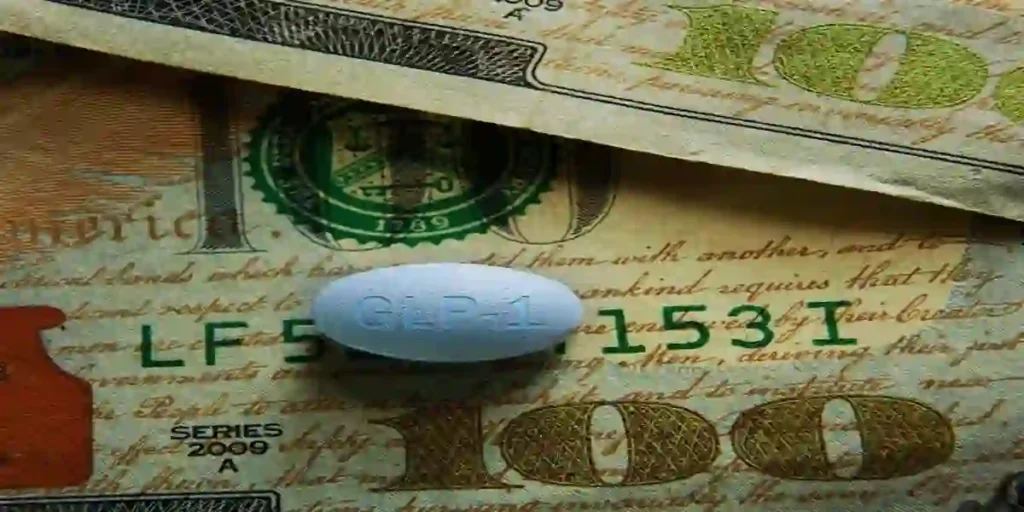
Introduction to Zepbound Eye Problems: A Captivating Smooth Sailing Plague
Welcome to this authoritative guide on Zepbound Eye Problems. Zepbound (tirzepatide) has quickly become a defining medication in modern metabolic care. For many patients, it delivers meaningful weight reduction, improved glycaemic control, and measurable cardiometabolic risk improvement. In practice, it often feels like smooth sailing: consistent appetite suppression, predictable dose escalation, and visible results.
- However, some patients report unexpected side effects related to their vision. These include changes in vision, new floaters, eye pain, dryness, light sensitivity, or a sense that their eyesight has become unreliable.
- Such concerns can be challenging to interpret because they are often intermittent and non-specific. They can also be influenced by various factors such as blood glucose variability, dehydration, migraine, medication interactions, and underlying eye disease.
- This article explains what is known about these potential Zepbound eye side effects, what is plausible, what remains uncertain, and what proactive steps are reasonable. It is informational and not a substitute for individual medical care.
If you were prescribed Zepbound and took it as directed and suffered Zepbound Eye Problems, Zepbound vision loss or other serious Zepbound Vision Side Effects, contact Timothy L. Miles, a Zepbound Vision Loss Lawyer today. You could be eligible for a Zepbound vision loss lawsuit and potentially entitled to substantial compensation. (855) 846–6529 or [email protected].

Understanding Zepbound and Its Potential Eye Symptoms
Zepbound is tirzepatide, a dual glucose dependent insulinotropic polypeptide (GIP) receptor agonist and glucagon like peptide 1 (GLP 1) receptor agonist. Clinically, it improves metabolic physiology by:
- reducing appetite and caloric intake
- slowing gastric emptying (especially early in treatment)
- improving insulin sensitivity and beta cell responsiveness
- reducing glucose excursions and in many patients lowering A1C
Eye symptoms can arise due to the fact that the eyes are highly sensitive to fluid balance, neurologic signalling, vascular stability, and glucose dynamics. Even if a medication has no direct toxic effect on ocular tissues, the downstream physiological changes can still affect vision.
A useful way to frame this is governance of risk. In corporate governance, robust oversight is designed to identify foreseeable risks, monitor leading indicators, and intervene early before minor issues become major losses. With tirzepatide, the parallel is clear: anticipate known categories of eye related risk such as Zepbound vision problems, monitor symptoms with discipline, and escalate quickly when red flags appear.
It’s important to note that some patients have reported experiencing eye floaters while on Zepbound. These Zepbound and eye floaters can be alarming but understanding their connection to the medication may help alleviate concerns.
In conclusion, while Zepbound offers significant benefits in metabolic care, it’s crucial for both patients and healthcare providers to remain vigilant about potential Zepbound eye problems that may arise during treatment.

The Most Commonly Reported Eye Complaints With GLP 1 Based Therapies
Many patients describe “eye problems” in general terms. Clinically, these usually fall into a few patterns.
1) Blurry vision that fluctuates
Transient blurred vision is often associated with:
- changes in blood glucose (especially in people with diabetes or prediabetes)
- changes in hydration status
- changes in refractive error due to lens swelling or dehydration
When glucose levels shift, osmotic gradients can alter the lens’ water content, which can change focusing power. This is not unique to Zepbound, but metabolic improvement or rapid change can expose it. For more information on Zepbound and blurry vision, you can refer to this link.
Practical interpretation: If blur fluctuates day to day, it is often physiological rather than structural. That said, fluctuation does not mean “benign” if it is accompanied by pain, field loss, or sudden onset.
2) Dry eyes, burning, or irritation
Weight loss medications can indirectly increase dryness through:
- reduced fluid intake due to appetite suppression or nausea
- vomiting or diarrhoea causing fluid and electrolyte loss
- reduced blinking during screen use, which is common in many adults and magnifies baseline dryness
Dry eye disease can cause blur, foreign body sensation, light sensitivity, and even headaches. These symptoms are commonly reported by patients using Zepbound as highlighted in various Zepbound eye problems cases.
3) Headache with visual sensitivity
Some patients experience migraine or tension type headache during periods of dose escalation, reduced caloric intake, or dehydration. Migraine can produce visual phenomena (aura, zig zags, shimmering lights) that are alarming and often described as “eye problems” even though the origin is neurologic.
4) Floaters or flashes
New floaters can occur for many reasons, including age related vitreous changes. However, new floaters or flashes require prompt evaluation because they can also indicate retinal tear or detachment.
The Issue That Deserves Extra Attention: Diabetic Retinopathy and Rapid Glycaemic Improvement
If you only remember one high value point, remember this:
Rapid improvement in blood glucose can temporarily worsen diabetic retinopathy in some patients.
This phenomenon has been recognised in diabetes care for decades, including with intensified insulin therapy. It is not necessarily a direct toxic effect of the medication. It is a risk associated with the speed of metabolic correction in people who already have retinopathy or long standing hyperglycaemia.
GLP 1 therapies as a class have carried discussion around this topic. The most cited signal historically has been with semaglutide in some studies, but the clinical concept is broader: when A1C falls quickly, the retina may respond unpredictably, particularly if retinal vessels are already fragile.
What this means for Zepbound users:
- If you have diabetes and established retinopathy, or you have not had an eye exam in over a year, you should treat visual symptoms seriously.
- If your A1C is dropping quickly, a proactive eye examination is prudent, not optional.
This is proactive governance in healthcare form: identify the population at higher baseline risk, then add monitoring proportional to that risk.
What Counts as an “Eye Problem” Worth Urgent Evaluation
Some symptoms are inconvenient. Others are time sensitive.
Seek urgent same day care (ER or urgent ophthalmology) if you have:
- sudden curtain or shadow over vision
- sudden loss of vision in one or both eyes
- flashes of light with a shower of new floaters
- severe eye pain, especially with nausea
- new significant distortion (straight lines look bent)
- one pupil suddenly larger than the other with symptoms
- chemical exposure or trauma (even if unrelated to Zepbound timing)
Seek prompt ophthalmology or optometry evaluation (within days to a week) if you have:
- persistent blur that does not fluctuate
- new floaters without flashes (still needs evaluation)
- sustained light sensitivity
- eye redness with discomfort
- headaches with recurrent visual disturbance
- symptoms that correlate with dose escalation and do not settle
A disciplined escalation pathway is a hallmark of effective risk management. In governance terms, these are your “material events.” Do not delay.
Plausible Mechanisms Behind Zepbound Related Visual Symptoms (Without Overclaiming)
The evidence base for tirzepatide specifically and eye events is still evolving in real world use. However, several mechanisms are plausible and clinically coherent.
1) Glycaemic variability and refractive shifts
Even in people without diagnosed diabetes, glucose swings can affect vision. In those with diabetes, it is more pronounced. When glucose decreases substantially, lens hydration can change and focusing can shift. Patients often notice this as blur that comes and goes, or as a sudden need for different glasses.
Governance principle: avoid making permanent eyewear decisions during metabolic transition. Confirm stability first.
It’s important to note that certain medications like Zepbound can also lead to serious eye conditions such as NAION, which requires immediate medical attention. If you’re experiencing blurry vision after starting Zepbound, it’s crucial to seek professional help promptly. There are ongoing lawsuits related to Zepbound’s side effects, highlighting the importance of being aware of potential risks associated with this medication.
2) Dehydration, electrolyte imbalance, and dry eye amplification
Nausea, reduced intake, vomiting, or diarrhoea can reduce total body water. Tear film stability can deteriorate, leading to blur and burning. These symptoms may be exacerbated for individuals with conditions like Sjogren’s syndrome, which is characterized by dry eyes among other symptoms.
Related triggers include:
- increased caffeine intake due to fatigue
- inadequate protein or micronutrients due to reduced food volume
- reduced salt intake beyond what is appropriate for the individual
3) Blood pressure changes and orthostatic symptoms
Weight loss and improved metabolic health can lower blood pressure, sometimes substantially. If antihypertensive medications are not adjusted, patients may experience lightheadedness and occasional visual dimming on standing.
If you were prescribed Zepbound and took it as directed and suffered Zepbound Eye Problems, Zepbound vision loss or other serious Zepbound Vision Side Effects, contact Timothy L. Miles, a Zepbound Vision Loss Lawyer today. You could be eligible for a Zepbound vision loss lawsuit and potentially entitled to substantial compensation. (855) 846–6529 or [email protected].
4) Migraine threshold changes
Caloric restriction, sleep changes, stress, and dehydration can lower migraine thresholds. Visual aura is often mistaken for an eye disease, but should still be evaluated if new.
5) Pre existing ocular disease being unmasked
Many adults have early cataracts, unrecognised dry eye, ocular hypertension, or subtle macular changes. A period of physiologic stress or rapid metabolic change can bring mild disease to attention.
What the Research Landscape Suggests, and What It Does Not
A careful, professional position is required here.
- Zepbound’s active ingredient, tirzepatide, has not been established as broadly “eye toxic” in the way certain medications can be (for example, hydroxychloroquine and retinal toxicity in long term high dose exposure).
- The more credible clinical concern is secondary effects, particularly rapid glycaemic improvement in patients with diabetic retinopathy, plus dehydration related dryness and refractive shifts.
- Post marketing surveillance and real world reports can identify signals, but signals are not causation. They are prompts for structured assessment.
A forward thinking patient safety approach acknowledges uncertainty without minimising lived symptoms. Repetition is important here: symptoms are real, mechanisms may vary, and evaluation should be timely.
If you were prescribed Zepbound and took it as directed and suffered Zepbound Eye Problems, Zepbound vision loss or other serious Zepbound Vision Side Effects, contact Timothy L. Miles, a Zepbound Vision Loss Lawyer today. You could be eligible for a Zepbound vision loss lawsuit and potentially entitled to substantial compensation. (855) 846–6529 or [email protected].
A Practical Monitoring Plan for Patients Starting or Escalating Zepbound
This section is designed to be actionable.
Step 1: Establish an eye baseline
If you have diabetes, prediabetes, hypertension, or prior eye disease:
- schedule a dilated eye examination near the start of therapy, or confirm your last exam is current
- document baseline symptoms (dryness, floaters, migraine, glasses prescription)
Step 2: Track three variables for the first 8 to 12 weeks
A simple log clarifies patterns and supports better clinical decisions.
Vision changes
- when it starts
- whether it fluctuates
- whether it affects one eye or both
- whether pain or flashes are present
Hydration and GI symptoms
- vomiting, diarrhoea, reduced drinking
- dry mouth, reduced urination, dizziness
Metabolic changes
- home glucose readings if applicable
- A1C changes over time
- blood pressure trends
Step 3: Avoid premature prescription changes
If blur is new and your metabolic status is changing quickly, consider delaying new glasses or contact lens refitting unless your eye clinician advises otherwise.
Step 4: Treat dry eye like a real condition
Dry eye is not trivial. It affects quality of life and can mimic “vision loss.” In fact, it’s a common side effect associated with Zepbound usage. For more information on how Zepbound may lead to dry eye syndrome, refer to this resource.
Discuss with your clinician whether you should use:
- preservative free artificial tears
- warm compresses and lid hygiene
- environmental adjustments (humidity, screen breaks)
If redness, discharge, or significant pain occurs, seek evaluation to exclude infection or inflammation.
For Clinicians and Care Teams: Governance Level Risk Controls That Work
In complex organisations, risk is reduced by systems, not by hope. The same applies here.
Effective controls include:
- pre treatment risk stratification
- Identify patients with long standing diabetes, high baseline A1C, known retinopathy, or recent gaps in eye care.
- coordinated monitoring
- Align dose escalation plans with realistic follow up, especially when A1C is expected to drop quickly.
- clear escalation pathways
- Provide patients with explicit instructions for floaters, flashes, curtain vision, and pain.
- medication reconciliation
- Adjust antihypertensives, diuretics, and insulin or sulfonylureas as needed to prevent hypotension, dehydration, and hypoglycaemia driven visual events.
This is integrity in practice: define responsibility, document decisions, and intervene early.
When to Consider Stopping Zepbound (and When Not To)
Patients often ask whether they should stop the medication at the first sign of eye discomfort. A rational approach is symptom based.
Do not self discontinue solely for:
- mild dry eye that improves with hydration and lubrication
- fluctuating blur during a period of glucose change, provided red flags are absent
- headache without visual field loss or ocular pain, after discussion with a clinician
Consider holding the medication and seek urgent guidance if:
- sudden vision loss occurs
- retinal detachment symptoms occur (flashes, curtain, sudden floaters)
- severe eye pain develops
- you have known retinopathy and experience new visual distortion or a rapid symptom change
Medication decisions should be made with the prescribing clinician and, when appropriate, an ophthalmologist. The priority is not only symptom relief but preservation of vision.
It is important to note that Zepbound has been linked to serious vision issues, including potential vision loss. Patients experiencing any significant changes in their eyesight while on this medication should immediately consult their healthcare provider.
For those who have suffered from vision loss due to Zepbound usage and are considering legal action, it’s essential to understand who is eligible for a Zepbound vision loss lawsuit.

Relevant Images You Can Add to Improve Reader Understanding
If you are formatting this post for WordPress, these image types typically improve clarity:
- A simple eye anatomy diagram
- A retinal photo example showing diabetic retinopathy stages
- A symptom urgency chart (green, yellow, red categories)
Here are additional royalty free image links you can embed:
- Dry eye and screen use concept:
- https://images.unsplash.com/photo-1582719478185-2f11f82d7484?auto=format&fit=crop&w=1600&q=70
- Eye exam concept (optometry):
- https://images.unsplash.com/photo-1588776814546-1ffcf47267a5?auto=format&fit=crop&w=1600&q=70
Closing Perspective: Smooth Sailing Requires Active Navigation
Zepbound can be transformative, and for many it is. At the same time, eye symptoms during treatment deserve a disciplined response. Disciplined does not mean alarmist. Disciplined means structured, documented, and proactive.
- Monitor symptoms with consistency.
- Prioritise eye examinations when risk is elevated.
- Escalate quickly when red flags appear.
- Coordinate care when glucose is changing rapidly.
In corporate governance, integrity is protected through oversight, accountability, and early action. In metabolic therapy, vision is protected the same way: early recognition, clear pathways, and timely evaluation. This approach aligns with the findings from a recent study, which underscores the importance of proactive measures in managing eye health during treatment.
If you were prescribed Zepbound and took it as directed and suffered Zepbound Eye Problems, Zepbound vision loss or other serious Zepbound Vision Side Effects, contact Timothy L. Miles, a Zepbound Vision Loss Lawyer today. You could be eligible for a Zepbound vision loss lawsuit and potentially entitled to substantial compensation. (855) 846–6529 or [email protected].
Frequently Asked Questions about Zepbound Eye Problems
What is Zepbound (tirzepatide) and how does it benefit metabolic health?
Zepbound, also known as tirzepatide, is a dual GIP and GLP-1 receptor agonist that improves metabolic physiology by reducing appetite and caloric intake, slowing gastric emptying, enhancing insulin sensitivity and beta cell responsiveness, lowering blood glucose excursions, and often reducing A1C levels. It has become a defining medication in modern metabolic care due to its effectiveness in weight reduction and cardiometabolic risk improvement.
What types of eye symptoms have been reported by patients using Zepbound?
Patients on Zepbound have reported various eye-related side effects including changes in vision such as transient blurred vision, new floaters or flashes, eye pain, dryness or burning sensations, light sensitivity, and a feeling that their eyesight is unreliable. These symptoms can be intermittent and non-specific, making them challenging to interpret.
Why might Zepbound cause changes in vision or other eye symptoms?
While Zepbound does not directly damage ocular tissues, its effects on fluid balance, neurologic signaling, vascular stability, and glucose dynamics can influence the eyes. For example, fluctuations in blood glucose can alter lens water content causing transient blurry vision; dehydration or reduced fluid intake can lead to dry eyes; neurological effects like migraines may cause visual disturbances; and new floaters may signal retinal issues requiring urgent evaluation.
How should patients and healthcare providers manage potential eye side effects while using Zepbound?
It is important to anticipate known categories of eye-related risks with tirzepatide therapy by monitoring symptoms diligently. Patients experiencing new floaters or flashes should seek prompt ophthalmologic evaluation to rule out retinal tears or detachment. Fluctuating blurry vision accompanied by pain or sudden onset requires immediate attention. Maintaining hydration and reporting persistent or worsening eye symptoms early helps ensure timely intervention.
Are the eye symptoms experienced on Zepbound unique compared to other GLP-1 based therapies?
Many of the reported eye complaints such as transient blurry vision, dry eyes, headaches with visual sensitivity, and floaters are commonly observed with GLP-1 receptor agonists generally. These effects are often related to metabolic changes rather than direct ocular toxicity. However, vigilance remains essential due to the sensitive nature of ocular physiology influenced by these medications.
When should patients be concerned about new floaters or flashes while on Zepbound?
New onset of floaters or flashes during Zepbound treatment warrants prompt medical evaluation because these symptoms may indicate serious conditions like retinal tear or detachment. Early diagnosis and treatment are critical to prevent potential vision loss. Patients should not ignore these signs even if other symptoms seem mild or intermittent.
If You Suffered Serios Zepbound Eye Problems, Contact Zepbound Vision Loss Lawyer Timothy L. Miles Today
If you were prescribed Zepbound and took it as directed and suffered Zepbound Eye Problems, Zepbound vision loss or other serious Zepbound Vision Side Effects, contact Timothy L. Miles, a Zepbound Vision Loss Lawyer today. You could be eligible for a Zepbound vision loss lawsuit and potentially entitled to substantial compensation. (855) 846–6529 or [email protected].
Timothy L. Miles, Esq.
Law Offices of Timothy L. Miles
Tapestry at Brentwood Town Center
300 Centerview Dr. #247
Mailbox #1091
Brentwood,TN 37027
Phone: (855) Tim-MLaw (855-846-6529)
Email: [email protected]
Website: www.classactionlawyertn.com