Introduction to Zepbound Eye Pressure
Welcome to this authoritative analysis on Zepbound Eye Pressure. Zepbound (tirzepatide) has quickly become a major option in obesity management, and for good reason. It can support clinically meaningful weight loss, improve metabolic markers, and help patients sustain changes that have historically been difficult to maintain with lifestyle measures alone.
At the same time, every high impact therapy introduces a familiar governance challenge in clinical care: benefit must be matched with vigilance. As real world use expands, patients and clinicians are not only discussing gastrointestinal effects and injection site reactions. They are also raising a more unsettling question: Can Zepbound affect eye pressure?
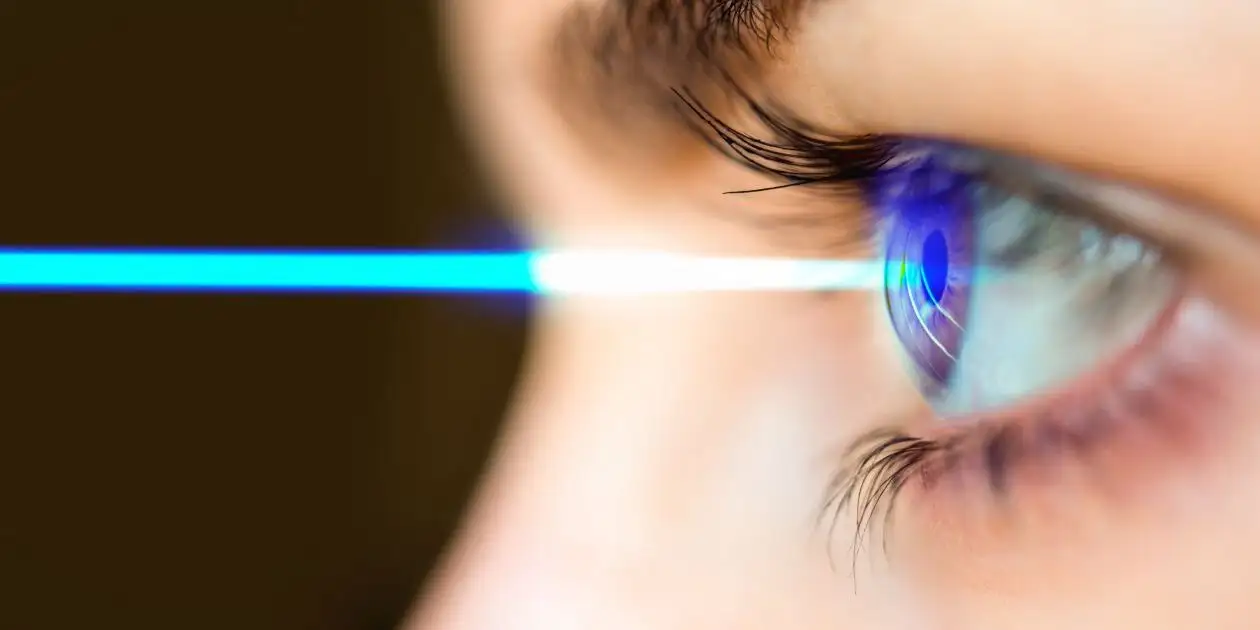
“Eye pressure” usually refers to intraocular pressure (IOP), the fluid pressure inside the eye. Abnormal IOP matters because it is a core risk factor for glaucoma, a leading cause of irreversible vision loss. Even transient pressure changes can be alarming to patients, particularly those with glaucoma, ocular hypertension, or a strong family history.
This article explains what is known, what is plausible, and what proactive steps make sense if you are using Zepbound and notice eye related symptoms.
What Zepbound Is, and Why Side Effects Can Be Unexpected
Zepbound is a once weekly injectable medication containing tirzepatide, a dual agonist of:
- GLP-1 (glucagon-like peptide-1) receptors
- GIP (glucose-dependent insulinotropic polypeptide) receptors
This dual mechanism can reduce appetite, slow gastric emptying, and improve insulin sensitivity. It also affects multiple organ systems through hormonal and autonomic pathways. That broad physiologic footprint is one reason side effects can show up in places patients do not expect, including the eyes.
A key point is structural: clinical trials are designed to detect common adverse events and major safety signals, but less common or context-specific effects often emerge with wider population exposure. For instance, there have been concerns regarding Zepbound’s potential impact on eye pressure, which could lead to serious conditions such as glaucoma if not monitored properly. This is not a reason for alarm; rather it underscores the need for structured monitoring and clear escalation pathways.
Furthermore, it’s essential to stay informed about any possible vision-related side effects that may arise during the course of treatment. These could range from temporary discomfort to more severe issues like vision loss. In fact, there have been instances where patients have had to pursue legal action due to significant vision loss allegedly linked to Zepbound.
The evolving nature of evidence surrounding these side effects highlights the importance of staying updated on ongoing lawsuits related to Zepbound’s impact on vision health. Such information can empower patients to make informed decisions about their treatment while ensuring they remain vigilant about any potential adverse effects they may experience.
In conclusion, while Zepbound offers promising benefits for obesity management, it also necessitates careful monitoring for any unexpected side effects that may arise during its usage.
If you were prescribed Zepbound and took it as directed and suffered Zepbound and NAION, Zepbound vision loss or other Zepbound Vision Side Effects, contact Zepbound Vision Loss Lawyer Timothy L. Miles today. You could be eligible for a Zepbound vision loss lawsuit and potentially entitled to substantial compensation. (855) 846–6529 or [email protected].
What “Eye Pressure” Means, Clinically
Patients may say “eye pressure” when they experience any of the following:
- A sensation of fullness or pressure behind the eyes
- Eye pain or aching
- Headache around the brow or temples
- Blurred vision or difficulty focusing
- Halos around lights (particularly at night)
- Redness, tearing, or light sensitivity
Clinically, however, IOP is a measured value, typically assessed with tonometry during an eye exam. Symptoms are not a reliable substitute for measurement because:
- Mild to moderate IOP elevation often causes no symptoms
- Eye discomfort may occur with normal IOP due to dry eye, migraine, sinus issues, medication effects, or inflammation
- Dangerous spikes in IOP, such as acute angle-closure glaucoma, can cause severe symptoms, but that is a distinct emergency scenario
The governance lesson is straightforward: subjective symptoms deserve respect, but decisions should be grounded in objective evaluation.
Is Zepbound Known to Raise Intraocular Pressure?
At present, there is no widely established, definitive evidence that Zepbound directly increases intraocular pressure in the general population as a routine side effect.
That said, patients reporting “eye pressure” concerns are not imagining their symptoms. Several realities can coexist:
- Some ocular symptoms may occur indirectly through dehydration, nausea, vomiting, or blood pressure changes.
- Individual susceptibility varies, especially in patients with pre-existing eye disease.
- Rare events and complex interactions are more likely to appear after broad adoption than in pre-approval trials.
If you are experiencing eye pressure sensations on Zepbound, it’s essential to understand that these feelings are valid and warrant attention. While there’s no direct evidence linking Zepbound to increased intraocular pressure as a common side effect, some ocular symptoms could arise indirectly due to factors like dehydration or nausea.
Moreover, it’s important to recognize that individual susceptibility varies significantly. Patients with pre-existing eye conditions may experience heightened sensitivity or adverse reactions. Additionally, as with many medications, rare events and complex interactions could manifest after the drug’s widespread adoption.
Therefore, if you’re facing persistent eye pressure while on Zepbound, it would be prudent to engage in a risk-based evaluation rather than dismissing your symptoms outright.

1 More Vexing Side Effect: Why Eye Pressure Is So Hard to Pin Down
Eye pressure concerns are “vexing” for one core reason: the symptom is non-specific, but the potential risk is high.
From a clinical risk perspective, eye-related symptoms sit in a category that demands governance discipline:
- Most cases will be benign or unrelated to IOP.
- A minority could reflect clinically meaningful IOP elevation or another ocular condition requiring timely treatment.
- A very small subset could represent an emergency.
This asymmetry is exactly why proactive, structured guidance matters.
Plausible Mechanisms: How Zepbound Could Contribute Indirectly
While Zepbound is not broadly recognized as a direct IOP-elevating agent, several plausible pathways may explain why some people perceive eye pressure or develop ocular symptoms during therapy.
1) Dehydration and Volume Depletion
Zepbound commonly causes gastrointestinal effects, especially during dose escalation:
- nausea
- reduced oral intake
- vomiting
- diarrhea
If fluid intake drops or losses increase, dehydration can follow. Dehydration can contribute to:
- headaches that feel like eye pressure
- dry eye symptoms that mimic pressure or strain
- changes in blood pressure that trigger visual disturbances
Dehydration does not automatically raise IOP, but it can create symptoms patients interpret as ocular pressure. It can also exacerbate underlying migraine or sinus-related pain patterns.
If you were prescribed Zepbound and took it as directed and suffered Zepbound and NAION, Zepbound vision loss or other Zepbound Vision Side Effects, contact Zepbound Vision Loss Lawyer Timothy L. Miles today. You could be eligible for a Zepbound vision loss lawsuit and potentially entitled to substantial compensation. (855) 846–6529 or [email protected].
2) Blood Pressure and Autonomic Shifts
Weight loss, appetite suppression, and reduced caloric intake can lower blood pressure in some patients. Rapid changes in blood pressure can cause:
- lightheadedness
- transient blurred vision
- headaches
These are not the same as elevated IOP, but they can feel eye-centered. If you are also taking antihypertensives, the combined effect can be more noticeable.
Moreover, it’s important to note that some users of Zepbound have reported vision loss, which underscores the need for careful monitoring of any ocular symptoms during treatment. If you or someone you know has experienced such side effects while on Zepbound, it might be worth exploring if you’re eligible for a Zepbound vision loss lawsuit.
3) Glycemic Shifts and Vision Changes
Although Zepbound is approved for weight management, tirzepatide also improves glycemic control. When glucose levels improve quickly, some people experience temporary refractive changes, leading to:
This is well recognized in the context of changing glycemia. Again, it is not the same as raised IOP, but it is a realistic reason a patient might report eye-related symptoms after starting therapy. In some cases, patients have even reported experiencing eye floaters following the start of Zepbound treatment.
4) Headache and Migraine Susceptibility
Headaches occur for many reasons during weight-loss treatment: calorie reduction, caffeine changes, hydration changes, and sleep disruption. Migraine can cause:
A migraine pattern emerging or intensifying after starting Zepbound may be interpreted as “eye pressure,” even when IOP is normal. It’s important to note that Zepbound has been associated with various eye problems which could exacerbate migraine symptoms.
5) Medication Interactions and Confounders
Many patients taking Zepbound are also taking other medications. Some drugs can influence ocular physiology or precipitate angle closure in susceptible eyes, including certain:
- antihistamines
- antidepressants
- decongestants
- anticholinergics
- steroid medications (notably ocular and systemic steroids can raise IOP in steroid responders)
If an eye pressure concern appears after starting Zepbound, a complete medication review is not optional. It is a core safety control.
When Eye Pressure Symptoms Should Be Treated as Urgent
Some presentations warrant immediate evaluation because they can signal acute angle-closure glaucoma or other serious eye pathology. Seek urgent care or emergency evaluation if you have:
- sudden severe eye pain (often with headache)
- sudden vision loss or significant sudden blurring
- halos around lights with eye redness
- nausea and vomiting with intense eye pain
- a fixed, mid-dilated pupil
- marked light sensitivity and ocular tenderness
These symptoms are not specific to Zepbound. They are specific to potentially dangerous eye conditions. The correct approach is rapid escalation.
Who Is at Higher Risk and Should Be Proactive
Eye pressure concerns deserve special attention if you have:
- glaucoma (open-angle or angle-closure history)
- ocular hypertension
- a strong family history of glaucoma
- narrow angles or prior laser iridotomy
- high myopia or hyperopia (refractive extremes can correlate with structural risks)
- diabetes with existing eye disease (retinopathy, macular edema)
- use of steroids, especially long-term
If you fall into any of these categories, proactive monitoring is simply good governance. It aligns incentives across patient safety, clinician accountability, and long-term outcomes.
If you were prescribed Zepbound and took it as directed and suffered Zepbound and NAION, Zepbound vision loss or other Zepbound Vision Side Effects, contact Zepbound Vision Loss Lawyer Timothy L. Miles today. You could be eligible for a Zepbound vision loss lawsuit and potentially entitled to substantial compensation. (855) 846–6529 or [email protected].
Practical Monitoring: What to Do Before and After Starting Zepbound
If you are concerned about eye pressure, the most effective path is structured, not reactive.
Before starting (or as soon as possible after starting)
- Schedule a comprehensive eye exam if you are not current.
- Ask whether you have narrow angles and whether gonioscopy has been performed.
- Document baseline intraocular pressure.
- Document baseline optic nerve appearance (cup-to-disc ratio).
- Request visual field testing if indicated.
- Request OCT imaging if you have glaucoma risk.
After starting or increasing the dose
Track symptom timing
- Note timing relative to injection day.
- Note timing relative to dose changes.
- Track episodes of nausea, vomiting, or diarrhea.
- Monitor changes in hydration, caffeine intake, or sleep patterns.
If symptoms persist beyond a few days
- Request IOP measurement.
- Request evaluation for dry eye, migraine, sinus issues, or refractive shifts.
This approach reduces uncertainty. It turns a vague symptom into measurable data.
What to Tell Your Prescriber and Your Eye Doctor
When discussing your health, it’s crucial to bring clarity and specificity. The goal is not to “prove” Zepbound caused any issues, but rather to reduce risk through good information flow.
Tell your prescriber:
- your Zepbound dose and when you escalated
- the exact symptoms (pressure, pain, halos, blurred vision)
- whether symptoms are unilateral or bilateral
- associated GI symptoms and hydration status
- other medications and supplements
- any history of glaucoma or narrow angles
Tell your eye doctor:
- you are using tirzepatide (Zepbound)
- symptom onset and pattern
- whether you have had vomiting, dehydration, or headaches
- any steroid use
- family history of glaucoma
This two-way communication is a governance best practice. It prevents fragmented decisions and reduces the risk of misattribution.
If you were prescribed Zepbound and took it as directed and suffered Zepbound and NAION, Zepbound vision loss or other Zepbound Vision Side Effects, contact Zepbound Vision Loss Lawyer Timothy L. Miles today. You could be eligible for a Zepbound vision loss lawsuit and potentially entitled to substantial compensation. (855) 846–6529 or [email protected].
Should You Stop Zepbound If You Feel Eye Pressure?
Do not stop Zepbound solely because of a pressure sensation unless you are experiencing severe or urgent symptoms as described above. In non-urgent situations, the safer sequence is:
- Measure IOP and complete an eye evaluation.
- Assess hydration, migraine triggers, and blood pressure changes.
- Review medication interactions.
- Adjust supportive care and reassess.
If true IOP elevation or another eye condition is identified, your clinicians can decide whether to:
- treat the eye condition while continuing Zepbound
- slow dose escalation
- pause therapy temporarily
- switch therapies if risk outweighs benefit
This is a benefit-risk decision, and it should be individualized. The objective is continuity with safety, not abrupt discontinuation without data.
However, it’s important to be aware of potential side effects such as blurry vision, which may occur while on Zepbound. If you experience this symptom among others like NAION or other vision problems, it’s essential to communicate these issues promptly to your healthcare provider for appropriate management.
How to Reduce the Odds of Eye-Related Symptoms During Zepbound Use
These steps are not a substitute for medical care, but they are sensible risk reducers:
- Hydration discipline: Ensure consistent fluid intake, especially if nausea reduces appetite and drinking.
- Electrolyte awareness: If you have diarrhea or reduced intake, discuss electrolytes with your clinician.
- Headache prevention: Stabilize caffeine use, prioritize sleep, and avoid steep calorie restriction without supervision.
- Dry eye support: Screen time breaks, preservative-free artificial tears if appropriate, and evaluation for dry eye disease if symptoms persist.
- Slow escalation when needed: Dose increases are a common period for side effects. A slower schedule can reduce systemic stress for some patients, but this must be clinician-guided.
Proactive measures are not merely comfort strategies. They are part of robust safety management.
However, it’s important to be aware of the potential worst vision side effects of Zepbound, which can include severe ocular symptoms. These side effects can be multifactorial and may overlap with existing conditions such as migraines or hypertension.

A Note on Evidence, Reporting, and Why This Topic Will Evolve
Questions like “Does Zepbound raise eye pressure?” often do not have immediate, clean answers because:
- Ocular symptoms are multifactorial.
- Many patients have overlapping conditions (migraine, sinus disease, dry eye, hypertension).
- Real-world reporting varies in detail and quality.
If you experience a concerning side effect while using Zepbound or any other medication like Trulicity or Saxenda, which also have their own debilitating vision side effects or worst vision side effects, consider reporting it through appropriate pharmacovigilance pathways (for example, FDA MedWatch in the United States). High-quality reports improve the signal-to-noise ratio and support better guidance over time. That is how healthcare systems learn responsibly.
Additionally, if you notice persistent dry eyes or related symptoms during your treatment with Zepbound that don’t improve with standard measures such as screen time breaks or artificial tears, it might be worthwhile to investigate further into possible underlying conditions like Sjögren’s syndrome which could exacerbate these symptoms.
The Bottom Line
Eye pressure concerns with Zepbound are unsettling because the symptom is common, the causes are diverse, and the stakes can be high when true IOP elevation is involved. Current evidence does not clearly establish Zepbound as a routine cause of increased intraocular pressure, but indirect pathways can plausibly produce eye-centered symptoms, particularly during dose escalation or periods of dehydration, headache, or rapid metabolic change.
If you feel eye pressure while taking Zepbound, the most effective response is proactive and structured: measure IOP, evaluate the eyes, review confounders, and escalate quickly if red-flag symptoms appear. That approach protects vision, preserves therapeutic options, and reflects the type of robust governance that modern chronic care requires.
If you were prescribed Zepbound and took it as directed and suffered Zepbound and NAION, Zepbound vision loss or other Zepbound Vision Side Effects, contact Zepbound Vision Loss Lawyer Timothy L. Miles today. You could be eligible for a Zepbound vision loss lawsuit and potentially entitled to substantial compensation. (855) 846–6529 or [email protected].
Frequently Asked Questions about Zepbound Eye Pressure
What is Zepbound (tirzepatide) and how does it work in obesity management?
Zepbound is a once-weekly injectable medication containing tirzepatide, which acts as a dual agonist of GLP-1 and GIP receptors. This mechanism helps reduce appetite, slow gastric emptying, and improve insulin sensitivity, supporting clinically meaningful weight loss and metabolic improvements.
Can Zepbound eye pressure (IOP) or cause eye-related side effects?
Currently, there is no widely established evidence that Zepbound directly increases intraocular pressure as a common side effect. However, patients may experience eye-related symptoms indirectly due to factors like dehydration, nausea, or blood pressure changes. Individual susceptibility varies, especially in those with pre-existing eye conditions.
What symptoms might indicate changes in Zepbound eye pressure while using Zepbound?
Symptoms that patients might describe as ‘eye pressure’ include sensations of fullness or aching behind the eyes, headaches around the brow or temples, blurred vision, halos around lights at night, redness, tearing, or light sensitivity. These symptoms warrant attention but require objective evaluation through clinical measurement of IOP.
Why is monitoring intraocular pressure important for patients on Zepbound?
Monitoring IOP is crucial because abnormal intraocular pressure is a core risk factor for glaucoma, a leading cause of irreversible vision loss. Even transient changes can be alarming for patients with glaucoma, ocular hypertension, or a family history. Structured monitoring helps detect any potential adverse eye effects early.
Are there legal concerns related to vision loss and Zepbound use?
Yes, there have been instances where patients have pursued legal action alleging significant vision loss linked to Zepbound use. Ongoing lawsuits highlight the evolving nature of evidence regarding vision-related side effects and underscore the importance of staying informed about potential risks during treatment.
What proactive steps should patients take if they notice eye-related symptoms while using Zepbound?
Patients experiencing any eye-related symptoms such as discomfort, vision changes, or sensations of eye pressure should promptly consult their healthcare provider. Objective assessment through an eye exam including tonometry is essential to evaluate intraocular pressure and rule out serious conditions like glaucoma. Staying informed and vigilant ensures safe use of Zepbound.

If You Suffered from Zepbound and NAION or Other Zepboound Vision Problems, Contact Zepbound Vision Loss Lawyer Timothy L. Miles Today
If you were prescribed Zepbound and took it as directed and suffered Zepbound and NAION, Zepbound vision loss or other Zepbound Vision Side Effects, contact Zepbound Vision Loss Lawyer Timothy L. Miles today. You could be eligible for a Zepbound vision loss lawsuit and potentially entitled to substantial compensation. (855) 846–6529 or [email protected].
Timothy L. Miles, Esq.
Law Offices of Timothy L. Miles
Tapestry at Brentwood Town Center
300 Centerview Dr. #247
Mailbox #1091
Brentwood,TN 37027
Phone: (855) Tim-MLaw (855-846-6529)
Email: [email protected]
Website: www.classactionlawyertn.com