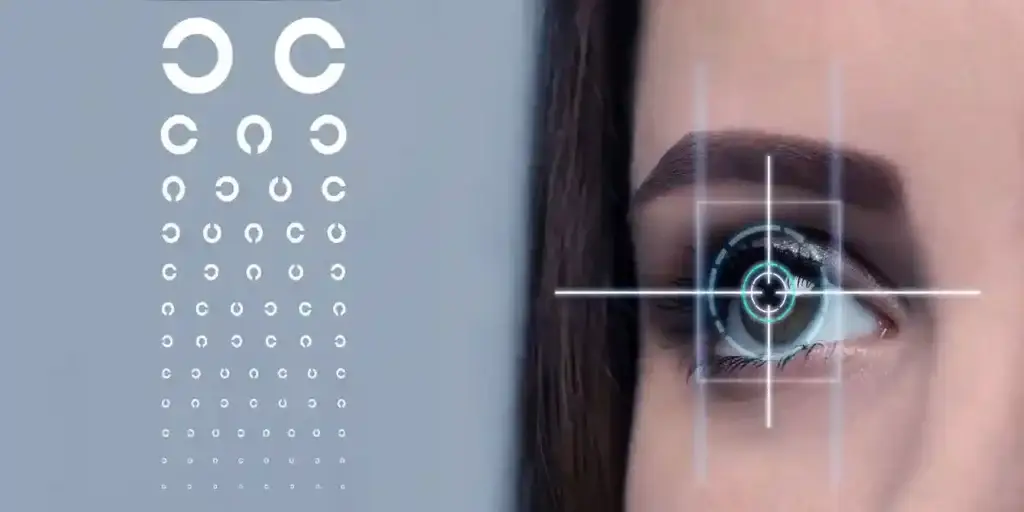
Introduction to Zepbound Dry Eye Syndrome: Another Vexing Side Effect
Welcome to an authoritative exploration on Zepbound Dry Eye Syndrome. Zepbound (tirzepatide) has quickly become a cornerstone therapy for chronic weight management, largely because it supports clinically meaningful weight loss and improves key metabolic markers for many patients. Yet as utilization expands, so does the catalog of patient-reported tolerability issues.
Gastrointestinal effects remain the most recognized, but a growing number of patients and clinicians are asking a more specific question: can Zepbound eye issues contribute to dry eye symptoms, and if so, how should it be evaluated and managed?
This article examines the concept frequently described online as “Zepbound dry eye syndrome”, explains what is known versus what is suspected, and outlines a practical framework for assessment, risk reduction, and escalation of care. The goal is not alarmism. The goal is governance: proactive monitoring, disciplined documentation, and timely intervention to protect long-term outcomes.
If you were prescribed Zepbound and took it as directed and suffered Zepbound Dry Eye Snydrome or Zepbound vision loss or other Zepbound eye problems, contact Zepbound Vision Loss Lawyer Timothy L. Miles today. You could be eligible for a Zepbound vision loss lawsuit and potentially entitled to substantial compensation. (855) 846–6529 or [email protected].
Zepbound Vision Loss Lawsuit Update
Patients taking Zepbound and other GLP-1 drugs who developed permanent vision loss from NAION (non-arteritic anterior ischemic optic neuropathy) are suing Eli Lilly. Federal lawsuits over GLP-1 vision loss are currently grouped into a specialized multidistrict litigation (MDL No. 3163) in the U.S. District Court for the Eastern District of Pennsylvania to manage discovery and early trials.
Zepbound and the NAION Lawsuits
Zepbound (tirzepatide) works by mimicking natural hormones to suppress appetite and blood sugar, but recent research has linked this class of medications to a dangerous eye condition known as NAION. NAION is a sudden, usually painless loss of blood flow to the optic nerve that results in permanent and irreversible vision loss. Plaintiffs allege that drug manufacturers (including Eli Lilly and Novo Nordisk) knew or should have known about the risk of blindness but failed to adequately warn patients and doctors.
Status of the Litigation
What “Zepbound Dry Eye Syndrome” Usually Means
“Dry eye syndrome” is a non-specific label that patients often use to describe a cluster of ocular surface symptoms, including:
- Redness, tearing (reflex tearing can occur in dry eye), or light sensitivity
Clinically, dry eye disease (DED) is a multifactorial disorder of the tears and ocular surface that results in symptoms of discomfort, visual disturbance, and tear film instability. It is often accompanied by increased tear osmolarity and ocular surface inflammation.
When people refer to “Zepbound dry eye syndrome,” they typically mean one of the following scenarios:
- Dryness symptoms driven by dehydration, diet change, or medication interactions that happen to coincide with Zepbound initiation
- Dry eye as part of a broader dryness picture (dry mouth, dry skin) that may indicate systemic contributors
The distinction matters because a symptom that appears “after starting a medication” is not automatically “caused by the medication.” Clear causality requires structured assessment.
In addition to these concerns regarding Zepbound’s potential impact on dry eye symptoms, there are also reports suggesting possible associations with other ocular side effects such as eye floaters which further complicate the clinical picture. It’s crucial for healthcare providers to be aware of these potential eye side effects when prescribing Zepbound and to monitor patients closely for any emerging symptoms.
Is Dry Eye a Known Side Effect of Zepbound?

As of 2026, dry eye is not typically highlighted as a signature adverse effect of GLP-1/GIP therapies in the way nausea, constipation, diarrhea, or reduced appetite are. However, the absence of a prominent label does not negate the possibility of real-world problems. Many effects are underrecognized until post-marketing experience accumulates, especially when they are indirect, multifactorial, or mediated through behavior change (for example, reduced fluid intake due to nausea).
A more accurate framing is this:
- Direct pharmacologic causation is not definitively established for “tirzepatide causes dry eye disease” in the way certain medications are clearly linked to ocular dryness (for example, some antihistamines, anticholinergics, antidepressants, and isotretinoin).
- Indirect pathways are plausible and common, particularly dehydration, reduced blink rate with fatigue, nutritional shifts during rapid weight loss, and changes in systemic inflammation or hormones.
- Patient-reported experiences deserve structured follow-up, because ocular surface disease is highly symptomatic, quality-of-life limiting, and often treatable when addressed early.
In clinical practice, the practical question is not whether dry eye is “on the label.” The practical question is whether a patient on Zepbound has modifiable risk factors and whether symptom onset aligns with a treatable mechanism.
Why Dry Eye Symptoms Might Appear During Zepbound Treatment
Dry eye disease is rarely a single-cause condition. It is best understood as a system problem with multiple inputs, including tear production, tear film composition, eyelid function, inflammation, and environment. Zepbound may intersect with these inputs in indirect but meaningful ways.
For instance, Zepbound has been associated with various eye problems, including dry eye symptoms. Additionally, some patients have reported experiencing eye floaters while on this medication. These Zepbound eye issues highlight the importance of monitoring any ocular symptoms that arise during treatment.
1) Dehydration and Reduced Fluid Intake
One of the most common, non-glamorous drivers is straightforward: patients eat less and sometimes drink less, especially early in treatment when nausea, early satiety, and food aversions are present. Some patients also intentionally restrict fluids to reduce reflux symptoms. Dehydration can worsen:
Importantly, dehydration may not show up as dramatic thirst. It can present as subtle dryness, concentrated urine, constipation, and lightheadedness.

2) Gastrointestinal Side Effects That Affect Electrolytes and Hydration
Diarrhea, vomiting, and reduced intake can contribute to fluid and electrolyte shifts. Even mild shifts can worsen ocular comfort in susceptible individuals, particularly those with baseline meibomian gland dysfunction or autoimmune predisposition.
3) Rapid Weight Loss and Nutritional Imbalance
Weight loss itself is not inherently harmful to the ocular surface, but rapid weight loss with inadequate nutrition can reduce intake of nutrients relevant to tear film health. This scenario is particularly concerning for patients on medications like Zepbound, which have been associated with vision loss in some cases. The issue is not that Zepbound “removes nutrients.” The issue is that appetite suppression and restrictive dieting can unintentionally narrow dietary variety.
4) Hormonal and Inflammatory Shifts
Dry eye disease is influenced by sex hormones and systemic inflammatory tone. Some patients experience changes in menstrual patterns, androgen balance, or thyroid medication requirements during significant weight change. These physiologic shifts can influence meibomian gland function and ocular surface inflammation. The evidence here is not a simple cause-and-effect claim. It serves as a reminder that the ocular surface is not isolated from systemic physiology.
Furthermore, the association between Zepbound usage and vision loss, as reported in several lawsuits, highlights the potential risks involved with this medication. It’s crucial for patients to be aware of these possible side effects, including the recent updates on Zepbound’s impact on vision, which could exacerbate existing conditions such as dry eye disease.
5) Increased Screen Time, Fatigue, and Reduced Blink Rate
Patients navigating nausea, low energy, or lifestyle transitions may spend more time on screens and less time outdoors. Screen use reduces blink frequency and increases tear evaporation. If Zepbound indirectly increases fatigue during dose escalation, it can contribute to a screen-heavy routine that worsens dryness. This is particularly concerning as Zepbound has been linked with various vision problems, including blurry vision and more severe issues like NAION.
6) Medication Stacking and Anticholinergic Load
Many patients taking Zepbound are also taking medications commonly linked with dryness, including:
- Antihistamines (allergy control)
- SSRIs/SNRIs (mood disorders)
- Stimulants (ADHD)
- Blood pressure medications or diuretics (fluid balance)
- Acne therapies (including isotretinoin)
A new symptom may reflect cumulative dryness burden, not a single agent.
If you were prescribed Zepbound and took it as directed and suffered Zepbound Dry Eye Snydrome or Zepbound vision loss or other Zepbound eye problems, contact Zepbound Vision Loss Lawyer Timothy L. Miles today. You could be eligible for a Zepbound vision loss lawsuit and potentially entitled to substantial compensation. (855) 846–6529 or [email protected].
Dry Eye or Something Else? A Differential That Protects Patients
Dryness complaints can mask other conditions. A governance-driven approach means distinguishing common dry eye from more urgent issues.
Consider alternative or co-existing diagnoses:
- Allergic conjunctivitis (itching is prominent; seasonal pattern; stringy discharge)
- Blepharitis or meibomian gland dysfunction (lid crusting, morning irritation, oily tear film)
- Contact lens-related dryness (worse late day; improves when not wearing lenses)
- Medication-related ocular surface toxicity from preserved eye drops
- Recurrent erosions (sharp pain on awakening)
- Infection (purulent discharge, marked redness, unilateral pain)
- Uveitis, keratitis, or acute angle closure (pain, photophobia, reduced vision; urgent)
Dry eye is common. Vision-threatening disease is less common, but it is precisely the type of risk that benefits from early recognition. It’s crucial to recognize that some of these symptoms could be attributed to Zepbound’s side effects, which may include a variety of vision-related problems.
Red Flags: When to Stop Self-Treating and Seek Urgent Care

Dry eye is usually uncomfortable, not dangerous. However, seek urgent evaluation (same day or within 24 to 48 hours) if any of the following occur:
- Significant eye pain, especially one-sided
- Light sensitivity with worsening redness
- Sudden decrease in vision, persistent blur not relieved by blinking
- New floaters with flashes of light
- Corneal “foreign body” sensation that becomes severe
- Contact lens wear with pain or discharge
- History of autoimmune disease with escalating ocular symptoms
These features shift the probability away from routine dry eye toward conditions that require targeted treatment.
A Practical Self-Assessment Checklist (Useful for Patients and Clinicians)
Before attributing symptoms to Zepbound, document the pattern. Clear documentation reduces uncertainty and improves decision-making.
Track:
- Start date of Zepbound and dose escalation timeline
- Date of symptom onset, whether gradual or sudden
- Hydration markers: urine color, thirst, constipation, dizziness
- Screen exposure: hours per day, breaks, air conditioning/fans
- Contact lens schedule and cleaning regimen
- Other medications started or increased in the same time window
- New supplements or restrictive diets
- Environmental triggers (seasonal allergies, smoke, low humidity)
This level of structure is not bureaucracy. It is risk control.
Management: Stepwise Strategies That Often Help
Dry eye management should be layered and individualized. The objective is consistent improvement, not short-term masking.
However, it’s important to note that some patients have reported severe vision loss associated with Zepbound, leading to lawsuits against its manufacturers. If you find yourself experiencing unusual symptoms after starting this medication, it might be worth considering legal action if you have suffered from blindness as a result.
Furthermore, if your symptoms align with those typically associated with Zepbound usage, such as significant visual impairment or other serious ocular issues, it may be necessary to consult a legal professional about eligibility for a Zepbound vision loss lawsuit.
If you were prescribed Zepbound and took it as directed and suffered Zepbound Dry Eye Snydrome or Zepbound vision loss or other Zepbound eye problems, contact Zepbound Vision Loss Lawyer Timothy L. Miles today. You could be eligible for a Zepbound vision loss lawsuit and potentially entitled to substantial compensation. (855) 846–6529 or [email protected].
Step 1: Address Hydration and Behavioral Drivers of Zepbound Dry Eye Snydrome
If symptoms began during dose escalation, start with the highest-yield interventions:
- Hydrate deliberately, not passively. Small, frequent sips are often better tolerated if nausea is present.
- Consider electrolyte balance if diarrhea or vomiting occurred, using clinician-appropriate guidance.
- Use the 20-20-20 rule for screen use: every 20 minutes, look 20 feet away for 20 seconds.
- Blink training: intentional complete blinks reduce evaporation.
- Modify airflow: avoid direct fans or car vents toward the eyes; consider a humidifier.
These measures address the common “indirect pathway” drivers without changing medication.
Step 2: Use Lubrication Correctly (And Choose the Right Type) to help Zepbound Dry Eye Snydrome
Not all artificial tears are equivalent.
- Preservative-free tears are preferred for frequent use. Preservatives can irritate the ocular surface when used often.
- Use gel drops or ointment at night if morning symptoms are prominent.
- If symptoms are primarily “evaporative” (worse on screens, windy environments), lipid-based tears may perform better.
Avoid excessive “get-the-red-out” drops. They may reduce redness temporarily while worsening rebound irritation.
Step 3: Treat Eyelid Margin Disease if Present
Many “dry eye” cases are actually meibomian gland dysfunction (MGD), where the oil layer is deficient and tears evaporate too quickly.
- Warm compresses (consistent, not occasional)
- Lid hygiene (gentle cleansing)
- In-office therapies may be recommended by eye care professionals for persistent MGD
This step is often overlooked, yet it directly targets the most common dry eye mechanism in adults.
Step 4: Escalate to Anti-Inflammatory Therapy When Appropriate for Zepbound Dry Eye Snydrome
Chronic dry eye is frequently inflammatory. If basic measures fail, an optometrist or ophthalmologist may recommend:
- Prescription anti-inflammatory drops
- Short courses of steroid drops in select cases (requires monitoring)
- Punctal plugs for tear conservation in some patients
- Evaluation for rosacea, allergy overlap, or autoimmune contributors
Escalation is not a failure. Escalation is governance.

Should You Stop Zepbound If You Develop Dry Eye?
In most cases, no immediate discontinuation is required, particularly if symptoms are mild and manageable with hydration optimization and ocular surface care. However, the decision should be individualized based on:
- Symptom severity and functional impact
- Response to first-line measures
- Presence of red flags
- Co-existing risk factors (contact lenses, prior corneal disease, autoimmune disease)
- Availability of alternative weight management strategies
If symptoms clearly worsen with each dose increase and improve when the dose is held, that pattern should be documented and discussed with the prescribing clinician. Options may include slower titration, addressing GI side effects more aggressively, or reassessing concurrent medications that contribute to dryness.
It is crucial to note that Zepbound has been associated with various vision side effects, including dry eye syndrome. Therefore, do not change dosing without clinician guidance. The objective is continuity of care with safety controls in place.
If you were prescribed Zepbound and took it as directed and suffered Zepbound Dry Eye Snydrome or Zepbound vision loss or other Zepbound eye problems, contact Zepbound Vision Loss Lawyer Timothy L. Miles today. You could be eligible for a Zepbound vision loss lawsuit and potentially entitled to substantial compensation. (855) 846–6529 or [email protected].
How Clinicians Can Evaluate This More Rigorously
For clinicians seeing “dry eye on Zepbound” complaints, a structured evaluation improves accuracy and patient confidence:
- Confirm whether symptoms are aqueous-deficient or evaporative
- Review systemic contributors: thyroid disease, diabetes control, autoimmune history
- Review medication list for additive dryness burden
- Ask specifically about vomiting/diarrhea and hydration since the last dose change
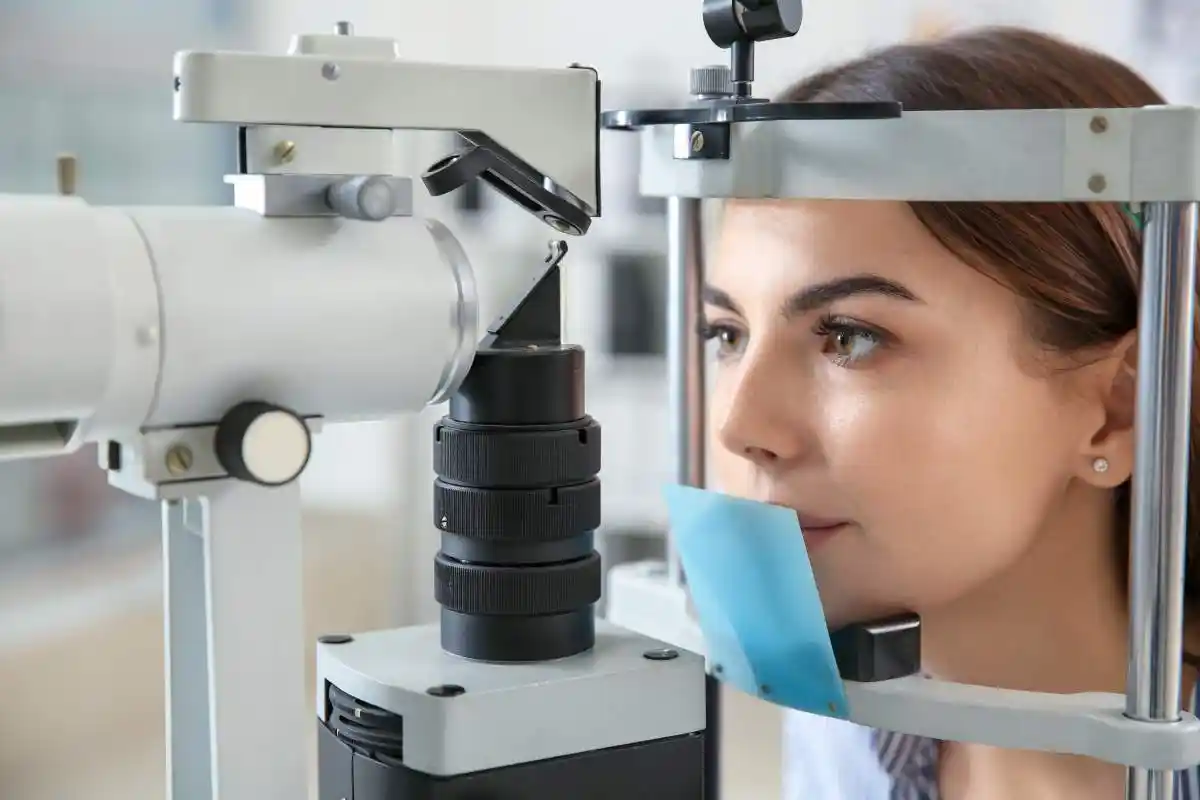
- Coordinate with eye care professionals for slit-lamp evaluation, tear breakup time, corneal staining, and meibomian assessment when symptoms persist
A coordinated approach reduces fragmented care, reduces unnecessary discontinuation, and improves outcomes.
The Impact of Saxenda on Vision Health
Similarly to Zepbound, Saxenda, another weight management medication, has also been reported to cause adverse vision side effects. Therefore, it’s essential for healthcare providers to monitor any changes in vision closely when these medications are prescribed.
Risk Reduction: Proactive Habits Before Symptoms Start
The most effective strategy is often prevention, particularly during initiation and dose escalation.
Consider these proactive measures:
- Build a hydration plan that is realistic during appetite suppression
- Avoid aggressive dietary restriction that compromises nutrient density
- Plan screen breaks, especially for remote work routines
- Consider baseline eye evaluation if there is a known history of dry eye, MGD, or contact lens intolerance
- Maintain consistent sleep hygiene, because ocular surface recovery is sleep-dependent
This is forward-thinking patient management: anticipating predictable friction points before they become clinical problems.If you were prescribed Zepbound and took it as directed and suffered Zepbound Dry Eye Snydrome or Zepbound vision loss or other Zepbound eye problems, contact Zepbound Vision Loss Lawyer Timothy L. Miles today. You could be eligible for a Zepbound vision loss lawsuit and potentially entitled to substantial compensation. (855) 846–6529 or [email protected].
Frequently Asked Questions about Zepbound Dry Eye Syndrome
What is ‘Zepbound dry eye syndrome’ and what symptoms does it include?
‘Zepbound dry eye syndrome’ refers to a cluster of ocular surface symptoms reported by some patients using Zepbound (tirzepatide), including burning, stinging, gritty sensation, intermittent blurry vision especially after screen time, redness, tearing, light sensitivity, contact lens intolerance, and sensation of fluctuating clarity that improves with blinking.
Is dry eye disease a known side effect of Zepbound (tirzepatide)?
As of 2026, dry eye is not officially recognized as a signature adverse effect of GLP-1/GIP therapies like Zepbound. However, while direct pharmacologic causation is not definitively established, indirect pathways such as dehydration, reduced blink rate due to fatigue, nutritional changes during weight loss, and systemic inflammation may contribute to dry eye symptoms in some patients.
How can Zepbound treatment lead to the development or worsening of dry eye symptoms?
Zepbound may contribute indirectly to dry eye symptoms through factors like dehydration from reduced fluid intake (especially early in treatment due to nausea), dietary changes during rapid weight loss, altered systemic inflammation or hormones, and fatigue leading to reduced blink rate. These multifactorial inputs can affect tear production and ocular surface health.
What should healthcare providers do to manage potential dry eye symptoms in patients taking Zepbound?
Healthcare providers should proactively monitor for ocular symptoms in patients on Zepbound, conduct structured assessments to distinguish causality from coincidence, document findings carefully, identify modifiable risk factors such as hydration status and medication interactions, and intervene timely with appropriate treatments or referrals to protect long-term ocular health.
Can Zepbound cause other eye-related side effects besides dry eye symptoms?
Yes, there are patient reports suggesting possible associations between Zepbound use and other ocular side effects such as eye floaters. These emerging observations highlight the importance of monitoring any new or worsening eye symptoms during treatment with Zepbound.
Why is it important not to assume all new dry eye symptoms after starting Zepbound are caused by the medication?
Because symptom onset after starting a medication does not automatically imply causation. Dry eye disease is multifactorial and can be influenced by dehydration, diet changes, other medications, or systemic conditions. Clear causality requires structured assessment to differentiate between coincidental timing and true medication-induced effects.
If you were prescribed Zepbound and took it as directed and suffered Zepbound Dry Eye Snydrome or Zepbound vision loss or other Zepbound eye problems, contact Zepbound Vision Loss Lawyer Timothy L. Miles today. You could be eligible for a Zepbound vision loss lawsuit and potentially entitled to substantial compensation. (855) 846–6529 or [email protected].
Closing Perspective: Treat the Symptom, Manage the System
Zepbound has reshaped the weight management landscape, but high-impact therapies require high-quality monitoring. Dry eye symptoms, whether directly related to tirzepatide or indirectly driven by treatment-related changes, are not trivial. They degrade quality of life, reduce adherence, and can lead to avoidable complications when ignored.
The path forward is disciplined and practical: document onset and triggers, correct hydration and behavioral drivers, treat the ocular surface with evidence-based steps, and escalate care when symptoms persist. Repetition for emphasis is appropriate here: proactive measures protect outcomes, proactive measures protect adherence, proactive measures protect long-term success.
If you are experiencing persistent or severe symptoms, coordinate with both your prescribing clinician and an eye care professional. That is not overreaction. That is robust, patient-centered governance.

If You Suffered from Zepbound Dry Eye Snydrome or Other Zepboound Vision Problems, Contact Zepbound Vision Loss Lawyer Timothy L. Miles Today
If you were prescribed Zepbound and took it as directed and suffered Zepbound Dry Eye Snydrome or Zepbound vision loss or other Zepbound eye problems, contact Zepbound Vision Loss Lawyer Timothy L. Miles today. You could be eligible for a Zepbound vision loss lawsuit and potentially entitled to substantial compensation. (855) 846–6529 or [email protected].
Timothy L. Miles, Esq.
Law Offices of Timothy L. Miles
Tapestry at Brentwood Town Center
300 Centerview Dr. #247
Mailbox #1091
Brentwood,TN 37027
Phone: (855) Tim-MLaw (855-846-6529)
Email: [email protected]
Website: www.classactionlawyertn.com
Facebook Linkedin Pinterest youtube