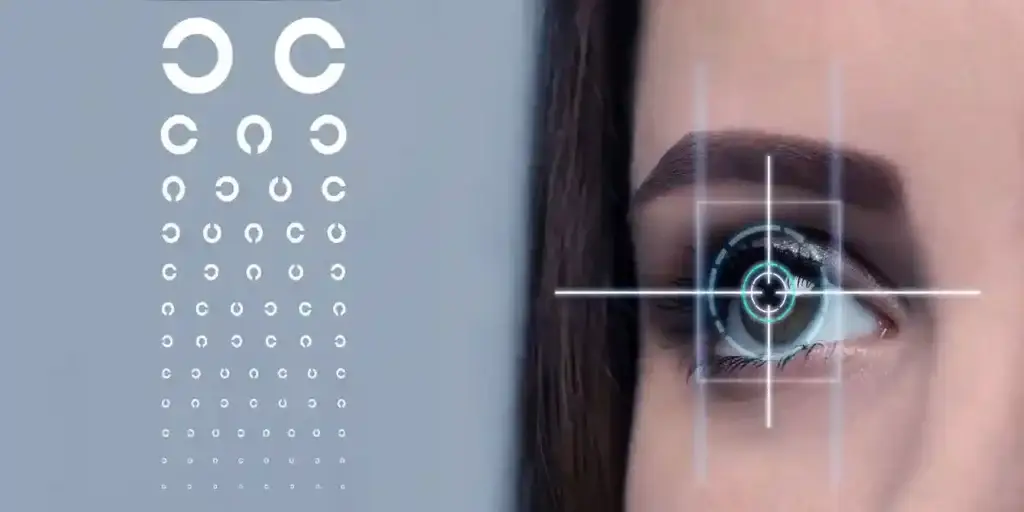
Introduction to Zepbound And Vision Loss
Welcome to an authoritative analysis on Zepbound And Vision Loss. Zepbound (tirzepatide) has helped many people achieve meaningful weight loss. At the same time, a small but important number of patients report eye and vision symptoms while using GLP-1 based medicines. Some events are unrelated to the medication. Some reflect changes in blood sugar, blood pressure, hydration, or pre-existing eye disease. A few represent true emergencies.
This guide explains what patients should know about Zepbound and vision loss, how to recognize warning signs, how clinicians evaluate these symptoms, and how to reduce risk through proactive monitoring and coordinated care.
If you were prescribed Zepbound and took it as directed and suffered Zepbound and NAION, Zepbound vision loss or other Zepbound Vision Side Effects, contact Zepbound Vision Loss Lawyer Timothy L. Miles today. You could be eligible for a Zepbound vision loss lawsuit and potentially entitled to substantial compensation. (855) 846–6529 or tmiles@timmileslaw.com.
What Zepbound Is (And Why Eye Symptoms Can Come Up)
Zepbound is a prescription medicine containing tirzepatide, an injectable treatment used for chronic weight management in adults who meet specific clinical criteria. Tirzepatide is a dual incretin agonist, acting on both:
- GLP-1 (glucagon-like peptide-1) receptors, and
- GIP (glucose-dependent insulinotropic polypeptide) receptors.
These pathways influence appetite, gastric emptying, insulin secretion, and glucagon regulation. As body weight changes, and as glucose control improves (especially in people with insulin resistance or diabetes), several physiologic shifts can affect the eyes, including:
- Rapid changes in blood glucose, which can temporarily alter the shape of the lens and cause blurred vision.
- Fluid balance changes, which can contribute to dryness and fluctuating vision.
- Blood pressure improvement or variability, which can change ocular perfusion in vulnerable individuals.
- Acceleration of diabetic retinopathy in a small subset, historically linked to rapid glycemic improvement rather than a direct toxic effect.
The key point is governance of your care: symptoms need structured triage, documented evaluation, and clear accountability between your prescribing clinician and your eye care clinician.
If you or a loved one has experienced significant vision loss while taking Zepbound, it may be worth exploring potential legal options. There are ongoing lawsuits related to Zepbound and vision loss, which could provide compensation for those affected. Furthermore, understanding who qualifies for a Zepbound vision loss lawsuit can be an essential step towards seeking justice.
Does Zepbound Cause Vision Loss?
A precise, universal answer is not appropriate because “vision loss” is not one condition. It is a symptom that can result from many different eye or neurologic diagnoses.
From a patient-safety perspective, the correct framework is this:
- Most visual changes reported during weight loss therapy are not permanent and may relate to refractive shifts, dry eye, migraine phenomena, dehydration, or medication interactions.
- Some conditions can cause permanent loss if not treated quickly, including retinal detachment, acute glaucoma, optic neuropathies, retinal vascular occlusion, or severe diabetic eye disease.
- In people with diabetes or pre-diabetes, rapid improvement in glucose control can be associated with short-term worsening of diabetic retinopathy in a minority of patients. This phenomenon is not unique to tirzepatide class therapies.
Because outcomes depend heavily on timing, the most important patient action is not self-diagnosis. It is immediate escalation of red-flag symptoms.
Vision Loss: The “Red Flag” Symptoms That Require Urgent Care
Seek same-day emergency care (ER) or urgent ophthalmology evaluation if you develop any of the following, whether or not you think it is related to Zepbound:
- Sudden loss of vision in one or both eyes
- A curtain, veil, or shadow moving across your vision
- New onset flashes of light with a shower of floaters
- Severe eye pain, headache, nausea, and halos around lights (possible acute angle-closure glaucoma)
- Distorted central vision (straight lines appear wavy), especially if it is new
- New double vision, facial droop, trouble speaking, weakness, or imbalance (possible neurologic emergency)
- A sudden blind spot or severe dimming of vision
If a clinician has told you that you have diabetic retinopathy, macular edema, glaucoma, optic nerve disease, or high myopia, treat any acute change as higher risk.
Additionally, there have been reports linking Zepbound to serious visual side effects. You can find more information about these alarming claims and their potential implications through various Zepbound vision loss lawsuits. There are ongoing updates regarding these legal cases, which highlight the severity of the situation. If you or someone you know has experienced significant visual changes while on this medication, it’s crucial to stay informed about the latest developments in these Zepbound vision loss lawsuits, particularly those focusing on Zepbound and vision loss.
Non-Emergency Vision Symptoms Patients Commonly Report
These symptoms still deserve prompt attention, but they are typically evaluated in a non-emergency setting unless they rapidly worsen:
- Intermittent blurred vision, especially during dose changes. This could be linked to Zepbound and blurry vision.
- Difficulty focusing when shifting from near to far
- Dry, gritty, burning eyes – a condition that may relate to Zepbound dry eye syndrome.
- Light sensitivity
- Headaches with visual aura
- “Brain fog” with visual strain, often related to under-eating, dehydration, or sleep disruption
The safety approach is repetitive for emphasis: new symptoms should be documented, tracked, and evaluated, rather than assumed to be “normal.”
If you were prescribed Zepbound and took it as directed and suffered Zepbound and NAION, Zepbound vision loss or other Zepbound Vision Side Effects, contact Zepbound Vision Loss Lawyer Timothy L. Miles today. You could be eligible for a Zepbound vision loss lawsuit and potentially entitled to substantial compensation. (855) 846–6529 or tmiles@timmileslaw.com.
The Most Relevant Diagnoses to Understand
Vision loss is a symptom. The diagnosis determines the treatment and the urgency. Below are the main categories clinicians consider when a patient on Zepbound reports visual changes.
1) Refractive Changes From Rapid Glucose Shifts
When glucose levels change quickly, the lens can swell or de-swell, shifting your prescription temporarily.
Typical pattern
- Blurry vision that fluctuates day to day
- Often occurs when glycemic control improves rapidly
- Usually improves as glucose stabilizes
What to do
- If you have diabetes, review your glucose trends with your clinician.
- Avoid buying multiple new prescriptions quickly; ask your eye doctor if the refractive change is likely transient.
- Still get an eye exam to exclude retinopathy or macular edema.
2) Dry Eye and Ocular Surface Disease
Dietary changes, reduced fluid intake, diuretic effects of other medications, or dehydration from GI side effects can worsen dry eye. This condition may also be exacerbated by Zepbound’s eye side effects, which include worsening dry eye symptoms.
Typical pattern
- Burning, grittiness, foreign-body sensation
- Vision that improves after blinking
- Worse with screens, wind, or low humidity
What to do
- Hydration and electrolyte balance matter.
- Ask about preservative-free artificial tears.
- Review other medications (antihistamines, isotretinoin, some antidepressants) that worsen dryness.
3) More Severe Visual Impairments
In rare cases, patients on Zepbound may experience severe visual impairments such as blindness. If you or someone you know is facing such drastic changes in vision while on Zepbound, it is crucial to seek immediate medical attention. In these situations where negligence is suspected in prescribing the medication without proper warnings about potential side effects leading to severe outcomes like blindness, legal action may be considered. For more information about this aspect including potential legal remedies available for affected individuals, refer to this Zepbound blindness lawsuit page.
If you were prescribed Zepbound and took it as directed and suffered Zepbound and NAION, Zepbound vision loss or other Zepbound Vision Side Effects, contact Zepbound Vision Loss Lawyer Timothy L. Miles today. You could be eligible for a Zepbound vision loss lawsuit and potentially entitled to substantial compensation. (855) 846–6529 or tmiles@timmileslaw.com.
3) Diabetic Retinopathy and Diabetic Macular Edema
If you have diabetes, the retina is already a focus of risk governance. Rapid improvement in glucose control can, in some cases, be associated with a temporary worsening of retinopathy.
What patients notice
- Blurry or distorted central vision
- New floaters
- Dark spots or patches
What matters most
- Your baseline eye status before you start therapy
- The speed and magnitude of A1C improvement
- Close follow-up with ophthalmology if you already have retinopathy
This is not a reason to avoid treatment. It is a reason to implement structured monitoring.
4) Retinal Tear or Retinal Detachment
These conditions are not “Zepbound side effects,” but they can occur coincidentally. They are emergencies because delayed care increases risk of permanent loss. For more information on the worst vision side effects of Zepbound, please refer to the link.
Classic symptoms
- Flashes, many new floaters, curtain/shadow in vision
Action
- Emergency eye evaluation.
5) Retinal Vascular Occlusion (Artery or Vein)
A retinal artery occlusion is often treated like a stroke-level emergency. Vein occlusions also require rapid ophthalmology assessment.
Symptoms
- Sudden painless vision loss or severe blur
- Often one eye
Risk factors
- Hypertension, diabetes, smoking, clotting disorders, sleep apnea, migraine with aura, older age
6) Optic Neuropathy (Optic Nerve Disorders)
Optic nerve conditions can cause dimming, color desaturation, and central vision loss. Multiple etiologies exist, including inflammatory, ischemic, compressive, toxic, and nutritional causes.
Symptoms
- Reduced color brightness
- Pain with eye movement (sometimes)
- Central blur or blind spot
Because neurologic causes are possible, evaluation may involve ophthalmology and neurology.
It’s important to note that certain diabetes medications can also lead to serious vision side effects. For instance, Trulicity, Mounjaro, and Saxenda have been reported to cause various ocular complications.
7) Acute Angle-Closure Glaucoma
This is a true emergency, typically with severe pain and systemic symptoms.
Symptoms
- Severe eye pain, headache, nausea
- Halos around lights
- Rapid decrease in vision
Action
- ER or urgent ophthalmology immediately.
Who Is at Higher Risk of Serious Eye Complications?
You may need closer monitoring if you have any of the following:
- Diabetes, especially longstanding or poorly controlled
- Known diabetic retinopathy or prior retinal laser/injections
- History of macular edema
- Glaucoma or optic nerve abnormalities
- High myopia (very nearsighted), which increases retinal detachment risk
- Prior retinal tear/detachment
- Significant hypertension, vascular disease, or smoking history
- Sleep apnea (linked to vascular and optic nerve issues)
- Use of medications that can worsen dehydration or ocular surface symptoms
If any apply to you, the goal is not fear. The goal is governance: define roles, define monitoring, and define escalation pathways before symptoms occur.
Practical Monitoring Plan Before and During Zepbound
A proactive plan reduces the chance of delayed diagnosis.
Before you start (or as soon as possible)
- If you have diabetes or any known eye disease, schedule a dilated eye exam.
- Ask your eye clinician to document baseline findings: visual acuity, intraocular pressure if relevant, retinal status (retinopathy stage, macular edema presence), and optic nerve assessment.
During dose escalation and early weight loss
Track symptoms using a simple log. Record the following information:
- Date, dose, and injection day
- Vision symptoms (which eye, onset time, duration, triggers)
- Associated symptoms (headache, nausea, eye pain, neurologic symptoms)
- Glucose readings if you monitor them
If you have diabetes and retinopathy
- Ask your ophthalmologist how frequently you should be seen during periods of rapid A1C improvement.
- Ensure your prescribing clinician knows your retinopathy status.
- Avoid rapid, unmanaged changes in multiple glucose-lowering drugs simultaneously unless clinically necessary and supervised.
What to Do If You Notice Vision Changes on Zepbound
Use this structured decision tree.
Step 1: Determine urgency
- If you have red-flag symptoms (sudden loss, curtain, flashes and floaters, severe pain, neurologic symptoms), seek urgent care immediately.
- If symptoms are mild but persistent (blur, dryness, focusing issues), schedule an eye appointment within days to a few weeks, sooner if worsening.
Step 2: Do not assume it is “just a side effect”
Even if the timing matches a dose increase, you still need a basic eye evaluation to rule out emergencies and prevent avoidable harm.
Step 3: Contact your prescriber for medication guidance
Ask specifically:
- Should I hold the next dose until I am evaluated?
- Could dehydration, low intake, or low blood sugar be contributing?
- Are there medication interactions or other conditions that change my risk?
Do not stop prescription therapy abruptly without clinician input unless you are in an emergency situation where a clinician instructs you to stop.
If you were prescribed Zepbound and took it as directed and suffered Zepbound and NAION, Zepbound vision loss or other Zepbound Vision Side Effects, contact Zepbound Vision Loss Lawyer Timothy L. Miles today. You could be eligible for a Zepbound vision loss lawsuit and potentially entitled to substantial compensation. (855) 846–6529 or tmiles@timmileslaw.com.
How Clinicians Evaluate Vision Loss in This Setting
Knowing the typical workup helps you advocate for yourself.
Eye evaluation commonly includes
- Visual acuity testing
- Pupillary exam (including for afferent pupillary defect)
- Dilated retinal exam
- Optical coherence tomography (OCT) to assess the macula for edema
- Fundus photography
- Intraocular pressure measurement when indicated

Additional medical evaluation may include
- Blood pressure assessment
- Glucose review, A1C trends
- Neurologic evaluation if symptoms suggest stroke, TIA, or optic nerve disease
- In select cases, imaging (MRI) or vascular studies
If you feel dismissed, reframe the concern: “This is a new visual change with potential for permanent loss. I need an urgent determination of whether this is retinal, optic nerve, or neurologic.”
Should You Stop Zepbound if You Have Vision Problems?
There is no single correct answer. The decision depends on:
- The severity of symptoms
- The diagnosis (dry eye versus retinal detachment are fundamentally different)
- Your diabetes status and retinopathy stage
- The risk of stopping therapy abruptly versus the risk of continuing during evaluation
A governance-based approach is best:
- Ophthalmology determines ocular diagnosis and urgency.
- Prescriber determines medication continuation, dose timing, and metabolic management.
- Both communicate. The patient is not the communication bridge. The system should be.
If you cannot obtain timely eye evaluation and symptoms are significant, clinicians often take a conservative approach and pause therapy until assessed, but this is individualized.
However, if you’re experiencing vision problems that could be linked to Zepbound, it’s crucial to address these concerns promptly. It’s important to understand that certain side effects from medications like Zepbound can lead to serious eye problems such as retinal detachment, which requires immediate medical attention.
Prevention: The Most Effective Risk-Reduction Steps
Patients often look for one decisive action. In reality, prevention is a bundle, and the bundle works.
- Get a baseline dilated exam if you have diabetes or any known eye condition.
- Stabilize glucose improvements under supervision, especially if starting multiple therapies.
- Avoid dehydration, particularly if you have nausea, vomiting, or reduced intake.
- Manage blood pressure consistently, avoiding extremes.
- Report symptoms early, with specific descriptors (sudden vs gradual, one eye vs both, pain vs painless).
- Maintain follow-up discipline, especially during the first months of treatment and during dose escalation.
Repetition matters because outcomes are time sensitive: early recognition, early evaluation, early treatment.
Should I get new glasses right away if my vision changes?
If your clinician suspects glucose-related refractive fluctuation, your prescription may shift again as glucose stabilizes. An eye exam can determine whether changes are refractive only or related to retinal disease.
A Patient Checklist You Can Use Today
- I can describe my symptom precisely (sudden/gradual, one/both eyes, pain/no pain).
- I know the red flags that require same-day emergency evaluation.
- If I have diabetes, I have arranged a dilated eye exam or confirmed my last exam date.
- My prescriber knows whether I have diabetic retinopathy or other eye disease.
- I track dose changes, hydration, glucose trends, and symptom timing.
- I have a clear plan for who to call first: eye clinic, prescriber, or emergency services.
Closing Perspective: Proactive Monitoring Is the Standard of Care
Zepbound can be a powerful tool for long-term health improvement. Vision changes, when they occur, should be approached with seriousness and structure. The goal is not alarm. The goal is integrity in care: clear triage, timely evaluation, and coordinated decision-making.
If you take only one principle from this guide, make it this: new vision loss is always urgent until proven otherwise.
If you were prescribed Zepbound and took it as directed and suffered Zepbound and NAION, Zepbound vision loss or other Zepbound Vision Side Effects, contact Zepbound Vision Loss Lawyer Timothy L. Miles today. You could be eligible for a Zepbound vision loss lawsuit and potentially entitled to substantial compensation. (855) 846–6529 or tmiles@timmileslaw.com.
Frequently Asked Questions about Zepbound and Vision Loss
What is Zepbound (tirzepatide) and how does it work for weight loss?
Zepbound is a prescription injectable medication containing tirzepatide, used for chronic weight management in adults meeting specific clinical criteria. It acts as a dual incretin agonist on GLP-1 and GIP receptors, influencing appetite, gastric emptying, insulin secretion, and glucagon regulation to help achieve meaningful weight loss.
Can Zepbound cause vision loss or eye-related side effects?
While most visual changes during Zepbound therapy are temporary and related to factors like refractive shifts, dry eye, or dehydration, some patients may experience serious eye symptoms. Rapid blood glucose changes can worsen diabetic retinopathy in a small subset. True emergencies such as retinal detachment or acute glaucoma require immediate care. Vision loss is not directly caused by Zepbound but may be linked to physiological changes during treatment.
What are the ‘red flag’ eye symptoms that require urgent medical attention while using Zepbound?
Patients using Zepbound should seek same-day emergency care if they experience sudden vision loss, curtain or shadow over vision, new flashes of light with floaters, severe eye pain with headache and nausea, distorted central vision (wavy lines), new double vision or neurological symptoms (facial droop, weakness), or sudden blind spots or dimming of vision.
How can patients reduce the risk of vision problems while taking Zepbound?
Risk reduction involves proactive monitoring and coordinated care between prescribing clinicians and eye care specialists. Patients should report any new or worsening eye symptoms promptly for structured triage and evaluation. Managing blood sugar gradually and monitoring pre-existing eye diseases like diabetic retinopathy are essential steps.
Are there ongoing lawsuits related to Zepbound and vision loss?
Yes, there are ongoing class action lawsuits concerning reports of vision loss linked to Zepbound use. Individuals who have experienced significant vision impairment while taking the medication may explore potential legal options to seek compensation. Understanding eligibility criteria for these lawsuits is important for affected patients.
What should patients with diabetes know about using Zepbound regarding their eye health?
Patients with diabetes or pre-diabetes should be aware that rapid improvements in glucose control from therapies like Zepbound can temporarily worsen diabetic retinopathy in some cases. Close ophthalmologic monitoring before and during treatment is crucial to detect and manage any progression early and prevent permanent vision damage.
If You Suffered from Zepbound and NAION or Other Zepboound Vision Problems, Contact Zepbound Vision Loss Lawyer Timothy L. Miles Today
If you were prescribed Zepbound and took it as directed and suffered Zepbound and NAION, Zepbound vision loss or other Zepbound Vision Side Effects, contact Zepbound Vision Loss Lawyer Timothy L. Miles today. You could be eligible for a Zepbound vision loss lawsuit and potentially entitled to substantial compensation. (855) 846–6529 or tmiles@timmileslaw.com.
Timothy L. Miles, Esq.
Law Offices of Timothy L. Miles
Tapestry at Brentwood Town Center
300 Centerview Dr. #247
Mailbox #1091
Brentwood,TN 37027
Phone: (855) Tim-MLaw (855-846-6529)
Email: tmiles@timmileslaw.com
Website: www.classactionlawyertn.com