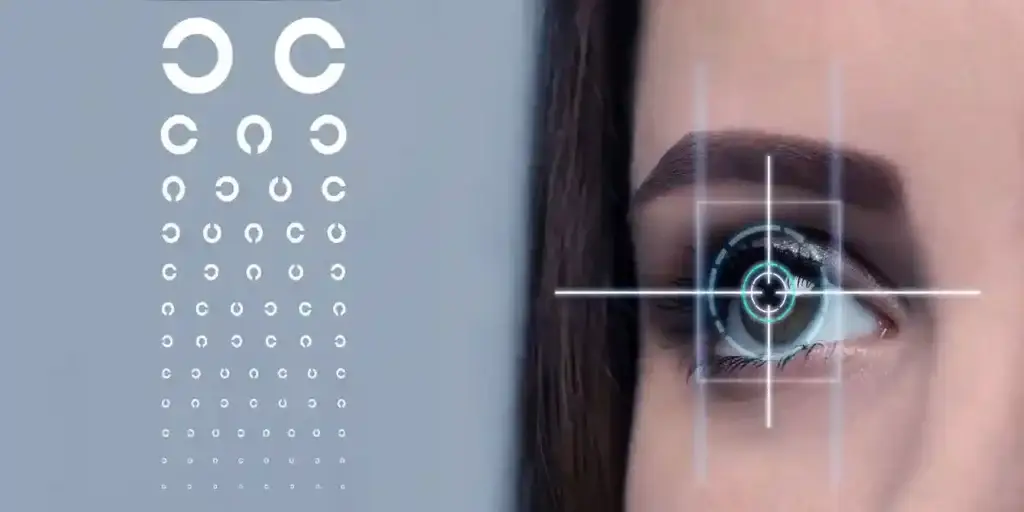
Introduction to a Patient Guide to Zepbound and Eye Floaters
Welcome to this authoritative analysis of Zepbound and Eye Floaters. Zepbound (tirzepatide) has quickly become a cornerstone therapy for chronic weight management, particularly for adults with obesity or overweight plus weight-related comorbidities. As use expands, more patients are asking practical, safety-focused questions that do not always appear in the first conversation with a prescriber.
One of the most common concerns is visual symptoms, especially eye floaters. Floaters are usually benign, but they can also be an early sign of urgent retinal disease. This guide explains what is known, what is not known, and what patients should do if floaters occur while taking Zepbound.
If you were prescribed Zepbound and took it as directed and suffered Zepbound and Eye Floaters, Zepbound vision loss or other Zepbound eye problems, contact Zepbound Vision Loss Lawyer Timothy L. Miles today. You could be eligible for a Zepbound vision loss lawsuit and potentially entitled to substantial compensation. (855) 846–6529 or [email protected].
What Zepbound Is, and Why Eye Symptoms Come Up
Zepbound is a once-weekly injectable medication containing tirzepatide, a dual GIP (glucose-dependent insulinotropic polypeptide) receptor agonist and GLP‑1 (glucagon-like peptide‑1) receptor agonist. It is prescribed for chronic weight management and is also closely related to therapies used to improve glycemic control in type 2 diabetes.
Eye questions arise for three main reasons:
- Weight loss and metabolic change can be rapid, particularly during dose escalation.
- Some patients using incretin-based therapies also have diabetes, and diabetes is strongly linked to retinal disease.
- A small set of serious eye conditions can present with floaters, and patients want to know whether Zepbound is involved.
The key point is straightforward: floaters are common in the general population, and most are not dangerous. The safety task is identifying the minority of cases that require urgent care.
However, it’s important to note that some users have reported experiencing Zepbound eye problems while on the medication. These issues range from dry eye syndrome, which can result from rapid metabolic changes due to weight loss, to more serious vision problems that warrant immediate medical attention.
If you find yourself dealing with Zepbound and eye floaters, it’s crucial to understand that while they are often harmless, they can sometimes signal a need for urgent care. Always consult with your healthcare provider about any new or worsening symptoms you may experience while taking Zepbound.
What Are Eye Floaters?
Eye floaters are visual perceptions of small moving shapes such as dots, threads, cobwebs, or translucent blobs. They often drift as the eye moves and may be more noticeable against bright, uniform backgrounds like a white wall or blue sky.
Most floaters arise from changes in the vitreous humor, the gel-like substance filling the back of the eye. With age or myopia, the vitreous can liquefy and pull away from the retina, a process called posterior vitreous detachment (PVD). PVD is common and typically benign, but it can sometimes cause retinal tears.
Common benign causes
- Age-related vitreous changes
- Myopia (nearsightedness)
- Prior cataract surgery
- Mild vitreous degeneration
Potentially urgent causes
- Retinal tear or retinal detachment
- Vitreous hemorrhage (bleeding into the vitreous), often from diabetic retinopathy
- Uveitis (intraocular inflammation)
- Less commonly, ocular infection or trauma-related pathology
Because the symptom overlaps, the presence of floaters alone does not diagnose the cause. The pattern of symptoms and the exam determine urgency.
Does Zepbound Cause Eye Floaters?
As of 2026, there is no simple, universal answer because:
- Floaters are common and frequently occur independent of medication use.
- Visual complaints can be underreported or described imprecisely.
- Some eye events may be related not to a direct drug effect, but to rapid metabolic shifts, especially in people with diabetes.
What can be said with clinical discipline is this:
- While Zepbound is not commonly described as a direct cause of vitreous floaters, it is important to note that some patients using incretin-based therapies may experience vision-related symptoms that warrant attention.
- This is particularly true for individuals with diabetes or pre-existing retinal disease.
- A sudden increase in floaters, floaters with flashes, or visual field loss should be treated as urgent regardless of suspected cause.
In practice, the safest approach is to treat new or changing floaters as a symptom that deserves triage, rather than assuming they are “just a side effect.”

The Most Important Distinction: Benign Floaters vs Retinal Warning Signs
Patients often search for reassurance, but the more valuable goal is accurate risk recognition. Use the following triage framework.
Seek same-day urgent eye care (ER or urgent ophthalmology) if you have:
- Floaters that appear suddenly or increase dramatically within hours or days
- Flashes of light (photopsias), especially in peripheral vision Learn more about photopsias here
- A shadow, curtain, or missing area in your visual field
- Sudden blurred vision or a noticeable drop in visual acuity
- New floaters after eye trauma
- New floaters with eye pain, redness, or marked light sensitivity
These are classic warning signs for retinal tear, retinal detachment, vitreous hemorrhage, or significant inflammation. Time matters because retinal detachment is more treatable before the central retina (macula) is involved.
Schedule a prompt but non-emergency eye exam if:
- Floaters are mild, stable, and not accompanied by flashes or field loss
- You notice floaters gradually and they do not worsen
- You have known PVD and your clinician has already evaluated the retina, but symptoms subtly change
Monitor and mention at your next visit if:
- Floaters are long-standing and unchanged
- You have had a prior normal dilated exam for the same symptoms
If you are uncertain, err on the side of urgent evaluation, especially if symptoms are new.
How Zepbound Might Be Indirectly Related to Visual Changes
Even when a medication does not directly damage ocular structures, it can be associated with eye symptoms through indirect pathways. For Zepbound, patients and clinicians most often discuss three mechanisms.
1) Rapid glycemic improvement in people with diabetes
If you have type 2 diabetes and your blood glucose improves significantly over a short period, diabetic retinopathy can transiently worsen. This phenomenon has been described historically with intensive glycemic control strategies, and it remains clinically relevant. It’s important to note that there are ongoing lawsuits related to Zepbound, which include claims about its potential effects on diabetic retinopathy.
Why it matters for floaters:
- Worsening retinopathy can lead to retinal bleeding and vitreous hemorrhage, which may present as new floaters, haze, or “smoke-like” vision.
- This is not a reason to avoid glucose improvement. It is a reason to coordinate eye care when intensifying metabolic therapy.
If you have diabetes, ask your prescriber:
- When was my last dilated retinal exam?
- Do I have known diabetic retinopathy, and if so, what severity?
- Should we plan a follow-up eye exam after dose escalation or major A1C change?
If you were prescribed Zepbound and took it as directed and suffered Zepbound and Eye Floaters, Zepbound vision loss or other Zepbound eye problems, contact Zepbound Vision Loss Lawyer Timothy L. Miles today. You could be eligible for a Zepbound vision loss lawsuit and potentially entitled to substantial compensation. (855) 846–6529 or [email protected].
2) Dehydration and headache-related visual complaints
Zepbound commonly causes gastrointestinal adverse effects during dose titration, including nausea, vomiting, diarrhea, and decreased appetite. These can contribute to dehydration.
Dehydration does not typically create true vitreous floaters, but it can:
- Trigger headaches or migraines, and migraine aura can produce transient visual phenomena
- Increase general visual discomfort, dry eye symptoms, or light sensitivity, which patients may describe as “floaters” or “spots”
This distinction matters because migraine aura is usually temporary and bilateral, while retinal pathology is often persistent and can be unilateral.
Moreover, there have been reports of more severe side effects associated with Zepbound usage. Some patients have experienced sight-threatening conditions as a result of the medication. If you’re experiencing any alarming visual changes while on Zepbound, it’s crucial to seek immediate medical attention.
3) Blood pressure changes and medication interactions
Weight loss and improved metabolic health can change blood pressure control, leading to adjustments in antihypertensive medications. Sudden blood pressure shifts typically do not cause floaters, but they can be associated with:
- Lightheadedness and transient visual dimming
- Headache-related visual symptoms
The clinical rule remains: persistent new floaters should be examined, even if you suspect a systemic trigger.
Who Is at Higher Risk of Serious Causes of Floaters While on Zepbound?
Certain baseline factors increase the probability that floaters represent more than benign vitreous changes. You should take symptoms especially seriously if you have:
- Diabetes, particularly with known diabetic retinopathy
- High myopia (strong nearsighted prescription)
- A history of retinal tear or detachment
- Recent cataract surgery or other intraocular procedures
- Eye trauma, even seemingly minor
- Inflammatory eye disease history (uveitis)
- Use of anticoagulants or antiplatelet therapy, which can increase bleeding risk in some contexts
These risk factors do not mean Zepbound is the cause. They mean the consequences of missing a retinal event are higher, so evaluation should be faster.
If you were prescribed Zepbound and took it as directed and suffered Zepbound and Eye Floaters, Zepbound vision loss or other Zepbound eye problems, contact Zepbound Vision Loss Lawyer Timothy L. Miles today. You could be eligible for a Zepbound vision loss lawsuit and potentially entitled to substantial compensation. (855) 846–6529 or [email protected].
What To Do If You Notice Floaters After Starting Zepbound
This stepwise plan is designed for patients and caregivers.
Step 1: Identify whether this is an emergency pattern
Ask yourself:
- Did the floaters start suddenly?
- Are there flashes of light?
- Is there a curtain or missing portion of vision?
- Is vision blurred or darker in one area?
- Is there significant eye pain or redness?
If yes to any, treat this as urgent.
Be aware that Zepbound has been linked to various Zepbound eye problems including Zepbound and Eye Floaters. If you experience persistent new floaters after starting Zepbound, it may be indicative of a more serious condition. In such cases, it’s crucial to seek immediate medical attention.
Moreover, if you are experiencing severe side effects such as Zepbound and vision loss, or even Zepbound blindness, you may want to consider legal action. It’s essential to document your symptoms and communicate them effectively to your healthcare provider.
Step 2: Do not stop Zepbound automatically
Stopping Zepbound without guidance can create confusion about cause and can disrupt the treatment plan. In most cases:
- Seek eye evaluation first if symptoms suggest urgency.
- Contact your prescriber promptly to report symptoms and coordinate next steps.
There are exceptions, such as severe systemic allergic reactions, but those are distinct from floaters and require emergency care for different reasons.
Step 3: Arrange the right exam
For new floaters, the most important assessment is typically a:
- Dilated fundus examination (DFE), often with scleral depression when indicated
- Sometimes optical coherence tomography (OCT) or retinal imaging
- In suspected vitreous hemorrhage where the view is limited, ocular ultrasound may be used
An optometrist can identify many problems, but if retinal tear or detachment is suspected, you generally need ophthalmology and sometimes a retina specialist.
Step 4: Document the symptom accurately
When reporting symptoms, details improve triage. Note:
- One eye or both eyes
- Date and time of onset
- Sudden vs gradual onset
- Presence of flashes
- Any field defect (“curtain,” “shadow,” “missing corner”)
- Recent trauma, heavy lifting, or intense exercise
- Diabetes status and recent A1C changes, if known
Step 5: After the eye exam, align the plan with your care team
Depending on findings:
- Benign PVD: you may be told to monitor for warning signs and return if symptoms worsen.
- Retinal tear: laser treatment may be recommended urgently to prevent detachment.
- Retinal detachment: surgical intervention may be needed.
- Vitreous hemorrhage: management depends on cause; diabetic retinopathy often requires a retina specialist and may involve anti-VEGF injections, laser, or surgery.
Zepbound continuation is a separate decision that should be made with your prescribing clinician and eye clinician based on the diagnosis and overall risk profile.
Zepbound, Diabetes, and Retinopathy: A Practical Coordination Checklist
If you are using Zepbound and you have diabetes or prediabetes, proactive governance of your eye health is not optional. It is risk management.
Use this checklist:
- Baseline eye exam: Confirm you have had a dilated retinal exam within the recommended interval for diabetes care.
- Retinopathy status: Ask whether you have retinopathy and, if so, what stage (mild, moderate, severe nonproliferative; proliferative; macular edema).
- A1C trajectory: If your A1C is expected to drop rapidly, discuss the best timing for follow-up retinal assessment.
- Symptom education: Ensure you can identify flashes, curtain vision, and sudden floater showers.
- Shared documentation: Request that key findings are shared between your primary care clinician, endocrinology or obesity medicine clinician, and eye care clinician.
This is proactive care, and proactive care prevents avoidable vision loss.
If you were prescribed Zepbound and took it as directed and suffered Zepbound and Eye Floaters, Zepbound vision loss or other Zepbound eye problems, contact Zepbound Vision Loss Lawyer Timothy L. Miles today. You could be eligible for a Zepbound vision loss lawsuit and potentially entitled to substantial compensation. (855) 846–6529 or [email protected].
Frequently Asked Patient Questions about Zepbound Eye Side Effects
Can Zepbound cause retinal detachment?
While retinal detachment is most commonly related to vitreoretinal traction, retinal tears, high myopia, trauma, and certain ocular surgeries, there is no definitive rule stating that “Zepbound causes detachment.” However, new retinal symptoms require urgent evaluation, regardless of suspected trigger because the condition is time-sensitive.
Are Zepbound and eye floaters a known common side effect listed for Zepbound?
Patients more commonly report gastrointestinal effects. Visual symptoms can occur for many reasons during treatment, including unrelated age-related vitreous changes. The correct approach is not to rely on a symptom list alone but rather to seek clinical evaluation when warning features are present.
What about Zepbound and blurry vision?
It’s important to note that Zepbound has been associated with blurry vision, which can be distressing for patients already managing diabetes.
Is there a link between Zepbound and NAION (Non-Arteritic Anterior Ischemic Optic Neuropathy)?
There have been concerns regarding a potential link between Zepbound and NAION. If you experience sudden vision loss or other serious visual symptoms while on Zepbound, it’s crucial to seek immediate medical attention as this may require urgent intervention.
What should I do if I experience Zepbound and vision loss?
If you find yourself facing vision loss while taking Zepbound, it’s essential to understand that this could be a serious side effect requiring immediate medical attention.
If floaters started after my Zepbound dose increase, does that prove Zepbound caused them?
A temporal association between the increase in Zepbound dosage and the onset of floaters is not definitive proof of causation. The period of dose escalation can often coincide with other factors such as dehydration, changes in headache patterns, sleep disruption, and increased health monitoring, all of which can make visual symptoms like floaters more noticeable. Moreover, it could simply be a coincidence. Given that the differential diagnosis includes urgent retinal diseases, the priority should be on assessment rather than attributing causation. If you are experiencing visual symptoms after a dose increase of Zepbound, it’s crucial to seek immediate medical evaluation. This is especially important considering the potential vision loss associated with Zepbound.
Patient Action Plan: A Clear Summary
If there’s one section to remember from this discussion, let it be this one.
- Floaters are common and often benign.
- Sudden onset of floaters accompanied by flashes or curtain vision are urgent; seek same-day evaluation.
- Avoid self-diagnosis based on online anecdotes.
- Do not stop taking Zepbound automatically; instead seek evaluation and coordinate with your prescriber.
- For individuals with diabetes or known retinopathy, it’s essential to schedule and maintain regular dilated eye exams, especially during periods of rapid metabolic improvement.
If you have experienced any form of vision loss after taking Zepbound, it’s important to consult with an expert who can provide guidance tailored to your specific situation.
Closing Perspective: Proactive Care Protects Vision
Zepbound is a forward-looking therapy because it improves weight-related health risks through sustained metabolic change. The same principle applies to eye safety. Early recognition, early evaluation, and coordinated care protect vision. Repetition matters because outcomes depend on it: new floaters with flashes, new floaters with a curtain, and sudden vision change require urgent assessment.
If you are starting Zepbound or escalating your dose in 2026, plan proactively. Confirm your baseline eye status, understand your personal risk factors, and know exactly what symptoms justify same-day care. That is not alarmism. That is robust patient governance, and it is how preventable harm is avoided.

If You Suffered from Zepbound and Eye Floaters or Other Zepboound Vision Problems, Contact Zepbound Vision Loss Lawyer Timothy L. Miles Today
If you were prescribed Zepbound and took it as directed and suffered Zepbound and Eye Floaters, Zepbound vision loss or other Zepbound eye problems, contact Zepbound Vision Loss Lawyer Timothy L. Miles today. You could be eligible for a Zepbound vision loss lawsuit and potentially entitled to substantial compensation. (855) 846–6529 or [email protected].
Timothy L. Miles, Esq.
Law Offices of Timothy L. Miles
Tapestry at Brentwood Town Center
300 Centerview Dr. #247
Mailbox #1091
Brentwood,TN 37027
Phone: (855) Tim-MLaw (855-846-6529)
Email: [email protected]
Website: www.classactionlawyertn.com