
2026 Legal Alert: Law Offices of Timothy L. Miles
As of March 2026, our firm is tracking two major corporate accountability trends: the surge in Fume Event Lawsuits involving Airbus “bleed air”and Trulicity Vision Loss Lawsuit along with other GlP-1 Drugs. Whether it’s toxic cabin air or pharmaceutical negligence, we are providing the latest evidence for victims seeking justice.
Introduction to Trulicity Vison Loss Lawsuit: Critical Patient Updates
The Trulicity vision loss lawsuit and Trulicity vision nighmare continues with attorneys fielding calls from patients taking Tru) who have suffered serous Truilicity vision problems including the loss of vision in one eye from a detaiched retina. Serious vision healh concerns have skyrocked recently regarding potential Truilicity vision side effects, prompting individuals who took Zepbound and suffered vision loss to file a Truilicitybvision loss lawsuit against the drug’s manufacturer, Eli Lilly and Company alleging that the company failed to warn patients or doctors about these very serious Truilicity eye side effects.
Specifically, there have been cases of a condition called nonarteritic anterior ischemic optic neuropathy (NAION) being reported among patients taking this medication. This has prompted further investigation into whether there is a link between tirzepatide and serious eye complications which current clinical trials and an abundance of adverse event reports by patients have confirmed.
In this critical Truilicity and vision loss update we will inform you on the status of the Truilicity vision loss lawsuit as well as address the numerous Truilicity vision prolems afflicting patients including, unfortunatley, permanent vision loss on one eye.
If you are a patient taking Truilicity, please read this carefully as this is a very serious and debilitating vison health issue that may Truilicity uses are completely unaware off and need to undestand the vital question.

Current Status of the National MDL (March 2026)
- Case Count: There are now 3,363 pending cases in the federal MDL, which is actually shrinking as meritless claims are purged.
- Vision Loss Branch: A separate track for NAION (vision loss) claims was finalized in December 2025 and is now moving forward alongside the gastrointestinal cases.
- Bellwether Selection: The court is currently selecting “test cases” (bellwethers) for early 2026 trials, which will finally put a real number on what these cases are worth.
The “Gold Standard” Diagnostic Tests
- Gastric Emptying Scintigraphy: The primary “gold standard” test where a patient’s digestion is tracked via a radio-labeled meal.
- Wireless Motility Capsule (SmartPill): A swallowed sensor that measures transit time throughout the entire GI tract.
- 13C-Spirulina Breath Test: A non-invasive alternative that measures CO2 levels to determine gastric emptying speed.
Insufficient Evidence (What to Avoid)
- You should be advissed that common scans like CT scans, MRIs, and endoscopies are generally insufficient for the MDL. While these can rule out physical obstructions, they do not measure the actual speed of stomach motility, which is the core requirement for a gastroparesis diagnosis.
COMPARISON OF GLP-1 DRUG PROFILES
|
Drug |
Brand Name | Indication | Form | FDA Approved |
|
Liraglutide |
Victoza | Type 2 diabetes | Injectable | 2010 |
|
Liraglutide |
Saxenda | Weight loss | Injectable | 2014 |
| Semaglutide | Ozempic | Type 2 diabetes | Injectable |
2017 |
|
Semaglutide |
Wegovy | Weight loss | Injectable | 2021 |
| Tirzepadatide | Mounjaro | Type 2 diabetes | Injectable |
2022 |
|
Semaglutide |
Rybelsus | Type 2 diabetes | Injectable | 2023 |
|
Tirzepadatide |
Zepbound |
Weight loss |
Oral |
2023 |
New Vision Loss (NAION) Track
- A dedicated “Vision Injury Track” was established in late 2025. This specifically addresses NAION (Non-Arteritic Anterior Ischemic Optic Neuropathy), an “eye stroke” linked to GLP-1 drugs like Trulicity and Ozempic.
Trulicity and Blurry Vision vs. NAION Update
- The Trap: Most Trulicity users are told Trulicity and blurry vision is just a temporary side effect of blood sugar changes.
- The Legal Reality: New 2026 lawsuits (MDL No. 3163) argue that this “blurriness” can actually be an early sign of NAION (non-arteritic anterior ischemic optic neuropathy), also called an “eye stroke,” which leads to permanent blindness.
- Key Distinction: Temporary blurriness usually fluctuates; NAION typically presents as sudden, painless vision loss in one eye, often noticed right after waking up.
Symptoms of NAION
- Sudden, painless vision loss: Often noticed upon waking.
- Visual field defects: Typically, the upper or lower half of vision is lost (altitudinal defect).
- Blurry spots or reduced central vision.
- Decreased color vision
The American Academy of Ophthalmology states the following on the clinical features of NAION:
Symptoms. NAION typically presents as an acute, monocular, painless loss of vision. Although bilateral presentation is rare, it can occur in the setting of severe blood pressure fluctuation due to surgery, hemodialysis, or excessive blood loss. Ocular discomfort, headache, and periocular pain ]are not typical but have been reported in 10% of patients. Presence of pain should prompt investigation for alternative causes of the vision loss.
Signs. Visual loss is usually less severe in NAION than in arteritic anterior ischemic optic neuropathy (AAION). The absence of light perception is rare in NAION and, if present, should lead the clinician to suspect AAION. At presentation, 50% of NAION patients have VA better than 20/64, and 66% have better than 20/200. Some NAION patients may have normal VA.
The typical visual field defect in NAION is inferior altitudinal vision loss. However, other patterns may be detected, including inferior nasal loss or central, cecocentral, and/or arcuate scotomas.
As in other types of optic neuropathy, dyschromatopsia and relative afferent pupillary defect may be present in NAION. The degree of dyschromatopsia in NAION is proportionate to the VA loss, unlike in optic neuritis, in which the dyschromatopsia is much more severe than would be expected for the level of VA.
Causes and Risk Factors
- Anatomy: A “crowded” optic disc (small cup-to-disc ratio).
Diagnosis and Prognosis
- Diagnosis: Primarily based on clinical examination, showing optic disc swelling (edema).
- Prognosis: The initial vision loss is usually permanent. The optic disc swelling typically resolves in 1 to 2 months.
- Risk to second eye: There is a 15% risk of the second eye becoming involved within 5 years

Treatment and Management
- Controlling blood pressure (especially preventing nighttime dips).
- Managing diabetes and sleep apnea.
- Avoiding excessive hypotension (low blood pressure) during surgeries
Clinical Research Confirming a Higher Risk of NAION in Patients Taking Trulicty and other GLP-1 Drugs
Clinical research and adverse event reporting by patients suggest strongly insinuates that GLP-1 drugs may cause:
- Restricted blood flow to the optic nerve
- Sudden optic nerve ischemia: A medical emergency causing rapid, usually permanent, painless vision loss in one or both eyes due to reduced blood flow (oxygen) to the optic nerve
- Posterior vitreous detachment which can lead to a tear in the retina and detachment of the retina
- Retinal artery occlusion which is an, often permanent, sudden, painless loss of vision in one eye caused by a blockage in the retinal artery, acting as an ocular stroke
- Inflammation of ocular tissues, often termed uveitis or general ocular inflammatory disease, involves redness, pain, severe light sensitivity, and potential vision loss.
Serious Vision Complications Potentially Linked to Trulicity
Understanding Nonarteritic Anterior Ischemic Optic Neuropathy (NAION)
- Nonarteritic Anterior Ischemic Optic Neuropathy (NAION) is the most severe vision complication associated with Trulicity and other Non-Arteritic Anterior Ischemic Optic Neuropathy (NAION). It occurs when there is insufficient blood flow to the optic nerve head, leading to sudden, painless vision loss in one eye.
- The damage caused by this ischemic event affects the nerve tissue responsible for transmitting visual information from the eye to the brain, often resulting in permanent impairment. Patients typically experience this vision loss upon waking or notice it developing over a few hours without any accompanying pain, which distinguishes NAION from other eye emergencies.
The Link Between GLP-1 Receptor Agonists and NAION
- Recent clinical research has found a statistically significant connection between the use of GLP-1 receptor agonists like Trulicity and an increased incidence of NAION. Studies examining patient populations using these medications show a higher risk profile compared to individuals managing diabetes through other treatment methods.
- While the exact mechanism behind Trulicity and vision loss is still being studied, some theories suggest that changes in microvascular blood flow or alterations in blood pressure regulation may compromise the circulation of the optic nerve.
Risk Factors for NAION and other Trulicity Eye Problems
Certain risk factors can increase the susceptibility to NAION in individuals using Trulicity:
- Pre-existing cardiovascular conditions affecting blood flow
- Hypertension or episodes of low blood pressure during sleep
- Small optic disc anatomy (crowded disc)
- Sleep apnea reducing oxygen delivery during rest
- Advanced age, particularly patients over 50 years old
- History of stroke or transient ischemic attacks
- Concurrent use of medications affecting blood pressure
Legal Implications: Trulicity Eye Side Effects Lawsuit
- The potential connection between Trulicity and vision loss has led to multiple lawsuits against Eli Lilly, with plaintiffs claiming that the company failed to adequately disclose the risks of NAION.
- These legal proceedings specifically addressing the Trulicity Eye Side Effects Lawsuit highlight allegations that the manufacturer was aware of potential vision complications but did not make corresponding changes to the product label.
- The cases involving Trulicity and vision loss document instances where patients experienced irreversible visual impairment after starting the medication, significantly impacting their quality of life and independence.
- The seriousness of NAION as a complication goes beyond temporary discomfort; it represents a catastrophic adverse event with long-lasting effects on individuals who are affected.
Trulicity Eye Pain & Inflammation
- While not as common as Trulicity and blurry vision or Ttrulicity eye pain it is being cited in some of the roughly 3,363 GLP-1 lawsuits active as of March 2026.
- Calls continue to come in with Trulicity eye-pain, blurry vision, Trulicity and floaters, and unfortunatley permanent loss of vision in one eye and a very painful condition, as opposed to diabetic retinopathy, which is usually painless.
Trulicity and Floaters and Retinal Issues
- Newer reports of Truliocity and floaters (spots or strings in vision) are being investigated as potential signs of retinal detachment or accelerated diabetic retinopathy complications.
- The current Eli Lilly Zepbound label mentions retinopathy but does not explicitly warn about the sudden onset of floaters leading to permanent Trulicity eye damage.
High-Value Litigation Terms (Permanent Injury)
- Trulicity and NAION: Often called an “eye stroke,” this is the core of current Trulicity vision lawsuits and Zebpound vision loss lawsuits.. It occurs when blood flow to the optic nerve is blocked, leading to sudden, irreversible blindness.
- Optic Nerve Damage: Damage to the “cable” connecting the eye to the brain. Unlike some vision issues, this damage typically does not regenerate, meaning the vision loss is permanent.
- Failure to Warn: The legal basis for most claims. Plaintiffs argue that manufacturers like Eli Lilly (Zepbound/Trulicity) failed to explicitly warn that these drugs could cause permanent Trulicity blindness or Trulicity and NAION.
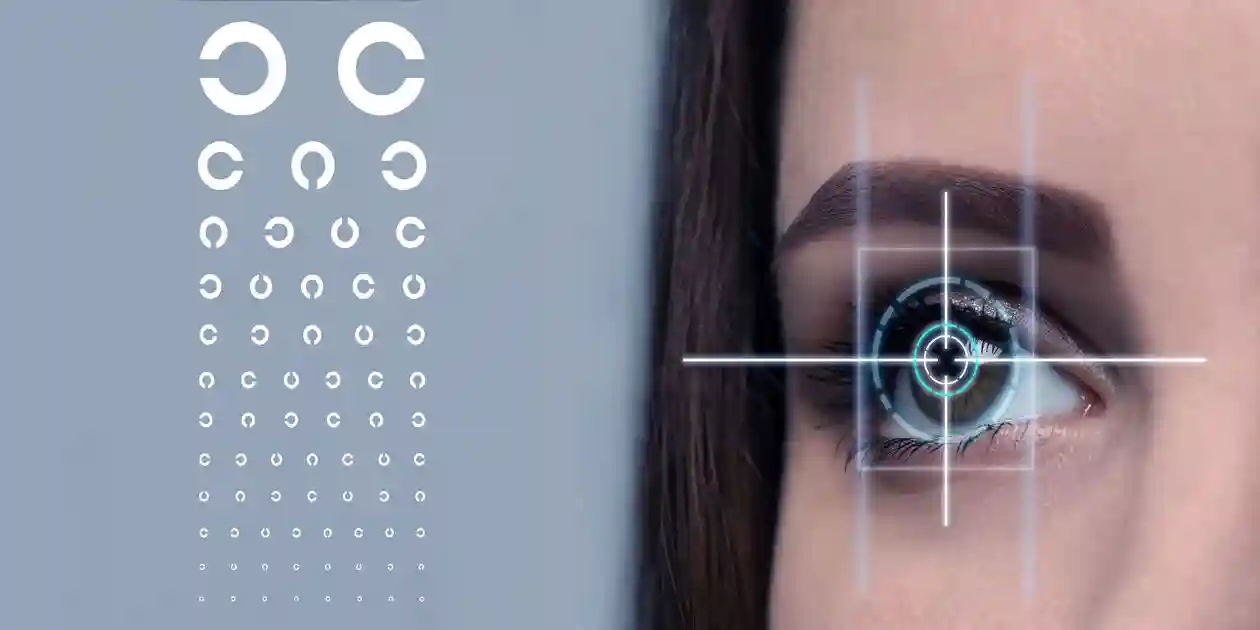
“Red Flag” Symptoms;” Trulicity and Vision Loss
This often occurs upon waking and typically affects only one eye. It is a hallmark symptom of NAION.
Trulicity and Floaters
- Dark specks, strings, or cobweb-like shapes that “drift” across your field of vision. While common with age, a sudden increase in floaters can indicate bleeding in the eye or retinal detachment.
- Trulicity Eye floaters (spots/threads) and flashes (streaks of light) are common, often age-related, symptoms caused by the vitreous gel inside the eye shrinking and pulling on the retina (posterior vitreous detachment). While usually harmless, a sudden increase in floaters or flashes, especially with a dark curtain in vision, requires immediate medical attention to rule out a retinal tear or detachment.
Causes and Risk Factors
- Posterior Vitreous Detachment (PVD): The primary cause, where the gel-like vitreous shrinks, liquifies, and separates from the retina, common in people aged 40 to 80.
- Aging: As the body ages, collagen in the vitreous breaks down and clumps, forming floaters, while the shrinkage creates light-producing flashes.
- Retinal Tear/Detachment: A serious condition where the pulling vitreous tears the retina, requiring immediate treatment to prevent permanent Trulicity blindness
- Other Factors: Migraines,eye injury/trauma, and inflammation (vitritis) can also cause flashes.
Symptoms
- Trulicity and Floaters: Specks, dots, threads, or cobwebs that drift in your field of vision, often seen against a bright, blank background.
- Flashes: Brief, flickering light, sparks, or lightning streaks, typically at the edge of vision.
- Warning Signs: A sudden, significant increase in floaters, frequent flashes, or a “dark curtain” or shadow covering part of your vision.

Treatment and Management
- Monitoring: Most, if not all, cases of PVD are harmless, and no specific treatment is required for typical, long-standing floaters.
- Retinal Evaluation: A dilated eye exam is crucial to determine if the symptoms are benign or indicate a retinal tear, which requires laser therapy or surgery.
- Lifestyle Adjustments: While no direct treatment exists, reducing dryness with eye drops or wearing sunglasses can make, say, floaters less noticeable.
When to Seek Immediate Care
- Peripheral Vision Loss: A “shadow” or dark curtain closing in from the sides or bottom of your vision, often associated with optic nerve injury.
- Eye Pain or Pressure: While Trulicity and NAION is usually painless, persistent pain or a feeling of “fullness” behind the eye can signal acute glaucoma or severe inflammation.
- Loss of Color Perception: A new inability to see colors as brightly as before, or colors appearing “washed out” (dyschromatopsia).
Common Side Effects (Lower Case Value)
- Trulicityu and Blurry Vision / Fluctuating Vision: Vision that shifts from clear to hazy throughout the day. On GLP-1 drugs, this is often a temporary result of rapid blood sugar changes changing the shape of the eye’s lens.
- Diabetic Retinopathy: Worsening of existing damage to blood vessels in the retina. While serious, many GLP-1 labels already mention this, making “failure to warn” claims more difficult for this specific condition compared to NAION.
Vision Injury Checklist & Definitions
- Trulicityand Eye Floaters (Vitreous Floaters): Small dark shapes, “spots,” or “cobwebs” that drift across your field of vision. A sudden onset can signal retinal tearing or bleeding caused by rapid eye pressure changes.
- Trulicity and NAION: Often called an “Eye Stroke.” It is a sudden, painless loss of vision in one eye caused by a lack of blood flow to the optic nerve. This is the “big” permanent injury at the center of 2026 litigation.
- Trulicity and Blurry Vision: A loss of sharpness that makes it hard to see fine details. While often temporary due to blood sugar shifts, persistent blurring can be a precursor to permanent damage.
- Flashes of Light (Photopsia): Seeing “lightning streaks” or sparks, especially in your peripheral vision. This is a major warning sign of a retinal detachment.
- Visual Field Loss: The feeling of a “curtain” or “shadow” falling over part of your vision. This is a medical emergency often linked to optic nerve damage.
Frequently Asked Questions about Trulicity Eye Side Effects Lawsuit
What Are the Trulicity Vision Side Effects?
The Trulicity vision side effects include eye twitching, dry eye syndrome, eye inflammation, NAION, temporary blurred vision, visual disturbances, eye floaters, and other Trulicity vision problems.
What Causes Trulicity and Vision Loss?
The exact mechanism of Trulicity vision side effects is still being investigated. However, the belief is that Trulicity eye problems may be a result of the side effects caused by the medication.
What Are the Trulicity Vision Side Effects?
While not an exhaustive list, some Trulicity eye problems that may be caused by Trulicity include blurred vision, NAION, eye floaters, eye twitching, and inflammation of the eye.

Contact Trulicity Vision Loss Lawyer Timothy L. Miles Today for a Free Case Evaluation
If you were prescribed Trulicity and took it as directed and suffered Trulicity and vision loss or other Trulicity eye problems, contact Trulicity Blindness Lawyer Timothy L. Miles today. You could be eligible for a Trulicity Eye Side Effects Lawsuit and potentially entitled to substantial compensation.
The call is free and so is the fee unless we win or settle your case, so give a Trulicity Vision Loss Lawyer a call today and see if you qualify for a Trulicity Lawsuit. (855) 846–6529 or [email protected].
Timothy L. Miles, Esq.
Law Offices of Timothy L. Miles
Tapestry at Brentwood Town Center
300 Centerview Dr. #247
Mailbox #1091
Brentwood,TN 37027
Phone: (855) Tim-MLaw (855-846-6529)
Email: [email protected]
Website: www.classactionlawyertn.com
Facebook Linkedin Pinterest youtube
