Introduction to Toxic Fume Exposure
Welcome to this authoritative analysis of Toxic Fume Exposure. Toxic fume exposure remains one of the most persistent, preventable, and underreported occupational hazards across vessel operations, offshore assets, and port-side support activities. Even as 2026 brings better sensors, improved ventilation design, and more structured safety management systems, the most serious exposures still occur in familiar conditions: time pressure, confined spaces, mixed chemical inventories, incomplete permits, and weak verification of atmosphere controls.
This article identifies the crew personnel most at risk, explains where exposures originate, clarifies the primary toxicants involved, and sets out the operational controls that reduce risk in a measurable way.
If you believe you have been affected by toxic airplane fumes or contaminated cabin air contact Aerotoxic Syndrome lawyer Timothy L. Miles as you may be eligible for an Aerotoxic Syndrome Lawsuit and potentially entitled to substantial compensation. (855) 846–6529 or [email protected].
![Attn add for free case evaluation in Airplane Toxic Exposure: Who Qualifies for an Aerotoxic Syndrome Lawsuit? [2026]](https://classactionlawyertn.com/wp-content/uploads/2026/03/ezgif-84a133eea63fd719.webp)
Why Toxic Fume Exposure Still Matters in 2026
Fume exposure risk has not disappeared because the underlying drivers have not disappeared. Modern operations still rely on fuels, solvents, cargo vapours, welding processes, cleaning chemicals, battery systems, and refrigerated or inerted spaces. These sources can generate toxic atmospheres rapidly, and the health effects can be immediate, delayed, or cumulative.
Several realities make the hazard particularly complex:
- Toxic fumes are often invisible, and many have poor warning properties (that is, you may not smell them before harm occurs).
- Multiple agents may be present at once, creating additive or synergistic effects.
- Short-duration tasks can create high peak exposures that exceed occupational exposure limits, even when average exposures appear low.
- Heat stress, fatigue, and respiratory burden can amplify susceptibility and worsen outcomes.
In governance terms, fume exposure is not only a safety issue. It is a compliance issue, an integrity issue, and a performance issue. It demands proactive controls like those outlined in this article about operational controls, consistent verification such as monitoring for aircraft toxic fume exposure, and accountable leadership to handle incidents that may lead to a toxic fume exposure lawsuit.
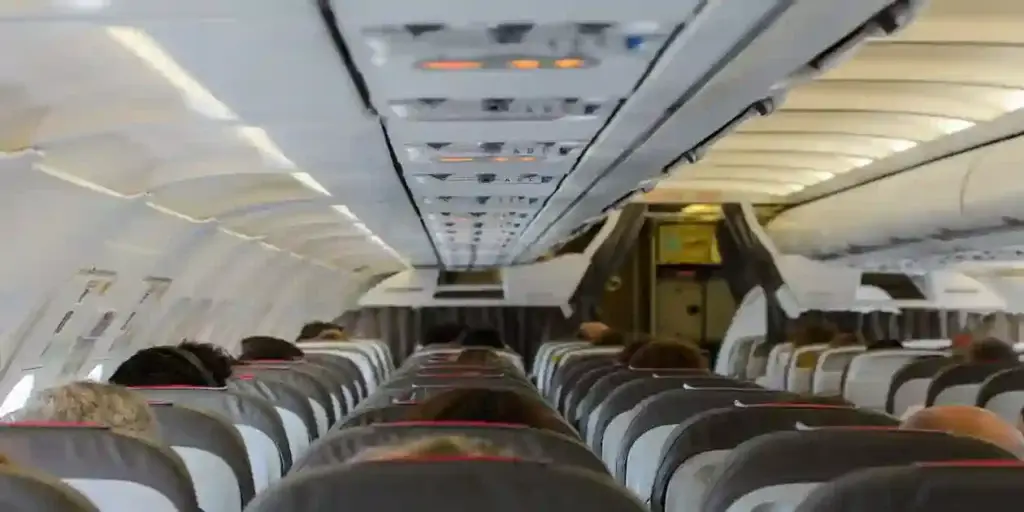
The threat of exposure to toxic airplane fumes or toxic airplane cabin fumes should serve as a stark reminder of the potential dangers that lurk within our operational environments.
Definitions: “Fumes,” “Vapours,” “Gases,” and “Toxic Atmospheres”
Precision matters because controls depend on the source term.
- Fumes typically refer to airborne particles formed when a solid is vaporised by heat and then condenses, common in welding and thermal cutting. These can also be similar to toxic airplane fumes, which pose significant health risks.
- Vapours are the gaseous form of substances that are liquids or solids at ambient conditions, such as solvents and fuels.
- Gases are substances that are gases at ambient conditions, such as carbon monoxide (CO), hydrogen sulphide (H₂S), or chlorine.
- A toxic atmosphere is air containing contaminants at concentrations that can cause acute or chronic harm, including oxygen deficiency or displacement. This is particularly concerning in scenarios involving toxic cabin air.
A crew member can be exposed by inhalation, skin absorption, or ingestion. However, inhalation is the dominant pathway in most operational events, and it is the pathway most affected by engineering controls and respiratory protection.
The Crew Personnel Most at Risk (And Why)
The highest-risk roles share three characteristics: proximity to source generation, work in enclosed or semi-enclosed areas, and task-based peaks where the atmosphere can change quickly. The following groups are consistently overrepresented in exposure incidents.
1) Tank Entry Teams and Confined Space Workers
Why they are at risk: Confined spaces can contain toxic vapours, oxygen-deficient atmospheres, inert gases, and residues that off-gas during disturbance. Even when an entry is planned, the atmosphere can stratify or shift due to temperature, ventilation changes, or mixing of residues.
Typical exposure scenarios:
- Entering cargo tanks, ballast tanks, void spaces, cofferdams, chain lockers, and sewage compartments.
- Residual cargo vapours after discharge and washing.
- Cleaning chemicals reacting with residues.
- Inert gas presence or oxygen displacement.
Primary toxicants and hazards:
- Oxygen deficiency, hydrocarbon vapours, benzene (where relevant), H₂S, CO, and solvent vapours.
- Acute narcosis from high hydrocarbon vapour concentrations.
- Asphyxiation from inert gas or oxygen displacement.
Common failure points:
- Inadequate pre-entry testing, poor sampling locations, or failure to test at multiple levels.
- Overreliance on a single “safe” reading rather than continuous monitoring.
- Ventilation not verified under actual work conditions.
These risks are not limited to industrial workers; even airline personnel can face similar hazards due to exposure to toxic airplane fumes. Such exposures can lead to serious health issues as detailed in this article about toxic airplane fumes.
2) Engine Room Personnel and Maintenance Teams
Why they are at risk: Machinery spaces combine combustion sources, hot work, fuel handling, lube oils, and cleaning agents in environments where heat and limited airflow can concentrate contaminants.
Typical exposure scenarios:
- Exhaust leakage or incomplete combustion events producing CO and nitrogen oxides (NOx).
- Fuel transfer, purifier operations, and leakage clean-up.
- Solvent-based degreasing and maintenance cleaning.
- Insulation disturbance during repairs (legacy asbestos risk remains on some assets).
Primary toxicants and hazards:
- CO, NOx, sulphur oxides (SOx), aldehydes, oil mist, solvent vapours.
- Irritant aerosols and particulate exposures during grinding and cutting.
- Potential exposure to harmful substances such as jet fuel, which can have serious health implications.
Common failure points:
- Temporary ventilation not installed for “short” jobs.
- Poor segregation of chemical use and inadequate local exhaust ventilation.
- Respiratory protection selected by convenience rather than risk assessment.
If you believe you have been affected by toxic airplane fumes or contaminated cabin air contact Aerotoxic Syndrome lawyer Timothy L. Miles as you may be eligible for an Aerotoxic Syndrome Lawsuit and potentially entitled to substantial compensation. (855) 846–6529 or [email protected].
3) Deck Crew Involved in Cargo Operations (Including Tankers and Chemical Carriers)
Why they are at risk: Cargo handling can release vapours during loading, discharging, sampling, gauging, venting, stripping, tank washing, and line breaking. Deck crews are often closest to vapour release points and may work upwind or downwind without real-time feedback.
Typical exposure scenarios:
- Opening ullage ports, taking samples, and manual gauging.
- Connecting and disconnecting hoses and loading arms.
- Vapour releases at manifolds, vent masts, or PV valves.
- Tank cleaning and gas freeing.
Primary toxicants and hazards:
- Hydrocarbon vapours, VOCs, benzene (for certain cargoes), mercaptans, solvent vapours.
- Acute CNS depression, headache, nausea, irritation.
- Chronic risks from repeated VOC exposure, particularly for known carcinogens.
Common failure points:
- Incomplete vapour control measures or poorly maintained vapour recovery interfaces.
- “Brief exposure” assumptions that ignore peak concentration at the breathing zone.
- PPE used inconsistently due to heat, discomfort, or poor fit.
4) Hot Work Teams: Welders, Fitters, and Fabrication Personnel
Why they are at risk: Hot work produces welding fumes and gases that can be toxic even in open areas, and significantly more so in enclosed spaces. These toxic fumes can lead to severe health consequences if proper safety measures are not implemented.

Typical exposure scenarios:
- Welding in confined or semi-confined areas, including double bottoms, tanks, and engine spaces.
- Thermal cutting on coated or painted surfaces.
- Repair work around stainless steel or high-alloy materials.
Primary toxicants and hazards:
- Metal fumes (including manganese, nickel, chromium depending on materials), ozone, NOx, and particulates.
- Coating decomposition products, including isocyanates or other irritants depending on paint systems.
- Long-term respiratory outcomes from repeated fume inhalation.
Common failure points:
- Inadequate extraction at the arc, reliance on general ventilation.
- Respiratory protection not matched to fume composition and concentration.
- Poor planning around coating removal and surface preparation.
5) Cleaning Crews, Galley Staff, and Hotel Services Personnel (Often Overlooked)
Why they are at risk: Cleaning products and disinfectants can generate hazardous vapours, particularly when mixed incorrectly or used in poorly ventilated spaces. This group is often overlooked because exposures are perceived as “low industrial risk,” despite frequent recurrence. These hazardous conditions can mirror those encountered in aircraft environments where toxic fumes leak, leading to serious health risks.
Typical exposure scenarios:
- Mixing bleach with acidic cleaners producing chlorine gas.
- Use of strong degreasers and descalers in enclosed bathrooms, laundries, or galleys.
- Aerosolised disinfectants and fragranced products causing respiratory irritation.
Primary toxicants and hazards:
- Chlorine, chloramines, ammonia vapours, aldehydes, glycol ethers (depending on products).
- Acute irritation, bronchospasm, and sensitisation.
Common failure points:
- Chemical inventories not controlled as tightly as deck and engine chemicals.
- Training focused on hygiene outcomes rather than exposure risk.
- No structured ventilation verification for “domestic” tasks.
6) Paint Teams and Coating Applicators
Why they are at risk: Coatings contain solvents and may contain hazardous isocyanates in certain systems. The exposure profile is often dominated by vapour inhalation and aerosol overspray.
Typical exposure scenarios:
- Spray painting in enclosed spaces or under tarpaulin containment.
- Use of thinners and solvents for cleaning spray equipment.
- Curing processes that continue to emit vapours after application.
Primary toxicants and hazards:
- Solvent vapours (VOCs), isocyanates (for specific polyurethane systems), and aerosols.
- Acute CNS effects, irritation, and sensitisation risks.
Common failure points:
- Inadequate respiratory protection and poor fit testing.
- Ventilation rates not measured or maintained.
- Re-entry to coated spaces too soon without clearance testing.
7) Battery Room and Electrical Personnel (Rising Risk Profile by 2026)
Why they are at risk: As energy storage systems expand, the risk landscape includes hydrogen off-gassing during charging (for certain battery types), electrolyte hazards, and the toxic by-products of thermal runaway events.
Typical exposure scenarios:
- Charging operations in battery rooms with insufficient ventilation.
- Battery maintenance with electrolyte exposure.
- Smoke inhalation risk during overheating or failure events.
Primary toxicants and hazards:
- Hydrogen accumulation creating explosion risk and oxygen displacement concerns.
- Acid mists (for lead-acid systems), irritating decomposition products during failures.
Common failure points:
- Ventilation not engineered for worst-case charging rates.
- Alarm setpoints and detector placement not aligned to gas behaviour (for example, hydrogen rising).
- Emergency response plans that focus on fire suppression but omit inhalation hazard controls.
8) Shore-Based Contractors Working Onboard
Why they are at risk: Contractors may have less familiarity with the vessel’s layout, ventilation constraints, chemical inventory, and permit-to-work culture. They often conduct high-risk tasks such as blasting, coating, hot work, or specialist cleaning.
Typical exposure scenarios:
- Simultaneous operations where one team’s work creates contaminants for another.
- Temporary enclosures used for blasting or painting.
- Misaligned assumptions between ship and shore safety requirements.
Primary toxicants and hazards:
- Abrasive blasting dust, solvent vapours, welding fumes, and combustion by-products.
Common failure points:
- Ambiguous accountability for gas testing, ventilation verification, and rescue readiness.
- Inconsistent PPE standards across contractors and ship crew.
- Incomplete pre-job hazard communication.
High-Risk Locations and “Hidden” Accumulation Zones
Even with competent personnel, exposure risk rises sharply in predictable physical environments:
- Confined spaces with limited entry and egress, where rescue is difficult and atmospheres change quickly.
- Enclosed engine spaces with heat and complex airflow.
- Paint lockers and chemical stores where incompatible chemicals can co-exist.
- Battery rooms and charging enclosures.
- Pump rooms and manifold areas where vapours can accumulate.
- Low points and bilges for heavier-than-air vapours, and overheads for lighter-than-air gases.
A recurring governance failure is treating a “room” as a uniform atmosphere. In reality, gases stratify, dead zones form, and local peaks occur at the breathing zone. This is why sampling strategy and detector placement are as important as detector ownership.

The Toxic Fumes That Most Commonly Drive Serious Harm
The following agents repeatedly appear in exposure investigations because they are prevalent and consequential.
Carbon Monoxide (CO)
A colourless, odourless gas produced by incomplete combustion. CO binds to haemoglobin, reducing oxygen delivery. Risk increases in engine spaces, near exhaust leaks, and during use of combustion-powered equipment in enclosed areas.
Hydrogen Sulphide (H₂S)
A highly toxic gas associated with certain cargoes, sewage systems, and some industrial residues. It can cause rapid collapse at high concentrations. Olfactory fatigue is a critical hazard, meaning the smell cannot be relied upon.
Volatile Organic Compounds (VOCs) and Hydrocarbon Vapours
Common in fuels, solvents, and many cargoes. Short-term high exposure can cause CNS depression and accidents through impaired judgement. Some VOCs carry chronic risks, and some are carcinogenic.
If you believe you have been affected by toxic airplane fumes or contaminated cabin air contact Aerotoxic Syndrome lawyer Timothy L. Miles as you may be eligible for an Aerotoxic Syndrome Lawsuit and potentially entitled to substantial compensation. (855) 846–6529 or [email protected].
Welding Fume and Thermal Decomposition Products
Complex mixtures including metal oxides and gases such as ozone and NOx. Risk depends on base material, consumables, coatings, and ventilation effectiveness.
Chlorine and Reactive Cleaning Gas By-Products
Often generated by incompatible chemical mixing. These events are common, preventable, and can cause severe respiratory injury.
What “Most at Risk” Looks Like in Practice (Exposure Pathways)
Risk is not only about job title. It is about exposure pathways created by work design:
- Peak exposure tasks: line breaking, opening tanks, spraying coatings, initial minutes of hot work.
- Work near release points: manifolds, vents, pump seals, exhaust runs.
- Work in poor airflow: corners, behind machinery, under temporary enclosures.
- Work with changing conditions: ventilation interruptions, weather shifts, simultaneous operations.
A forward-looking safety program maps tasks and pathways, not only positions on an organisational chart.
However, it’s essential to recognize that toxic fumes in an airplane pose a unique risk. These toxic airplane fumes can lead to severe health issues due to prolonged exposure. Such scenarios highlight the necessity for stringent safety measures not just in industrial settings but also within aviation environments where airplane toxic exposure can have dire consequences.
The Control Framework That Works in 2026
Reducing toxic fume exposure is achievable when controls are applied in the correct hierarchy and verified as operating barriers, not paper barriers.
1) Elimination and Substitution
- Replace high-VOC products with lower-toxicity alternatives where feasible.
- Use water-based or low-solvent coatings when specification permits.
- Select cleaning agents that do not generate toxic gases under foreseeable misuse.
Substitution must be governed. “Greener” products can still sensitize or irritate, and uncontrolled change can introduce new incompatibilities.
2) Engineering Controls (Primary Barrier)
- Local exhaust ventilation (LEV) for welding, grinding, and solvent work at the point of generation.
- Mechanical supply and extract ventilation for confined spaces, with airflow directionality planned.
- Vapour recovery systems and properly maintained venting arrangements for cargo operations.
- Fixed gas detection for areas with credible accumulation risks, backed by calibration and functional testing.
- Battery room ventilation design aligned with charging profiles and failure scenarios.
Engineering controls must be measurable. Airflow rates, pressure differentials, and detector performance should be verified, recorded, and audited.
3) Administrative Controls (How Work Is Managed)
- Robust permit-to-work (PTW) with clear trigger points for gas testing, ventilation checks, and stop-work authority.
- Defined simultaneous operations (SIMOPS) rules to prevent cross-contamination between tasks.
- Competency-based training focused on specific toxicants and task risks, not generic “chemical safety.”
- Chemical management that includes segregation, labelling, and access controls for high-risk products.
- Exposure incident reporting that is non-punitive and data-driven, enabling trend analysis and prevention.
4) Personal Protective Equipment (Last Line of Defence)
PPE is essential, but it must be treated as a controlled system:
- Respirator selection based on contaminant type, concentration, and oxygen status. Air-purifying respirators are not suitable for oxygen-deficient atmospheres.
- Fit testing, user seal checks, cartridge change-out schedules, and storage controls.
- Eye and skin protection for irritant gases and solvent splashes.
- Heat stress integration, since discomfort drives non-compliance and inconsistent use.
A governance-minded approach treats PPE compliance as a management responsibility, supported by realistic work planning, not as an individual preference.
Health Effects That Should Trigger Immediate Escalation
Crews should be trained to treat the following as escalation signals, not as discomfort to “work through”:
- Headache, dizziness, confusion, nausea, or unusual fatigue during or shortly after a task.
- Eye and throat irritation that worsens with continued exposure.
- Coughing, wheezing, chest tightness, or shortness of breath.
- Sudden collapse or fainting, especially in enclosed spaces.
From a corporate perspective, these are not only medical symptoms but also leading indicators that exposure controls are failing. For instance, fume event symptoms such as headaches or dizziness should not be ignored.
Governance and Leadership: The Difference Between Compliance and Control
The strongest predictor of reduced exposure is not the presence of a gas detector, a PTW form, or a PPE cabinet. It is whether leadership treats exposure control as an operational integrity requirement.
In 2026, effective governance for fume exposure includes:
- Clear accountability for atmosphere testing, ventilation verification, and rescue readiness.
- Barrier management that defines critical controls, sets performance standards, and audits effectiveness.
- Procurement standards that prevent uncontrolled chemical substitution and ensure certified respiratory protection.
- Contractor governance that aligns ship and shore requirements, including competence verification and shared stop-work rules.
- Learning loops that convert near misses and minor symptoms into preventive action.
Repetition matters because repetition drives culture. Verify the atmosphere. Verify the ventilation. Verify the PPE. Verify the rescue plan. Then verify again when conditions change.
It’s crucial to recognize fume event symptoms early on to prevent serious health issues.
Practical Risk Prioritisation: Where to Focus First
When it comes to prioritising improvements, it’s crucial to focus on the tasks that present both high consequence and high probability. Here are some key areas to concentrate on:
- Confined space entry and tank work, including cleaning and gas freeing.
- Cargo operations involving manual opening, sampling, gauging, and line breaking.
- Hot work in enclosed or semi-enclosed areas.
- Spray painting and solvent work under containment.
- Engine room combustion-related exposures and solvent cleaning tasks.
- Battery room charging ventilation and detection.
This prioritisation allows us to align resources to the exposure scenarios most likely to produce serious harm, operational disruption, and regulatory scrutiny.
Closing Perspective
Toxic fume exposure is not an inevitable feature of marine and offshore work. It is a predictable risk created by identifiable tasks, known chemicals, and controllable atmospheres. The crew personnel most at risk are not at risk because they are careless. They are at risk because they work closest to the hazard under conditions that can change faster than paperwork can keep up.
In 2026, organisations that want safer, more resilient operations should treat fume exposure controls as critical governance barriers. This includes planning the work, measuring the atmosphere, verifying ventilation systems, enforcing competence among staff, maintaining integrity in processes, and above all, protecting people first. It’s essential to remember that while toxic fume exposure is a significant risk in our industry, it can be managed effectively through proper planning and adherence to safety regulations such as those outlined in Part 05 of the Occupational Health and Safety Regulation.
If you believe you have been affected by toxic airplane fumes or contaminated cabin air contact Aerotoxic Syndrome lawyer Timothy L. Miles as you may be eligible for an Aerotoxic Syndrome Lawsuit and potentially entitled to substantial compensation. (855) 846–6529 or [email protected].
Frequently Asked Questions about Toxic Fume Exposure
What makes toxic fume exposure a persistent occupational hazard in vessel and offshore operations?
Toxic fume exposure remains persistent due to continued reliance on fuels, solvents, cargo vapours, welding processes, cleaning chemicals, battery systems, and confined or inerted spaces. These sources can rapidly generate toxic atmospheres under conditions like time pressure, confined spaces, mixed chemicals, incomplete permits, and weak atmosphere verification.
Who are the most at-risk crew personnel for toxic fume exposure and why?
Tank entry teams and confined space workers are most at risk because they work in enclosed or semi-enclosed areas with proximity to toxic source generation. They face hazards from oxygen-deficient atmospheres, inert gases, residual cargo vapours, and chemical reactions during tasks such as entering cargo tanks or cleaning compartments.
What are the primary types of toxic fumes and atmospheres encountered in maritime operations?
Toxic fumes include airborne particles formed by vaporised solids (e.g., welding fumes), vapours are gaseous forms of liquids or solids (e.g., solvents, fuels), gases are substances gaseous at ambient conditions (e.g., carbon monoxide, hydrogen sulphide), and toxic atmospheres contain harmful contaminants or oxygen deficiency that cause acute or chronic harm.
Why is inhalation the dominant pathway for toxic fume exposure among crew personnel?
Inhalation is dominant because airborne contaminants enter the respiratory system directly during breathing. While skin absorption and ingestion can occur, engineering controls like ventilation and respiratory protection primarily target inhalation exposure to reduce health risks effectively.
What operational controls help reduce the risk of toxic fume exposure in maritime environments?
Proactive operational controls include improved ventilation design verified under actual work conditions, continuous atmospheric monitoring at multiple levels during tasks, structured safety management systems with complete permits, use of personal protective equipment like respirators, and accountable leadership to manage incidents promptly.
How do heat stress and fatigue influence susceptibility to toxic fume exposure effects?
Heat stress and fatigue amplify susceptibility by increasing respiratory burden and reducing physiological resilience. This can worsen health outcomes from toxic exposures by impairing the body’s ability to detoxify harmful substances and respond effectively to acute or cumulative effects.