
Introduction: Understanding Products Liability in the Dexcom Device Recall Lawsuit
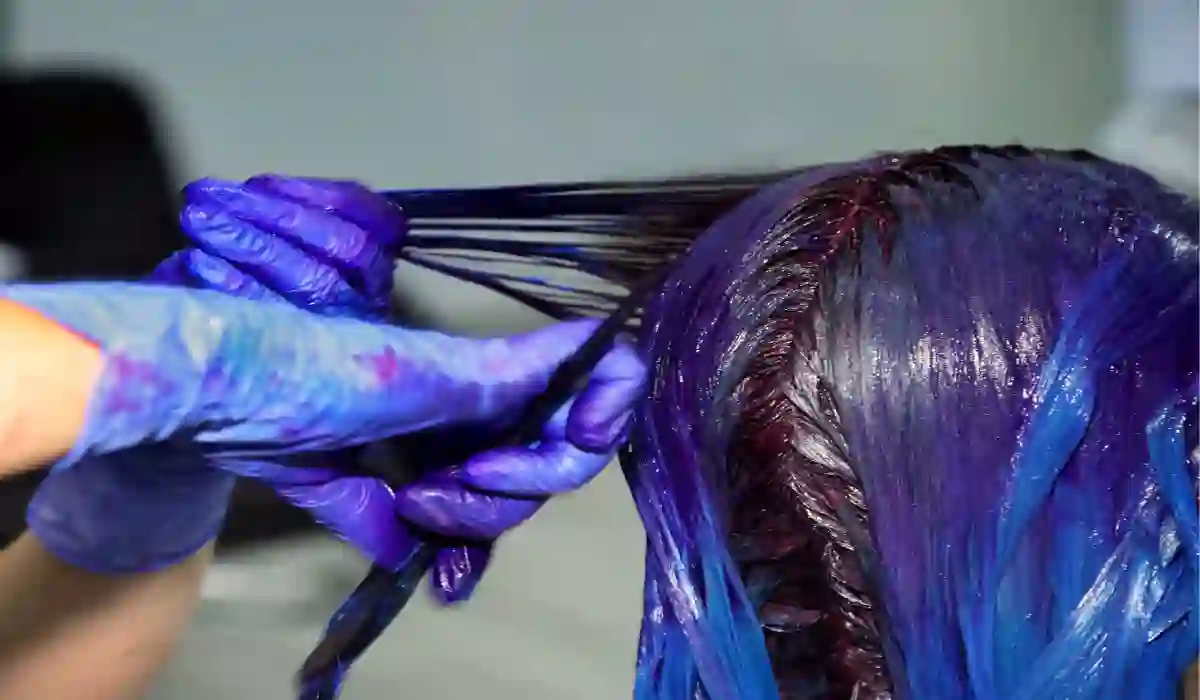
Tennessee Hair Dye Lawsuit: If you or a loved one have experienced frequent exposure to Hair Dye Products—and were subsequently diagnosed with cancer —in Tennessee, you may be wondering if you are eligible for compensation through a Tennessee Hair Dye Lawsuit Update. Products liability law is designed to protect consumers when defective products or pose unexpected dangers. Whether you are seeking a Tennessee Hair Dye Lawyer or want to know if you qualify for a Tennessee Hair Dye Lawsuit, , it is crucial to understand your rights under Tennessee law.
Products liability holds manufacturers accountable when their products—like the defective hair dyes—cause harm due to defects in design, manufacturing, or inadequate warnings. If you experienced frequent exposure to Hair Dye Products—and were subsequently diagnosed with cancer. The criteria for a Dexcom recall lawsuit typically involve proving that the device was defective and that this defect directly caused injury or harm.
If you believe you meet the requirements for legal action, consulting an experienced Tennessee Dexcom device recall lawsuit lawyer can help clarify your options. You may be eligible for compensation covering medical bills, pain and suffering, and other related losses resulting from the recalled device. Don not hesitate to explore whether you qualify for a Dexcom device recall lawsuit—your health and peace of mind matter.
If you had frequent exposure to hair dye products, and were diagnosed with cancer, contact Tennessee Hair Dye Lawyer Timothy L. Miles today for a free case evaluation to see if you are eligible for a hair dye lawsuit and potentionally entitled to substantial compensation in a hair dye lawsuit . (855) 846-6529 or [email protected]

What Is a Products Liability Claim?
A products liability claim arising from injuries caused by a defective consumer product can be based on several different legal theories. Most commonly, these claims rely on strict liability, though in some cases—depending on the state—a negligence theory might be more suitable. The key distinction is that strict liability does not require proof that the defendant was careless, whereas negligence does. No matter which legal theory is used, the consumer typically must show that the product had at least one of types of defects: a manufacturing defect, a design defect, or a marketing defect (also called a failure to warn).or you much show a breach of warrenty.
Besides establishing that a defect existed, the consumer also needs to demonstrate that this defect directly caused their injury—in other words, that the injury would not have occurred if the defect hadn’t been present.
Types of Product Liability Claims
Manufacturing Defects
Unlike design defects, which typically affect an entire product line, manufacturing defects are usually limited to just one or a handful of items. These flaws aren’t part of the manufacturer’s plan—they occur when something goes wrong during production, causing the product to stray from its intended design. This can happen despite meticulous design work, careful material selection, and strict oversight during assembly.
A manufacturing defect surfaces during the product’s construction phase. For example, if an airbag is missing a critical deployment mechanism, or if a bottle of cough syrup becomes contaminated, these would be considered manufacturing defects. Any such flaw that leads to injury can form the basis for a products liability lawsuit.
Most companies have quality control measures in place to catch these problems before products reach consumers. Still, occasionally a defective item slips through. The most common causes are subpar materials or careless assembly. Often, these issues could be avoided with more attentive workers or higher-quality components. However, if an injury would have occurred regardless of how well the product was assembled, then it’s likely a design defect—not a manufacturing one.
When a poorly made product leaves the factory and injures someone during normal use, the manufacturer is strictly liable—even if they followed every reasonable safety precaution. In strict liability cases, the injured person only needs to prove that the product was defective and that this defect caused their injury.
If you had frequent exposure to hair dye products, and were diagnosed with cancer, contact Tennessee Hair Dye Lawyer Timothy L. Miles today for a free case evaluation to see if you are eligible for a hair dye lawsuit and potentionally entitled to substantial compensation in a hair dye lawsuit . (855) 846-6529 or [email protected]
Proving Manufacturing Defects
While strict liability claims can be more straightforward than negligence claims, it can still be challenging to prove that a manufacturing defect directly caused an accident. In fact, in some instances, the injured person’s own actions play a role in what caused his injury—and manufacturers may argue that these actions were to blame instead of the defective product.
For instance, imagine a truck driver trying to pass another car which he cannot see for his blind spot, but then gets into a wreck with a tow-truck driver due to his inability to stop. If his braking system was defective due to poor manufacturing and prevented him from avoiding the accident, the manufacturer might still argue that the driver’s risky behavior contributed significantly to the accident.
After any incident involving a potential defect, it is crucial for the injured party to keep the product in its current condition without making any alterations so experts can examine it for flaws. If the item is too badly damaged for inspection, some jurisdictions allow plaintiffs to rely on what’s called the “malfunction doctrine.” This rule lets them use circumstantial evidence—the nature of the accident itself—to suggest that a defect was likely responsible for their injuries when direct proof isn’t possible.
If you had frequent exposure to hair dye products, and were diagnosed with cancer, contact Tennessee Hair Dye Lawyer Timothy L. Miles today for a free case evaluation to see if you are eligible for a hair dye lawsuit and potentionally entitled to substantial compensation in a hair dye lawsuit . (855) 846-6529 or [email protected]

Establishing Liability in Failure to Warn Cases
To successfully pursue a failure to warn claim a plaintiff musst establish several key elements that demonstrate the manufacturer’s liability for the injuries or damages incurred. Understanding these elements is crucial for both consumers seeking compensation and manufacturers defending against such claims.
- Duty to Warn:
- Prove the manufacturer had an obligation to provide warnings
- Demonstrate the product posed foreseeable risks
- Show the manufacturer knew or should have known about the dangers
- Learned Intermediary Doctrine:
- Argue that warnings were provided to a qualified intermediary
- Demonstrate that the intermediary had a duty to convey warnings
- Show that reliance on the intermediary was reasonable
- Assumption of Risk:
- Prove that the user was aware of the danger and proceeded anyway
- Demonstrate that the user had sufficient knowledge of the risks
- Show that the user voluntarily accepted the known risk
- Statute of Limitations:
- Argue that the claim was filed after the legal time limit
- Demonstrate when the injury occurred or should have been discovered
- Show that the plaintiff failed to act within the prescribed timeframe
- Comparative Negligence:
- Argue that the user’s own negligence contributed to the injury
- Demonstrate how the user’s actions increased the risk of harm
- Show that the user failed to exercise reasonable care
By effectively utilizing these defenses, manufacturers can challenge failure to warn claims and potentially limit their liability. However, the success of these defenses depends on the specific circumstances of each case and the strength of the evidence presented.
Damages in Failure to Warn Cases Involving a Defective Deccom Device
When a plaintiff successfully proves a failure to warn claim, they may be entitled to various types of damages to compensate for their injuries and losses. Understanding the potential damages available can help both plaintiffs and defendants assess the stakes involved in these cases.
- Compensatory Damages:
- Medical expenses (past and future)
- Lost wages and earning capacity
- Pain and suffering
- Emotional distress
- Loss of enjoyment of life
- Property damage
- Wrongful Death Damages:
- Compensation for surviving family members
- May include loss of financial support, guidance, and companionship
- Often governed by specific wrongful death statutes
- Factors Affecting Damage Awards:
- Severity and permanence of injuries
- Impact on daily life and future prospects
- Age and life expectancy of the plaintiff
- Degree of manufacturer negligence
- Plaintiff’s own contributory negligence, if any
- Damage Caps and Limitations:
- Some jurisdictions impose limits on certain types of damages
- Caps may apply to non-economic or punitive damages
- Statutory limitations can vary significantly by state
- Collateral Source Rule:
- May allow plaintiffs to recover full damages regardless of insurance coverage
- Varies by jurisdiction and type of case
- Can significantly impact the total award amount
- Present Value Calculations:
- Used to determine the current value of future damages
- Accounts for inflation and potential investment returns
- Often requires expert testimony for accurate assessment
Understanding the various types of damages available in a Dexcom Recall Lawsuit, and the factors that influence award amounts is crucial for both plaintiffs seeking compensation and manufacturers assessing potential liability. The specific damages awarded in a failure to warn case will depend on the unique circumstances of each situation and the applicable laws in the jurisdiction where the case is heard.
If you had frequent exposure to hair dye products, and were diagnosed with cancer, contact Tennessee Hair Dye Lawyer Timothy L. Miles today for a free case evaluation to see if you are eligible for a hair dye lawsuit and potentionally entitled to substantial compensation in a hair dye lawsuit . (855) 846-6529 or [email protected]

Product Warranties: The Promises Behind Every Purchase
When you buy a product, those little guarantees that come with it are mpy just marketing fluff—they are legally binding promises known as product warranties. At their core, warranties are assurances that a product will work as advertised or meet certain standards. Both federal and state laws lay out what these promises mean and how consumers can hold companies accountable if things go wrong.
There are three main types of warranties you should know about:
- Express Warranties: These are the bold claims sellers make—either written in your purchase contract or spoken aloud—that set clear expectations for how the product should perform.
- Implied Warranty of Merchantability: Even if nothing is said, the law expects that products will do the basic jobs they’re supposed to do (a toaster should toast, shoes should walk).
- Implied Warranty of Fitness: If you tell the seller you need a product for a specific purpose and rely on their expertise, there’s an implied promise that the item will fit that purpose.
If a company breaks any of these promises, it’s not just disappointing—it can be grounds for a breach of contract lawsuit. The Uniform Commercial Code (UCC) helps ensure these protections apply across the board, but each state sets its own time limits for how long you have to take action after purchase.
So next time you see “guaranteed” on a label, remember: behind every warranty is a set of legal standards designed to keep sellers honest and protect your investment.