
What is a Skull Fracture in Infants?
A skull fracture in infants refers to a break in one or more of the bones in an infant’s skull. The skull is a vital structure that protects the brain, and any damage to it can potentially impact an infant’s development and overall health. Skull fractures in infants can range from minor issues that heal with minimal intervention to severe injuries that require immediate medical attention.
Infants are particularly vulnerable to skull fractures due to their soft and malleable bones. The pliability of an infant’s skull is essential for allowing passage through the birth canal and accommodating rapid brain growth. However, this flexibility also means that their skulls can be easily damaged by trauma or pressure, leading to fractures.
Understanding the nature and implications of skull fractures in infants is crucial for parents and caregivers. Awareness can help in identifying signs early and seeking appropriate medical care, which is vital in preventing long-term complications.
Causes of Skull Fractures in Infants and Infant Skull Fracture At Birth
Several factors can contribute to skull fractures in infants. One of the most common causes is accidental falls, which can occur when infants roll off furniture or are dropped. These falls can lead to significant impact injuries to the head, resulting in fractures.
Another frequent cause of skull fractures is birth-related trauma. During childbirth, especially in difficult or prolonged labor, pressure on the infant’s head can lead to fractures. The use of instruments like forceps or vacuum extractors can also increase the risk of such injuries during delivery.
Less commonly, skull fractures in infants can result from non-accidental trauma, such as child abuse. It is crucial to differentiate between accidental injuries and those that may arise from neglect or abuse, as the latter requires distinct interventions and legal considerations.

Signs of Skull Fracture in a Baby
Recognizing the signs of a skull fracture in a baby is essential for timely medical intervention. One of the most apparent signs is a visible deformation or depression on the infant’s head. This might be accompanied by swelling or bruising in the affected area.
Behavioral changes can also indicate a skull fracture. Infants may become unusually irritable, lethargic, or inconsolable. They might also experience seizures or have difficulty feeding. These symptoms require urgent medical evaluation to rule out a skull fracture or other serious conditions.
Other symptoms may include vomiting, changes in consciousness, or unequal pupil size. If you observe any of these signs, it is vital to seek medical attention immediately. Early diagnosis and treatment can significantly reduce the risk of complications.

Diagnosing an Infant Skull Fracture at Birth
Diagnosing a skull fracture in infants typically involves a combination of physical examination and imaging techniques. A healthcare provider will first perform a thorough examination of the infant’s head to look for any visible signs of injury. They will also assess the infant’s overall behavior and neurological status.
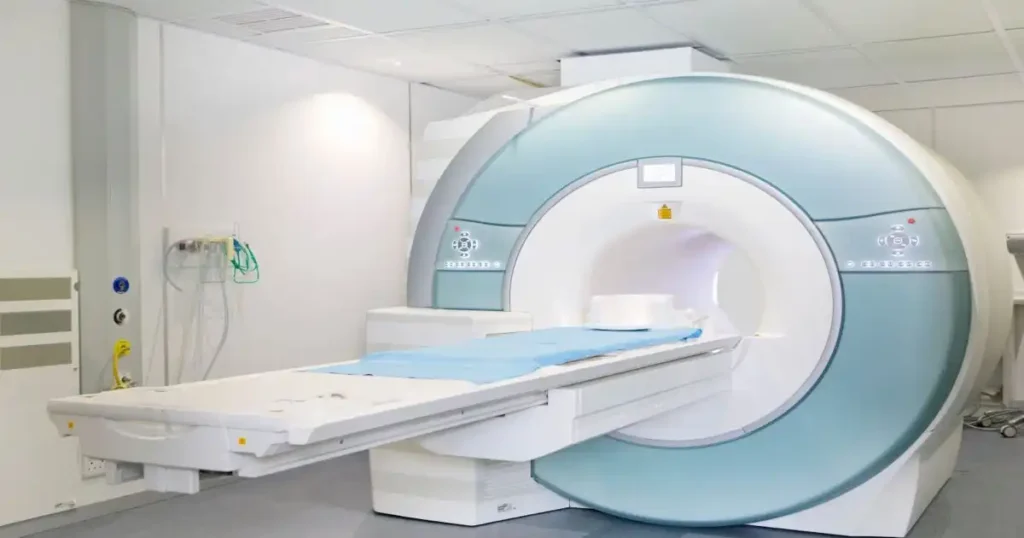
Imaging tests, such as X-rays or CT scans, are often used to confirm a diagnosis of a skull fracture. These tests provide detailed images of the bones in the skull, allowing medical professionals to identify fractures and assess their severity. MRI scans may also be used in some cases to evaluate any potential impact on the brain.
Prompt and accurate diagnosis is crucial in managing skull fractures in infants. It helps in determining the appropriate treatment plan and minimizes the risk of further injury or complications.
Treatment Options for Infant Skull Fractures at Birth
The treatment for skull fractures in infants depends largely on the severity and type of fracture. In cases of minor fractures, such as linear fractures, treatment may involve observation and supportive care. These fractures often heal on their own without the need for surgical intervention.
For more severe fractures, such as depressed skull fractures, surgery may be required to repair the damaged bone and relieve pressure on the brain. The goal of surgical intervention is to restore the normal structure of the skull and prevent further complications.
In addition to medical treatment, supportive care plays a crucial role in the recovery of infants with skull fractures. This includes managing pain, monitoring for any changes in neurological status, and providing a safe environment to prevent further injury.

The Risk of Infant Skull Fractures at Birth
The risk of infant skull fractures at birth is a concern for many parents. While most births occur without complications, certain factors can increase the likelihood of birth-related skull fractures. These include prolonged labor, the use of assisted delivery techniques, and large birth weight.
Healthcare providers take various precautions to minimize the risk of skull fractures during childbirth. These include using gentle delivery techniques and closely monitoring the infant’s position and progress during labor. In some cases, a cesarean section may be recommended to reduce the risk of birth-related injuries.
Understanding the potential risks and discussing any concerns with your healthcare provider before delivery can help ensure a safe birth experience. It is essential for parents to be informed and proactive in advocating for the health and safety of their newborns.
Understanding Infant Skull Fracture Negligence
Infant skull fracture negligence refers to cases where a skull fracture occurs due to failure to follow appropriate medical protocols or provide adequate care. Negligence can occur during childbirth or in the postnatal period, leading to preventable injuries.
Examples of negligence include improper use of delivery instruments, failure to monitor the infant’s condition, or delayed diagnosis and treatment of a skull fracture. Such negligence can have severe consequences for the infant’s health and development.
If you suspect that negligence has played a role in your child’s injury, it is important to seek legal advice. Legal professionals can help you understand your rights and options for seeking compensation for any harm caused by medical negligence.

The Implications of Infant Skull Fracture and Medical Malpractice
Infant skull fracture and medical malpractice are serious issues that can have long-lasting effects on both the infant and their family. Medical malpractice occurs when healthcare professionals fail to meet the standard of care, resulting in injury or harm to the patient.
In cases of infant skull fractures, medical malpractice might involve errors during delivery, misdiagnosis, or inadequate treatment. The implications of such malpractice can be devastating, leading to physical, emotional, and financial burdens for the family.
Families affected by medical malpractice have the right to seek compensation for their losses. Pursuing a malpractice claim can also serve to hold healthcare providers accountable and help prevent similar incidents in the future.
Preventive Measures for Reducing the Risk of Skull Fractures in Infants
Preventing skull fractures in infants involves a combination of careful supervision and safety precautions. One of the simplest ways to reduce the risk of falls is to never leave an infant unattended on elevated surfaces. Always use appropriate safety equipment, such as car seats and high chairs, to ensure your child’s safety.
During childbirth, discussing delivery options and potential risks with your healthcare provider can help in planning a safe birth. If you have concerns about the possibility of a difficult delivery, don’t hesitate to ask questions and explore alternative delivery methods if necessary.
Additionally, raising awareness about the signs of skull fractures and the importance of timely medical intervention can help in preventing long-term complications. Educating caregivers and family members about infant safety is crucial in reducing the risk of skull fractures and ensuring the well-being of your child.
Birth Injury Statute of Limitations by State
| Alabama | Two years from the injury or 6 months after discovery. No later than 4 years. |
| Alaska | Two years from the injury or discovery. Not valid after 10 years. |
| Arizona | Two years from the time of injury or date of discovery. |
| Arkansas | Two years from the date of injury or 3 years if the injury resulted in wrongful death. |
| California | Two years from the date of injury or 3 years if it led to death. |
| Colorado | Two years from the date of injury. |
| Connecticut | Three years from the date of injury or 2 years from the baby’s death. |
| Delaware | Maximum of 3 years, including discovery. |
| Florida | Two years from the date of injury and a maximum of 4 years for discovery. |
| Georgia | Two years after injury and a maximum of 5 years for the discovery. |
| Hawaii | Two years after injury and a maximum of 6 years for discovery. |
| Idaho | Two years from the date of injury or the baby’s death. |
| Illinois | Eight years from the injury. Not valid after 22nd birthday. |
| Indiana | Two years after injury or discovery. Claim invalid after 8 years. |
| Iowa | Two years from injury or discovery. Claim invalid after 10 years. |
| Kansas | Two years from the injury and a maximum of 4 years for discovery. |
| Kentucky | One year from the injury and 5 years for discovery. |
| Louisiana | One year from the injury and no more than 3 years for discovery. |
| Maine | Three years from the injury or before the 6th birthday. |
| Maryland | Five years from the injury and 3 years from the discovery. Claim invalid after the 11th birthday. |
| Massachusetts | Three years from the injury or discovery but before the 9th birthday. |
| Michigan | Two years of the injury or 6 months after discovery. |
| Minnesota | Four years from the injury. |
| Mississippi | Two years from the injury or discovery. |
| Missouri | Two years from the injury or discovery. |
| Montana | Three years from the injury or discovery but no later than 5 years. |
| Nebraska | Two years from the injury or 1 year from discovery. |
| Nevada | Three years from injury or discovery and 10 years for brain damage. |
| New Hampshire | Three years from injury or discovery. |
| New Jersey | Two years from injury or discovery. |
| New Mexico | Three years from the injury. |
| New York | Ten years after the discovery and 2 and a half years after turning 18. |
| North Carolina | Three years from injury or discovery. |
| North Dakota | Two years from injury or 3 years within the discovery. |
| Ohio | One year from injury. |
| Oklahoma | Seven years from injury. |
| Oregon | Two years from injury or discovery. |
| Pennsylvania | Two years from the discovery. |
| Rhode Island | Three years from injury or discovery. |
| South Carolina | Three years from injury or discovery. |
| South Dakota | Two years from injury or discovery. |
| Tennessee | One year from injury or discovery. |
| Texas | Two years from the injury or discovery. |
| Utah | Two years from injury or discovery. |
| Vermont | Three years from injury or 2 years from discovery. |
| Virginia | Two years from the injury. |
| Washington | Three years from injury or 1 year from discovery. |
| Washington, D.C. | Three years from injury or discovery. |
| West Virginia | Two years from the injury or discovery. |
| Wisconsin | Three years from the injury or 1 year from discovery. |
| Wyoming | Two years from the date of injury or discovery. |
Birth Injury Support Groups:
National Organizations:
Birth Injury Centers:
Online Support Groups:
- Birth Injury Justice Center
- Birth & Trauma Support Group
- Birth Injury Center
- DailyStrength
- Birth Trauma Association: parent support group
- Mommies of Miracles
- Inspire Support Group – Cerebral Palsy
Trauma Support Groups::
- March of Dimes
- Birth Trauma Support
- Trauma Brachial Plexus Injuries Group
- Birth Trauma Association: parent support group
- The Trauma Survivor’s Network Peer Support
- Groups — Safe Haven Trauma Services, PLLC – Nashville, TN
- Birth Trauma Support
- The Birth Trauma Association
Cerebral Palsy Support Groups:
- Cerebral Palsy Guidance
- United Cerebral Palsy (UCP)
- Cerebral Palsy Support Group
- Cerebral Palsy Family Network
- The Arc
- Inspire Support Group – Cerebral Palsy
Erb’s Palsy Support Groups:
- treatments for Erb’s palsy
- Brachial Plexus Nerve Injury and Erbs Palsy Support Group
- Brachial Plexus Injury Support Group
- Trauma Brachial Plexus Injuries Group
Brachial plexus Support Groups:
- United Brachial Plexus Network (UBPN)
- Birth Injury – Midwest Brachial Plexus Network
- San Diego Brachial Plexus Network
- Brachial Plexus Nerve Injury and Erbs Palsy Support Group
Brain Injury Support Groups:
- Brain Injury Support Group
- Office of Acquired Brain Injury (OABI)
- Comprehensive Rehabilitation Services (CRS) Program
- Brain Injury Association of America
Conclusion: Ensuring the Safety of Infants and Awareness of Skull Fractures
Ensuring the safety of infants and understanding the risks associated with skull fractures is paramount for parents and caregivers. By being informed about the causes, signs, and treatment options for skull fractures, you can play a crucial role in protecting your child from potential harm.
Awareness and education are key in preventing and managing skull fractures in infants. By taking proactive steps, such as ensuring a safe environment and advocating for appropriate medical care, you can help safeguard your child’s health and development.
If you suspect any signs of a skull fracture in your infant or have concerns about potential negligence, it is important to seek medical attention and legal advice promptly. Your vigilance and advocacy can make a significant difference in your child’s life.
Contact Nashville Infant Skull Fracture Lawyer Timothy L. Miles Today if You Child Suffered Infant Skull Fracture at Birth
Contact Nashville Infant Skull Fracture Lawyer for a free case evaluation today if you believer your newborn suffered a skull fracture as a result of negligence. The call is free and so is the fee unless we win or settle your case so call today and see what an infant skull fracture lawyer in Nashville can do for you. (855) 846-6529 or [email protected].
Timothy L. Miles, Esq.
Law Offices of Timothy L. Miles
Tapestry at Brentwood Town Center
300 Centerview Dr. #247
Mailbox #1091
Brentwood,TN 37027
Phone: (855) Tim-MLaw (855-846-6529)
Email: [email protected]
Website: www.classactionlawyertn.com
Facebook Linkedin Pinterest youtube