Introduction to Securities Class Action Lawsuits
Securities class action lawsuits have emerged as a significant mechanism for investors to seek redress against companies that engage in fraudulent practices or fail to disclose critical information. These lawsuits allow a group of investors to collectively file a claim, making it easier for individuals to pursue justice without bearing the full burden of legal costs. As we delve into the current landscape of securities litigation, it is essential to understand the implications of these cases, the processes involved, and the outcomes that can arise from them.

Understanding Securities Litigation
Securities litigation represent a significant legal mechanism for investors who have suffered financial losses due to corporate malfeasance. These lawsuits typically arise when a company or its executives engage in deceptive practices that mislead investors about the company’s financial health or prospect.
The goal of such litigation is to hold the perpetrators accountable and secure compensation for the affected investors. Securities fraud encompasses a range of activities, including insider trading, false financial statements, and misleading disclosures, all of which can severely impact market integrity and investor confidence.
In a class action context, a group of investors collectively brings the lawsuit against the defendant, which could be a corporation or its executives. This collective approach is particularly powerful in the securities realm because it allows individual investors, who might not have the resources to pursue litigation on their own, to band together and seek justice.
The class action mechanism ensures that the legal process is efficient and that the interests of all affected investors are represented.
The complexity of securities fraud class action lawsuits requires plaintiffs to navigate a labyrinth of legal standards and procedural hurdles. One of the most significant challenges is surviving a motion to dismiss, a legal maneuver by the defendants to have the case thrown out before it reaches trial.
Understanding the nuances of securities class actions is crucial for any stakeholder involved, as it sets the stage for the strategic decisions that will follow.
Key Features of Securities Class Action Lawsuits
- Collective Action: Investors band together to file a lawsuit, which allows them to share the costs and resources associated with litigation.
- Commonality of Claims: The claims must arise from similar circumstances, such as a company’s misleading financial statements or failure to disclose material information.
- Lead Plaintiff: A lead plaintiff is appointed to represent the interests of the class, often chosen based on the size of their financial loss.
- Certification: Before proceeding, the court must certify the class, confirming that the claims are suitable for collective action.
The Role of Securities Litigation
Securities litigation serves as a critical tool for maintaining market integrity. By holding companies accountable for their actions, these lawsuits help deter fraudulent behavior and promote transparency in financial reporting. They also provide a mechanism for investors to recover losses incurred due to corporate misconduct.
The Process of Filing a Securities Class Action
Filing a securities class action involves several steps, each crucial to the success of the case.
Initial Investigation
Before filing a lawsuit, potential plaintiffs often conduct a thorough investigation to gather evidence of wrongdoing. This may involve reviewing financial statements, press releases, and other public disclosures to identify discrepancies or misleading information.
Filing the Complaint
Once sufficient evidence is gathered, the lead plaintiff’s attorney files a complaint in the appropriate court. This document outlines the allegations against the company, the legal basis for the claims, and the damages sought.
Class Certification
After the complaint is filed, the court must determine whether to certify the class. This involves assessing whether the claims meet the requirements for a class action, including commonality, typicality, and adequacy of representation.
Discovery Phase
If the class is certified, the case moves into the discovery phase, where both parties exchange information and evidence. This stage can be lengthy and complex, as it often involves extensive document requests and depositions.
Settlement Negotiations
Many securities class actions are resolved through settlements before reaching trial. During this phase, the parties negotiate a resolution, which may involve monetary compensation for the affected investors.
Current Mega Cases in Securities Litigation
Mega settlements in securities class actions refer to large settlements (typically $100 million or greater) reached in lawsuits filed against companies accused of securities law violations. In 2024, there were seven mega settlements, contributing to more than half of the total settlement value for that year, As of 2023, several high-profile securities class action lawsuits have captured the attention of investors and legal experts alike. These cases highlight the ongoing challenges in corporate governance and the need for accountability in the financial markets.
- Apple ($490 million)
- Under Armour ($434 million)
- Alphabet (Google) ($350 million)
- Uber ($200 million)

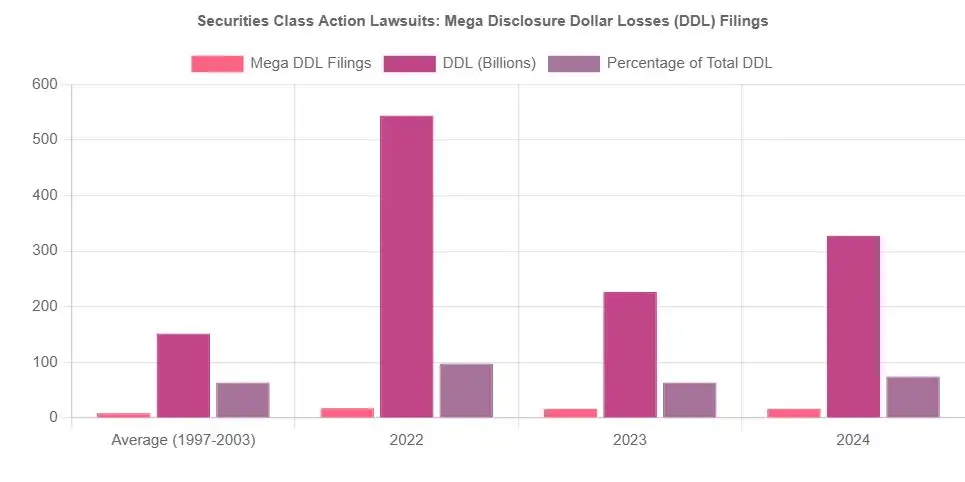

The Impact of Class Action Settlements
Class action settlements can have far-reaching implications for both investors and companies involved in securities litigation.
Financial Recovery for Investors
One of the primary benefits of securities class action lawsuits is the potential for financial recovery for affected investors. Settlements can provide compensation for losses incurred due to fraudulent practices, helping investors regain some of their lost capital.
Corporate Reforms
In many cases, settlements also lead to significant corporate reforms. Companies may agree to implement changes in their governance practices, enhance transparency, and improve compliance measures to prevent future misconduct.
Deterrence of Fraudulent Behavior
The existence of securities class action lawsuits serves as a deterrent to corporate fraud. Companies are more likely to adhere to ethical practices and comply with securities laws when faced with the threat of litigation.
Challenges in Securities Class Action Lawsuits
Despite their importance, securities class action lawsuits face several challenges that can impact their effectiveness.
High Costs of Litigation
The costs associated with securities litigation can be substantial, often deterring investors from pursuing claims. Legal fees, expert witness costs, and other expenses can quickly add up, making it difficult for individual investors to bear the financial burden.
Lengthy Legal Process
Securities class action lawsuits can take years to resolve, leading to delays in compensation for affected investors. The lengthy legal process can be frustrating for plaintiffs who seek timely justice.

Complexity of Securities Laws
The intricacies of securities laws can pose challenges for both plaintiffs and defendants. Navigating the legal landscape requires specialized knowledge and expertise, making it essential for investors to work with experienced legal counsel.
The Future of Securities Class Action Lawsuits
As the landscape of securities litigation continues to evolve, several trends are emerging that may shape the future of class action lawsuits.
Increased Regulatory Scrutiny
Regulatory bodies are placing greater emphasis on corporate governance and compliance, which may lead to more proactive measures to prevent fraud. This increased scrutiny could result in a decline in the number of securities class action lawsuits as companies enhance their practices.
Technological Advancements
The rise of technology in the financial sector is changing the way securities litigation is conducted. Advanced data analytics and artificial intelligence are being utilized to identify potential fraud and streamline the litigation process.
Globalization of Securities Litigation
As markets become increasingly interconnected, the globalization of securities litigation is likely to continue. Investors may pursue claims across borders, leading to more complex legal battles and the need for international cooperation in addressing securities fraud.
Conclusion
Securities class action lawsuits play a vital role in protecting investors and promoting accountability in the corporate world. As we navigate the complexities of securities litigation, it is essential for investors to remain informed about their rights and the mechanisms available for seeking justice. By understanding the processes involved and the potential outcomes, investors can better advocate for their interests and contribute to a more transparent and equitable financial landscape.
In summary, the landscape of securities class action lawsuits is dynamic and ever-evolving. As new mega cases emerge and regulatory frameworks adapt, investors must stay vigilant and informed to navigate the complexities of securities litigation effectively.
