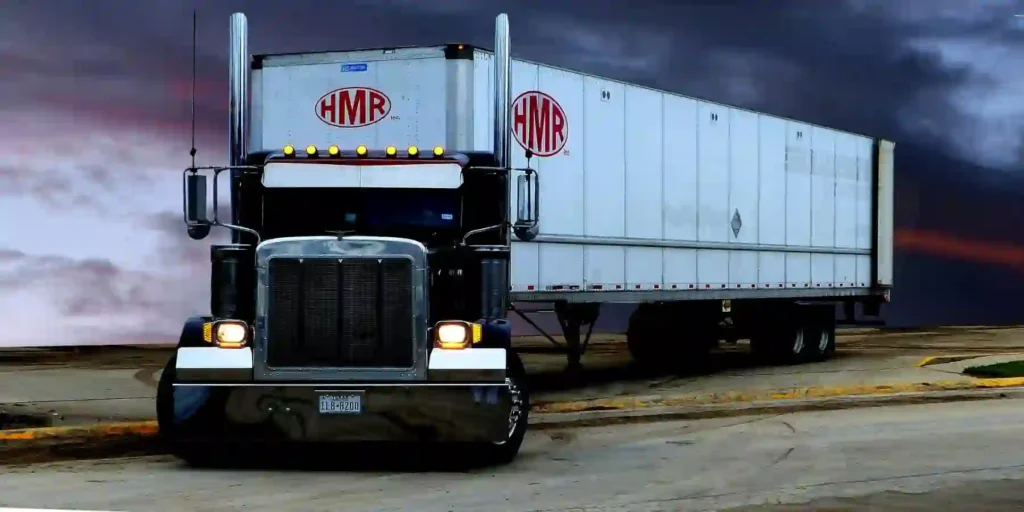
As a Nashville truck accident lawyer, I am well-aware that one in 14 traffic accidents in Tennessee involves a commercial truck and leaves devastating impacts on victims and their families. The collision between an 80,000-pound loaded semi-truck and a 4,000-pound passenger vehicle often leads to catastrophic results. My experience as a Nashville truck accident lawyer has shown me how these crashes change lives forever.
The numbers paint a grim picture. Tennessee roads have seen more than 530 truck accident deaths between 2014 and 2018. Davidson County tops the list with the highest crash rates statewide. Driver fatigue, distracted driving, poor vehicle maintenance, and inadequate training cause most of these accidents. The legal process after a truck accident can overwhelm victims, especially with Tennessee’s one-year statute of limitations. This detailed guide will help you understand your rights and the vital steps after a commercial truck accident in Nashville.

First Steps After a Nashville Truck Accident
Your actions right after a truck accident can make a vital difference to protect your health and legal rights. Let me guide you through the most important first steps based on my experience with many truck accident cases in Nashville.
1. Safety and medical priorities
Your first priority after a truck collision should be to move to a secure location. If you can drive your vehicle, carefully pull over to the shoulder or find a safe spot away from traffic. Turn on your hazard lights to warn other drivers and stop additional accidents from happening.
Next, check for injuries. Don not move anyone who seems badly hurt unless there is immediate danger like fire risk. Let medical professionals handle potential spinal or internal injuries. You should get a medical evaluation quickly even if you feel fine because some injuries don’t show symptoms right away.
2. Documenting the Nashville truck accident scene from you Truck Accident in Nashville
After ensuring everyone’s safety, gather evidence while everything is fresh in your mind. Take complete photos and videos of:
- Vehicle positions and damage
- Road conditions and traffic signals
- Skid marks or debris
- Any visible injuries
You should also collect vital information from everyone involved, such as:
- The truck driver’s contact details
- Insurance information
- Employer information
- Vehicle registration numbers
Witness statements will help deepen your case’s strength. Talk to any bystanders who saw the accident and get their contact information. Their unbiased accounts will give crucial support to your claim, especially about road conditions and driver behavior during the crash.

3. Contacting law enforcement right after you Nashville Truck Accideent
Call 911 right away to get both medical help and police at the scene. The Nashville Crash Investigation Unit responds to serious accidents with highly trained officers who use special equipment to document everything accurately. These investigators capture detailed roadway and vehicle evidence and create scaled documentation to reconstruct what happened.
The police report will be vital evidence for your case. Officers will:
- Record detailed accident information
- Gather witness statements
- Document potential contributing factors
- Work with the Davidson County District Attorney’s Office during investigations
Note that trucking companies often send their response teams immediately after an accident to protect their interests. You need to preserve evidence quickly. Federal regulations require trucking companies to keep various records:
- Driver logs and supporting documentation for 6 months
- Routine maintenance records for 18 months
- Vehicle inspection records for 14 months
These steps will create solid foundations for your potential legal claim while keeping everyone’s safety as the top priority. Tennessee law gives you just one year to file personal injury claims, so quick action will protect your rights and boost your chances of getting fair compensation.

Key Evidence You Need to Collect from a Truck Accident in Nashville
Strong evidence will substantially strengthen your case after a truck accident. Let me outline the significant pieces of evidence you need to collect as a Nashville truck accident lawyer.
1. Photos and videos
Detailed photo documentation is a vital part of truck accident cases. You should capture multiple angles of:
- Vehicle positions and damage patterns
- Road conditions, including skid marks
- Traffic signals and signs
- Weather conditions at the scene
- Any visible injuries sustained
For detailed close-up shots, you can place common items like coins or keys next to smaller details to show scale. Make sure your phone’s timestamp function stays active to record when you took these photos.
2. Witness information
Witness statements are a great way to get evidence because insurance adjusters, judges, and juries tend to see third-party accounts as unbiased and objective. Get this information from each witness:
- Full name and contact details
- Email address
- Brief description of what they saw
- Any photos or videos they captured
Note that finding witnesses becomes harder over time due to address changes or name changes through marriage.
3. Truck driver’s records
Federal regulations require truck drivers to keep detailed documentation. The essential records include:
- Hours of Service (HOS) logs
- Bills of lading
- Trip tickets
- Gas receipts
- Maintenance records
- Service documentation
These records often show if someone violated safety protocols or falsified documents. Trucking companies must keep driver logs for 6 months, routine maintenance records for 18 months, and vehicle inspection records for 14 months.

4. Electronic logging device data
Electronic Logging Devices (ELDs) automatically track operational data, though their implementation has shown mixed results. Small carriers and independent operators improved their compliance with reporting hours of service after the Federal Motor Carrier Safety Administration’s December 2017 mandate.
Research indicates that accident numbers actually increased for all but one of these carriers after the ELD mandate – those operating more than 50,000 trucks. The devices track:
- Driving hours
- Vehicle speed
- Braking patterns
- Throttle position
- Operational timeline
This data runs on a continuous loop, and new information eventually writes over older records. Getting this evidence quickly becomes vital to preserve your case.
Trucking companies often send their investigators to accident scenes while victims are still in emergency rooms. Quick action and proper documentation protect vital evidence before it vanishes or changes. An experienced truck accident attorney will help preserve and analyze this critical evidence properly.
Understanding Claims in Nashville Truck Accidents
Getting fair compensation after a commercial truck accident depends on how well you know Tennessee’s legal system. Let me explain the types of damages you can receive and the significant filing deadlines that will affect your claim as a Nashville truck accident lawyer.
1. Types of compensation available in a Nashville Truck Accident
Tennessee law recognizes two main categories of compensation for truck accident victims. Economic damages cover tangible losses without any caps or limits. These include:
- Medical expenses from emergency care through rehabilitation
- Property damage repairs or vehicle replacement
- Lost wages and reduced future earning capacity
- Long-term disability costs
Non-economic damages address the intangible effects of your accident. Tennessee caps these damages at $750,000 for most cases. All the same, this limit increases to $1,000,000 in severe cases with:
- Limb amputation
- Spinal cord paralysis
- Severe burns
- Death of a parent with minor children
Punitive damages might apply in certain situations. You can receive these additional damages by proving the truck driver or company acted recklessly, maliciously, or fraudulently. State law says punitive damages cannot exceed either $500,000 or twice the total compensatory damages awarded.

2. Time limits for filing a Nashville Truck Accident Lawsuit
Tennessee has strict deadlines for truck accident claims. You must file your lawsuit within one year from the accident date. You could lose your right to seek compensation if you miss this deadline.
Some circumstances may extend these time limits:
- Minors have until their 19th birthday to file claims
- The one-year countdown starts from the date of death rather than the accident in wrongful death cases
- Pending criminal charges against the responsible party might extend the filing period by one to two years
My experience handling truck accident cases shows that insurance companies try to minimize payouts. They often offer settlements at only 40% of your case’s actual worth. These first offers rarely consider:
- Future medical requirements
- Diminished work capacity
- Long-term rehabilitation needs
- Ongoing pain management
Tennessee law gives surviving family members additional compensation options through wrongful death claims. These may include damages for:
- Lost household contributions
- Lost emotional support
- Lost marital benefits
- Future income the deceased would have earned
Note that trucking companies send their response teams right after accidents. These teams protect the company’s interests quickly, so you need to take legal action promptly to protect your rights.
How to Choose the Right Nashville Truck Accident Lawyer
Your choice of a qualified Nashville truck accident lawyer like Timothy L. Miles will affect your case’s outcome. Let me share what I’ve learned from my exceptional experience to help you make an informed decision about the right attorney.
1. Experience requirements
A skilled truck accident attorney needs to know more than simple personal injury law. Here’s what to look for:
Proven Track Record: Your attorney should show successful outcomes in similar cases. Experienced firms keep detailed records of settlements and verdicts that relate specifically to commercial truck accidents.
Regulatory Expertise: The lawyer should know both state and federal trucking regulations. This knowledge helps them spot violations that might have led to your accident.
Investigation Capabilities: The best attorneys use these investigation methods:
- Accident reconstruction expertise
- Access to industry experts
- Knowledge of electronic logging device (ELD) data analysis
- Understanding of truck maintenance requirements
Resource Availability: Leading law firms work with:
- Medical experts for injury documentation
- Accident reconstruction specialists
- Industry professionals who understand trucking regulations
2. Questions to ask before hiring
Take time to ask potential attorneys these questions to see if they’re right for you:
Case Management Questions:
- Will you handle my case yourself or will another team member work on it?
- How will you break down my specific situation?
- What challenges do you see in my case?
Experience Verification:
- How many truck accident cases have you taken to trial yourself?
- What’s your success rate with settlements versus court verdicts?
- Do you have specialized certifications in truck accident law?
Communication Protocol:
- How will you keep me updated about my case?
- How quickly do you respond to clients?
- Who will be my main contact during the legal process?
Financial Arrangements: Most respected truck accident attorneys work on a contingency basis, which means they get paid only if you win your case. Still, ask about:
- Your contingency fee percentage
- Who pays for case-related expenses
- Any other costs you should expect
Note that trucking companies send their legal teams right after accidents happen. You need experienced representation quickly. A qualified attorney will talk to insurance companies and protect your rights throughout the process.
The right lawyer should show both expertise and steadfast dedication to your case. They must be ready for trial if needed, since trucking companies often fight fair settlements. Your attorney’s detailed preparation and strong representation will substantially improve your chances of getting fair compensation.
Common Mistakes to Avoid When Filing a Nashville Truck Accident Lawsuit
Your fair compensation after a truck accident depends on avoiding significant mistakes. Here’s what you need to know about common pitfalls that could affect your claim.
1. Talking to insurance companies
Insurance adjusters reach out to victims right after accidents. They seem helpful but protect their company’s interests. Their main goal is to minimize payouts and protect their bottom line.
Here’s what you should know about dealing with insurers:
- Never provide recorded statements without legal representation
- Avoid discussing fault or accepting blame
- Don’t sign documents until your attorney reviews them
Insurance companies use recorded statements to gather information that might hurt your claim later. Simple “yes” or “no” answers could damage your case unexpectedly.
2. Settling a Nashville Truck Accident Claim too quickly
Early settlement offers rarely provide adequate compensation. Insurance companies present their original offers hoping you’ll accept before you understand what your claim is worth. These quick settlements usually fail to cover:
- Future medical requirements
- Long-term rehabilitation needs
- Ongoing pain management costs
- Lost future earnings potential
You should wait until you reach maximum medical improvement (MMI) before you think over settlement offers. MMI happens when your doctor determines you’ve reached your highest possible recovery level. This makes it easier to calculate future expenses accurately.
3. Not getting medical treatment
Your health and legal claim suffer when you delay medical care. Getting immediate medical evaluation is vital, even if you feel fine because:
- Adrenaline can mask injury symptoms
- Quick treatment links the accident to your injuries clearly
- Medical records strengthen your case
- Following prescribed treatments shows your dedication to recovery
Medical expenses after truck accidents can reach thousands of dollars. Skipping appointments or ignoring doctor’s orders gives insurance companies reasons to dispute your claim. Regular medical care creates a documented timeline of your injuries and recovery. This documentation is vital to prove damages.
Your health and legal rights stay protected when you avoid these common mistakes. Insurance companies often try to delay or pressure victims into quick settlements. You position yourself to receive fair compensation that matches your losses through proper medical documentation and patient negotiations.
Conclusion
Truck accidents are among the most devastating events on Nashville roads. Victims face complex legal challenges while trying to recover physically. My years handling these cases have shown how proper documentation and quick action make the difference between fair compensation and inadequate settlements.
Tennessee law gives you just one year to file your claim. Insurance companies might push you toward quick settlements, but you need time to understand your rights and options. Your position becomes by a lot stronger during negotiations when you collect evidence, document medical treatment, and work with a qualified truck accident lawyer.
You should avoid talking directly to insurance companies without legal representation. Their original offers might look good but rarely cover long-term medical costs or future lost wages. A skilled truck accident attorney will fight to get you compensation that matches your damages and handle the complex negotiations for you.