
Introduction to the Dexcom Device Recall Lawsuit
Dexcom Recall Lawsuit Lawyer in Tennessee: Dexcom continuous glucose monitors, often called CGMs, play a critical role in modern diabetes management. They are not lifestyle gadgets. They are medical devices used to guide , and support day-to-day safety for children and adults living with diabetes.
When a CGM is recalled, the issue is not merely an inconvenience. It becomes a risk, filled with uncertainty and the possibility of inaccurate glucose readings, missed alerts, device failures, or delayed treatment decisions. In such circumstances, Tennessee consumers typically want clear answers to three questions:
- What does the recall mean for my health and my device?
- What should I do right now to protect myself and my family?
- When does a recall become a legal claim, and when should I speak with a Dexcom recall lawsuit lawyer in Tennessee?
This guide is designed to be practical, structured, and consumer-focused. It explains the recall process, your documentation priorities, and how product liability lawsuits generally work when a medical device allegedly causes harm.
If you or a loved one used a defective Dexcom device and suffered harm when your Dexcom device malfunctioned, contact Dexcom Recall Lawsuit Lawyer in Tennessee Timothy L. Milesfor a free case evaluation today as you may be eligible for a Dexcom Device Recall Lawsuit and potentially be entitled to substantial compensation in a Dexcom device recall lawsuit. (855) 846–6529 or tmiles@timmileslaw.com.

What a Dexcom Recall Usually Means
A recall is a corrective action taken when a product is believed to pose a safety risk or fails to meet regulatory or quality standards. For medical devices like Dexcom CGMs, recalls can involve:
- Software fixes or firmware updates
- Device replacement or component replacement
- Updated instructions for use
- Return, refund, or disposal instructions
- Expanded warnings or alert changes
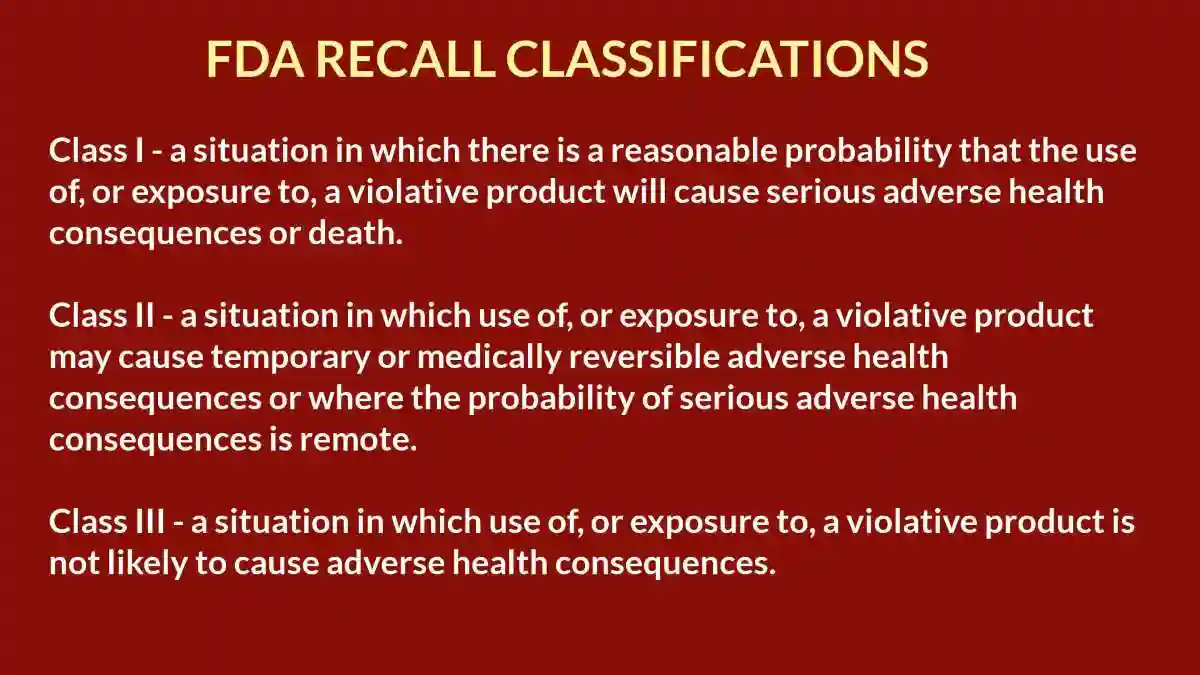
In the United States, many medical device recalls are coordinated through the U.S. Food and Drug Administration (FDA). Some are initiated voluntarily by the manufacturer due to internal concerns about product safety while others are prompted by regulator concerns. The FDA may classify recalls based on the risk profile but remember that a classification is not the same as a determination of fault.
A recall does not automatically mean a patient has a lawsuit. A lawsuit typically requires harm, a plausible connection between the defect and the harm, and evidence supporting liability. However, recalls can serve as an objective marker indicating that a product issue existed necessitating corrective action.
If you find yourself in this situation where your health has been adversely affected due to a defective Dexcom device, it may be time to consider legal action. You might be eligible for compensation in such cases which is where understanding compensation in a Dexcom recall lawsuit becomes crucial.
Furthermore, if you’re uncertain about whether you qualify for such legal action or have questions about the specifics of your case such as whether you qualify for a Dexcom lawsuit, seeking professional advice from an experienced attorney would be beneficial.
Recalls can also serve as grounds for other types of lawsuits if there’s substantial evidence linking the device’s defect to further complications such as vision loss which has been observed in cases involving other medications like Trulicity or Saxenda. If you’ve experienced any adverse effects similar to those described in these [Trulicity NAION lawsuit cases](https://classactionlawy
Why CGM Recalls Can Create High Risk for Patients
A Continuous Glucose Monitor (CGM) is used as a decision tool. That is what makes CGM failures uniquely dangerous. Common alleged failure modes in CGM related incidents include the following:
- Inaccurate readings (false highs or false lows)
- Signal loss or intermittent connectivity failures
- Missed alerts or delayed alerts
- Sensor failure before expected wear time
- Calibration or algorithm errors, depending on device generation and settings
- App or receiver issues that reduce visibility during critical moments
When a CGM output is wrong, the downstream consequences can be severe. Patients may over correct, under correct, or delay treatment. The potential harm can include:
- Severe hypoglycemia requiring emergency intervention (which could lead to hypoglycemia)
- Hyperglycemia leading to diabetic ketoacidosis (DKA) risk
- Falls, seizures, loss of consciousness
- Work, driving, or school incidents triggered by missed alerts
- Psychological harm, including anxiety and loss of confidence in monitoring tools
The legal lens is typically not “Was the device imperfect?” The legal lens is “Was the product defective or unreasonably dangerous, and did that defect cause compensable harm?”
Step One in Tennessee: Protect Health Before Paperwork
If you suspect your Dexcom device malfunctioned or produced an unsafe reading pattern:
- Confirm with a fingerstick meter if available, especially before dosing insulin.
- Follow your clinician’s safety plan for suspected CGM inaccuracies.
- Seek urgent care or emergency care if symptoms suggest severe hypo or hyperglycemia, confusion, fainting, vomiting, or breathing changes.
- Preserve the device components if it is safe to do so. Do not discard them unless instructed for safety reasons.
Your health comes first. Documentation is important, but it should never delay treatment.
In addition to these immediate steps, it’s crucial to be aware of the potential long-term effects of CGM malfunctions. For instance, certain medications like Saxenda, Trulicity, and Mounjaro have been associated with vision loss in some patients. If you experience any unusual symptoms such as vision changes after using these medications in conjunction with a malfunctioning CGM, it’s vital to seek medical attention immediately.
Furthermore, if you believe that a Defective Dexcom Device has caused significant harm leading to vision loss or other serious health issues, you may want to consider legal action. There are experienced lawyers who practice such cases and can provide assistance. For example, if you have suffered from vision loss due to the use of Saxenda, Trulicity or Mounjaro while relying on a malfunctioning CGM device, you can consult a [Saxenda vision
Step Two: Verify Whether Your Device Is Included in a Recall
If you are hearing about a “Dexcom recall” through social media, a friend, or a pharmacy notice, validate it through primary sources.
Where to check recall details
- FDA medical device recall database and safety communications
- Dexcom communications to customers, pharmacies, and clinicians
- Distributor or pharmacy notifications, if applicable
Key identifiers usually include:
- Lot numbers
- Serial numbers
- Model names and generations
- Affected manufacturing dates
- Specific instructions for mitigation, replacement, or return
If you cannot determine whether your device is affected, contact Dexcom support and document the date, time, and the representative’s name or ID number.
If you or a loved one used a defective Dexcom device and suffered harm when your Dexcom device malfunctioned, contact Dexcom Recall Lawsuit Lawyer in Tennessee Timothy L. Miles for a free case evaluation today as you may be eligible for a Dexcom Device Recall Lawsuit and potentially be entitled to substantial compensation in a Dexcom device recall lawsuit. (855) 846–6529 or tmiles@timmileslaw.com.
Step Three: Preserve Evidence the Right Way (Most Consumers Do Not)
If you later pursue a lawsuit, what you preserve in the first days and weeks can matter. Consumers often throw away packaging, delete app logs, or swap devices without retaining the unit, which can complicate proof.
What to keep
- The sensor, transmitter, and any receiver involved, if available
- Original box, labels, and lot or serial information
- Photos of packaging and device IDs
- Screenshots of abnormal readings, alert failures, error codes, and signal loss messages
- App logs or exported reports, if your platform allows it
- A written timeline of what happened, including symptoms and actions taken
- Medical records from related ER visits, hospitalizations, EMS responses, or clinic follow ups
- Receipts and insurance explanation of benefits (EOBs) that reflect costs
In cases where severe complications arise from using a faulty device, such as vision loss due to a defective product like the Dexcom device linked to the Zepbound vision loss lawsuit, having preserved evidence can be crucial for legal proceedings.
What not to do
- Do not “repair” or alter the device beyond what Dexcom instructs.
- Do not discard components unless disposal is required for safety. If disposal is required, photograph and document the reason.
- Do not assume Dexcom already “has the data.” Your documentation remains important.
Evidence preservation is not about being adversarial. It is about being accurate, consistent, and prepared. Spoliation of evidence law in Florida product liability cases underscores the importance of maintaining evidence.
When a Dexcom Recall Becomes a Potential Lawsuit
A recall, by itself, is not a legal claim. In most Tennessee product liability and personal injury contexts, a claim becomes viable when there is a combination of:
- A defect or failure (design, manufacturing, labeling, software, or quality control)
- Causation (the defect contributed to the injury)
- Damages (medical bills, lost wages, pain and suffering, disability, or other losses)
In practice, consumers often contact a Dexcom recall lawsuit lawyer in Tennessee when they experienced a serious event such as:
- Hospitalization for severe hypoglycemia or hyperglycemia
- DKA or near DKA episode associated with missed alerts or inaccurate readings
- Seizure, fall, or motor vehicle incident linked to glucose mismanagement
- A child’s dangerous episode after a caregiver relied on alerts that did not trigger
- Repeated device failures that created a medically documented pattern of risk
Even then, a lawyer will usually evaluate alternative explanations, including user error, insertion issues, sensor placement, medication changes, illness, or other confounding variables. That is normal and necessary. Strong claims are built on clear causation, clear documentation, and credible medical evidence.
In some cases involving severe adverse effects from medications like Dupixent or Mounjaro—such as those leading to cancer or NAION, individuals may seek legal counsel for potential lawsuits related to these drugs.
Tennessee Law Basics: How Product Liability Claims Are Commonly Framed
In Tennessee, claims involving allegedly defective medical devices are often evaluated under product liability principles. While every case is fact specific, the most common legal theories include:
Manufacturing defect
A manufacturing defect is typically alleged when a product deviates from specifications. Example concepts include contamination, component failure, or quality control errors affecting a specific batch.
Design defect
A design defect is typically alleged when the product’s intended design is unreasonably dangerous, even if manufactured correctly. This may involve hardware design, algorithms, alert thresholds, or system architecture.
Failure to warn or inadequate instructions
This theory focuses on labeling, warnings, training materials, or risk disclosures. The question is often whether the company provided adequate warnings and instructions for foreseeable risks.
Negligence and related theories
Some lawsuits include negligence allegations tied to testing, monitoring adverse events, post market surveillance, complaint handling, and recall execution.
A Tennessee attorney can explain which theories may apply to your facts and what proof is realistically needed.
What a Dexcom Recall Lawsuit Lawyer in Tennessee Actually Does
Consumers often assume a lawyer’s role is limited to filing paperwork. In medical device litigation, the work is usually broader and more technical.
A qualified attorney commonly helps with:
- Case screening to determine whether the facts align with a viable claim
- Evidence preservation guidance, including device retention and documentation strategy
- Medical record collection and timeline construction
- Expert coordination, when required, for endocrinology, biomedical engineering, software, or human factors
- Causation analysis, connecting device events to clinical outcomes
- Negotiation with insurers or opposing counsel
- Litigation when appropriate, including discovery and motion practice
The goal is repetition for emphasis: clarity, accuracy, and accountability. Clarity about what happened. Accuracy about what can be proven. Accountability when a defect causes harm.
What Compensation May Cover (Case Dependent)
If a claim is successful, damages in a Tennessee product liability case may include:
- Past and future medical expenses
- Lost wages and diminished earning capacity
- Pain and suffering
- Disability, scarring, or long term complications
- Out of pocket costs, including replacement supplies and travel for care
- In fatal cases, wrongful death related damages for eligible family members
No ethical lawyer can promise a settlement value without a detailed review. Medical device cases are document heavy and fact sensitive. Still, understanding the categories helps you organize records and expectations.
If you or a loved one used a defective Dexcom device and suffered harm when your Dexcom device malfunctioned, contact Dexcom Recall Lawsuit Lawyer in Tennessee Timothy L. Miles for a free case evaluation today as you may be eligible for a Dexcom Device Recall Lawsuit and potentially be entitled to substantial compensation in a Dexcom device recall lawsuit. (855) 846–6529 or tmiles@timmileslaw.com.

How to Choose the Right Dexcom Recall Lawsuit Lawyer in Tennessee
Medical device litigation is not the same as a routine car accident claim or a Depo Provera lawsuit. The best consumer outcome usually follows careful lawyer selection.
Use objective criteria:
Relevant experience
Ask whether the attorney has handled:
- Product liability cases involving medical devices
- Cases involving device recalls, adverse event allegations, or complex causation
Technical capacity
Ask how the firm manages:
- Medical record review
- Expert engagement
- Device and software related evidence
Fee structure clarity
Many injury firms work on a contingency fee basis, meaning fees are paid from a recovery. Ask for the fee percentage, how case expenses are handled, and what happens if there is no recovery.
Communication standards
You should know who will manage the file, how often you will receive updates, and how quickly calls are returned. Consistency matters, especially when a case requires months of documentation and review.
Conservative, evidence based screening
A careful lawyer will ask detailed questions and may decline weak cases. That is not a negative. It is a signal of discipline, accuracy, and professional judgment.
If you’re seeking legal assistance related to Depo Provera, it’s crucial to choose an attorney with relevant experience in handling such cases. They should have a strong track record in product liability cases involving medical devices and should be adept at managing complex legal scenarios such as device recalls or adverse event allegations.
A Consumer Checklist: What to Do in the First 7 Days
If you suspect a Dexcom recall issue affected you or your family, this checklist keeps actions organized.
- Prioritize medical safety and confirm readings when necessary.
- Identify the exact device components involved (sensor, transmitter, receiver, phone model, app version).
- Verify recall status through FDA and manufacturer sources.
- Photograph and preserve packaging, lot numbers, and device screens showing errors.
- Write a timeline while it is fresh, including symptoms and treatment decisions.
- Request medical records for ER visits, urgent care, EMS, or follow ups.
- Schedule a consultation with a Tennessee attorney if there was significant harm or hospitalization.
This is proactive preparation. It is also governance in personal form. Control the facts. Control the records. Control the narrative through documentation.
The Role of Corporate Governance and Post Market Surveillance
Consumers tend to view recalls as isolated events. In reality, recalls exist within a broader compliance system built on:
- Quality management systems (QMS)
- Complaint handling and adverse event reporting
- Corrective and preventive actions (CAPA)
- Post market surveillance
- Risk management, including hazard analysis and mitigations
Strong corporate governance reduces risk through repetition for emphasis: consistent testing, consistent monitoring, consistent corrective action. When governance fails, defects can persist longer, reporting can be delayed, and corrective steps can be unclear. From a consumer standpoint, governance is not an abstract concept. It is a practical safety framework that determines how quickly risks are detected and how effectively they are corrected.
If you are evaluating legal options, governance issues can become relevant when attorneys analyze what the company knew, when it knew it, how it responded, and whether the response was adequate.
Important Note About Deadlines in Tennessee
Every state has legal deadlines called statutes of limitation, and product liability cases can also involve additional timing rules that affect eligibility. Do not assume you have years to decide. If there was a serious injury, it is prudent to consult an attorney sooner rather than later, even if you are still gathering records.
Because timelines depend heavily on the type of case, you can use our statutes of limitations tool for product liability to see how much time you have left to file
If you or a loved one used a defective Dexcom device and suffered harm when your Dexcom device malfunctioned, contact Dexcom Recall Lawsuit Lawyer in Tennessee Timothy L. Miles for a free case evaluation today as you may be eligible for a Dexcom Device Recall Lawsuit and potentially be entitled to substantial compensation in a Dexcom device recall lawsuit. (855) 846–6529 or tmiles@timmileslaw.com.
Closing Guidance: Act Early, Document Thoroughly, Decide Carefully
A Dexcom recall can be disruptive. It can also be dangerous when it contributes to incorrect treatment decisions, missed warnings, or delayed care. Tennessee consumers are best served by a structured response:
- Act early to protect health.
- Document thoroughly to preserve facts.
- Decide carefully after a qualified review.
If you experienced a serious event and suspect your Dexcom device malfunction, a Dexcom recall lawsuit lawyer in Tennessee can help you evaluate whether the facts support a claim, what evidence is needed, and what a realistic path forward looks like.
The forward looking approach is simple: prioritize safety today, strengthen accountability tomorrow, and build a record that supports integrity in the medical device marketplace.
Frequently Asked Questions about the Dexcom Device Recall Lawsuit
What does a Dexcom continuous glucose monitor (CGM) recall mean for my health and device?
A Dexcom CGM recall indicates that the device may pose safety risks such as inaccurate glucose readings, missed alerts, or device failures. It is a corrective action to address potential hazards and ensure patient safety. Recalls can involve software updates, device replacements, or updated usage instructions. While a recall signals a product issue, it does not automatically mean harm has occurred, but it does warrant caution and attention to your health and device functionality.
What immediate steps should I take if I suspect my Dexcom CGM is malfunctioning?
If you believe your Dexcom CGM is giving unsafe or inaccurate readings, first confirm your glucose level with a fingerstick meter before making insulin dosing decisions. Follow your healthcare provider’s safety plan for suspected inaccuracies. Seek urgent or emergency medical care if you experience severe symptoms such as confusion, fainting, or signs of hypoglycemia or hyperglycemia. Preserve the device components safely for documentation purposes unless advised otherwise. Prioritize your health above all else.
How do Dexcom CGM recalls affect diabetes management and patient safety?
Dexcom CGMs are critical medical devices used to guide insulin dosing and prevent severe hypoglycemia. Recalls can lead to risks like false high or low readings, signal loss, missed alerts, sensor failure, and app issues. Such failures may cause overcorrection or delayed treatment resulting in severe hypoglycemia, diabetic ketoacidosis (DKA), seizures, falls, psychological distress, and loss of confidence in monitoring tools. Therefore, recalls can significantly impact day-to-day safety for people living with diabetes.
When should I consider consulting a Dexcom recall lawsuit lawyer in Tennessee?
You should consider speaking with a qualified attorney if you have suffered harm that you believe was caused by a defective Dexcom CGM recalled due to safety issues. Legal claims typically require evidence linking the device defect to your injury or adverse health effects. An experienced lawyer can help determine whether you qualify for compensation and guide you through the legal process related to product liability lawsuits involving Dexcom recalls.
What does the FDA recall classification mean for Dexcom CGMs?
The U.S. Food and Drug Administration (FDA) classifies medical device recalls based on risk levels but this classification does not determine fault or guarantee harm has occurred. The FDA coordinates recalls which may be voluntary by manufacturers or prompted by regulators. A recall classification serves as an objective marker that a product issue exists requiring corrective action but does not automatically imply legal liability without evidence of injury caused by the defect.
Why are continuous glucose monitor (CGM) failures uniquely dangerous compared to other medical devices?
CGMs like Dexcom devices serve as decision tools for insulin dosing and diabetes management; thus their accuracy is vital. Failures such as inaccurate readings, signal loss, missed alerts, sensor malfunctions, or app issues can lead to incorrect treatment decisions causing severe hypoglycemia or hyperglycemia with potentially life-threatening consequences including seizures or diabetic ketoacidosis (DKA). This direct impact on critical health decisions makes CGM malfunctions uniquely hazardous.