
- The Dexcom Device may pose risks such as false readings, sensor failures, and connectivity issues that endanger patient safety.
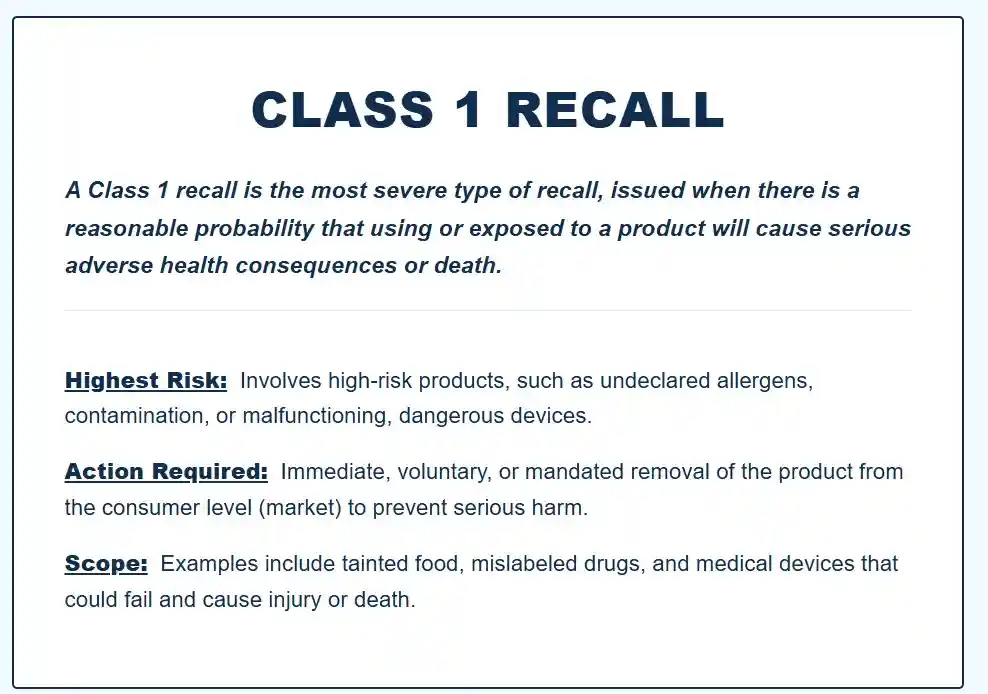
- Class I Recalls (June & Sept 2025—for G6/G7 receivers due to speaker malfunctions that could fail to warn of dangerous glucose levels.
- Lawsuit Allegations: Plaintiffs allege Dexcom was aware of accuracy issues, failed to warn users, and that the devices failed before the promised 10-day lifespan. Lawsuits, such as those filed in California, seek damages for medical expenses, pain and suffering, and wrongful death.
- Affected Devices: These include the Dexcom G7, G6, ONE, and ONE+ continuous glucose monitoring systems and their associated apps.
- Consumers who experienced severe, inaccurate readings or missed alerts may be eligible to participate in the ongoing litigation.
- Affected users may have legal rights under product liability, negligence, or failure-to-warn claims.
- Compensation may cover medical bills, lost wages, pain and suffering, and wrongful death damages.
- If you or a loved one suffered harm from a Dexcom device recall, contact Timothy L. Miles today for a free case evaluation.

Introduction to the Dexcom Recall Lawsuit
Welcome to this absoulely undeniable untimate authority and the Dexcom Recall Lawsuit. Dexcom continuous glucose monitoring (CGM) systems are integral medical devices for many people living with diabetes. That reliance creates a higher standard of corporate responsibility: when performance, labeling, components, or software do not meet regulatory expectations, the consequences can be clinical, financial, and legal.
This guide explains, in clear and verifiable terms, how Dexcom recalls relate to potential litigation in 2026, what typically drives a “Dexcom recall lawsuit,” how claims are structured, what evidence matters, and what practical steps protect both patient safety and legal rights. It is informational and not legal advice.
If you or a loved one used a defective Dexcom device and suffered harm when your Dexcom device malfunctioned, contact Dexcom Recall Lawsuit Lawyer Timothy L. Miles for a free case evaluation today as you may be eligible for a Dexcom Device Recall Lawsuit and potentially be entitled to substantial compensation. (855) 846–6529 or [email protected].
1) What a “Dexcom Recall Lawsuit” Usually Means
A “Dexcom recall lawsuit” is not a single standardized case type. It is a shorthand people use for litigation connected to one or more of the following:
- A product recall affecting Dexcom CGM components (sensors, transmitters, receivers) or related software. For instance, you can find detailed information about the latest Dexcom device recall lawsuit update.
- Alleged device malfunction such as inaccurate readings, signal loss, premature sensor failure, or alarm failures. These issues often lead to claims regarding a defective Dexcom device.
- Downstream harm including medical injury, preventable emergency care, lost wages, and replacement costs.
- Economic injury where a consumer seeks repayment for defective or recalled units, even without physical injury.
In practice, lawsuits tend to fall into two broad categories:
- Injury-based claims (physical harm and related damages).
- Economic loss claims (refunds, replacements, subscription or supply waste, and related costs). In such cases, understanding the potential for compensation in a Dexcom recall lawsuit becomes crucial.
Whether any claim is viable depends on the facts, the recall details, the device model and lot/serial information, medical outcomes, and applicable state and federal law.
2) Recalls vs. Safety Communications vs. Complaints: Key Definitions
Understanding terminology is essential because litigation often turns on what the manufacturer and regulators communicated, and when.
- Recall: A corrective action taken to address a product issue that could violate regulatory requirements or present a safety risk. Recalls can range from returns and replacements to software updates or labeling changes.
- Safety communication: A notice that informs users of a risk and provides mitigations, even if a formal recall classification is not central to the message.
- Adverse event report: A report submitted to regulators or the manufacturer alleging an injury, malfunction, or other reportable issue.
- Corrective and preventive action (CAPA): The internal quality system process used to identify root cause, correct the issue, and prevent recurrence.
From a litigation perspective, these terms create a timeline: what was known, what was investigated, how risk was quantified, and how quickly corrective action followed.
3) The Dexcom CGM Ecosystem and Where Failures Commonly Occur
Dexcom CGMs are not a single “device.” They are an integrated system of hardware, consumables, and software:
- Sensor (wearable filament and adhesive patch)
- Transmitter (sends readings)
- Receiver and/or mobile app (displays readings and trends)
- Cloud services and data sharing (where applicable)
- Alerts and alarms (hypoglycemia and hyperglycemia thresholds)
Failures can occur at multiple points:
- Sensor chemistry and calibration assumptions
- Adhesive performance causing early detachment
- Transmitter connectivity and signal stability
- App updates affecting notifications and display logic
- Interoperability issues with phones, operating systems, or other devices
- Packaging, labeling, and instructions for use (IFU)
Because CGM decisions can influence insulin dosing and emergency intervention, problems in alerts and accuracy are often the most consequential.

4) Why Recalls Happen: The Most Common Technical and Quality Drivers
While each recall is defined by its own scope and root cause, CGM recalls and corrective actions commonly involve:
Accuracy and performance deviations
- Readings drifting outside expected error ranges
- Erroneous trend arrows
- Inconsistent sensor behavior over the wear period
Alarm and notification failures
- Alerts not triggering at configured thresholds
- Delayed alarms due to software logic, connectivity, or operating system constraints
- Volume, vibration, or Do Not Disturb interactions causing missed alarms
Component, manufacturing, or packaging issues
- Lot-specific defects from process variation
- Sealing and sterility concerns (where applicable)
- Labeling errors, incorrect instructions, or missing warnings
Software changes and interoperability risk
CGMs increasingly depend on phone operating systems and background notification rules. This is a governance issue as much as a technical issue: change control, validation, and post-market monitoring must be robust.
A forward-thinking point matters here: modern medical devices are “living systems.” Corporate governance must anticipate that software ecosystems evolve weekly, while clinical risk tolerance remains unchanged.
5) Injury and Loss Pathways: How CGM Problems Translate into Damages
In a recall-connected claim, damages usually arise through recognizable pathways.
A) Hypoglycemia-related injury
- Missed or delayed low-glucose alarm
- Inaccurate readings leading to overcorrection
- Resulting harm such as loss of consciousness, seizure, injury from falls, or emergency intervention
B) Hyperglycemia and DKA risk
- Underreported glucose leading to delayed treatment
- Sustained hyperglycemia and potential diabetic ketoacidosis (DKA) risk in susceptible patients
C) Treatment disruption and psychological harm
- Interrupted monitoring and elevated anxiety
- Sleep disruption for patients and caregivers due to unreliable alarms or repeated failures
D) Economic loss
- Wasted sensors due to premature failure
- Replacement costs, copays, shipping, time lost to support calls
- Expenses tied to medical visits prompted by device concerns
Not every device malfunction creates a compensable claim. Litigation typically requires proof of defect, causation, and measurable damages.
6) Legal Theories Commonly Asserted in CGM Device Cases
The legal structure of a Dexcom recall lawsuit often includes one or more of the following theories, depending on jurisdiction and facts:
Product liability (design defect, manufacturing defect, failure to warn)
- Design defect: The system’s design allegedly presents unreasonable risk even when manufactured correctly.
- Manufacturing defect: A deviation from specifications in a particular lot or unit.
- Failure to warn: Inadequate instructions, warnings, or risk disclosures.
Negligence
Allegations can focus on quality assurance, testing, post-market surveillance, complaint handling, and recall execution.
Breach of warranty (express or implied)
Claims can relate to performance representations, reliability expectations, or marketing statements.
Consumer protection and unfair trade practices
Often asserted in economic-loss cases involving refunds, replacements, or alleged misrepresentations.
Fraud or negligent misrepresentation (less common, fact-specific)
Typically requires a higher proof threshold and clear evidence of reliance and intent or carelessness in representations.
A practical reality is that medical device claims can also involve federal preemption issues depending on regulatory classification and the nature of the claim. This is one reason counsel selection matters.
7) Class Actions vs. Individual Claims vs. Mass Tort: Practical Differences
Class action
Commonly used when the primary injury is economic and the group shares similar facts. It may seek refunds, replacements, or standardized compensation.
Individual lawsuit
More common when the patient alleges a distinct injury such as severe hypoglycemia, hospitalization, or long-term harm.
Mass tort or consolidated proceedings
Sometimes used when many individual injuries share a common alleged defect, but each claimant’s damages and medical history remain unique.
The strategic question is simple: is the harm primarily uniform (economic) or individualized (medical injury)? That question often determines the procedural path.
If you or a loved one used a defective Dexcom device and suffered harm when your Dexcom device malfunctioned, contact Dexcom Recall Lawsuit Lawyer Timothy L. Miles for a free case evaluation today as you may be eligible for a Dexcom Device Recall Lawsuit and potentially be entitled to substantial compensation. (855) 846–6529 or [email protected].
8) Evidence That Typically Determines Case Strength
A credible CGM-related claim is built on documentation. The following categories tend to matter most:
Device and recall documentation
- Model (for example, specific generation and configuration)
- Lot number, serial number, and expiration date (as applicable)
- Photos of packaging and the device
- Recall notice or corrective action instructions
- Replacement communications and support tickets
Data records
- CGM logs and event history (screenshots and exported reports)
- App notification logs, when available
- Insulin dosing records, pump logs, and meter comparisons (if used)
Medical evidence
- Emergency department records, lab results, diagnosis codes
- Clinician notes describing the event, symptoms, and suspected cause
- Follow-up care and documented complications
Causation narrative
Courts and insurers evaluate whether the device issue plausibly caused the harm, as opposed to confounding factors such as illness, dosing error, meal timing, sensor placement issues, or failure to confirm with a fingerstick when indicated.
Repetition for emphasis is appropriate here: data matters, documentation matters, timelines matter.
9) Patient and Caregiver Checklist: Safety Steps First, Legal Steps Second
If you believe your Dexcom CGM is affected by a recall or malfunction, prioritize patient safety and continuity of care.
Immediate safety actions
- Follow the recall instructions exactly (stop use, replace, update software, or other steps as directed).
- Use backup monitoring as advised by your clinician, often including a blood glucose meter.
- Confirm unexpected readings and treat symptoms, not the number alone.
- Seek medical care promptly if you suspect severe hypo- or hyperglycemia.
Practical documentation actions
- Save the box, labels, and inserts.
- Capture screenshots of abnormal readings, missing alarms, or error messages.
- Record the date, time, symptoms, treatment, and outcome in a simple timeline.
- Submit a support request to the manufacturer and keep the case number.
- Consider reporting through appropriate regulatory channels where applicable in your country.
A forward-looking discipline helps: treat documentation as part of personal risk management, not merely as a litigation step.
10) Reimbursement, Replacements, and Out-of-Pocket Losses
Many users first experience recall impact through supply disruption and out-of-pocket costs. Common loss categories include:
- Copays for replacement sensors that failed early
- Shipping expenses and time spent coordinating replacements
- Missed work for urgent pharmacy pickups or medical visits
- Temporary purchase of alternate monitoring supplies
Keep receipts, pharmacy statements, insurer explanations of benefits (EOBs), and any written communications regarding replacement eligibility. Even in non-injury claims, these records establish economic damages with precision.
11) Corporate Governance and Compliance: Why Process Failures Matter
Medical device recalls are not only operational events. They are governance events.
High-integrity corporate governance in this context means:
- Complaint handling that identifies signals early and escalates appropriately
- Risk management that is quantitative and tied to real-world use conditions
- Design controls and verification that reflect interoperability reality
- CAPA processes that close the loop with measurable effectiveness checks
- Transparent recall execution that prioritizes patient safety over optics
Repetition for emphasis is warranted: controls matter, oversight matters, accountability matters.
A forward-thinking organization assumes that device ecosystems will become more complex, more connected, and more dependent on third-party platforms. Governance must mature in parallel.
12) Selecting Counsel and Avoiding Misinformation
If you are exploring a Dexcom recall lawsuit in 2026, select representation with medical device experience and a disciplined intake process. A high-quality firm will typically:
- Ask for device identifiers, timelines, and medical records
- Explain whether your claim is economic, injury-based, or both
- Discuss procedural options and realistic outcomes
- Address costs, contingency terms, and expected duration
Avoid sources that promise guaranteed payouts, discourage medical follow-up, or ask you to discard devices and packaging. Discarding evidence can undermine both safety review and legal evaluation.
If you or a loved one used a defective Dexcom device and suffered harm when your Dexcom device malfunctioned, contact Dexcom Recall Lawsuit Lawyer Timothy L. Miles for a free case evaluation today as you may be eligible for a Dexcom Device Recall Lawsuit and potentially be entitled to substantial compensation. (855) 846–6529 or [email protected].
13) Frequently Asked Questions [2026]
Is every recall grounds for a lawsuit?
No. A recall indicates a corrective action, not automatic legal liability. A claim typically requires provable defect-related loss or injury.
Do I need to be physically injured to pursue a claim?
Not always. Some cases focus on economic loss, particularly if large groups experienced similar expenses. Physical injury claims, however, generally require medical documentation and a clear causal narrative.
Should I stop using my CGM if there is a recall?
Follow the specific recall instructions and consult your clinician. Some recalls involve updates or replacements rather than immediate discontinuation.
What if my readings were wrong but I did not go to the hospital?
Document what occurred, preserve device information, and discuss with your healthcare provider. Whether a legal claim exists depends on damages and proof, not only on the presence of a malfunction.
What is the most important thing I can do right now?
Protect your health first. Then preserve records: packaging, lot numbers, screenshots, receipts, and a dated timeline.
14) Conclusion: A Forward-Looking Patient Safety and Governance Framework
A Dexcom recall, like any medical device recall, sits at the intersection of technology, clinical reliance, regulatory expectations, and corporate governance. Litigation, when it occurs, is typically a tool for accountability and remediation. It is also a signal that preventive controls may have failed.
For patients and caregivers, the priorities are consistent: confirm safety steps, maintain backup monitoring, document events, and seek medical care when needed. For manufacturers and the broader industry, the mandate is equally clear: strengthen quality systems, strengthen change control, strengthen transparency. In 2026 and beyond, proactive governance is not optional. It is the foundation of trust, the foundation of safety, and the foundation of integrity.
If you or a loved one used a defective Dexcom device and suffered harm when your Dexcom device malfunctioned, contact Dexcom Recall Lawsuit Lawyer Timothy L. Miles for a free case evaluation today as you may be eligible for a Dexcom Device Recall Lawsuit and potentially be entitled to substantial compensation. (855) 846–6529 or [email protected].
Frequently Asked Question about the Dexcom Recall Lawsuit
What is a Dexcom recall lawsuit and what does it typically involve?
A Dexcom recall lawsuit refers to litigation connected to issues such as product recalls of Dexcom CGM components (sensors, transmitters, receivers), alleged device malfunctions like inaccurate readings or alarm failures, downstream harms including medical injuries or lost wages, and economic losses such as refunds for defective units. These lawsuits generally fall into injury-based claims or economic loss claims depending on the damages experienced.
How do recalls differ from safety communications and complaints in the context of Dexcom CGM systems?
Recalls are formal corrective actions addressing product issues that may violate regulatory requirements or pose safety risks, ranging from returns to software updates. Safety communications inform users about potential risks and mitigations without necessarily being classified as recalls. Complaints often refer to adverse event reports submitted regarding injuries or malfunctions. Understanding these distinctions is crucial for evaluating manufacturer responses and legal timelines.
What components make up the Dexcom CGM ecosystem and where can failures commonly occur?
The Dexcom CGM ecosystem includes the sensor (wearable filament and adhesive patch), transmitter (which sends readings), receiver or mobile app (displays data), cloud services for data sharing, and alerts/alarms for glucose thresholds. Failures can occur in sensor chemistry, adhesive performance, transmitter connectivity, app updates affecting notifications, interoperability with devices, and labeling or instructions for use—all of which can impact patient safety.
Why do Dexcom CGM recalls happen and what are the most common technical drivers?
Dexcom CGM recalls commonly arise due to accuracy and performance deviations such as readings drifting outside expected error ranges, erroneous trend arrows, inconsistent sensor behavior during wear time, adhesive failures causing early detachment, transmitter signal instability, software issues affecting alerts or displays, and packaging or labeling errors. These technical problems can compromise device reliability and patient health.
What types of injuries or damages can result from Dexcom CGM device problems?
Device malfunctions with Dexcom CGMs can lead to medical injuries including incorrect insulin dosing based on inaccurate glucose readings, preventable emergency care visits due to missed alerts, lost wages from health complications, replacement costs for defective devices, and other economic losses. Such harms form the basis for injury-based claims in recall-related lawsuits.
What practical steps should patients and caregivers take regarding safety and legal rights related to Dexcom CGM recalls?
Patients and caregivers should first prioritize safety by following official recall notices, discontinuing use of affected devices if instructed, consulting healthcare providers about alternative monitoring strategies, documenting any device issues or injuries thoroughly, retaining purchase records for potential reimbursement claims, and seeking qualified legal counsel to understand rights without relying on misinformation. Prompt action helps protect both health and legal interests.