Welcome to this authoritative guide on compensation in a hair dye lawsuit and what salon professionals should know. Salon professionals may face hair dye harm in two distinct roles: as service providers (potential defendants) and as exposed workers (potential claimants). The compensation framework differs.
If you had frequent exposure to hair dye products, and were diagnosed with cancer, contact Hair Dye Lawsuit Lawyer Timothy L. Miles yoday for a free case evaluation to see if you are eligible for a hair dye lawsuit and potentionally entitled to substantial compensation. The call is free and so is the fee unless we win or settle your case, so do not wait and call a Hair Dye Lawsuit Lawyer today. (855) 846-6529 or tmiles@timmileslaw.com
If you are the service provider (a claim is made against you)
Your financial risk often turns on:
- professional liability coverage limits and exclusions
- whether you are an employee, independent contractor, or booth renter
- the salon’s policies and training documentation
- whether you followed manufacturer instructions and patch test protocols
If you are the exposed professional (you were harmed)
Your pathway may be:
- Workers’ compensation (employees), which typically covers medical care and wage replacement but often limits pain and suffering recovery, or
- a civil claim against a manufacturer or other third party, depending on jurisdiction, evidence, and the exclusive remedy rules that apply.
Because booth renters and independent contractors often fall outside workers’ compensation, they may have a greater need for private disability coverage and carefully structured commercial insurance.

If you had frequent exposure to hair dye products, and were diagnosed with cancer, contact Hair Dye Lawsuit Lawyer Timothy L. Miles yoday for a free case evaluation to see if you are eligible for a hair dye lawsuit and potentionally entitled to substantial compensation. The call is free and so is the fee unless we win or settle your case, so do not wait and call a Hair Dye Lawsuit Lawyer today. (855) 846-6529 or tmiles@timmileslaw.com
The Evidence That Most Often Determines Outcomes
In hair dye cases, compensation rises and falls on evidence discipline. The following materials repeatedly matter:
1) Medical documentation
- initial evaluation notes (timing is important)
- diagnosis (dermatitis, chemical burn, allergic reaction, anaphylaxis, etc.)
- prescribed treatment and follow-up
- photos taken by clinicians
- referrals to specialists
2) Product traceability
- brand and product line
- shade numbers
- developer volume
- lot/batch numbers if recorded
- receipts and inventory logs
Traceability strengthens causation. Without it, defendants often argue the product cannot be identified with sufficient certainty.
3) Salon service record and consultation notes
- prior chemical history (relaxers, keratin treatments, hennas, metallic dyes)
- scalp condition at intake
- disclosed allergies and prior reactions
- patch test recommendation and client response
- client instructions and contraindications
4) Photographic timeline
- before service
- immediately after
- 24 to 72 hours after
- healing progression
5) Witness statements
- assistants, front desk staff, other stylists
- the client’s accompanying person, if any
Comparative Fault: How Responsibility Can Be Shared
Many jurisdictions allow fault allocation. In practical terms, compensation can be reduced if evidence suggests:
- the client failed to disclose prior reactions
- the client used at-home dye or other chemical products between appointment and symptom onset
- the client ignored aftercare instructions (for example, scratching, applying irritants)
- the client insisted on a service contrary to professional advice
Conversely, a salon’s risk increases if staff:
- failed to obtain meaningful informed consent
- rushed consultation
- used products contrary to IFU
- lacked proper training or supervision of apprentices
This is why repetition for emphasis is warranted: document, document, document.
If you had frequent exposure to hair dye products, and were diagnosed with cancer, contact Hair Dye Lawsuit Lawyer Timothy L. Miles yoday for a free case evaluation to see if you are eligible for a hair dye lawsuit and potentionally entitled to substantial compensation. The call is free and so is the fee unless we win or settle your case, so do not wait and call a Hair Dye Lawsuit Lawyer today. (855) 846-6529 or tmiles@timmileslaw.com
Class Actions and Mass Torts: What They Mean for Stylists
Hair dye litigation sometimes proceeds as:
- class actions (often focused on labeling, marketing, or consumer protection statutes), such as the Alto Neuroscience class action lawsuit, or
- mass torts (many individual claims coordinated for efficiency while damages remain individualized).
For salon professionals, these proceedings can create secondary effects:
- increased scrutiny of patch testing and consultation practices
- insurer underwriting changes and premium increases
- supply chain shifts as brands modify formulas or warnings
If you are contacted as a witness or receive a preservation request, treat it as a governance event: preserve records, route communications through counsel or insurers, and avoid informal statements.

Insurance and Indemnity: The Compensation “Back End” Most Stylists Miss
Compensation does not exist in a vacuum. It is paid by someone, and the “someone” is often determined by insurance and contract terms rather than moral blame.
Common policies implicated
- General liability: may respond to certain bodily injury claims on premises, but often has limits for professional services.
- Professional liability / malpractice for cosmetology: designed to address service-related claims.
- Product liability (for retail sales): relevant if you sell take-home color or products.
- Workers’ compensation: employee injury pathway.
- Commercial umbrella: additional limits above primary policies.
Contract terms that affect who pays
- booth rental agreements
- independent contractor agreements
- salon policies acknowledged in writing
- brand educator agreements for teaching or demo work
A forward-looking salon treats these as governance instruments. The goal is clarity, consistency, and enforceability, not complexity.
Practical Governance Steps That Reduce Risk and Strengthen Defense
The most effective liability strategy is not a clever argument after the fact. It is operational discipline before the appointment begins. Consider adopting these controls in 2026:
1) Standardized consultation protocol
Use a consistent intake form that covers:
- allergy history and previous reactions
- current medications affecting skin sensitivity
- scalp condition and abrasions
- prior chemical services and metallic dye history
If you had frequent exposure to hair dye products, and were diagnosed with cancer, contact Hair Dye Lawsuit Lawyer Timothy L. Miles yoday for a free case evaluation to see if you are eligible for a hair dye lawsuit and potentionally entitled to substantial compensation. The call is free and so is the fee unless we win or settle your case, so do not wait and call a Hair Dye Lawsuit Lawyer today. (855) 846-6529 or tmiles@timmileslaw.com
2) Patch test policy with documented timing
If a product recommends patch testing, define when it is required and how it is logged. Maintain:
- date/time performed
- product used
- site of test
- client acknowledgment of instructions
- outcome at the relevant time window
3) Product handling and traceability
Implement inventory discipline:
- record lot numbers when feasible
- rotate stock and remove expired products
- document developer volumes and mixing ratios
- keep SDS (Safety Data Sheets) accessible
4) Training, supervision, and competency sign-offs
Maintain written training modules for:
- chemical handling
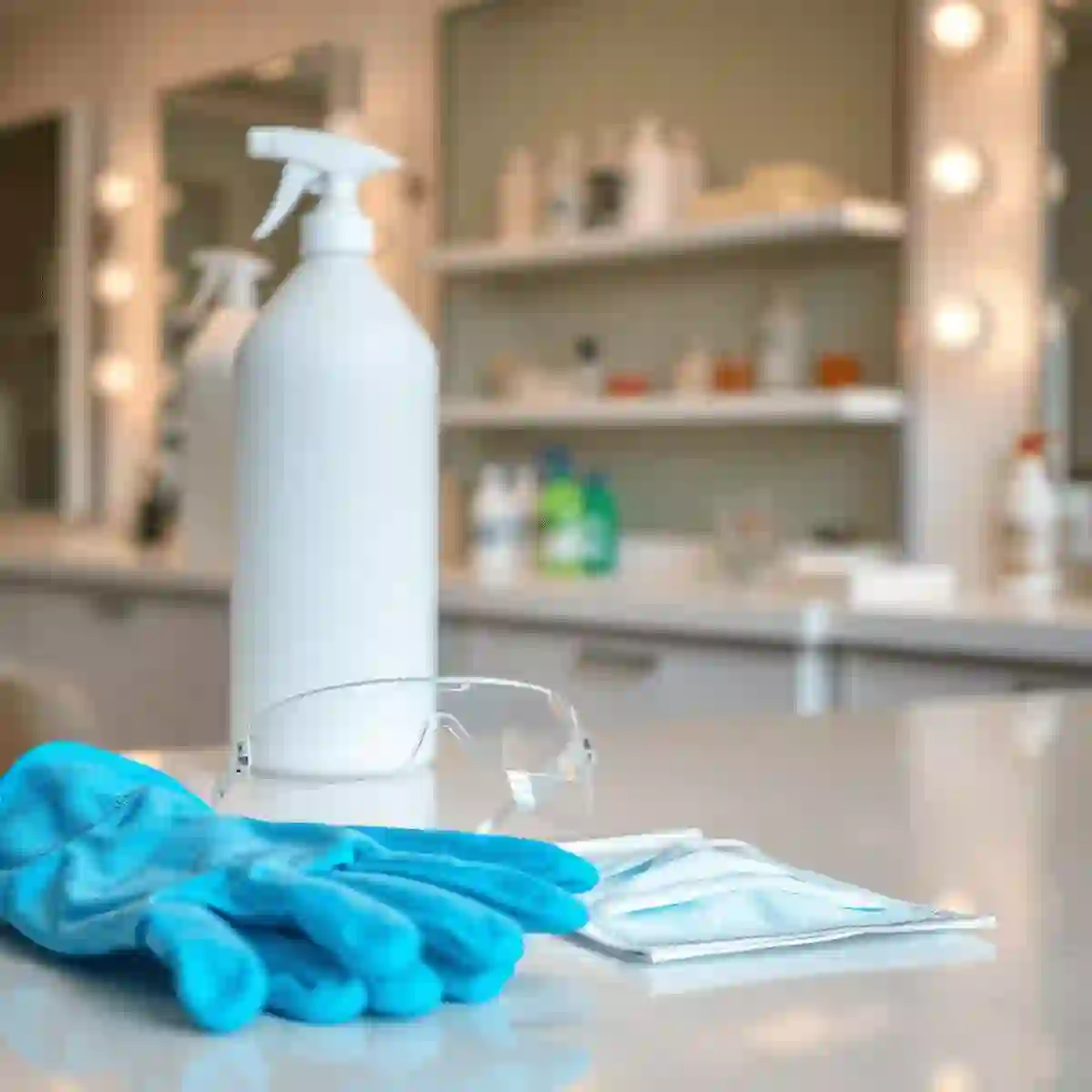
- PPE requirements
- rinse procedures and eye protection
- emergency response steps
Repeat for emphasis: training, training, training. It is a safety tool and a legal tool.
5) Incident response plan
If a client reports burning, swelling, or severe discomfort:
- stop service promptly
- rinse thoroughly per safety guidance
- document observations without editorializing
- recommend medical evaluation when appropriate
- preserve product containers and batch identifiers
- notify your insurer according to policy terms
Note: If the situation escalates into a legal matter such as a Zepbound blindness lawsuit, or if there are claims related to medications like Mounjaro or Trulicity, refer to the respective Mounjaro lawsuit updates and Trulicity lawsuit updates for guidance.
If you had frequent exposure to hair dye products, and were diagnosed with cancer, contact Hair Dye Lawsuit Lawyer Timothy L. Miles yoday for a free case evaluation to see if you are eligible for a hair dye lawsuit and potentionally entitled to substantial compensation. The call is free and so is the fee unless we win or settle your case, so do not wait and call a Hair Dye Lawsuit Lawyer today. (855) 846-6529 or tmiles@timmileslaw.com
What to Do If You Receive a Demand Letter or Lawsuit Notice
If a client claims injury and requests compensation, reduce the chance of a preventable escalation:
- Notify your insurer immediately and follow reporting requirements.
- Preserve all records: consultation form, formulas, timing, photos, texts, emails, CCTV if applicable.
- Do not alter records. Corrections should be transparent and time-stamped, if allowed.
- Limit internal discussion to those who need to know.
- Avoid admissions in writing or on social media. Stick to factual documentation.
This approach is not evasive. It is governance. It protects the client’s ability to be taken seriously and it protects the salon’s ability to respond responsibly.
In case of any claims related to Zepbound products or Mounjaro injections resulting in severe side effects, you can find more information in the latest Zepbound lawsuit update or Mounjaro lawsuit update.
What to Do If You Are the Injured Salon Professional
If you are the person harmed by exposure:
- Seek medical care early, and explain the exposure clearly and consistently.
- Document your work history and products used.
- Report internally according to workplace policy.
- Evaluate workers’ compensation eligibility if you are an employee.
- Consult a qualified attorney if a third-party product claim may exist, particularly when injuries are severe or persistent.
Compensation for professionals often turns on proving not only the injury, but the occupational linkage, exposure frequency, and the absence of alternative causes.
The 2026 Takeaway: Compensation Is a Legal Outcome, but Risk Control Is a Business System
Compensation in a hair dye lawsuit, much like in a Dexcom lawsuit, is determined by evidence, standards of care, and credible documentation of harm. For salon professionals, the most reliable protection is proactive corporate governance applied at the salon level: consistent consultation practices, disciplined product handling, repeatable training, and a documented incident response plan.
In 2026, the winning approach is the same approach that builds lasting client trust. Clarity, consistency, and accountability are not only defensible in court. They are durable in business.
If you had frequent exposure to hair dye products, and were diagnosed with cancer, contact Hair Dye Lawsuit Lawyer Timothy L. Miles yoday for a free case evaluation to see if you are eligible for a hair dye lawsuit and potentionally entitled to substantial compensation. The call is free and so is the fee unless we win or settle your case, so do not wait and call a Hair Dye Lawsuit Lawyer today. (855) 846-6529 or tmiles@timmileslaw.com
Frequently Asked Questions about a Hair Dye Lawsuit
What types of compensation can be awarded in hair dye lawsuits?
Compensation in hair dye lawsuits typically falls into four categories: economic damages (such as medical bills and lost income), non-economic damages (including pain, suffering, and emotional distress), punitive damages (to punish egregious misconduct, though these are rare and require a high standard of proof), and equitable or injunctive relief (like court orders affecting labeling or salon practices).
Who can be held liable in hair dye-related legal claims?
Liability can extend to multiple parties including manufacturers, distributors, retailers, salons, stylists, or combinations thereof. Product liability claims often target manufacturers for defects or failure to warn, while negligence claims focus on salon professionals’ conduct such as improper application or failure to follow safety protocols.
What are common causes for product liability claims in hair dye lawsuits?
Product liability claims may allege design defects where the formula is unreasonably dangerous when used as intended, manufacturing defects involving contaminated batches, or failure to provide adequate warnings and instructions such as patch test guidance. These issues can implicate manufacturers primarily but also involve salons if misuse occurs.
How can salon professionals be affected differently than consumers in hair dye litigation?
Salon professionals face unique risks including workplace exposure to chemical sensitizers and irritants which may lead to occupational injury claims handled through workers’ compensation or civil suits against third parties. Additionally, their insurance coverage, employment status, and contractual agreements like booth rentals influence compensation and liability considerations.
What proactive steps can salons take to reduce legal exposure related to hair dye use?
Salons should implement rigorous governance measures including mandatory patch testing policies, correct mixing procedures following manufacturer instructions, proper use of personal protective equipment (PPE), timely response to adverse reactions during treatments, and thorough staff training. Clear documentation and adherence to safety protocols help mitigate risks and protect both clients and staff.
What types of health issues have led to recent hair dye lawsuits?
Claims often arise from allergic reactions, chemical burns, scalp injuries, respiratory irritation, eye injuries, hair loss, and occasionally longer-term health problems linked to product use. Severe conditions analogous to aerotoxic syndrome or NAION due to negligence have also prompted significant legal actions against salons or manufacturers.