
Introduction to the Alexandria Real Estate Class Action Lawsuit
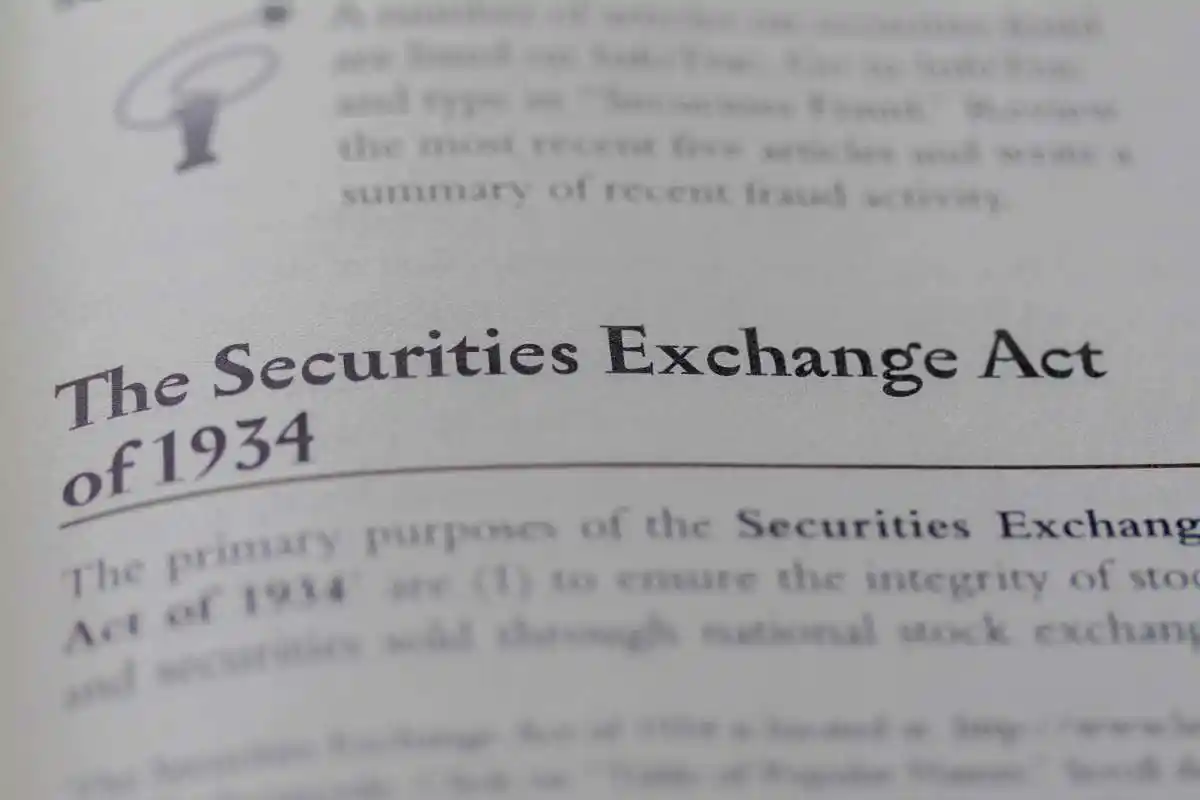
The Alexandria Real Estate class action lawsuit seeks to represent purchasers or acquirers of Alexandria Real Estate Equities, Inc. (NYSE: ARE) securities between January 27, 2025 and October 27, 2025, inclusive (the “Class Period”). Captioned Hern v. Alexandria Real Estate Equities, Inc., No. 25-cv-11319 (C.D. Cal.), the Alexandria Real Estate class action lawsuit charges Alexandria Real Estate and certain of Alexandria Real Estate’s top executives with violations of the Securities Exchange Act of 1934.
If you suffered substantial losses and wish to serve as lead plaintiff of the Alexandria Real Estate class action lawsuit, or just have general questions about you rights as a shareholder, please contact attorney Timothy L. Miles of the Law Offices of Timothy L. Miles, at no cost, by calling 855/846-6529 or via e-mail at [email protected].
Lead plaintiff motions for the Alexandria Real Estate class action lawsuit must be filed with the court no later than January 12, 2026.
The Securities Act Of 1933
The Securities Act of 1933 is a federal legislation passed in response to the stock market crash of 1929. It was enacted to restore investor confidence in the financial markets and prevent fraudulent activities in the sale of securities. The act requires companies to provide detailed information about their securities offerings, including financial statements and business operations, to potential investors.
It also established the Securities and Exchange Commission (SEC) to regulate the securities industry and enforce the provisions of the act. The Securities Act of 1933 plays a crucial role in ensuring transparency and disclosure in the securities market, protecting investors from fraud and securities fraud cases like the Stride class action lawsuit, and promoting fair and efficient capital markets.
The Securities Act of 1934
The Trust Indenture Act of 1939?
What Is the Investment Company Act of 1940?
The Sarbanes-Oxley Act of 2002
The Sarbanes-Oxley Act (SOX) of 2002 is a U.S. federal law enacted after major accounting scandals (like Enron, WorldCom) to protect investors by boosting accuracy and transparency in corporate financial reporting, mandating strict internal controls, creating the PCAOB (Public Company Accounting Oversight Board) for auditor oversight, and holding executives personally accountable for financial statements, with severe penalties for non-compliance. It significantly changed corporate governance, demanding robust financial record-keeping, disclosure, and internal auditing processes.
Key Functions & Requirements
- Corporate Responsibility: CEOs and CFOs must personally certify financial reports, facing criminal liability for fraud. (Sec. 302);
- Internal Controls (Section 404): Companies must establish, document, test, and maintain strong internal controls for financial reporting.
- Auditor Oversight (PCAOB): Created the PCAOB to oversee auditors of public companies, setting auditing standards and inspecting firms.
- Financial Disclosure: Requires timely disclosure of material changes and accurate, complete periodic reports.
- Record Retention: Mandates specific retention periods for electronic records and communications.
- Whistleblower Protection: Protects employees who report corporate fraud or rule violations.
Purpose & Impact
- Restore Investor Trust: The primary goal is to protect investors by ensuring reliable corporate disclosures.
- Enhance Governance: Implemented stricter rules for corporate governance, ethics, and financial accountability.
- Prevent Fraud: Aimed to prevent future scandals by improving financial integrity and accountability.
The Dodd-Frank Wall Street Reform and Consumer Protection Act of 2010
The Jumpstart Our Business Startups Act of 2012
Overview
Alexandria Real Estate is a life science real estate investment trust.
False and Misleading Statements
- False Impression of Leasing Spreads: The Alexandria Real Estate class action lawsuit alleges that throughout the Class Period defendants created the false impression that they possessed reliable information pertaining to Alexandria Real Estate’s leasing spreads, development tenant pipeline, and anticipated occupancy growth for its life-science properties, specifically its Long Island City (“LIC”) property while also minimizing risk from macroeconomic fluctuations.
- Growth Had Been Declining for Years: In truth, Alexandria Real Estate’s LIC property value and potential growth as a life-science destination had been declining for years and Alexandria Real Estate’s optimistic reports of its development pipeline, high occupancy rates in North America, and anticipated leasing growth utilizing Alexandria Real Estate’s Megacampus™ strategy fell short of reality as defendants overstated its LIC property’s value as a life-science destination and downplayed its declining leasing value and occupancy stability.
Disappointing Third Quarter Results for 2025
- Third Quarter Results: The Alexandria Real Estate class action lawsuit further alleges that on October 27, 2025, Alexandria Real Estate released third quarter financial results for 2025 that were below expectation and in particular, cut its funds from operations guidance for the full-year 2025.
- Lower Occupancy Rates: Alexandria Real Estate further detailed the setback to lower occupancy rates, slower leasing activity, and a real estate impairment charge of $323.9 million, with $206 million attributed to the LIC property.
- Stock Plummets: On this news, the price of Alexandria Real Estate shares fell more than 19%, according to the complaint.

Frequently Asked Questions About the Alexandria Real Estate Class Action Lawsuit
What Is Opting Out in an Alexandria Real Estate Class Action Lawsuit?

Contact Timothy L. Miles Today About an Alexandria Real Estate Class Action Lawsuit
