
Introduction to Are You Eligible for an Ocaliva Lawsuit
Welcome this authoritative guide on who is eligible for an Ocaliva lawsuit. Ocaliva (obeticholic acid) was once hailed as a breakthrough treatment for primary biliary cholangitis (PBC), but mounting evidence has linked this drug to severe and sometimes fatal liver injuries—even in people without advanced cirrhosis. The FDA has issued multiple safety warnings about the risk of Ocaliva liver failure and other serious side effects. As a result, many patients are now exploring their legal rights through Ocaliva lawsuits.
- Ocaliva was approved in 2016 to treat biliary cholangitis (PBC), a rare and serious condition that can lead to severe liver damage.
- Ocaliva provided a new viable option for patients with PBC who had not received relief from other existing treatments.
- Individuals have now filed an Ocaliva lawsuit and attorneys are investigating potential
- Ocaliva lawsuits for people who may have suffered injuries linked to Ocaliva use.
If you or a loved one suffered injuries linked to Ocaliva use, you may be eligible for substantial compensation through an Ocaliva lawsuit. Here’s what you need to know about qualifying for a claim and the steps to take

What Is Ocaliva—and Why Are There Lawsuits?
Ocaliva (obeticholic acid) is a prescription medication developed by Intercept Pharmaceuticals and approved by the U.S. Food and Drug Administration (FDA) in 2016. Its primary use is for the treatment of primary biliary cholangitis (PBC), a rare but serious autoimmune disease that gradually destroys the bile ducts in the liver. Over time, this can lead to scarring, cirrhosis, and ultimately liver failure if not properly managed.
When Ocaliva was first introduced, it was hailed as an important advancement for patients who did not respond adequately to existing therapies like ursodeoxycholic acid (UDCA). For many people with PBC—a condition that disproportionately affects women—Ocaliva seemed to offer new hope for slowing liver damage and improving quality of life.
However, soon after its release, troubling reports began to emerge regarding Ocaliva’s safety profile. The FDA started receiving adverse event reports suggesting that some patients were experiencing unexpectedly severe side effects. In particular, concerns arose about the drug’s impact on liver function. While Ocaliva is intended to help manage liver disease, post-marketing data revealed that it could actually worsen liver health in some individuals.
According to multiple FDA warnings and safety communications, even patients who did not have advanced or decompensated cirrhosis before starting Ocaliva suffered serious complications after taking the drug. These complications included rapid deterioration of liver function, acute hospitalizations for liver-related issues, and—in the most tragic cases—liver failure resulting in death.
The situation became even more alarming when it was discovered that dosing errors played a role in many of these adverse outcomes. Some healthcare providers unknowingly prescribed higher-than-recommended doses of Ocaliva to patients with moderate or severe liver impairment. This led to dangerous overdoses and heightened the risk of fatal side effects.
As scrutiny increased, questions were raised about whether Intercept Pharmaceuticals had done enough to warn both doctors and patients about these risks. Critics allege that updated safety information was not communicated quickly or clearly enough as evidence of harm mounted. Additionally, some lawsuits claim that marketing materials downplayed Ocaliva side effects or failed to provide adequate guidance on safe prescribing practices.
For these reasons, a growing number of individuals and families have filed Ocaliva lawsuits seeking compensation for their injuries or losses. Plaintiffs argue that if they had been properly informed about the risks—or if clearer dosing instructions had been provided—they might have avoided serious harm or even saved lives.
In summary, while Ocaliva was designed as a lifeline for those battling primary biliary cholangitis, mounting evidence suggests it may pose significant dangers under certain circumstances. The resulting wave of lawsuits centers on claims of inadequate warnings, insufficient clinical guidance, and preventable harm caused by this once-promising medication.
- Lawsuit Focus: Investigations are currently underway for lawsuits against Intercept Pharmaceuticals on behalf of patients who suffered injuries linked to Ocaliva use.
- Core Allegations: Claims typically allege that the manufacturer failed to adequately warn doctors and patients about the severity of liver-related risks and downplayed safety data.
- Consolidation: Many individual claims are expected to be handled as part of larger multi-district litigation (MDL).
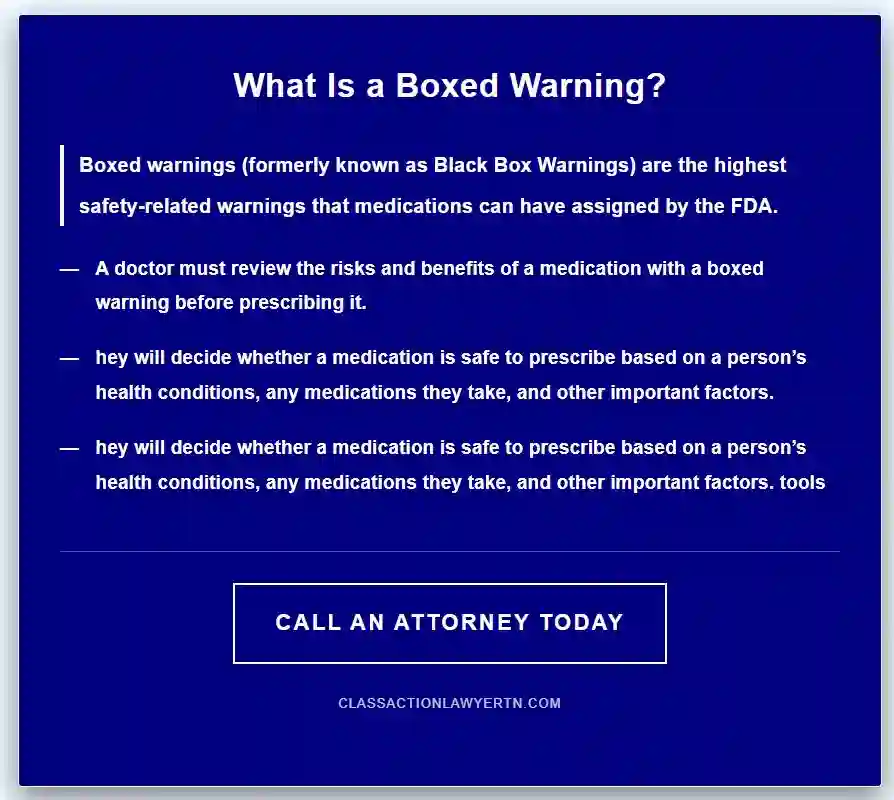
Since its approval, hundreds of patients have reported adverse reactions after using Ocaliva. The most concerning reports involve severe liver complications such as:
- Acute liver injury
- Worsening of existing liver disease
- Liver failure requiring hospitalization or transplantation
Regulatory agencies like the FDA have issued safety communications about these risks. Many lawsuits claim that the manufacturer failed to adequately warn doctors and patients about the full extent of Ocaliva side effects and potential for life-threatening complications.
If you are eligible for an Ocaliva lawsuit, you to recover damages for:
- Medical expenses (emergency treatment, hospitalization, long-term care)
- Lost wages or reduced earning capacity
- Pain and suffering caused by the defective Dexcom device
- Emotional distress from if you suffered injuries linked to Ocaliva use
- Wrongful death damages for families who lost a loved one
‘For more information on the type of damages you may be entitled to and to find out if you qualify for an Ocaliva lawsuit, contact Ocaliva Lawyer Timothy L. Miles today foir a free case evaluation (855) 846–6529 or [email protected]. You could be eligible for an Ocaliva lawsuit and potentially entitled to substantial compesation.

Symptoms of Worsening Liver Injury
Patients should immediately report symptoms such as new or worsening abdominal swelling (ascites), jaundice (yellow eyes/skin), confusion, or vomiting blood.
Drug Interactions
Bile acid binding resins (e.g., cholestyramine, colestipol) can reduce Ocaliva’s efficacy. Take Ocaliva at least 4 hours before or 4 hours after these medications.
How Can an Ocaliva Lawyer Help?
If you or a loved one suffered harm after taking Ocaliva, the process of seeking justice and compensation can seem overwhelming—especially when dealing with large pharmaceutical companies and intricate medical evidence. This is where an experienced Ocaliva lawyer becomes invaluable.
Thorough Case Evaluation
A qualified attorney specializing in pharmaceutical litigation will start by conducting a detailed review of your situation. They’ll analyze your medical history, prescription records, diagnosis, and any adverse symptoms experienced after taking Ocaliva. By consulting with medical experts and examining FDA safety communications or recall notices, your lawyer can determine whether your injuries are likely linked to Ocaliva use—and if you have grounds for a lawsuit.
Evidence Collection and Expert Testimony
Building a strong case requires more than just telling your story. An Ocaliva lawyer has the resources to gather all necessary evidence, including hospital records, pharmacy receipts, witness statements, and timelines of events. They may also partner with medical experts who can provide testimony connecting your health complications directly to the drug. These professionals help establish causation—a crucial element in medication-related lawsuits.
Navigating Legal Complexities
Pharmaceutical litigation is notoriously complex. Lawsuits against drug manufacturers like Intercept Pharmaceuticals often involve technical scientific data, regulatory filings, and corporate legal teams determined to minimize liability. Your attorney will know how to navigate these hurdles: preparing legal documents, meeting court deadlines, handling communication with opposing counsel, and ensuring compliance with state-specific statutes of limitations.
Filing Claims and Negotiating Settlements
Once your case is built, an Ocaliva lawyer will file the necessary claims on your behalf—whether as an individual lawsuit or as part of a mass tort or class action. They’ll negotiate aggressively with the pharmaceutical company and their insurers to seek fair compensation for your medical expenses, lost wages, pain and suffering, and other damages related to your injuries.
Experienced attorneys understand the strategies that big corporations use to delay or deny legitimate claims. By having a knowledgeable advocate on your side who knows these tactics—and how to counter them—you greatly improve your chances of securing a favorable settlement without ever stepping foot in court.
Court Representation
If negotiations fail to produce an acceptable outcome, your lawyer will be prepared to take your case before a judge or jury. They’ll present compelling arguments backed by solid evidence and expert witnesses. Having professional representation in court not only boosts your credibility but also ensures that every aspect of your case is communicated clearly and persuasively.
Emotional Support and Advocacy
Beyond the paperwork and legal maneuvering, hiring an Ocaliva lawyer means having someone on your side who understands what you’re going through. Dealing with serious health problems caused by medication can be frightening and isolating. A compassionate attorney provides both legal guidance and personal support—helping you make informed decisions at every stage.
Maximizing Your Compensation
Ultimately, working with an experienced pharmaceutical injury lawyer increases your odds of receiving full and fair compensation for all the ways this medication has affected your life. Whether through settlement or trial verdict, they’ll fight for reimbursement of current and future medical bills, lost income if you’re unable to work, reduced quality of life due to lasting complications, as well as pain and suffering endured because of Ocaliva’s side effects.
Important Next Steps for Patients
- Consult Your Healthcare Provider: Do not stop taking the medication or change your dose without medical guidance, but contact your doctor immediately to discuss alternative treatments.
- Monitor for Symptoms: Seek medical attention right away if you experience signs of worsening liver damage, such as a swollen belly, jaundice (yellowing of skin/eyes), dark urine, or confusion.
- Report Side Effects: Patients and professionals are encouraged to report adverse events to the FDA MedWatch program.
Frequently Asked Questions about the Ocaliva Lawsuit
1. What is Ocaliva, and why are people suing over it?
Ocaliva (obeticholic acid) is a medication approved to treat primary biliary cholangitis (PBC), a rare liver disease. Lawsuits have emerged because some patients experienced severe liver injuries, including liver failure and death, allegedly after taking Ocaliva—even if they didn’t have advanced liver disease. Plaintiffs claim the manufacturer failed to warn about these risks.
2. Who qualifies for an Ocaliva lawsuit?
You may qualify if you or a loved one:
- Took Ocaliva as prescribed,
- Suffered serious side effects like liver failure, hospitalization, or death,
- Did not have advanced cirrhosis before starting Ocaliva,
- And can connect your injuries directly to the drug’s use. Consulting an Ocaliva lawyer can help determine your eligibility.
3. What compensation can I get in an Ocaliva lawsuit?
Potential compensation includes:
- Medical bills (past and future)
- Lost wages or earning capacity
- Pain and suffering
- Funeral expenses (in wrongful death cases)
- Punitive damages, if manufacturer misconduct is proven
4. What are the most common side effects linked to Ocaliva?
According to FDA data and post-market reports, side effects include:
- Severe liver injury or failure
- Hospitalization due to worsening liver function
- Jaundice (yellowing of skin/eyes)
- Itching and fatigue
Even patients without pre-existing advanced liver problems have reported these adverse outcomes.
5. How do I start an Ocaliva lawsuit?
Start by gathering your medical records and documenting any side effects you’ve experienced. Then reach out to a qualified Ocaliva lawyer who specializes in pharmaceutical litigation. They’ll review your case for free, explain your rights, and guide you through the process—no upfront costs needed!.