Introduction to Zepbound and Eye Floaters Update
Welcome to this authoritative Zepbound and Eye Floaters Update. If you are taking Zepbound and have noticed eye floaters, you are not alone in questioning whether this is just a coincidence or if there is a plausible connection.
This topic resides at an uncomfortable intersection of modern pharmacotherapy, real-world side effects reporting, and the fact that vision changes are particularly attention-grabbing. Most adverse effects are felt and then forgotten. However, visual phenomena like floaters are seen, repeated, and remembered.
This article aims to provide an evidence-based update on what is known about the potential Zepbound eye side effects, what is plausible, what is not proven, and what steps you should consider if floaters appear while using Zepbound.
If you were prescribed Zepbound and took it as directed and suffered Zepbound Eye Problems, Zepbound vision loss or other serious Zepbound Vision Side Effects, contact Timothy L. Miles, a Zepbound Vision Loss Lawyer today. You could be eligible for a Zepbound vision loss lawsuit and potentially entitled to substantial compensation. (855) 846–6529 or tmiles@timmileslaw.com.
What Zepbound Is, and Why People Notice New Symptoms
Zepbound is the brand name for tirzepatide, a once-weekly injectable medication indicated for chronic weight management in adults who meet specific clinical criteria. Tirzepatide is a dual incretin receptor agonist, meaning it activates both:
- GLP 1 (glucagon-like peptide 1) receptors
- GIP (glucose-dependent insulinotropic polypeptide) receptors
These pathways influence appetite regulation, gastric emptying, insulin secretion, and broader metabolic signaling. In practical terms, many patients experience meaningful weight loss, improved glycemic parameters, and reduced cardiometabolic risk factors when combined with nutrition and activity interventions.
Because Zepbound affects multiple systems, patients often track bodily changes with heightened vigilance, especially early in treatment or after dose escalation. That vigilance is not anxiety; it is risk management.
Visual symptoms, including floaters, often become part of that monitoring because they are difficult to ignore and easy to attribute to a new medication. However, it’s essential to note that these visual disturbances could be indicative of more serious conditions. There have been reports linking Zepbound to various eye-related side effects, including vision loss and even blindness.
If you are experiencing such symptoms while on Zepbound, it may be worth considering seeking legal advice regarding potential lawsuits related to Zepbound’s side effects.
What Eye Floaters Actually Are (Definition and Mechanism)
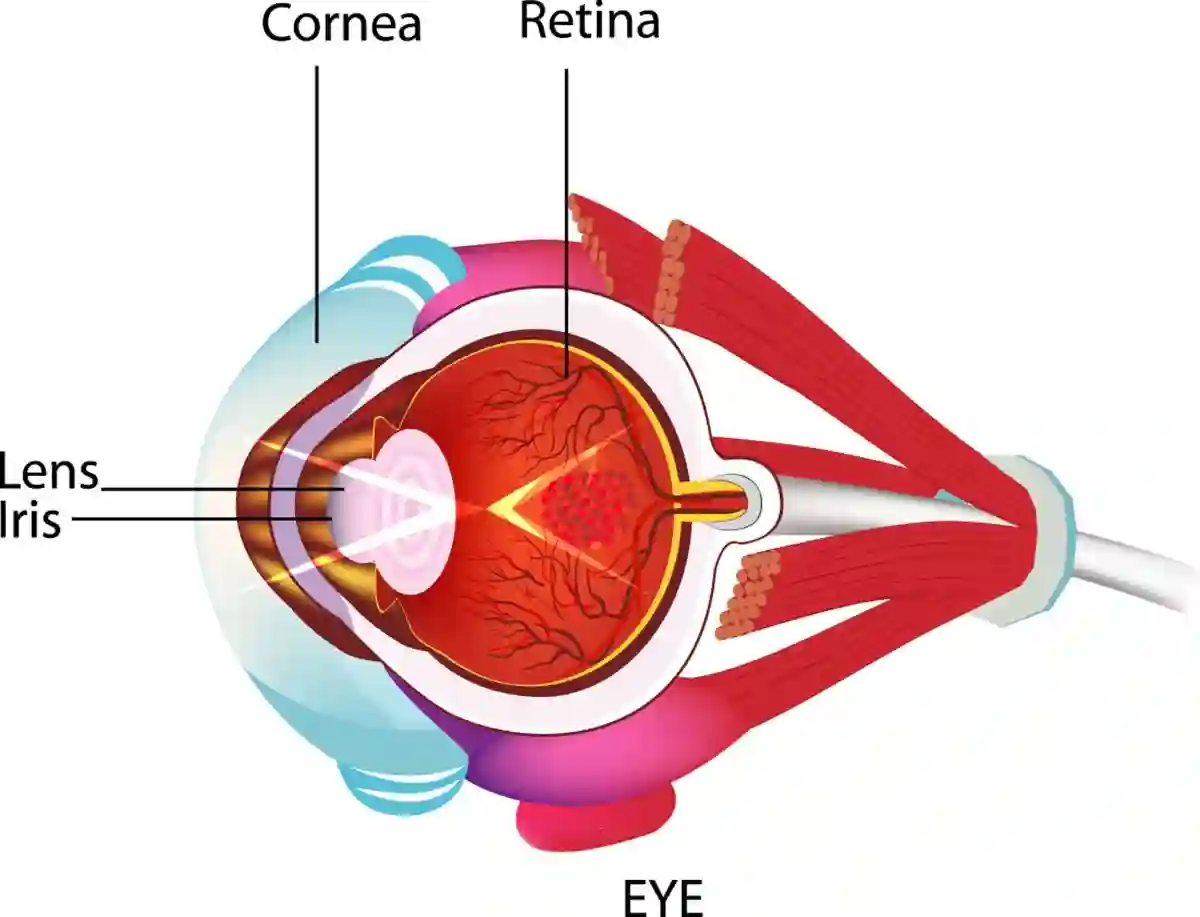
Eye floaters are visual opacities that appear as spots, strings, cobwebs, or drifting shadows. They move with eye motion and are often most noticeable against bright, uniform backgrounds such as a blue sky, white wall, or computer screen.
From an ophthalmology standpoint, most floaters arise from the vitreous, the gel-like substance that fills the back of the eye. With age and other physiologic changes, the vitreous can liquefy and collapse, causing collagen fibers to clump. These clumps cast shadows on the retina, which you perceive as floaters.
Common, benign mechanisms include:
- Vitreous syneresis (liquefaction and clumping with time)
- Posterior vitreous detachment (PVD), a frequent age-related event
- Mild inflammation or debris in the vitreous
However, floaters can also be a warning sign of urgent pathology, especially when paired with flashes or a “curtain” effect.
The Core Question: Can Zepbound Cause Eye Floaters?
There are three different levels of answer regarding the potential link between Zepbound and eye floaters, and it is important to keep them separate.
- Anecdotal level: Some people report floaters after starting Zepbound or after a dose increase.
- Plausibility level: There are biologically reasonable pathways by which metabolic change, glycemic change, dehydration, or blood pressure shifts could influence ocular symptoms.
- Evidence level: At present, there is no broad, definitive public evidence establishing that Zepbound directly causes vitreous floaters as a frequent, predictable adverse effect.
That does not mean the reports are meaningless. It means the signal, if it exists, is not yet clearly characterized in a way that allows confident causal language.
In pharmacovigilance terms, what patients are describing is a possible safety signal that needs context: timing, dosing, co-morbidities, baseline eye status, and concurrent risk factors.
Additionally, it’s worth noting that some individuals have experienced various eye problems while using Zepbound, including but not limited to floaters. These experiences highlight the need for further investigation into the potential eye issues associated with Zepbound, such as vision changes or discomfort.
If you were prescribed Zepbound and took it as directed and suffered Zepbound Eye Problems, Zepbound vision loss or other serious Zepbound Vision Side Effects, contact Timothy L. Miles, a Zepbound Vision Loss Lawyer today. You could be eligible for a Zepbound vision loss lawsuit and potentially entitled to substantial compensation. (855) 846–6529 or tmiles@timmileslaw.com.
Why Floaters Might Appear During Zepbound Treatment (Plausible Pathways)
Even without claiming a direct cause, several realistic mechanisms can explain why someone might notice new or worsened floaters during a period of rapid metabolic change.
1) Rapid Glycemic Improvement and Retinal Stress (Particularly in Diabetes)
If you have type 2 diabetes, changes in blood glucose control can affect the retina and its vasculature.
A known phenomenon in diabetes management is [early worsening of diabetic retinopathy](https://classactionlawyertn.com/zepbound-and-diabetic-retinopathy-26676/) in the setting of rapid glycemic improvement. This is not unique to tirzepatide. It is a broader concept seen when glucose control improves quickly, especially from a high baseline.
Why it matters here:
- Some people using tirzepatide (and related incretin therapies) experience substantial reductions in A1C.
- If diabetic retinopathy is present or undiagnosed, shifts in retinal vascular dynamics could contribute to new visual symptoms.
- Floaters can occur if there is bleeding or inflammatory debris in the vitreous. This is less common, but clinically important.
If you are diabetic, floaters are not something to “wait out.” They are a reason to ensure retinal health is being actively monitored.
2) Dehydration and Ocular Surface Changes That Mimic “Floaters”
Zepbound commonly causes reduced appetite and may reduce overall intake, including fluids, especially early in treatment. Gastrointestinal adverse effects, when they occur, can also contribute to fluid imbalance.
Dehydration itself does not create vitreous collagen clumps overnight. However, it can cause:
- Dry eye symptoms
- Fluctuating vision
- Increased awareness of visual artifacts, especially with screen use
Many people describe these as “floaters” because the subjective experience is hard to label accurately without an exam. It’s worth noting that dehydration can impact your retinal health, leading to increased visual discomfort and attention to disturbances.
A practical takeaway is simple: reduced fluid intake and electrolyte imbalance can amplify visual discomfort and increase attention to visual disturbances.
3) Blood Pressure Shifts and Headache Related Visual Phenomena
Weight loss, reduced calorie intake, and medication effects can influence blood pressure. Some patients also experience headaches during dose titration.
Certain headache and migraine patterns can cause transient visual disturbances such as:
- shimmering spots
- scintillating scotoma
- transient haze
These are not floaters in the vitreous sense, but patients understandably use the same word to describe “things in my vision.”
4) Increased Health Surveillance Leading to Discovery, Not Causation
A significant portion of new floater reports in medication forums have a simple explanation: people start a new therapy, pay closer attention, and notice floaters that were already present.
This is not dismissal. It is a known observational effect. Vision is a background process until you start looking for changes. Once you do, normal vitreous debris becomes conspicuous.
5) Weight Loss and Hormonal Change as a General Stressor
Rapid weight loss can involve changes in:
- sleep patterns
- blood pressure regulation
- hydration status
- nutrient intake
- systemic inflammation markers
These are not proven causes of floaters, but they form a realistic background in which ocular symptoms may become more noticeable or more bothersome.
What We Know From Related Drugs and Eye Safety Discussions
Tirzepatide is part of a broader clinical conversation involving GLP 1 receptor agonists and ocular outcomes, particularly in patients with diabetes and existing retinopathy. This raises concerns about potential side effects such as vision loss or other ocular issues related to these medications.
The key point is not that these drugs “damage the eyes” in a simplistic way. The more accurate framing is:
- Rapid improvement in glucose can stress retinal microvasculature in some high-risk patients.
- Pre-existing retinopathy status matters.
- Monitoring matters.
- Symptoms matter.
If you have no diabetes and no retinal disease, the risk landscape is different. However, if you do have diabetes, you should treat any new floaters as a clinically relevant development until proven otherwise. It’s also important to be aware of potential legal actions related to vision loss from medications like Tirzepatide, as indicated by ongoing Zepbound vision loss lawsuits. If you’re considering filing a claim due to such side effects, it might be beneficial to understand who is eligible for a Zepbound vision loss lawsuit.
If you were prescribed Zepbound and took it as directed and suffered Zepbound Eye Problems, Zepbound vision loss or other serious Zepbound Vision Side Effects, contact Timothy L. Miles, a Zepbound Vision Loss Lawyer today. You could be eligible for a Zepbound vision loss lawsuit and potentially entitled to substantial compensation. (855) 846–6529 or tmiles@timmileslaw.com.
A Practical Symptom Checklist: When Floaters Are an Emergency
Floaters are common. Retinal emergencies are less common, but the consequences of missing them are severe. The goal is not alarm. The goal is prioritization.
Seek same day urgent ophthalmology or emergency evaluation if you have:
- A sudden shower of new floaters
- Flashes of light (photopsia), especially in the peripheral vision
- A dark curtain, shadow, or missing area of vision
- Sudden decrease in visual acuity
- Recent eye trauma
- A known history of retinal tear, retinal detachment, or advanced diabetic retinopathy
These symptoms can indicate retinal tear, retinal detachment, or vitreous hemorrhage, which require prompt assessment.
What to Do If You Notice Floaters While on Zepbound (Step by Step)
A disciplined response is better than panic and better than denial.
Step 1: Document the timing and context
Write down:
- When you first noticed the floaters
- Whether they appeared after starting Zepbound or after a dose increase
- Whether you have flashes, a curtain effect, pain, or decreased vision
- Your hydration status and recent gastrointestinal symptoms
- Any recent strenuous activity or trauma
This turns a vague concern into actionable clinical data.
Step 2: Check your risk factors
You are at higher risk of clinically meaningful eye issues if you have:
- Diabetes, especially long standing
- Known diabetic retinopathy
- High myopia (strong nearsightedness)
- Prior posterior vitreous detachment, retinal tear, or retinal detachment
- Recent eye surgery
Risk factors do not mean you have a problem. They mean you should be evaluated sooner.
It’s important to note that some individuals have reported experiencing vision problems while on Zepbound. If you notice such symptoms, it’s crucial to seek help immediately. Furthermore, blurry vision is another potential issue linked with this medication that should not be ignored.
In addition to these specific symptoms related to floaters and Zepbound usage, it’s worth noting that certain medications can also lead to changes in vision. For instance, some studies suggest that specific drug interactions may exacerbate existing eye conditions or introduce new ones. Always consider discussing any new symptoms with your healthcare provider for a comprehensive evaluation.
Step 3: Arrange an eye exam, not just a primary care call
For new floaters, the correct evaluation is a dilated retinal exam, usually performed by an optometrist or ophthalmologist. Primary care can triage, but they cannot rule out retinal pathology without an eye exam.
If you are diabetic, ask whether a retinal imaging study is appropriate based on your baseline status.
Step 4: Do not stop Zepbound abruptly without medical guidance
Stopping medication on your own may not address the symptom and may disrupt weight management or glycemic control. Instead:
- Seek evaluation to rule out urgent causes.
- Discuss the symptom with the prescriber.
- If necessary, consider dose timing, titration pace, hydration plan, and monitoring.
A structured plan is safer than an unstructured reaction.
Step 5: Optimize hydration and nutritional consistency
This is not a cure for floaters, but it is a sensible stability measure:
- Maintain consistent fluid intake.
- Avoid large swings in caffeine and alcohol.
- Ensure adequate protein and micronutrient intake during weight loss.
- If nausea limits intake, speak to your clinician about management strategies.
When the body is stable, symptom interpretation becomes clearer.
If you were prescribed Zepbound and took it as directed and suffered Zepbound Eye Problems, Zepbound vision loss or other serious Zepbound Vision Side Effects, contact Timothy L. Miles, a Zepbound Vision Loss Lawyer today. You could be eligible for a Zepbound vision loss lawsuit and potentially entitled to substantial compensation. (855) 846–6529 or tmiles@timmileslaw.com.
How Clinicians Typically Evaluate This Scenario
If you present with floaters while using Zepbound, a thorough clinician will usually separate the evaluation into two tracks.
Track 1: Ocular safety
- Dilated retinal exam to assess for PVD, retinal tear, detachment, hemorrhage, or inflammation
- Visual acuity and intraocular pressure checks
- Retinal imaging if indicated
Track 2: Systemic context
- Diabetes status and most recent A1C trend
- Rate of glycemic change over recent weeks to months
- Blood pressure, hydration status, electrolyte concerns
- Medication list, including anticoagulants or agents that affect bleeding risk
The purpose of this split is clarity. Floaters may be a routine vitreous change, or they may be the visible symptom of a separate condition that deserves immediate treatment.
A Reality Check: Floaters Are Often Benign, but Not “Nothing”
It is tempting to fall into one of two extremes:
- “This must be Zepbound and therefore dangerous.”
- “Floaters are normal and therefore irrelevant.”
Neither extreme is responsible.
The balanced view is:
- Many floaters are benign and age related.
- A meaningful minority represent urgent retinal issues.
- Medication timing can be relevant, but timing alone is not proof.
- High quality evaluation is the bridge between symptom and truth.
That is what good health governance looks like in personal care: defined thresholds, prompt escalation when warranted, and documented follow through.
If you were prescribed Zepbound and took it as directed and suffered Zepbound Eye Problems, Zepbound vision loss or other serious Zepbound Vision Side Effects, contact Timothy L. Miles, a Zepbound Vision Loss Lawyer today. You could be eligible for a Zepbound vision loss lawsuit and potentially entitled to substantial compensation. (855) 846–6529 or tmiles@timmileslaw.com.
Frequently Asked Questions about Zepbound Eye Problems
Are floaters listed as a common side effect of Zepbound?
Not in the way gastrointestinal effects are commonly discussed. However, adverse event profiles evolve with broader use, and individual symptoms should still be clinically evaluated.
If I stop Zepbound, will floaters go away?
If the floaters are due to vitreous changes such as PVD, they often persist but may become less noticeable as the brain adapts. If they are due to bleeding or inflammation, treatment depends on the underlying cause. Do not use medication cessation as a diagnostic tool without guidance.
Can dehydration cause floaters?
Dehydration is more likely to worsen dry eye and visual fluctuation, which can be perceived as floaters. True vitreous floaters are structural, but symptom perception is influenced by ocular surface health and neurologic attention. In fact, Zepbound’s impact on dry eye syndrome could exacerbate these symptoms.
Should I get an eye exam before starting Zepbound?
If you have diabetes, known retinopathy, high myopia, or prior retinal issues, a baseline exam is a prudent, proactive measure. This is especially important considering the potential eye issues associated with Zepbound. If you do not have those risk factors, routine eye care is still advisable, but urgency is lower.
The Forward Looking Takeaway
Zepbound is a modern, high impact therapy that is changing the landscape of weight management. With that impact comes a responsibility for patients and clinicians to treat unexpected symptoms with disciplined attention.
Eye floaters during Zepbound use remain a real optical oddity because the experience is common enough to be discussed, plausible enough to be taken seriously, and not yet established enough to be simplified into a direct causal claim. However, it’s crucial to note that new floaters should be treated as clinically meaningful until evaluated.
Here are some governance-minded approaches that protect outcomes:
- Treat new floaters as clinically meaningful until evaluated.
- Escalate immediately if flashes, a curtain effect, or sudden vision loss occurs.
- If you have diabetes, prioritize retinal monitoring during periods of rapid glycemic improvement.
- Maintain hydration, nutritional consistency, and a stable titration plan under medical supervision.
- Document symptoms, timing, and dose changes to support accurate clinical decision making.
If you want one practical next step: schedule a dilated eye exam if the floaters are new or worsening. This becomes even more critical if accompanied by any warning signs such as flashes or sudden vision loss—which could potentially lead to serious conditions like blindness. After the exam, bring the results to the clinician managing your Zepbound plan. That is how you convert uncertainty into informed action.
If You Suffered Serios Zepbound Eye Problems, Contact Zepbound Vision Loss Lawyer Timothy L. Miles Today
If you were prescribed Zepbound and took it as directed and suffered Zepbound Eye Problems, Zepbound vision loss or other serious Zepbound Vision Side Effects, contact Timothy L. Miles, a Zepbound Vision Loss Lawyer today. You could be eligible for a Zepbound vision loss lawsuit and potentially entitled to substantial compensation. (855) 846–6529 or tmiles@timmileslaw.com.
Timothy L. Miles, Esq.
Law Offices of Timothy L. Miles
Tapestry at Brentwood Town Center
300 Centerview Dr. #247
Mailbox #1091
Brentwood,TN 37027
Phone: (855) Tim-MLaw (855-846-6529)
Email: tmiles@timmileslaw.com
Website: www.classactionlawyertn.com