
Introduction to 40 FAQs about Zepbound Eye Problems?
Wecome to to 40 FAQs about Zepbound Eye Problems. Zepbound (tirzepatide) is a prescription medication used for chronic weight management in adults who meet specific clinical criteria. As its use has expanded, more patients have asked a high-stakes question: if vision changes occur after starting Zepbound, when does it become a legal issue, and what should you do next? We will attempt to answer this question by frequently asked questions broken down side-effect-by-side-effect..
Zepboune and NAION
What are ‘eye strokes’ and how are they related to Zepbound use?
‘Eye stroke’ is a nontechnical term describing sudden, painless vision loss caused by vascular compromise of the retina or optic nerve. Conditions include central retinal artery occlusion (CRAO), branch retinal artery occlusion (BRAO), central retinal vein occlusion (CRVO), branch retinal vein occlusion (BRVO), and nonarteritic anterior ischemic optic neuropathy (NAION). Some patients taking Zepbound have reported such vision problems, raising concerns about potential links.
What symptoms should prompt emergency evaluation in patients taking Zepbound?
Patients experiencing sudden loss of vision in one eye, a curtain coming down over vision, new blind spots, or marked vision blur should seek immediate emergency evaluation. These symptoms may indicate serious ocular ischemic events requiring urgent intervention to prevent permanent vision loss.
Does tirzepatide increase the risk of retinal or optic nerve vascular occlusion?
Currently, it remains unclear if tirzepatide directly increases the risk of retinal or optic nerve vascular occlusion. While some reports link Zepbound with eye problems like NAION and other vision issues, these may also reflect coincidence given the high baseline vascular risk in patients eligible for Zepbound due to comorbidities like hypertension and diabetes.
How can rapid metabolic changes from Zepbound affect ocular health?
Rapid metabolic improvements induced by Zepbound can create transitional physiological states that may mimic or precipitate ocular ischemic events in vulnerable individuals, especially those with preexisting microvascular disease. This necessitates disciplined monitoring to distinguish medication side effects from underlying conditions.
What is non-arteritic anterior ischemic optic neuropathy (NAION) and why is it significant?
NAION is the most common acute ischemic optic neuropathy in older adults, resulting from impaired blood flow to the anterior optic nerve head. It causes sudden, usually painless vision loss that may be permanent. Because it is rare but highly consequential and shares risk factors with Zepbound’s target population, NAION warrants careful monitoring and discussion.
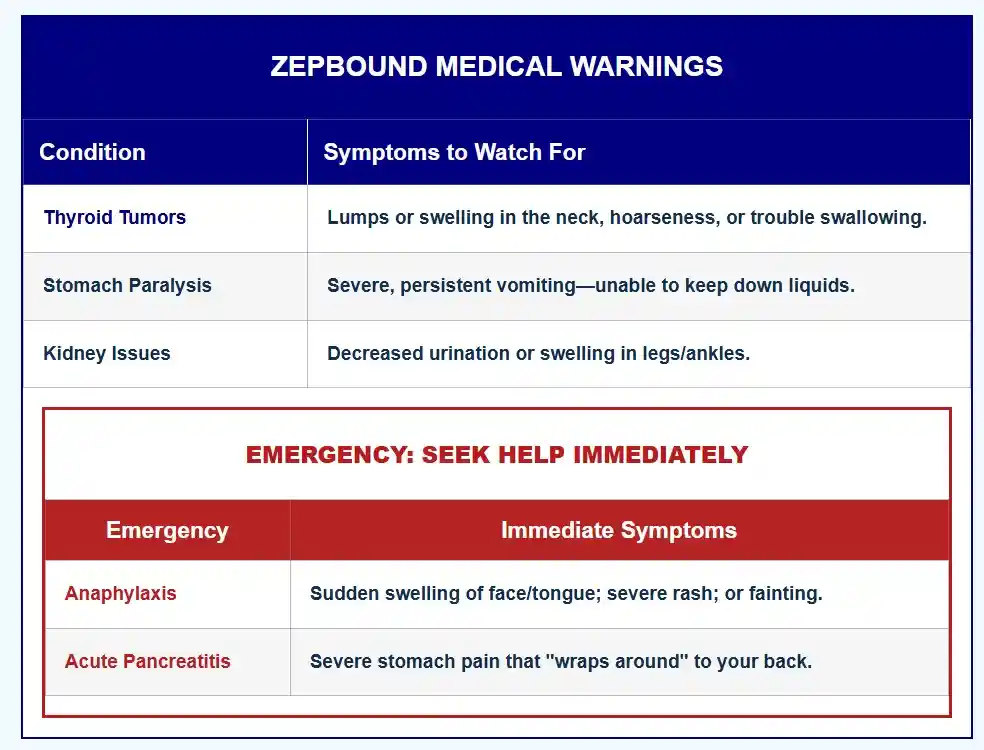
Why has Zepbound and NAION become a topic of concern in relation to therapy?
The discussion around Zepbound and NAION arises due to high utilization of the drug among patients with elevated vascular risk, increased reporting of rare events through pharmacovigilance systems, rapid metabolic changes affecting hemodynamics, and overlapping risk factors such as age, hypertension, diabetes, and sleep apnea common in patients pursuing weight loss therapies.
What are the established facts about and Zepbound and NAION and their associatio as of 2026?
It is well established that NAION is rare and its incidence is heavily influenced by age and vascular risk factors. Patients eligible for Zepbound often have multiple pre-existing NAION risk factors. Many reported ocular adverse events lack comprehensive clinical details needed to confirm diagnosis or causality with Zepbound.
What plausible mechanisms might link Zepbound and NAION, despite lack of definitive proof?
Several hypotheses include hemodynamic shifts where weight loss alters blood pressure potentially causing optic nerve hypoperfusion; dehydration or volume depletion from gastrointestinal side effects leading to reduced hydration; and rapid metabolic changes impacting vascular dynamics. However, none conclusively establish causation.
How should clinicians monitor and manage potential Zepbound and NAION risks in patients?
Clinicians should conduct proactive monitoring by assessing baseline optic nerve anatomy when possible, reviewing patient vascular risk factors such as hypertension or sleep apnea, educating patients on symptoms of vision changes, managing blood pressure carefully especially at night, and maintaining vigilant pharmacovigilance reporting while interpreting signals with caution given rarity and complexity.
Zepbound and Blurry Vision
What about Zepbound and blurry vision?
Blurry vision has been reported by some patients using Zepbound; however, it is usually an indirect effect caused by rapid metabolic changes such as blood glucose fluctuations or dehydration rather than a direct toxic effect on the eye.
Why is Zepbound and blurry vision caused?
Zepbound influences metabolic factors like blood glucose levels and hydration. Rapid changes in these can affect the eye’s lens water content and focusing ability, leading to temporary Zepbound and blurry vision. Additionally, patients with diabetes or retinal disease may experience changes in visual clarity due to altered glucose control.
What should I do if I experience Zepbound and blurry vision during treatment?
If you notice blurry vision during Zepbound therapy, it’s important to assess symptom patterns and your metabolic history. Report any new or worsening vision symptoms immediately to your healthcare provider for structured risk assessment and possible referral to an eye care professional.
Zepbound and Dry Eyes
What are the common symptoms associated with Zepbound and Dry Eyes?
Dry eye symptoms linked to Zepbound can include persistent gritty or burning sensations, fluctuating vision, contact lens intolerance, redness, light sensitivity, foreign body sensation in the eye, excess tearing paradoxically accompanying dryness, and worsening discomfort in dry environments or late in the day.
Why does Tirzepatide potentially cause Zepbound and dry eyes?
Zepbound’s systemic effects on hydration status, nutrient absorption, systemic inflammation, hormone signaling, gastrointestinal function, and metabolic physiology can destabilize the tear film and irritate the ocular surface. Indirect pathways like dehydration and rapid weight loss dynamics also contribute to dry eye symptoms.
How can patients assess if their symptoms of Zepbound and dry eyes are related to the medication?
Patients should evaluate symptom onset in relation to starting Zepbound and consider factors such as hydration changes, gastrointestinal side effects, and other medications. Consulting healthcare providers for clinical assessment is essential to determine if tirzepatide is contributing to ocular surface irritation.
What evidence-based steps can reduce the burden of Zepbound and dry eyes’ symptoms during treatment?
Management includes maintaining proper hydration, using preservative-free artificial tears or lubricating eye drops, addressing any meibomian gland dysfunction with warm compresses or eyelid hygiene, minimizing screen time breaks to reduce ocular strain, and communicating openly with clinicians for tailored treatment strategies.
Are there serious vision-related side effects linked to Zepbound and dry eyes?
Yes. Some users have reported more severe vision problems including diabetic retinopathy that could lead to blindness. Patients experiencing such adverse effects should seek immediate medical care. Ongoing legal actions address these severe side effects linked to Zepbound usage.

Zepbound Eye Pain
Why might patients experience Zepbound eye pain?
Eye pain during Zepbound treatment can result from indirect effects such as dehydration and electrolyte shifts caused by reduced appetite and fluid intake. These changes can lead to dry eye symptoms, pressure-like pain behind the eyes, light sensitivity, and other discomforts.
What types of Zepbound eye pain or symptoms have been reported by patients on Zepbound?
Patients have reported various eye symptoms including burning or stinging sensations consistent with Zepbound and dry eyes with pressure-like pain behind the eyes often linked to headaches or migraines, sharp pain with blinking indicating corneal irritation, light sensitivity (photophobia), blurred vision during rapid metabolic changes, redness, tearing, and foreign body sensations.
Are there serious Zepbound vision problems associated with Zepbound use?
Yes, although rare, there have been reports linking Zepbound to serious conditions such as Non-Arteritic Anterior Ischemic Optic Neuropathy (NAION), which can cause permanent vision loss. Some patients have also experienced severe discomfort or vision loss leading to legal actions.
How can patients manage or assess the risk of eye pain while using Zepbound?
Patients should monitor hydration levels to prevent dehydration-related dry eye symptoms. Eye discomfort worsening late in the day or after prolonged screen time may indicate dryness. It’s important to consult healthcare providers for disciplined risk assessment rather than assuming symptoms are mild or unrelated.
What should patients do if they experience new or worsening Zepbound eye problems?
If experiencing persistent or severe Zepbound eye pain, vision changes, or other concerning symptoms while taking Zepbound, patients should seek prompt medical evaluation. Protecting long-term eye health involves proactive treatment decisions and addressing potential side effects early with professional guidance.
Zepbound Eye Pressure
Can Zepbound Eye Pressure (IOP) or cause eye-related side effects?
Currently, there is no widely established evidence that Zepbound directly increases intraocular pressure as a common side effect. However, patients may experience eye-related symptoms indirectly due to factors like dehydration, nausea, or blood pressure changes. Individual susceptibility varies, especially in those with pre-existing eye conditions.
What symptoms might indicate changes in Zepbound eye pressure while using Zepbound?
Symptoms that patients might describe as ‘eye pressure’ include sensations of fullness or aching behind the eyes, headaches around the brow or temples, blurred vision, halos around lights at night, redness, tearing, or light sensitivity. These symptoms warrant attention but require objective evaluation through clinical measurement of IOP.
Why is monitoring intraocular pressure important for patients on Zepbound?
Monitoring IOP is crucial because abnormal intraocular pressure is a core risk factor for glaucoma, a leading cause of irreversible vision loss. Even transient changes can be alarming for patients with glaucoma, ocular hypertension, or a family history. Structured monitoring helps detect any potential adverse eye effects early.
Zepbound and Eye Floaters
Are floaters a known side effect listed for Zepbound?
Patients report varied visual experiences, but floaters are not a simple, single-mechanism side effect like nausea. Floaters are common in general, and new floaters require a clinical eye exam to rule out retinal causes regardless of medication.
If I see floaters, should I skip my next Zepbound dose?
Do not skip doses without guidance. If you have red-flag symptoms like persistent floaters or vision distortion, seek urgent eye evaluation first as these could indicate serious Zepbound eye problems. Medication changes should be coordinated with your prescriber based on the eye findings and your overall status.
Can weight loss itself cause floaters?
Weight loss does not directly create vitreous floaters in a straightforward way. However, weight loss can change hydration, blood pressure, and glucose control, which can alter visual perception or contribute to eye-related events in predisposed patients. It’s important to understand that while weight loss may lead to some Zepbound eye issues, these changes are multifactorial and not solely attributed to weight loss.
What if I only notice floaters when I look at a bright screen?
That pattern is common with benign floaters and dry eye. It still does not replace an eye exam, especially if the symptom is new or changing.
Do floaters go away?
They often become less noticeable as the brain adapts. Some physically shift out of the central visual axis. A minority persist. The priority is ensuring they are not a sign of retinal injury.
What are Zepbound and eye floaters and how do they appear?
Eye floaters are small shapes such as specks, cobwebs, threads, or translucent blobs that drift through your field of vision. They usually arise from changes in the vitreous humor—the gel-like substance filling the back of the eye—which can liquefy and pull away from the retina, casting shadows perceived as floaters.
Why might patients notice new floaters after starting Zepbound therapy?
Patients might notice new floaters due to increased health monitoring, changes in hydration, blood pressure, glucose levels, or coincidental age-related vitreous changes. Rapid improvement in metabolism can also reveal pre-existing retinal conditions that manifest with new floaters.
What is posterior vitreous detachment (PVD) and how is it related to floaters during Zepbound treatment?
PVD occurs when the vitreous gel separates from the retina—a common age-related change often accompanied by sudden onset or increase in floaters and flashes of light. PVD can happen coincidentally during Zepbound treatment and requires prompt evaluation since it may cause retinal tears.
What steps should patients take if they experience new or worsening Zepbound and eye floaters while on?
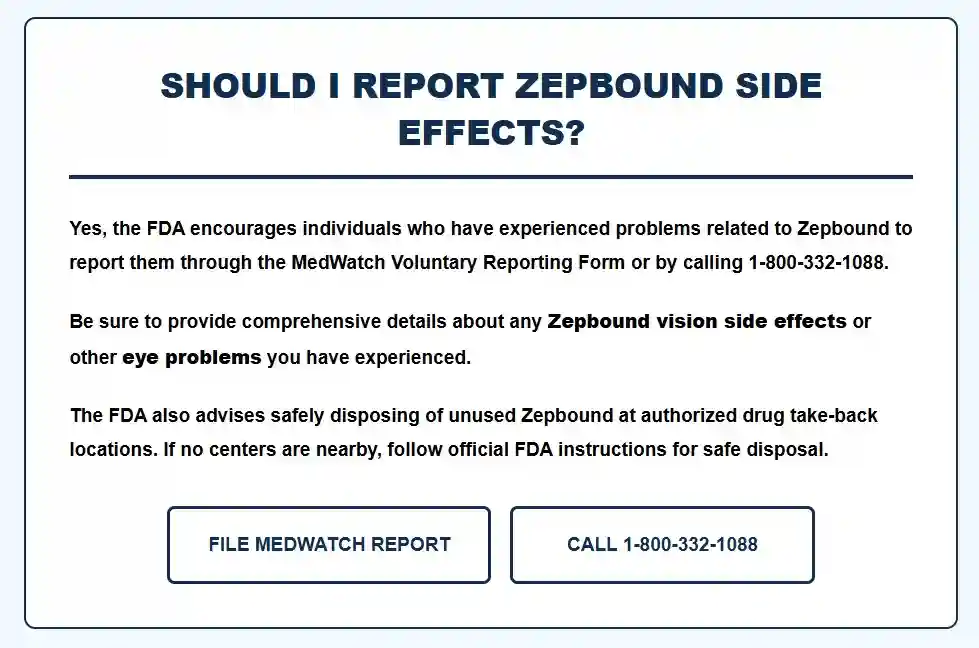
Patients should promptly consult an eye care professional for a thorough examination to rule out retinal disease or other serious conditions. Early assessment and intervention are key to protecting vision. Staying informed about potential side effects and ongoing research or lawsuits related to Zepbound’s ocular risks is also advisable.
Is Zepbound and eye floaters temporary?
Eye floaters and visual disturbances with Zepbound (tirzepatide) are often temporary, stemming from dehydration or blood sugar changes that may resolve as your body adjusts. However, some users report persistent issues, and recent research indicates a potential link to serious, permanent eye conditions like NAION. Sudden or severe vision changes require immediate medical attention.
What are the risks of Zepbound and eye floaters?
Persistent Risks: A recent study identified a rare risk of Nonarteritic Anterior Ischemic Optic Neuropathy (NAION), a condition that can cause permanent, sudden vision loss.
Zepbound and Eye Itching
What about Zepbound and Eye Itching?
Zepboud may cause itchy eyes. While itchy, dry, or swollen eyes are not the most common side effects of Zepbound (tirzepatide), they can occur, often as part of an allergic reaction or as part of a general increase in inflammation. While many report these symptoms as temporary, they can also indicate a serious reaction or severe dry eye.
What Can Help with Zepbound and Eye Itching?
Zepbound can indicate a serious reaction or severe dry eye. Use preservative-free artificial tears to address dryness which sould help with eye etching. Over-the-counter antihistamines like Pataday or Zyrtec may help if the itching is allergy-related.
How do I manage Zepbound and Eye Itching?
Apply a cool, sanitary compress to the area to reduce itching and swelling. Hydrocortisone cream or over-the-counter antihistamines may help with mild irritation. Avoid hot showers and use gentle, unscented soaps.
When should I see a doctor?
When to See a Doctor: If the itching is severe, accompanied by a widespread rash, or involves swelling of the face, lips, or tongue, seek medical attention immediately as these could indicate a serious allergic reaction.
If You Suffered Serios Zepbound Eye Problems, Contact Zepbound Vision Loss Lawyer Timothy L. Miles Today
If you were prescribed Zepbound and took it as directed and suffered Zepbound Eye Problems, Zepbound vision loss or other serious Zepbound Vision Side Effects, contact Timothy L. Miles, a Zepbound Vision Loss Lawyer today. You could be eligible for a Zepbound vision loss lawsuit and potentially entitled to substantial compensation. (855) 846–6529 or [email protected].
Timothy L. Miles, Esq.
Law Offices of Timothy L. Miles
Tapestry at Brentwood Town Center
300 Centerview Dr. #247
Mailbox #1091
Brentwood,TN 37027
Phone: (855) Tim-MLaw (855-846-6529)
Email: [email protected]
Website: www.classactionlawyertn.com