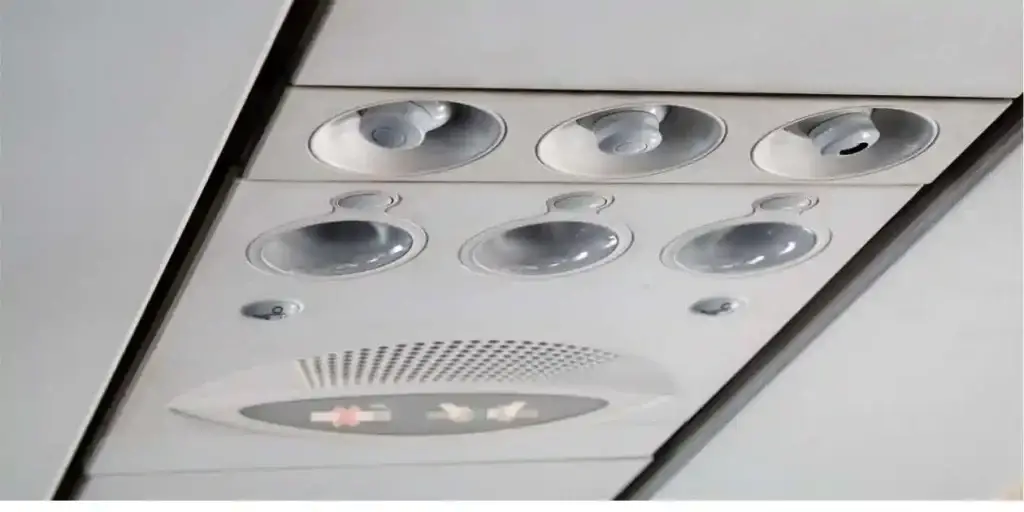
Introduction to Aircraft Contaminated and Air and Fume Events
Aircraft Contaminated air and fume events have been getting a lot of attention lately. Commercial aviation is built on layered safety. It is also built on systems that most passengers never see, never smell, and never think about. One of those systems is cabin air supply. In a small subset of flights, passengers and crew report unusual odours, visible haze, or acute symptoms that coincide with what the industry typically calls a fume event. In consumer terms, the concern is straightforward: could the air in the cabin be contaminated, and what should you do if you suspect it is?
This 2026 guide explains the issue in clear, technical terms, without sensationalism. It defines contaminated air and fume events, outlines what is known and contested, explains how aircraft ventilation actually works, and provides practical steps for passengers before, during, and after travel. The goal is not alarm. The goal is informed decision making, consistent reporting, and proactive risk reduction.

What “contaminated air” means in aviation
Contaminated cabin air refers to a condition in which the air supplied to the cockpit or cabin contains undesired chemical compounds, particulate matter, or smoke-like aerosols at levels that may cause odour, irritation, or health effects.
In practice, most consumer discussion focuses on engine oil-related fumes and associated compounds. However, “contaminated air” is a broad term. It can include:
- Thermal decomposition products of lubricating oils or hydraulic fluids (heated and chemically altered under high temperatures).
- Smoke or vapours from electrical faults, overheating components, or cargo.
- De-icing fluid residues or ground-source contaminants, in rare circumstances.
- Ozone at cruise altitude (typically controlled by ozone converters on many long-haul aircraft, but not uniformly across all fleets and routes).
A fume event is the operational term frequently used when an unusual odour, haze, or smoke-like condition is reported in the aircraft environment and triggers a safety response ranging from monitoring to diversion.
If you believe you have been affected by If you believe you have been affected by toxic airplane fumes, or jet fuel exposure, contact Aerotoxic Syndrome lawyer Timothy L. Miles today for a free case evaluation as you may be eligible for an Aerotoxic Syndrome Lawsuit and potentially entitled to substantial compensation.
A quick primer: how cabin air is supplied
To understand the debate, it helps to understand the architecture.
Bleed air systems (common across many jet types)
On many commercial jets, cabin air is supplied in part by bleed air, which is compressed air taken from the engine’s compressor section (or from an auxiliary power unit, the APU) and then cooled, conditioned, and mixed before entering the cabin.
Key points:
- Bleed air is not “exhaust.” It is taken from a compressor stage, upstream of combustion.
- The compressor environment is mechanically complex and uses lubricating oil seals. These seals are designed to limit oil migration but they are not always perfectly leak-free under all conditions.
- Under certain failure modes, maintenance conditions, or transient operating states, oil or hydraulic fluid may enter the air stream and then be heated, generating odorous compounds and aerosols.
These scenarios can lead to toxic cabin air, raising serious health concerns for passengers and crew.
Bleed-free architectures (notably Boeing 787)
Some aircraft, most prominently the Boeing 787, use an electric compressor system rather than engine bleed air for cabin supply. This design is often cited in consumer discussions because it reduces or eliminates certain pathways for engine-oil-related contamination of cabin supply air.
This does not mean “no fumes can occur,” because fumes can originate from other sources (electrical, cabin materials, galley equipment, external smoke ingestion on the ground), but it changes the risk profile for oil-seal-related events.
What does a fume event feel like to passengers?
Reports vary, but commonly described indicators include:
- Odours described as “dirty socks,” “wet dog,” “burning oil,” “acrid,” “sweet,” or “chemical.”
- Visible haze or mist (not the normal water vapour sometimes seen when humid air mixes with cooler air).
- Immediate irritation of eyes, nose, throat, or lungs.
- Headache, dizziness, nausea, or a sense of being “unwell suddenly.”
- In some cases, symptoms may persist after landing, particularly among crew due to cumulative exposure over many flights.
It is important to keep two truths in view:
- Many unusual smells on aircraft are benign and short-lived.
- Some events are operationally significant and require response, documentation, and medical evaluation.
From a consumer perspective, the correct posture is neither panic nor dismissal. It is recognition and documentation.
Where do the fumes come from?
When abnormal cabin odours or smoke-like conditions occur, several sources are investigated. The most discussed include:
1) Engine oil or hydraulic fluid ingestion into the air supply
This is the scenario most often referenced in relation to bleed air aircraft. Potential pathways include:
- Oil seal leakage in the engine compressor bearing chambers.
- APU seal leakage affecting air supply while on the ground or during certain phases of flight.
- Hydraulic fluid leaks in proximity to air conditioning packs or other hot components, depending on aircraft type and routing.
Heated oils and fluids can break down into a complex mixture of compounds. Some compounds are irritants; some are odorous at extremely low concentrations.
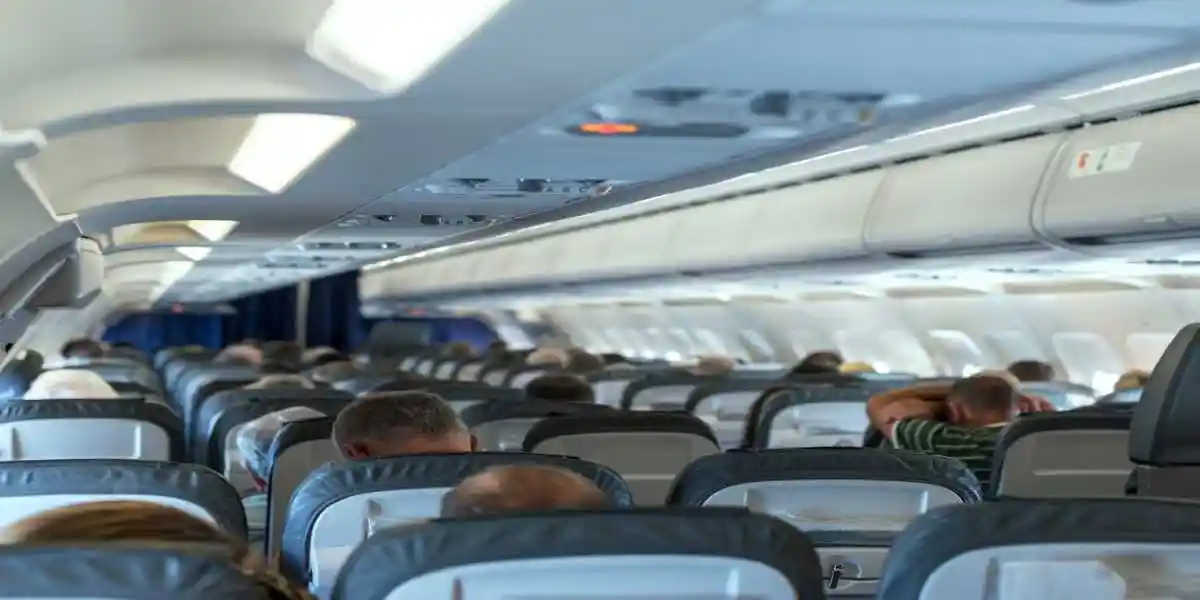
2) Electrical or electronic overheating (“electrical smoke”)
Electrical faults can create sharp, pungent odours and visible smoke. These events often trigger rapid crew action because the risk profile includes fire. Sometimes, however, there may be an electrical smell without any smoke or fire, which still requires immediate attention.
3) Air conditioning pack issues
The “packs” condition and cool air. Faults, overheating, or contamination in ducting and heat exchangers can contribute to abnormal odours.
4) External ingestion on the ground
On the ramp, aircraft may ingest exhaust or fumes from ground equipment, nearby aircraft, or airport operations. These usually dissipate after pushback or after reaching altitude, but not always.
Why this issue remains controversial
By 2026, contaminated air and fume events remain a topic where engineering, occupational health, and public communication do not always align. Key reasons include:
- Measurement difficulty: Real-time, aircraft-certified monitoring for the full range of potential contaminants is not uniformly installed across fleets. Without consistent measurement, events rely on reports, maintenance findings, and limited sampling.
- Complex chemistry: Heated oils and fluids create a mixture that can change with temperature, airflow, and time. Identifying a single “signature compound” for all events is unlikely.
- Variable exposure: Passengers experience occasional exposure. Crew may experience repeated exposures across a career, which raises different occupational questions.
- Data fragmentation: Reporting standards, thresholds for classification, and disclosure practices vary across operators and regulators.
For consumers, the practical implication is simple: do not assume the absence of public data means the absence of risk, and do not assume every smell indicates a toxic exposure. Each situation should be treated on its facts.
However, it’s essential to acknowledge that these toxic fume events are not just isolated incidents. The exposure to aircraft toxic fumes has been documented extensively. Furthermore, there have been instances of toxic fumes leaking from aircraft systems that need to be addressed seriously.
Health considerations: what is known, what is uncertain
This section is intentionally cautious and consumer-focused.
Short-term effects (more consistently reported)
During or shortly after a suspected fume event, people may experience a range of symptoms such as eye, nose, throat irritation, coughing or chest tightness, headache, dizziness or nausea, and fatigue or “brain fog”.
These effects are consistent with exposure to irritants and odorous compounds, and they may also overlap with dehydration, anxiety, jet lag, or motion-related factors. The overlap does not negate the possibility of exposure. It complicates interpretation.
Longer-term effects (more disputed, higher variability)
Some individuals, particularly among crew, report persistent or recurrent symptoms after events. Establishing causation is challenging because:
- exposure characterization is often incomplete,
- symptoms are non-specific and multifactorial,
- medical baselines pre-event are rarely documented.
As a consumer, the prudent approach is medical documentation and follow-up if symptoms persist, regardless of the ultimate cause.
What airlines and crews typically do during a fume event
Operational responses vary with severity, aircraft type, and standard operating procedures, but may include:
- Crew donning oxygen masks (especially if smoke or severe odour is present).
- Adjusting airflow configuration (packs, recirculation, APU bleed, engine bleed selection, where applicable).
- Requesting cabin crew reports on odour location and intensity.
- Coordinating with maintenance control and dispatch.
- Considering diversion if smoke, persistent fumes, or passenger incapacitation is reported.
The most important consumer point is that crew action is not proof of toxicity, and lack of dramatic action is not proof of safety. Crews must make decisions under uncertainty while prioritizing flight safety.
For more detailed information about fume event symptoms, it’s advisable to seek professional medical advice.
If you believe you have been affected by If you believe you have been affected by toxic airplane fumes, or jet fuel exposure, contact Aerotoxic Syndrome lawyer Timothy L. Miles today for a free case evaluation as you may be eligible for an Aerotoxic Syndrome Lawsuit and potentially entitled to substantial compensation.
Practical guidance for consumers (before, during, and after travel)
Before you fly: reduce preventable stressors
You cannot control aircraft design. You can control your readiness and documentation.
Manage baseline factors that mimic exposure symptoms
- Hydrate appropriately.
- Avoid excessive alcohol before travel.
- Bring needed medications in your carry-on.
- Consider a well-fitted mask if you are sensitive to odours or particulates. A high-filtration respirator may reduce particulate exposure, but it will not block all vapours.
Know your medical risk
- If you have asthma, COPD, or severe chemical sensitivity, carry rescue medications and a written action plan.
- If you travel frequently for work and have had prior incidents, discuss this with a clinician in advance. Ask for symptom documentation guidance, not just reassurance.
Choose seats strategically when possible
- There is no guaranteed “safe seat.” However, being close to the source (if localized) may worsen exposure. If you detect a strong local odour, moving seats may help, if crew permits.
During the flight: recognise, report, and document
If you detect an odour or develop sudden symptoms:
Notify a flight attendant promptly and clearly
Use precise descriptions:
- “There is a persistent burning oil odour near row 18, left side.”
- “I have eye irritation and nausea that started at the same time as the smell.”
Ask if the crew can log the event
Crew reports matter because they trigger maintenance follow-up. You can politely ask whether the event will be entered into the aircraft log or reported to maintenance control.
Take notes
Record:
- time of onset,
- phase of flight (boarding, taxi, climb, cruise, descent),
- location in cabin,
- whether haze was visible,
- symptoms and duration,
- actions taken (seat change, oxygen provided, diversion).
Seek medical support onboard if needed
If you have chest tightness, severe dizziness, fainting, or neurological symptoms, request assistance. Many airlines can connect to ground medical advisory services. If oxygen is offered, use it.
Do not self-diagnose in the moment
Focus on immediate safety. Your goal is to stabilise symptoms and ensure the event is recorded.
Additional considerations for hot weather travel
If you’re flying during peak summer months or heading to a warmer destination, it’s essential to stay safe in hot weather. Hydration becomes even more crucial under such circumstances.
After landing: protect your health and your evidence
If symptoms resolve quickly, you may still want to document the event. If symptoms persist, treat it as a medical issue, not an internet research project.
Request written confirmation where possible
Ask customer service for a reference number. Request that your report be forwarded to the airline’s safety or operational team.
Seek medical evaluation if symptoms persist beyond a few hours
Tell the clinician you were on a flight with an unusual odoAre You Eligible for an Aerotoxic Syndrome Lawsuit [2026]ur or haze, the timing and symptoms, whether oxygen was administered, and whether others were affected. Ask for objective vitals and exam findings documented, and request a copy of your visit summary.
File a formal complaint with the relevant regulator
The correct agency depends on jurisdiction. In the United States, file with the Department of Transportation (consumer complaint) and, where appropriate, FAA channels. In the United Kingdom, use CAA processes and airline reporting. In the European Union, contact your national civil aviation authority plus EASA context.
When you file, include the flight number, date, origin, destination, seat number, a concise description and timeline, and medical follow-up details if relevant.
If you are a frequent flyer or crew member
Maintain a personal log across events. Patterns matter. Repeated exposure concerns are assessed differently than a one-time incident.
How to evaluate airline and aircraft claims without getting misled
Consumers often encounter simplistic statements: “Cabin air is filtered,” “The air is refreshed,” or “It is completely safe.” These statements can be partially true and still incomplete.
Use these clarifying questions:
- What does filtration actually cover?
- Many aircraft use HEPA filtration on recirculated air, which is effective for particulate matter. It does not necessarily remove all volatile compounds. Filtration is not the same as chemical decontamination.
- Was the smell transient or persistent?Did You Suffer Exposure to a Fume Event?
- Short-lived odours during engine start or taxi may be operationally common at some airports. Persistent odours with symptoms warrant stronger follow-up.
- Did the airline provide a technical explanation?
- A credible response references maintenance inspection outcomes and operational logs, not only generic statements.
- Is the aircraft bleed air or bleed-free?
- This is not a guarantee either way, but it is relevant context when comparing aircraft types.
What proactive measures are gaining momentum in 2026
Forward-looking governance in aviation focuses on reducing uncertainty and improving accountability. For consumers, the most meaningful progress tends to come from systemic changes rather than one-off assurances.
Key measures increasingly discussed across the sector include:
- Standardised reporting protocols for fume events, including consistent categorisation and minimum data fields.
- Improved sensor capabilities and validated sampling methods that can function in operational environments.
- Maintenance trend monitoring, including seal performance, pack faults, and repeat-event tail numbers.
- Clearer passenger communication, including what was observed, what was inspected, and what was found.
This is where robust corporate governance matters. Governance drives resourcing. Governance drives transparency. Governance drives continuous improvement.
The consumer bottom line
Aircraft cabins are engineered to be safe, but no complex system is failure-proof. Fume events are uncommon, yet they are real enough to warrant seriousness, documentation, and follow-up.
If you remember only four actions, make them these:
- Report the odour and symptoms immediately.
- Document time, place, and severity.
- Seek medical care if symptoms persist.
- File a formal complaint so the data exists.
In 2026, the most practical consumer strategy is proactive and precise. Proactive in preparation. Precise in reporting. Persistent in follow-up. This combination supports your health and strengthens the system that protects every passenger who boards after you.
If you believe you have been affected by If you believe you have been affected by toxic airplane fumes, or jet fuel exposure, contact Aerotoxic Syndrome lawyer Timothy L. Miles today for a free case evaluation as you may be eligible for an Aerotoxic Syndrome Lawsuit and potentially entitled to substantial compensation.
FAQs (Frequently Asked Questions) about Toxic Airplane Fumes,
What does ‘contaminated cabin air’ mean in commercial aviation?
Contaminated cabin air refers to a condition where the air supplied to the cockpit or cabin contains undesired chemical compounds, particulate matter, or smoke-like aerosols at levels that may cause odour, irritation, or health effects. This often involves engine oil-related fumes and can include thermal decomposition products of lubricating oils or hydraulic fluids, smoke from electrical faults, de-icing fluid residues, or ozone at cruise altitude.
What is a ‘fume event’ on an aircraft?
A fume event is an operational term used when an unusual odour, visible haze, or smoke-like condition is reported inside the aircraft cabin or cockpit. Such events trigger safety responses ranging from monitoring to flight diversion and are associated with possible contamination of cabin air by substances like engine oil fumes or other chemicals.
How is cabin air supplied on commercial jets and what risks are associated with it?
Many commercial jets use bleed air systems where compressed air is taken from the engine’s compressor section (upstream of combustion), cooled, conditioned, and mixed before entering the cabin. Although bleed air is not exhaust, lubricating oil seals in compressors can leak under certain conditions allowing oil or hydraulic fluids to enter and be heated in the air stream, potentially causing odorous and harmful compounds leading to toxic cabin air concerns.
How do bleed-free aircraft architectures like the Boeing 787 differ in cabin air supply?
The Boeing 787 uses an electric compressor system instead of traditional engine bleed air to supply cabin air. This design reduces or eliminates pathways for engine-oil-related contamination but does not completely prevent fumes since other sources such as electrical faults, galley equipment, or external smoke can still cause fume events. It alters but does not eliminate risk profiles for contaminated cabin air.
What symptoms might passengers experience during a fume event?
Passengers may notice unusual odours described as ‘dirty socks,’ ‘wet dog,’ ‘burning oil,’ ‘acrid,’ ‘sweet,’ or ‘chemical.’ Visible haze or mist may appear inside the cabin. Immediate irritation of eyes, nose, throat, or lungs can occur along with headache, dizziness, nausea, or sudden feelings of being unwell. Some symptoms may persist after landing especially among crew due to repeated exposure.
What should passengers do if they suspect contaminated cabin air during a flight?

Passengers should recognize unusual smells or symptoms without panic but take them seriously by documenting the event carefully. Reporting these incidents through proper channels helps ensure operational responses including safety monitoring and medical evaluation if necessary. Informed decision-making and consistent reporting contribute to proactive risk reduction regarding fume events.
Call Aerotoxic Syndrome Lawyer Timothy L. Miles Today for a Free Case Evaluation About a Aerotoxic Syndrome Lawsuit
If you believe you have been affected by toxic airplane fumes, or jet fuel exposure, contact Aerotoxic Syndrome lawyer Timothy L. Miles today for a free case evaluation as you may be eligible for an Aerotoxic Syndrome Lawsuit and potentially entitled to substantial compensation. .(855) 846–6529 or [email protected].
Timothy L. Miles, Esq.
Law Offices of Timothy L. Miles
Tapestry at Brentwood Town Center
300 Centerview Dr. #247
Mailbox #1091
Brentwood,TN 37027
Phone: (855) Tim-MLaw (855-846-6529)
Email: [email protected]
Website: www.classactionlawyertn.com
Facebook Linkedin Pinterest youtube