
Introduction to Saxenda Vision Loss Lawsuit Update: Approvals, Studies, and Litigation Timeline
- Saxenda Vision Loss Lawsuit Update: This article provides a comprehensive examination of Saxenda approvals, studies, and the litigation timeline within the context of a Saxenda Vision Loss Lawsuit explaining the approvals, studies linking Saxenda and Vision Loss and other Saxenda eye problems as well and an update of the litigation landscape. The analysis addresses the specific Saxenda vision issues at the center of these legal proceedings.
- Saxenda: Represents a significant advancement in pharmaceutical interventions for weight management, having secured U.S. Federal and Drug Administration (FDA) approval as a prescription medication containing liraglutide, a GLP-1 receptor agonist. This FDA-approved weight loss medication has provided patients struggling with obesity a clinically validated treatment option when combined with diet and exercise modifications. The medication functions by mimicking natural hormones that regulate appetite and food intake, thereby facilitating sustained weight reduction in eligible candidates.
- Link Between Saxenda and Vision Loss: Recent medical literature has raised substantive concerns regarding the link between Saxenda and vision loss. Emerging evidence suggests a correlation between liraglutide administration and the development of Non-Arteritic Anterior Ischemic Optic Neuropathy (NAION), a serious optic nerve condition that can result in permanent vision loss. This connection between Saxenda and vision loss has prompted heightened scrutiny from medical professionals, regulatory bodies, and legal practitioners.
- Saxenda Vision Loss Lawsuit: Patients who have experienced Saxenda eye problems following treatment will find essential information regarding eligibility criteria for a potential Saxenda Vision Loss Lawsuit and the procedural considerations involved in pursuing legal recourse against manufacturers. For instance, individuals facing similar issues due to other medications like Mounjaro may benefit from consulting an experienced Mounjaro Vision Loss Lawyer. Such legal experts can provide crucial assistance for those considering filing a lawsuit related to Mounjaro’s potential vision loss side effects.
- Failure to Warn: Plaintiffs and Saxenda Vision Loss lawyers argue that additional warnings should have been provided, prompting some individuals to seek compensation in a Saxenda Vision Loss lawsuit. This chart below compiles major regulatory approvals, medical studies, and developments in the Saxenda Vision Loss lawsuit—including ongoing post-marketing safety monitoring, label changes, and the latest claims regarding Saxenda Vision Problems. Understanding this timeline can help you determine if you may be eligible for a Saxenda Vision Loss lawsuit.
- Free Case Evaluation: If you suffered Saxenda and Vision Loss or other Saxenda vision problems call Saxenda Vision Loss Lawyer Timothy L. Miles today for a free case evaluation. (855)-846-6529 or [email protected]. The only call you will have to make.
- Top 25 Class Action Lawyer by the National Trial Lawyers Association (2023-present)
- Top 25 Mass Tort lawyer by the National Trial Lawyers Association (2023-present)
- Top 100 Civil Plaintiff Trial Lawyer by the National Trial Lawyers Association (2017-present)
- AV rating from Martindale-Hubble since 2014 (2014-present)
- 2020 Top Rated Litigator by Martindale-Hubble (2019-present)
- 2021 Top Rated Lawyer by Martindale-Hubble (2019-present)
- 2021 Elite Lawyer of the South by Martindale-Hubble (2019-present),
- Avvo Client’s Choice Award in 2021 (AVVO 2021)
- PRR AV Preeminent Rating on Lawyers.com by Martindale-Hubble® (2018-2022).
- Superb Rated Attorney, (10.0 out of 10), the Highest Rating Possible by Avvo.
- Avvo Rated Top Lawyer 2024 by AVVO (2025)
- 10 rating by Justia, their highest rating for both legal abilities and ethics and professionalism.
Saxenda Vision Loss Lawsuit Lawsuit Timeline: Approvals, Studies, Litigation
| Year/Date | Event/Study/Approval/Update | Summary | Source/Reference |
| 2014 | FDA Approval: Obesity | Saxenda (liraglutide) approved for chronic weight management in adults; label notes GLP-1 RA class warnings. | FDA Label |
| 2015 | LEADER Trial Initiated | Large cardiovascular outcomes trial in type 2 diabetes; includes monitoring for microvascular complications. | NEJM 2016;375:311–322 |
| 2016 | Diabetic Retinopathy Data from LEADER | Subgroup analysis reports no significant increase in retinopathy events with liraglutide vs. placebo. | NEJM 2016 Supplement |
| 2017 | EMA Labeling Update | EMA reinforces class warning about rapid glucose lowering and potential risk of worsening diabetic retinopathy. | EMA SmPC |
| 2018–2020 | Post-Marketing Surveillance | No new safety signals or black box warnings regarding optic neuropathy or vision loss reported. | FDA FAERS / EMA PRAC |
| 2021 | Real-World Case Reports | Rare case reports of rapid diabetic retinopathy worsening after significant A1c drop in high-risk patients—phenomenon recognized with all GLP-1 RAs. | PubMed Case Reports |
| Late 2022 | Review Article: GLP-1 RAs & Eyes | Systematic review finds no unique risk for liraglutide vs. other agents, but highlights need for monitoring during rapid glucose reduction. | Diabetes Care 2022;45(12):e163–e165 |
| Early 2023 | Professional Society Guidance | ADA/EASD recommend baseline dilated eye exam before starting GLP-1 RAs (including Saxenda) in those with pre-existing retinopathy. | ADA Standards of Care, EASD Recommendations |
| Mid–Late 2023 | Regulatory Monitoring Continues | No additional warnings added as of mid-2023; agencies continue routine surveillance | |
| September, 2024 | Cosmos Study | Liraglutide and Insulin Prescriptions Associated with Increased Likelihood of Rare Vision Loss | Cosmos Study – Collaboration
|
| August 2025 | Study National Library of Medicine | Non-Arteritic Anterior Ischemic Optic Neuropathy in an Otherwise Healthy Young Adult Patient Treated with Liraglutide and Semaglutide for Weight Loss: A Cautionary Tale | NLM Study
|
Additional Key Points for Consumers on Saxenda (Liraglutide) and Eye Problems
1. Mechanism of Action
- Saxenda is a medication that mimics the hormone GLP-1 to help control appetite and weight.
- It does not directly target the eyes or vision pathways but can influence blood vessels in the body, including those in the eyes.
2. Warnings in the Prescribing Information
- The official FDA label for Saxenda has no warnings about other specific eye diseases (like NAION or glaucoma) as of June 2024.
- The FDA recommends regular eye exams for patients with diabetes who are starting Saxenda or similar medications.
3. Expert Opinions & Guidelines
- Diabetes organizations (such as the American Diabetes Association [ADA] and EASD) recommend a baseline eye exam before starting Saxenda if you already have diabetic eye disease.
- Experts advise caution when using Saxenda in people who have severe diabetic retinopathy.
4. Eye Risks vs. Other Medicines
- Like other GLP-1 receptor agonists (e.g., semaglutide/Ozempic, tirzepatide/Zepbound), there may be a risk of worsening existing diabetic retinopathy if blood sugar improves too quickly.
- Some recent research has suggested a possible increased risk of NAION (a rare cause of sudden vision loss) with liraglutide, though this is extremely rare (see Epic Research article).
- No evidence at this time links Saxenda to other serious non-diabetic-related eye conditions.
5. Patient Monitoring Advice
- If you notice changes in your vision (blurry vision, floaters, sudden loss of vision), contact your healthcare provider immediately.
- Regular eye exams are important—especially if you have diabetes or a history of diabetic retinopathy.
6. Real-World Use
- Saxenda has been used by many thousands of patients since approval; reports of new or worsening diabetic retinopathy are rare but possible—especially in those with pre-existing severe disease.
- Ongoing studies and post-marketing surveillance continue to monitor long-term safety related to vision.
References:
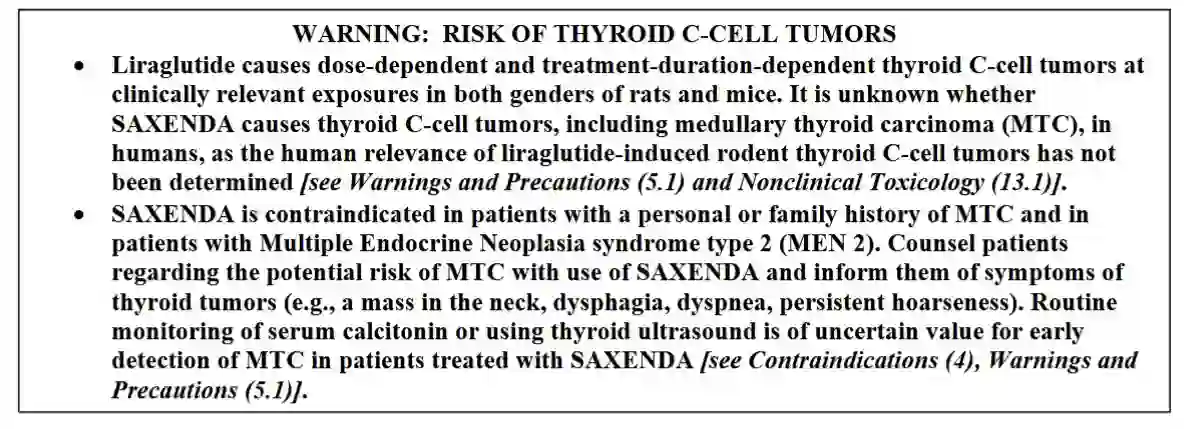
SAXENDA BLACK BOX WARNING
Saxenda Vision Loss Lawsuit Update
Key Points:
- Ongoing Litigation: Lawsuits are active, alleging Saxenda (liraglutide) causes serious eye issues, including optic neuropathy (NAION) and blindness.
- No Major Resolutions: No large class-action settlements or significant jury verdicts have been reached for these specific vision loss claims yet.
- Potential Payouts: Attorneys are estimating potential settlements could be substantial (around $500,000 or more) for severe cases
- Manufacturer: Novo Nordisk, the maker of Saxenda, faces these claims.
- Supply Issues: Separately, Saxenda is experiencing widespread supply shortages due to high demand, impacting availability for patients.
Types of Legal Claims Against Novo Nordisk
Legal claims filed against Novo Nordisk involve several different theories of liability, each addressing various aspects of the manufacturer’s responsibility to consumers. The main categories of legal action include:
- Failure to Warn: These claims argue that Novo Nordisk knew or should have known about the vision-related risks associated with Saxenda but failed to properly communicate these dangers to healthcare providers and patients through product labeling, prescribing information, or direct consumer warnings.
- Breach of Warranty: Plaintiffs contend that the manufacturer violated implied warranties of merchantability and fitness for a particular purpose by marketing Saxenda without disclosing important risks that would influence a reasonable consumer’s decision to use the medication.
- Design Defect: Some lawsuits claim that the formulation of Saxenda itself poses unreasonable dangers that outweigh its therapeutic benefits, especially when safer alternative weight management options are available in the pharmaceutical market.
- Negligence: Claims assert that Novo Nordisk did not exercise reasonable care in testing, monitoring, and reporting adverse events related to vision loss, thereby failing its duty to protect consumers from foreseeable harm.
Get a Baseline Eye Exam and Regular Eye Examinations
- Baseline Exam: Before starting Saxenda, it is important for people with diabetes—especially those with a history of diabetic eye disease—to have a thorough, baseline eye exam performed by an eye care professional. This exam helps determine if there are any signs of diabetic retinopathy or other vision problems before treatment begins. Knowing your starting point allows your healthcare team to better assess any changes that might occur after beginning the medication.
- Follow-up Eye Examinations: While using Saxenda, regular follow-up eye exams are recommended, particularly for those who already have some degree of diabetic retinopathy. These checkups help detect any early signs of worsening vision so that action can be taken quickly if needed. If you notice new symptoms such as blurred vision, floaters, or sudden changes in sight at any time while on Saxenda, you should contact your doctor immediately. Keeping your healthcare providers informed about changes in your vision and attending scheduled appointments can help ensure that any potential issues are caught early and managed effectively.
- Routine Monitoring: Is especially important because rapid improvements in blood sugar—while generally beneficial—can sometimes cause existing diabetic retinopathy to worsen temporarily. Your healthcare team may adjust the pace of glucose lowering or coordinate closely with your eye doctor to minimize risks. By taking these precautions, you can help protect your eyesight while benefiting from Saxenda’s effects on blood sugar and weight.
Who May Qualify for a Saxenda Vision Loss Lawsuit? Understanding Who Is Eligible for a Saxenda Vision Loss Lawsuit
Determining eligibility for legal claim requires careful evaluation of specific medical and circumstantial factors. Individuals who developed serious ocular complications following Saxenda use may qualify for lawsuit Saxenda vision loss if their circumstances align with established legal criteria.
Primary Eligibility Requirements to be eligible for a Saxenda Vision Loss Lawsuit:
- Confirmed NAION Diagnosis: Medical documentation from a qualified ophthalmologist establishing non-arteritic anterior ischemic optic neuropathy as the diagnosis represents a fundamental requirement for those seeking to qualify for a Saxenda Vision Loss Lawsuit
- Temporal Relationship: Evidence demonstrating the vision impairment occurred during active Saxenda treatment or within a reasonable timeframe following medication use
- Documented Vision Loss: Medical records substantiating the severity and permanence of Saxenda and vision loss, including visual field tests, optical coherence tomography results, and clinical examination findings
- Prescription History: Verifiable records confirming Saxenda was prescribed and used as directed for weight management purposes
Additional Qualifying Factors:
Individuals who experienced other serious Saxenda vision problems beyond NAION may also be eligible for a Saxenda Vision Loss Lawsuit. These conditions include sudden vision deterioration, optic nerve damage, or permanent visual field deficits requiring ongoing medical intervention.
The absence of pre-existing conditions that could independently explain the vision loss strengthens eligibility. Medical histories demonstrating no prior optic nerve disorders, uncontrolled diabetes, or vascular diseases affecting ocular blood flow support causation arguments linking Saxenda use to subsequent vision impairment.
Documentation requirements extend beyond medical records to include pharmacy records, insurance claims, and correspondence with healthcare providers regarding the medication. Comprehensive record-keeping significantly impacts the viability of pursuing legal remedies through a Saxenda Vision Loss Lawsuit.
In addition to Saxenda, other weight management medications like Zepbound and Mounjaro have also been linked to serious vision complications. For instance, individuals who took Zepbound and developed vision problems may want to consult with a Zepbound vision loss lawyer about a potential Zepbound vision loss lawsuit. Similarly, those affected by Mounjaro could explore legal options related to their specific circumstances.

Safety Precautions and Monitoring Recommendations for Patients on Saxenda
Saxenda safety warnings encompass multiple critical areas that patients must understand before starting treatment. The FDA has issued comprehensive guidance regarding the medication’s risk profile, requiring healthcare providers to inform patients of potential adverse events that extend beyond vision-related complications.
FDA Black Box Warnings and Primary Safety Concerns
The medication carries a black box warning regarding thyroid C-cell tumors, including medullary thyroid carcinoma (MTC). Clinical studies in rodents demonstrated dose-dependent and treatment-duration-dependent increases in thyroid C-cell tumors at clinically relevant exposures. Patients with a personal or family history of MTC or Multiple Endocrine Neoplasia syndrome type 2 (MEN 2) should not use Saxenda under any circumstances.
Acute pancreatitis represents another significant safety concern explicitly addressed in Saxenda safety warnings. Patients must recognize symptoms including:
- Persistent severe abdominal pain, often radiating to the back
- Nausea and vomiting accompanying abdominal discomfort
- Elevated pancreatic enzyme levels upon laboratory evaluation
Discontinuation of Saxenda becomes necessary if pancreatitis is suspected, with no resumption of treatment if pancreatitis is confirmed.
What to Do If You Experience Vision Problems While Taking Saxenda
If you experience any Saxenda vision problems, it’s important to take immediate action to protect your eye health. Here are the steps you should follow:
1. Document your symptoms accurately
Keep a record of the specific Saxenda vision problems you’re experiencing, including when they started, how long they last, and any particular characteristics such as blurred vision, blind spots, or eye pain.
2. Contact your healthcare provider right away
Reach out to the healthcare professional who prescribed Saxenda or an ophthalmologist within 24 hours of noticing your Saxenda vision problems. It’s crucial to inform them about your vision issues so they can provide appropriate guidance.
3. Temporarily stop taking Saxenda
Until you have a chance to see a doctor and get their advice, it’s best to discontinue using Saxenda. Continuing the medication without medical evaluation could potentially worsen any underlying eye conditions.
4. Seek emergency care for severe symptoms
If you experience sudden Saxenda and vision loss, intense Saxenda eye pain, or complete loss of peripheral vision, don’t wait for an appointment with your regular doctor. Instead, go directly to the nearest emergency department for immediate medical attention.
By following these steps and promptly reporting any Saxenda vision problems you encounter while on Saxenda, you enable healthcare professionals to conduct thorough eye examinations and assessments. This may involve evaluating the optic nerve and measuring blood flow to ensure there are no serious complications such as non-arteritic anterior ischemic optic neuropathy (NAION) or other conditions that require intervention.
It’s also important for healthcare providers to have access to your complete medication history, including information about dosages, how long you’ve been on treatment, and any pre-existing eye conditions you may have had. This background knowledge will help them make accurate diagnoses and develop appropriate treatment plans tailored specifically for you.
Remember: Your eyesight is valuable! Don’t hesitate to seek medical help if something doesn’t feel right during your course of Saxenda therapy.
Frequently Asked Questions About Saxenda Vision Side Effects
How common are Saxenda Vision Problems?
Saxenda Vision Problems are considered rare with Saxenda use, but recent studies have linked it to an increased risk of a serious condition called NAION which can cause sudden and permanent vision loss. Other potential Saxenda eye issues include short-term vision changes, and for those with diabetes, a possible increased risk of developing or worsening diabetic eye conditions like macular degeneration or retinopathy.
What should I do if I experience any Saxenda Vision Side Effects?
If you notice any changes in your vision—such as Saxenda and blurry vision, double vision, seeing spots or flashes, eye pain, or sudden loss of sight—stop using Saxenda immediately and contact your healthcare provider without delay. Vision problems can signal underlying conditions like increased intraocular pressure, retinal issues, or even stroke-like events that require urgent assessment.
Your doctor will likely perform a complete eye examination and may refer you to an ophthalmologist for further evaluation. They will also review your medication history and may conduct blood tests to rule out other causes such as uncontrolled blood sugar levels or hypertension.
Do not resume Saxenda until your doctor has determined it is safe to do so. Early intervention greatly improves the chance of recovery if the problem is drug-related.
Can a lawyer help with a Saxenda Vision Loss Lawsuit?
Yes—a lawyer experienced in pharmaceutical litigation can assess your case and help determine if you are eligible for a Saxenda Vision Loss Lawsuit due to alleged harm from Saxenda. Contact Saxenda Vision Loss Lawyer Timothy L. Miles for a free case evaluation. (855) 846–6529 or [email protected].
How soon can vision problems appear after starting Saxenda?
Saxenda Vision problems could theoretically occur at any time during treatment but are most likely within the first few weeks if they are related to the medication.
Is there evidence linking Saxenda vison problems?
While research is ongoing, there have been reports and clinical studies suggesting a possible association between GLP-1 drugs like Saxenda and certain Saxenda vision problems.
Who qualifies for a Saxenda Vision Loss Lawsuit?
Generally, individuals who developed significant eye problems or suffered vision loss after using Saxenda—and who believe the drug contributed to their condition—may qualify for a Saxenda Vision Loss Lawsuit.
Are there serious risks associated with Saxenda?
Yes. In addition to common side effects, some users have reported more serious complications such as pancreatitis, kidney problems, severe allergic reactions, and possible thyroid tumors and Saxenda eye problems.
