
Introduction to Dupixent Cancer Claims
- Dupixent Cancer Claims: Recent scientific investigations have raised important questions about Dupixent and its potential cancer risks, particularly regarding the development of cutaneous T-cell lymphoma (CTCL). Studies published in 2024 and 2025 have reported higher rates of this rare skin cancer among patients receiving dupilumab treatment.
- Regulatory Acknowledgment: In response to these concerns, the FDA acknowledged the issue in October 2024 by placing Dupixent on its “Potential Signals of Serious Risks” list, which means they will be investigating the reported cases of CTCL. As a result of these developments, individual are filing a Dupixent Cancer Lawsuit against the manufacturers, with plaintiffs claiming that there were insufficient warnings about the potential risks of malignancy.
- Dupixent (dupilumab): Is a significant advancement in biologic therapy for patients suffering from chronic inflammatory conditions. It has been approved by the FDA for various uses and works by targeting specific pathways in the immune system to treat conditions such as atopic dermatitis, asthma, chronic rhinosinusitis with nasal polyps, and eosinophilic esophagitis. Dupixent is produced through a collaboration between Sanofi and Regeneron and has experienced great commercial success since its initial approval in March 2017.

What Is Dupixent?

Research and the Link Between Dupixent and Cancer

What are the potential benefits of a Dupixent Cancer Lawsuit?
If you are eligible for a Dupixent Lawsuit, you may be entitled to substantial compensation for your medical treatment and for your pain and suffering.
Are There Warnings About Dupixent’s Cancer Risks?
No, the FDA-approved labeling for Dupixent does not include an explicit warning about T-cell lymphoma.
How long do I have to file a Dupixent Lawsuit?
If you qualify for a Dupixent Cancer Lawsuit, you typically have one to three years to file a lawsuit. However, this deadline can vary by state. It is important to contact a Dupixent Cancer Lawyer promptly to ensure you do not miss your deadline.
What Is Cutaneous T-cell lymphoma?
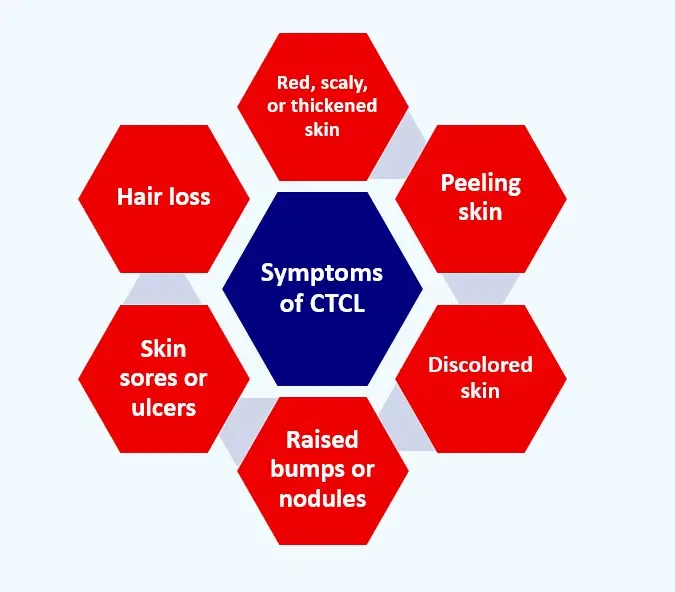
Cutaneous T-cell lymphoma (CTCL) is a rare, slow-growing cancer of the T-cells (a type of white blood cell) that affects the skin. Symptoms often include itchy, scaly rashes, red patches, plaques, or tumors, and can mimic other skin conditions like eczema, which can delay diagnosis. In some cases, the cancer can spread from the skin to the lymph nodes or other organs. phagitis.
Key characteristics
-
What it is: A type of non-Hodgkin lymphoma that starts in T-cells in the skin.
-
Common symptoms:
-
Itchy, scaly patches or plaques
-
Redness on the skin
-
Thicker, raised lesions or tumors
-
Sometimes, the skin redness can cover a large portion of the body, a condition called erythroderma
-
Progression: CTCL is often slow-growing, but some types can be aggressive and spread to other parts of the body, such as the lymph nodes, blood, or organs like the liver or lungs.
Common types: The two most common types are mycosis fungoides and Sézary syndrome.
-
Diagnosis: Diagnosis can be challenging due to similar-looking symptoms and often involves a skin biopsy, physical exam, blood tests, and imaging.
-
Treatment: Treatments are chosen based on the stage of the cancer and can include creams, light therapy, radiation, or systemic treatments like chemotherapy or other medications.
How many different types of CTCL are there?
There are several types. The most common types of cutaneous T-cell lymphoma, also known as CTCL cancer or CTCL, are:
-
Mycosis Fungoide (MF) – The most common type, characterized by patches, plaques, and tumors on the skin.
-
Sézary Syndrome (SS) – A more aggressive form of MF that affects the blood as well as the skin.
Other more rare types of CTCL include:
-
Lymphomatoid papulosis – A benign form of CTCL that causes small, itchy bumps on the skin.
-
Granulomatous slack skin – A rare, indolent form of CTCL that causes loose, pendulous folds of skin.
-
Anaplastic large cell lymphoma – An aggressive form of CTCL that can spread to other organs.
-
Extranodal NK/T-cell lymphoma: A rare type of CTCL that affects the skin and lymph nodes.
-
Extranodal NK/T-cell lymphoma, nasal type – A rare, aggressive lymphoma that can affect the skin, among other places.
-
Subcutaneous panniculitis-like T-cell lymphoma (SPTCL) – A rare, slow-growing type that causes nodules deep in the fatty layer of the skin, most often on the legs.
-
Primary cutaneous peripheral T-cell lymphoma (unspecified) – This is a category for rare entities that do not fit into other classifications.
Do I need to stop using Dupixent before filing?
Consult your doctor before changing your medication. Legal action does not require discontinuing treatment.
Timothy L. Miles, Esq.
Law Offices of Timothy L. Miles
Tapestry at Brentwood Town Center
300 Centerview Dr. #247
Mailbox #1091
Brentwood,TN 37027
Phone: (855) Tim-MLaw (855-846-6529)
Email: [email protected]
Website: www.classactionlawyertn.com
Facebook Linkedin Pinterest youtube
