
Introduction to the Dupixent Cancer Lawsuit
- Dupixent Cancer Lawsuit: Numerous lawsuits have been filed against Sanofi and Regeneron, the makers of Dupixent, alleging the company failed to adequately warn patients and doctors about a potential link between the drug and the development of cutaneous T-cell lymphoma (CTCL).
- Dupixent (dupilumab): Is an injectable biologic medication that is used to treat particular types of inflammatory diseases. The medicine is currently the subject of a growing number of lawsuits alleging it causes or accelerates the development of cutaneous T-cell lymphoma (CTCL), a rare form of cancer. As of November 2025, the litigation is in early stages, with no settlements or jury verdicts yet.
- Recent studies on Dupixent and Cancer: Have shown that Dupixent use may increase the risk of certain types of cancers known as Cutaneous T-cell Lymphomas (CTCL), including its subtypes Mycosis fungoides and Sezary syndrome, by as much as 300% or more in people who used the medication.
- Potential Compensation: People who used Dupixent and were later diagnosed with CTCL may be eligible to file a Dupixent Cancer Lawsuit and potential entitled to substantial compensation. If you suffered Dupixent and Cancer call Dupixent Cancer Lawyer Timothy L. Miles today for a free case evaluation. (855)-846-6529 or [email protected].
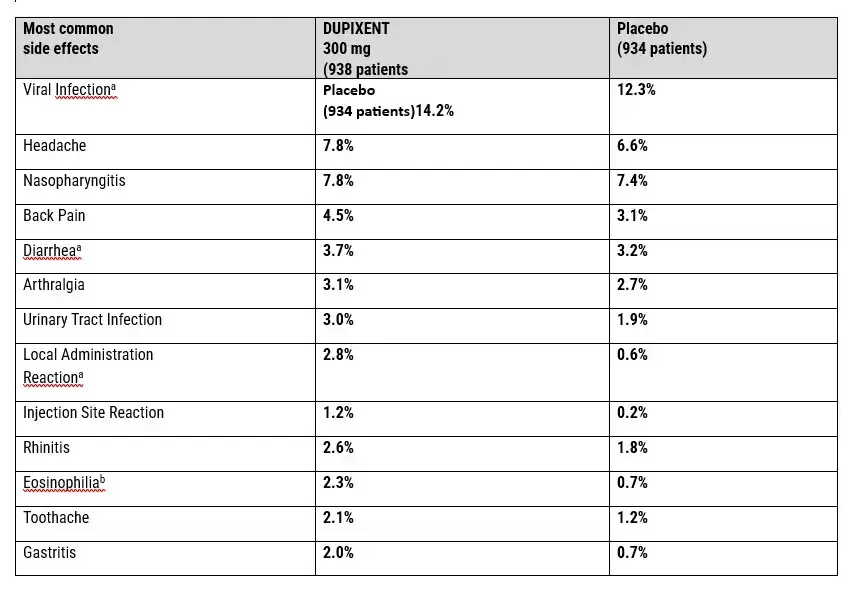
THE DUPIXENT COMMON SIDE EFFECTS PROFILE
1. What Is Cutaneous T-cell lymphoma?
Dupixent Cancer Lawsuit: Cutaneous T-cell lymphoma (CTCL) is a rare, slow-growing cancer of the T-cells (a type of white blood cell) that affects the skin. Symptoms often include itchy, scaly rashes, red patches, plaques, or tumors, and can mimic other skin conditions like eczema, which can delay diagnosis. In some cases, the cancer can spread from the skin to the lymph nodes or other organs. phagitis.
Key characteristics
-
What it is: A type of non-Hodgkin lymphoma that starts in T-cells in the skin.
-
Common symptoms:
-
Itchy, scaly patches or plaques
-
Redness on the skin
-
Thicker, raised lesions or tumors
-
Sometimes, the skin redness can cover a large portion of the body, a condition called erythroderma
-
Progression: CTCL is often slow-growing, but some types can be aggressive and spread to other parts of the body, such as the lymph nodes, blood, or organs like the liver or lungs.
Common types: The two most common types are mycosis fungoides and Sézary syndrome.
-
Diagnosis: Diagnosis can be challenging due to similar-looking symptoms and often involves a skin biopsy, physical exam, blood tests, and imaging.
-
Treatment: Treatments are chosen based on the stage of the cancer and can include creams, light therapy, radiation, or systemic treatments like chemotherapy or other medications.
2. What is cutaneous T-cell lymphoma (CTCL)?
- Dupixent and Cancer: Cutaneous T-cell lymphomas (CTCL) are a wide range and group of extremely rare cancers. Some forms grow slowly and stay in the skin. Less frequently, the cancer can spread from the skin to the blood or a lymph node.
- Dupixent and Cancer Risks: Dermatologists often work closely with oncologists (doctors who treat cancer) and other specialists to care for patients who have one of these cancers.
3. How many different types of CTCL are there?
- Dupixent and Cancer: There are several types. The most common types of cutaneous T-cell lymphoma, also known as CTCL cancer or CTCL, are:
-
-
Mycosis Fungoide (MF) – The most common type, characterized by patches, plaques, and tumors on the skin.
-
-
-
Sézary Syndrome (SS) – A more aggressive form of MF that affects the blood as well as the skin.
-
- Dupixent and Cancer: Other more rare types of CTCL include:
-
-
Lymphomatoid papulosis – A benign form of CTCL that causes small, itchy bumps on the skin.
-
-
-
Granulomatous slack skin – A rare, indolent form of CTCL that causes loose, pendulous folds of skin.
-
-
-
Anaplastic large cell lymphoma – An aggressive form of CTCL that can spread to other organs.
-
-
-
Extranodal NK/T-cell lymphoma: A rare type of CTCL that affects the skin and lymph nodes.
-
-
-
Extranodal NK/T-cell lymphoma, nasal type – A rare, aggressive lymphoma that can affect the skin, among other places.
-
-
-
Subcutaneous panniculitis-like T-cell lymphoma (SPTCL) – A rare, slow-growing type that causes nodules deep in the fatty layer of the skin, most often on the legs.
-
-
-
Primary cutaneous peripheral T-cell lymphoma (unspecified) – This is a category for rare entities that do not fit into other classifications.
-
4. Is there a Dupixent Class Action Lawsuit?
- Dupixent Cancer Lawsuit: As of now, there is no Dupixent class action lawsuit, with almost all Dupixent lawsuits being filed product liability cases on their behalf only, rather than a single class action. In an MDL, the plaintiff maintains his own case and potential compensation, but legal proceedings share a concerted strategy for judicial efficiency.
- Dupixent and Cancer Risks: Furthermore, it gives patients across the country to present consistent evidence about Dupixent and cancer risks while keeping their individual right to compensation intact.
SAFETY AND EFFICACY DATA OF DUPIXENT SIDE EFFECTS FROM CLINICAL TRIALS
5. Are there warnings about Dupixent and Cancer Risks?
No, the FDA-approved labeling for Dupixent does not include an explicit warning about T-cell lymphoma.
6. Do I need to stop using Dupixent before filing?
Consult your doctor before changing your medication. Legal action does not require discontinuing treatment.
7. How Can a Dupixent Cancer Lawyer help me?
When you hire a skilled Dupixent Cancer Lawyer, they will work tirelessly to build a strong case on your behalf. This includes:
-
Thoroughly investigating the details of your case, including your medical history, Dupixent usage, and the onset of your symptoms
-
Gathering and analyzing relevant medical records, scientific studies, and other evidence to support your claims
-
Collaborating with medical experts to provide expert testimony and strengthen your case
-
Negotiating with the pharmaceutical company and their legal team to secure a fair settlement
-
Preparing and filing the necessary legal documents to initiate and progress your lawsuit
-
Representing you in court if litigation becomes necessary
By having a knowledgeable Dupixent Cancer Lawyer on your side, you can rest assured that your rights will be protected, and you will have the best possible chance of obtaining the compensation you deserve.
8. How can I join the Dupixent Cancer Lawsuit?
- Get a Free Case Evaluation: If you or a loved on developed Dupixent and Cancer after taking Dupixent, the most important thing to do now is get a free case evaluation from a Dupixent Cancer Lawyer to see if you qualify for a Dupixent Cancer Lawsuit. These are not typical cases any lawyer can litigate. Contact Dupixent Cancer Lawyer Timothy L. Miles who can tell you if you are eligible for a Dupixent Cancer Lawsuit and can explain more about what will happen next. (855) 846–6529 or [email protected].
- Medical Records Review: The earlier your records are reviewed, the stronger the foundation becomes, especially in cases where the biopsy history is limited or where the initial diagnosis was “eczema” that simply never responded the way it should have. A lawyer experienced in drug litigation can help secure the complete medical file, obtain an independent pathology review if necessary, and establish a clear timeline that courts and juries can follow.
- Time Is of the Essence: If you have a valid case, then it is vital to preserve your rights under the statute of limitations in your state. These deadlines are different in different states, but it normally starts running from the time of diagnosis or from the point when a reasonable person should have realized the connection between the diagnosis and the drug. Time is of the essence so give Dupixent Cancer Lawyer Timothy L. Miles a call today.

9. How much compensation can I get in a Dupixent Cancer Lawsuit?
- If you are eligible for a Dupixent Cancer Lawsuit: A successful plaintiff is entitled to compensatory damages which would include compensation for things such as:
-
- past and future medical expenses;
- pain and suffering including emotional distress; and
- lost wages and the reduction in your ability to earn an income.
- Trial: If your case proceeds to trial it is also possible the court could impose punitive damages, intended to punish the defendant for their actions. Contact Dupixent Cancer Lawyer Timothy L. Miles who can tell you if you are eligible for a Dupixent Cancer Lawsuit and can explain more about the type of damages you are entitled to receive. (855) 846–6529 or [email protected].
Dupixent Cancer Lawsuit: You may be eligible if you:
- Used Dupixent (dupilumab) as prescribed
- Were later diagnosed with T-Cell Lymphoma, especially Cutaneous T-Cell Lymphoma
- Experienced serious Dupixent side effects or worsening symptoms
- Are within your state’s statute of limitations
11. Has there been any scientific evidence or regulatory action over Dupixent and Cancer?
Scientific studies and reports to the FDA have highlighted a potential link between Dupixent and T-cell lymphomas:
- FDA Investigation: The FDA is formally investigating the potential safety signal for CTCL linked to Dupixent use. This investigation began in March 2025.
-
- Cause of investigation: The FDA’s investigation was prompted by a significant number of adverse event reports linking Dupixent to cutaneous T-cell lymphoma (CTCL).
-
- Allegations: A Dupixent Lawsuit against the manufacturers claim they failed to adequately warn patients and doctors about this potential risk.
-
- Status: The FDA has not recalled Dupixent, but the investigation is formal and follows a pattern of regulatory actions that may include label revisions.
- Adverse Event Reports: The FDA’s Adverse Event Reporting System (FAERS) has received hundreds of reports of lymphoma among Dupixent users.
- Increased Risk Studies: Several peer-reviewed studies suggest an increased risk of Dupixent and Cancer.
12. What is the Dupixent Lawsuit Status?
- Dupixent Lawsuit: Individual lawsuits have been filed across the U.S., but they have not yet been consolidated into a formal multidistrict litigation (MDL).
- First Lawsuit: The first known Dupixent Lawsuit for wrongful death lawsuit was filed in a federal court in Tennessee in October 2025. The lawsuit alleges the drug caused a woman’s fatal T-cell lymphoma and that the manufacturers failed to provide adequate warnings.
- No MDL or Class Action: There is currently no formal multidistrict litigation (MDL) or class-action lawsuit. However, legal experts anticipate that cases may be consolidated into an MDL in late 2025 or early 2026 to streamline the legal process if more cases emerge.
- Allegations: Lawsuits primarily allege that the manufacturers, Sanofi and Regeneron, failed to adequately warn patients and healthcare providers about Dupixent and Cancer risks associated with the drug.
- FDA Investigation: The U.S. Federal and Drug Administration (FDA) is formally investigating the potential link and evaluating whether new cancer warnings should be added to the Dupixent label. The current label does not mention a CTCL risk.
- Settlements: No settlements have been reached in any Dupixent Lawsuit, and there are no jury verdicts, making it difficult to estimate potential settlement amounts.
Timothy L. Miles, Esq.
Law Offices of Timothy L. Miles
Tapestry at Brentwood Town Center
300 Centerview Dr. #247
Mailbox #1091
Brentwood,TN 37027
Phone: (855) Tim-MLaw (855-846-6529)
Email: [email protected]
Website: www.classactionlawyertn.com
Facebook Linkedin Pinterest youtube
