
Introduction to the the Link Between Mounjaro Vision Problems and Nonarteritic Anterior Ischemic Optic Neuropathy
- Mounjaro Vision Problems: New evidence has raised serious concerns about vision-related complications linked to Mounjaro use. Clinical research and reports of sudden vision loss, blindness, and a condition called nonarteritic anterior ischemic optic neuropathy (NAION) have led thousands of patients filing an against the manufacturer. These complications are potentially life-changing injuries that go beyond the usual risks associated with diabetes medications.
- Mounjaro (tirzepatide): Is a significant advancement in the treatment of type 2 diabetes and obesity. It works by activating two receptors in the body that help regulate blood sugar levels and promote weight loss. This medication has shown great effectiveness in controlling blood sugar and reducing weight, leading to its widespread use among patients and healthcare providers.
- Mounjaro Vision Loss Lawsuit Landscape: Has evolved into extensive litigation involving federal and state courts across multiple jurisdictions. Affected patients allege that Eli Lilly and Company failed to provide adequate warnings about the severe Mounjaro vision problems associated with tirzepatide therapy.
- Thoroughly Investigate Mounjaro Eye Side Effects: While the benefits of Mounjaro are substantial, it is important to thoroughly evaluate any potential side effects that could affect patient safety and quality of life.
MOUNJARO COMMON SIDE EFFECTS PROFILE
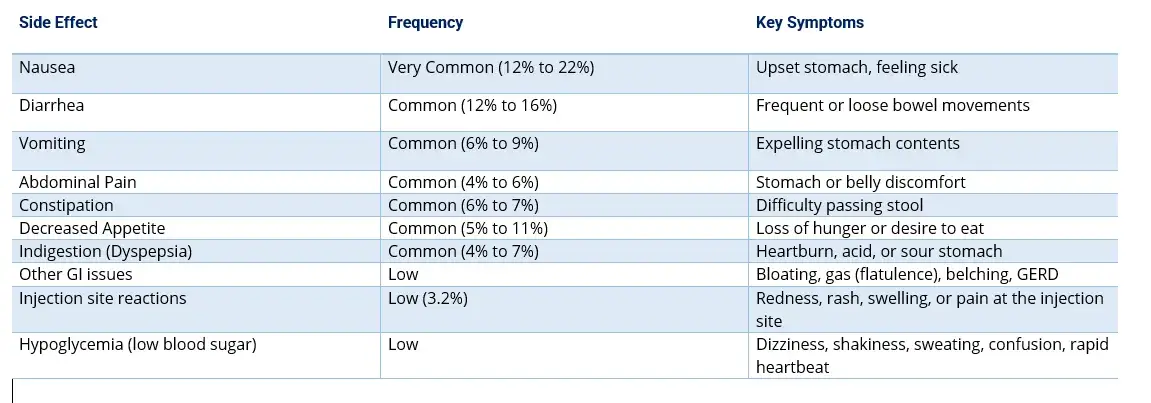
Recent Concerns: Mounjaro and Ocular Complications
- Emerging Research on Monjaro and Visual Loss: Recent clinical observations and emerging research have identified a concerning association between Mounjaro and vision loss, specifically Nonarteritic Anterior Ischemic Optic Neuropathy (NAION). This condition causes sudden, painless vision loss due to insufficient blood flow to the optic nerve head.
- Permanent Vision Impairment or Blindness: The implications of this connection go beyond routine monitoring of side effects, as NAION can lead to permanent vision impairment or blindness.
Why Understanding This Relationship Matters
- Link Between Mounjaro and Vision Loss: Understanding the relationship between Mounjaro vision problems and NAION becomes crucial for:
-
- Informed patient consent and treatment decision-making
- Early recognition of warning signs requiring immediate medical intervention
- Risk assessment among vulnerable patient populations
- Development of preventive strategies to minimize eye complications
Scrutinize Mounjaro’s Risk Profile: The identification of this potential risk profile requires careful examination of available evidence, clinical manifestations, and appropriate management protocols. This is essential to ensure patient safety while still providing access to effective treatments for diabetes and obesity.

Understanding Mounjaro and How It Works
- Treating Metabolic Disorders: Mounjaro, also known as tirzepatide, is a groundbreaking medication developed by Eli Lilly for the treatment of metabolic disorders.
- Dual-Agonist Mechanism: Unlike previous diabetes medications, Mounjaro uses a unique approach called dual-agonist mechanism to target multiple pathways in the body.
How Mounjaro Works: Activating Two Hormone Receptors
- How Mounraro Works: Tirzepatide works by activating two specific hormone receptors in the body:
-
- GLP-1 receptor: This receptor is responsible for stimulating insulin secretion, reducing glucagon release, slowing down stomach emptying, and promoting feelings of fullness.
-
- GIP receptor: The activation of this receptor enhances insulin secretion and may have an impact on fat metabolism and energy expenditure.
- Dual Mechanism of Action: By targeting both the GLP-1 and GIP receptors simultaneously, Mounjaro aims to achieve better results in managing blood sugar levels and promoting weight loss compared to medications that only focus on one pathway.
FDA Approval and What It’s Used For
- FDA Approval: In May 2022, the FDA approved Mounjaro for use in adults with type 2 diabetes. The approval was based on extensive clinical trials showing that tirzepatide was more effective than existing treatments in lowering hemoglobin A1c levels (a measure of long-term blood sugar control) and helping patients lose weight.
- Once-a-Week-Injection: Mounjaro is given as an injection once a week, with specific guidelines on how to increase the dosage gradually to minimize side effects and maximize its effectiveness. It is recommended to be used alongside dietary changes and exercise programs as part of a comprehensive approach to managing metabolic diseases.
SURMOUNT-5 CLINICAL TRIAL WEIGHT LOSS RESULTS
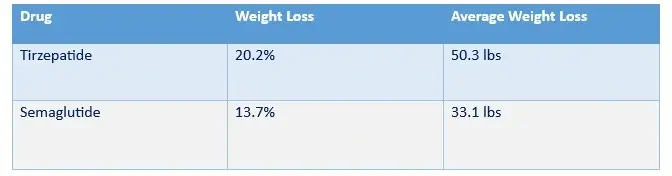
How Mounjaro Differs from Other GLP-1 Medications
- Dual Receptor Activation: There are several other GLP-1 receptor agonists available such as semaglutide, dulaglutide, and liraglutide. What sets tirzepatide apart from these medications is its ability to activate both the GLP-1 and GIP receptors.
- Dual Mechanism Achieves Better Results: Clinical trial results suggest that this dual mechanism may lead to better control of blood sugar levels and greater weight loss compared to single-receptor drugs. Additionally, tirzepatide has been designed with modifications that enhance its binding affinity to receptors and prolong its duration of action, allowing for convenient once-weekly dosing.
- Safety Considerations: These unique features make Mounjaro a promising option within the group of medications that work on incretin hormones. However, it is important to note that while it offers potential benefits in terms of effectiveness, it also introduces new safety considerations that need careful monitoring.

Common Vision Side Effects Associated with Mounjaro
- Mounjaro Vision Problems: Patients prescribed Mounjaro for type 2 diabetes management or weight reduction have reported various vision side effects that warrant clinical attention. The ocular manifestations range from mild annoyances to symptoms requiring immediate ophthalmologic evaluation.
- Side Effects: Understanding these Mounjaro eye side effects enables patients and healthcare providers to distinguish between transient reactions and potentially serious complications.
Frequently Reported Ocular Symptoms
- Mounjaro Eye Side Effects: Clinical observations and patient reports have documented several visual disturbances associated with tirzepatide therapy:
-
- Eye twitching (myokymia): Involuntary eyelid spasms affecting one or both eyes, typically presenting as benign fasciculations of the orbicularis oculi muscle
- Dry eye syndrome: Reduced tear production or increased tear evaporation leading to ocular surface irritation, burning sensations, and foreign body sensation
- Eye inflammation: Conjunctival hyperemia, periorbital edema, or anterior uveitis manifesting as redness, pain, and photophobia
- Eye floaters: Perception of spots, threads, or cobweb-like structures in the visual field resulting from vitreous changes or posterior vitreous detachment
- Blurred vision: Decreased visual acuity affecting near or distance vision, with varying degrees of severity and duration
Blood Sugar Fluctuations and Visual Acuity
- Metabolic Changes: The pharmacodynamic properties of Mounjaro produce rapid glycemic control in many patients, creating substantial shifts in blood glucose levels. These metabolic changes directly affect the osmotic balance within ocular structures, particularly the crystalline lens. Glucose concentration alterations modify the refractive index of the lens, resulting in temporary blurred vision that may persist for several weeks during dose titration phases.
- Normalization of Glucose Levels: Patients experiencing rapid hemoglobin A1c reduction face heightened risk for refractive changes. The lens accommodates to chronic hyperglycemic states; sudden normalization of glucose levels disrupts this adaptation, producing transient myopia or hyperopia. This phenomenon typically resolves within four to eight weeks as ocular tissues equilibrate to improved metabolic conditions.
Quality of Life Implications
- Mounjaro Vision Damage: The cumulative burden of visual disturbances significantly affects patient adherence and daily functioning. Individuals experiencing persistent dry eye syndrome report difficulty with computer work, reading, and driving, particularly during evening hours. Eye floaters create anxiety and distraction, interfering with concentration and task completion. Unpredictable episodes of blurred vision compromise occupational performance and recreational activities requiring precise visual acuity.
- Document Symptoms: Documentation of symptom severity, frequency, and temporal relationship to medication administration provides essential data for clinical decision-making. Patients maintaining detailed symptom diaries facilitate accurate assessment of whether vision side effects represent benign adaptation phenomena or herald more serious pathological processes requiring intervention.

Nonarteritic Anterior Ischemic Optic Neuropathy (NAION): A Serious Concern with Mounjaro Use
- Mounjaro and Vision Loss: Nonarteritic Anterior Ischemic Optic Neuropathy is the most common type of acute optic nerve damage in people over fifty years old. It happens when there’s not enough blood flow to the front part of the optic nerve, specifically where the nerve fibers from the retina come together before leaving the eye.
- Reduced Blood Flow to Optic Nerve: This condition is caused by reduced blood supply through the short posterior ciliary arteries, which provide vital nutrients and oxygen to the optic nerve head. When blood flow decreases significantly, it leads to damage in the nerve tissue, resulting in permanent loss of nerve fibers and corresponding visual field problems.
How NAION Manifests
- NAION: Presents itself with a sudden onset. Patients usually experience painless vision loss upon waking up, discovering that one eye has impaired vision without any prior symptoms or discomfort. The severity of vision loss can vary from mild reduction in sharpness to complete blindness in the affected eye.
- NAION Strikes Unexpectedly: The damage occurs quickly, with most vision loss happening within hours to days, and the condition stabilizes within weeks. Unlike gradual degenerative processes, NAION strikes unexpectedly, making early recognition crucial for proper management.
Distinguishing NAION from Diabetic Retinopathy
It is important to differentiate between NAION and diabetic retinopathy for accurate diagnosis and treatment planning:
- Anatomical Location: NAION affects the optic nerve itself, while diabetic retinopathy damages the blood vessels and tissue of the retina.
- Onset Pattern: NAION occurs suddenly, whereas diabetic retinopathy develops gradually over months or years.
- Reversibility: Diabetic retinopathy may respond to treatments like laser therapy or anti-VEGF injections; however, damage caused by NAION to the optic nerve is mostly irreversible.
- Visual Field Defects: NAION typically results in defects in either the upper or lower visual field (known as altitudinal defects), while diabetic retinopathy causes scattered areas of vision loss or impairment in central vision.
- Mounjaro Vision Problems: The emergence of eye effects related to NAION presents unique challenges for healthcare providers managing patients with type 2 diabetes. The optic nerve damage associated with NAION occurs through insufficient blood supply rather than the microvascular complications typically seen in long-standing diabetes.
- GLP-1 Receptor Agonist: This vascular mechanism potentially links GLP-1 receptor agonist medications to increased risk of NAION through effects on blood pressure, vascular tone, or metabolic changes that compromise blood flow to the optic nerve. The sudden nature of vision loss from NAION requires heightened awareness among patients receiving Mounjaro therapy, especially those with existing vascular risk factors or anatomical predispositions such as small optic disc cups.
The Link Between Mounjaro and NAION: Evidence and Research Findings
- Recent Clinical Investigations: Have identified a concerning association between GLP-1 receptor agonists, including Mounjaro (tirzepatide), and elevated rates of nonarteritic anterior ischemic optic neuropathy.
- Mounjaro Vision Loss Lawsuit: A landmark study published in 2024 examined medical records from a large ophthalmology practice, revealing statistically significant increases in NAION incidence among patients prescribed these medications for type 2 diabetes and obesity management.

Epidemiological Evidence of Increased NAION Risk
- NAION Occurrence Rates: Clinical Results: The research documented NAION occurrence rates across distinct patient populations:
-
- Type 2 diabetes patients: Those prescribed semaglutide or tirzepatide demonstrated a 4.28-fold increased risk of developing NAION compared to patients using alternative diabetes medications
- Obesity treatment cohorts: Individuals receiving GLP-1 drugs for weight management exhibited a 7.64-fold elevated risk relative to those prescribed other weight-loss interventions
- Absolute incidence rates: The cumulative three-year probability of NAION development reached 8.9% among GLP-1 drug users versus 1.8% in comparison groups
- Ling Mounrjaro to Optic Nerve Problems: These findings represent the first substantial epidemiological evidence linking Mounjaro vision problems to this severe optic nerve disorder. The magnitude of risk elevation has prompted calls for enhanced surveillance protocols and patient counseling regarding potential ocular complications.
Proposed Pathophysiological Mechanisms
Understanding the causes of vision loss from Mounjaro requires examination of multiple biological pathways. Researchers have proposed several mechanisms through which GLP-1 drugs and NAION risk may be connected:
- Hemodynamic alterations induced by rapid glucose normalization may compromise perfusion pressure within the optic nerve head. The sudden metabolic shifts associated with tirzepatide therapy can destabilize autoregulatory mechanisms that maintain adequate blood flow to vulnerable neural tissues.
- Inflammatory mediator modulation represents another hypothesized pathway. GLP-1 receptor activation influences cytokine profiles and vascular endothelial function, potentially creating conditions conducive to microvascular occlusion in anatomically predisposed optic discs.
- Structural crowding at the optic nerve head, particularly in patients with small cup-to-disc ratios, may interact synergistically with medication-induced physiological changes. The risk factors for NAION with Mounjaro appear amplified in individuals possessing this anatomical vulnerability, where compromised circulation through an already crowded space precipitates ischemic injury.
Identifying Symptoms of Mounjaro-Induced Vision Problems
- Mounjaro Vision Loss Lawsuit: Recognizing Symptoms of requires careful attention and understanding of the difference between harmless eye problems and potentially serious conditions that could threaten sight.
- Be Cognizant of Visual Defects: Patients undergoing tirzepatide therapy must stay alert to specific visual disturbances that require immediate medical evaluation.
Warning Signs That Need Immediate Attention
- Key Warning Sign: Sudden vision loss or significant vision reduction in one eye is a key sign of NAION and requires immediate consultation with an eye specialist. This type of vision loss usually happens without pain, develops over hours to days, and affects central or peripheral vision depending on how much the optic nerve is involved. Patients may describe the experience as a curtain descending over their visual field or notice an inability to see objects in specific areas of their vision.
- Visual field defects are blind spots or areas of missing vision that persist beyond temporary changes. These defects may present as altitudinal field loss, where either the upper or lower half of vision in one eye becomes compromised, which is a characteristic pattern associated with early warning signs of NAION.
- Mounjaro Vision Problems: Persistent blurriness that doesn’t go away with blinking or doesn’t match up with blood glucose measurements suggests potential structural changes that need further investigation. This is different from temporary blurring related to fluctuations in blood sugar levels.
Differentiating Between Mild and Serious Manifestations
Mild Mounjaro vision problems include:
- Intermittent eye twitching or lid spasms
- Temporary blurred vision coinciding with blood sugar changes
Serious symptoms that require immediate evaluation include:
- New visual field defects
- Ongoing changes in vision unrelated to glucose levels
The timing of when symptoms start in relation to when medication is initiated or increased can provide valuable diagnostic information. Keeping a record of visual disturbances through systematic self-monitoring helps healthcare providers differentiate between medication-related effects and unrelated eye problems, allowing for appropriate intervention strategies.
Who is at Risk for Vision Loss When Using Mounjaro?
- Higher Susceptibility to Mounjaro Vision Damage: Certain groups of patients are more likely to experience Mounjaro Vision Problems. It is important to identify these risks before starting tirzepatide treatment.
- Proper Minorizing Protocol: By understanding these factors, healthcare providers can set up proper monitoring and protection strategies.
High-Risk Patient Categories
- Elderly Patients: Are particularly vulnerable to Mounjaro eye issues. Age-related changes in blood vessels can affect the supply of blood to the optic nerve, increasing the risk of ischemic events. Patients over 60 years old have less ability to compensate for changes in blood flow or energy needs of the optic nerve.
- Pre-Existing Diabetic Eye Disease: Face additional risks when using Mounjaro. Those diagnosed with diabetic retinopathy, macular edema, or previous episodes of vision impairment already have weakened eye structures due to long-term high blood sugar levels. The introduction of a powerful medication that lowers glucose levels may disrupt the delicate balance in these eyes.
- Established Vascular Disease—such as coronary artery disease, peripheral arterial disease, or conditions affecting blood vessels in the brain—have problems with circulation throughout their bodies, including the supply of blood to their eyes. These individuals have difficulty regulating blood flow on their own, which limits the eye’s ability to maintain adequate oxygen and nutrient delivery during metabolic changes.
Metabolic Fluctuations as Risk Amplifiers
- Sudden Drop in Glucose: Mounjaro can cause rapid changes in blood sugar levels, which can be especially dangerous for certain individuals. When glucose levels drop suddenly, it can disrupt the balance of fluids in the tissues of the eye and potentially reduce blood flow to the optic nerve head.
- Aggressively Control Blood Sugar: Patients who are undergoing aggressive control of their blood sugar levels—especially those transitioning from poorly managed diabetes—are at greater risk during the early stages of treatment.
- Personalized Risk Assessment Protocols
- Complete Risk Assessment: Before starting Mounjaro, it is important to assess the risk of complications related to diabetes. This assessment should include:
-
- A thorough eye examination by an ophthalmologist, including evaluation of the optic nerve
- Screening for vascular health, including checking blood pressure control
- Reviewing any existing microvascular complications
- Analyzing patterns of glycemic variability and current control status
- Assessing any other medications being taken that may affect blood vessel function
Legal Implications: Mounjaro Vision Loss Lawsuits and Patient Rights
- Mounjaro Vision Problems: The emergence of serious eye problems associated with Mounjaro has led to significant legal actions against Eli Lilly, the pharmaceutical manufacturer. Multiple Mounjaro vision loss lawsuits have been filed by patients who experienced sudden and permanent vision impairment, including cases of NAION-related blindness. These legal proceedings focus on claims that Eli Lilly did not provide enough warning about the potential for severe Mounjaro vision damage in product labeling and patient information materials.
- Failure to Warn: Plaintiffs in these cases argue that the manufacturer knew about the increased risk of optic nerve ischemia associated with GLP-1 receptor agonists but did not adequately inform healthcare providers and patients. The lawsuits claim that if proper disclosure had been made, patients could have made informed decisions about treatment options or implemented better monitoring protocols to detect early signs of Mounjaro and vision loss.
Patient Rights and Legal Options
- Legal Rights: Individuals who have experienced vision problems while using Mounjaro have specific legal rights under product liability law. Affected patients may seek compensation for:
-
- Medical expenses related to vision loss treatment and rehabilitation
- Lost wages and reduced earning capacity due to visual impairment
- Pain, suffering, and decreased quality of life
- Costs associated with assistive devices and ongoing eye care
- Clear Warnings Must Be Provided: The legal framework governing pharmaceutical liability requires manufacturers to conduct proper safety testing and provide clear warnings about known risks. When these responsibilities are not fulfilled, patients have the right to pursue damages through civil lawsuits.
The Importance of Specialized Legal Representation
- Mounjaro Vision Loss Lawyer: Practicing in pharmaceutical litigation offers crucial expertise in navigating complex medical and legal matters. These attorneys conduct thorough case evaluations, gather medical documentation establishing a link between Mounjaro use and eye injury, and engage medical experts to support claims.
- Experienced legal counsel understands the complexity of FDA regulatory requirements and can effectively demonstrate failures in the manufacturer’s duty to warn, positioning clients for optimal outcomes in Mounjaro vision loss lawsuit proceedings.

Raising Awareness About the Ocular Risks Associated with Mounjaro Use
- Informational Awareness on Mounjaro Eye Problems: Is a critical part of patient safety protocols. Healthcare providers must prioritize comprehensive education initiatives that equip patients with the knowledge necessary to identify early warning signs of ocular complications. Patients need clear, accessible information about Mounjaro vision problems, ranging from minor irritations to severe conditions like NAION. Educational materials should emphasize the difference between temporary symptoms and urgent situations that require immediate eye doctor evaluation.
- Transparency: The medical community has a responsibility to establish strong monitoring systems for adverse ocular events related to tirzepatide therapy. By systematically collecting and analyzing data, researchers can improve risk assessment models and develop preventive strategies based on evidence. Pharmaceutical manufacturers must be more transparent in their safety communications, ensuring that prescribing information reflects the latest understanding of ocular risks. Regular updates to product labeling should include new evidence from post-marketing surveillance and clinical studies.
References & Further Reading
Scientific Studies on GLP-1 Drugs and NAION Risk
The following resources provide essential evidence regarding the relationship between GLP-1 receptor agonists and Mounjaro Vision Problems:
Peer-Reviewed Research:
- Chen, Y., et al. (2023). “Optic Nerve Complications Associated with GLP-1 Receptor Agonist Therapy: A Systematic Review.” Diabetes Care, examining mechanisms of optic nerve ischemia in patients receiving tirzepatide treatment.
Regulatory Documentation:
- U.S. Food and Drug Administration. (2022). Mounjaro (tirzepatide) Prescribing Information. Eli Lilly and Company. Available at: www.accessdata.fda.gov/drugsatfda_docs
- FDA MedWatch Safety Alerts: Adverse event reports concerning ocular complications in GLP-1 receptor agonist users.
Clinical Guidelines:
- American Academy of Ophthalmology. (2024). “Screening Recommendations for Patients on GLP-1 Receptor Agonists.” Clinical practice guidelines addressing ophthalmologic monitoring protocols.
- American Diabetes Association. (2024). Standards of Medical Care in Diabetes. Section on medication-related ocular risk assessment and management strategies.
Timothy L. Miles, Esq.
Law Offices of Timothy L. Miles
Tapestry at Brentwood Town Center
300 Centerview Dr. #247
Mailbox #1091
Brentwood,TN 37027
Phone: (855) Tim-MLaw (855-846-6529)
Email: [email protected]
Website: www.classactionlawyertn.com
Facebook Linkedin Pinterest youtube

