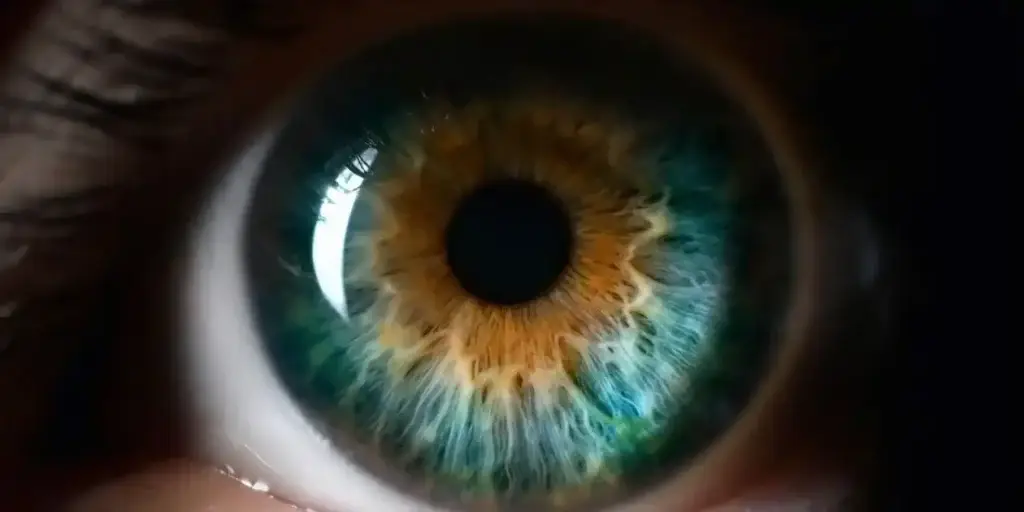
Information of Mounjaro Vision Loss Lawsuit
- Mounjaro Vision Loss Lawsuit: People affected are suing Eli Lilly and Company, saying the company did not properly warn them about the risk of eye problems linked to Mounjaro.
- Mounjaro: This is a new medicine for type 2 diabetes. It us an injection that contains tirzepatide, which works by boosting insulin, lowering glucagon, and slowing stomach emptying. This helps control blood sugar better in people with type 2 diabetes.
- Mounjaro Vision Side Effects: Recent studies have found serious eye-related side effects from using Mounjaro. The biggest concern is NAION (Nonarteritic Anterior Ischemic Optic Neuropathy), which causes sudden, painless vision loss in one eye because of reduced blood flow to the optic nerve. This damage cannot be reversed and raises safety worries about Mounjaro’s effect on eyesight beyond usual diabetic issues.
- Legal Actions: Starting in 2025, lawsuits called Mounjaro Vision Loss Lawsuit have been filed against Eli Lilly. These say the company did not warn patients enough about serious eye risks, leaving them unaware of the chance of permanent vision loss.
- A Guide for Consumers: This guide explains the medical evidence linking Mounjaro to vision problems, details about the ongoing litigation landscape, and useful info for those seeking help from a Mounjaro vision loss lawyer. Reading it will help you understand the risks, legal options, and steps to protect yourself if you have been prescribed this type 2 diabetes medicine.

Understanding Vision Side Effects Linked to Mounjaro
- Mounjaro Eye Issues: People using Mounjaro for type 2 diabetes have reported various vision side effects that need close watch and care.
- Warning Signs: These eye problems can range from slight discomfort to more serious symptoms that might show deeper changes in the body.
Common Vision Side Effects of Mounjaro
Here are some common vision side effects reported with Mounjaro:
- Blurred vision: Trouble focusing on things at different distances, which can affect reading and driving.
- Dry eyes: Not enough tears, causing a gritty or burning feeling in the eyes.
- Eye inflammation: Redness and swelling in the eye.
- Eye twitching: Uncontrolled blinking or spasms of the eyelid, which may be a sign of nerve or health issues if it lasts long.
- Eye floaters: Small spots or strands that seem to float across your vision due to changes inside the eye.
Connection Between Blood Sugar Levels and Vision Problems
- Watching Blood Sugar: It’s important to notice how changes in blood sugar levels can affect your vision. Quick shifts in glucose can upset the balance in eye tissues, especially the lens.
- Mounjaro and Vision Issues: These changes cause the lens to swell or shrink, which affects how light passes through and can lead to blurry or distorted vision.
- Mounjaro Vision Side Effects: Knowing how blood sugar control impacts vision is key for those using Mounjaro. Managing diabetes well with lifestyle changes and medication can help reduce these vision problems and keep your eyes healthy during treatment.
 The Connection Between GLP-1 Receptor Agonists Like Mounjaro and NAION Risk
Medical Studies
Recent research has found a concerning link between GLP-1 receptor agonists, like tirzepatide (Mounjaro), and the NAION.
Important Research
A study published in JAMA Ophthalmology in July 2024 reviewed medical records of over 16,000 patients and found a significant rise in NAION cases among those taking these drugs.
Main Findings from the Study
The study showed important points about the connection between GLP-1 receptor agonists and NAION:
- Patients using semaglutide for type 2 diabetes had more than four times the risk of developing this serious eye condition compared to those on other diabetes treatments.
- People prescribed the drug for weight loss had over seven times the risk.
Understanding NAION
- NAION occurs when the blood flow to the optic nerve is decreased, leading to sudden, painless vision loss in one eye. It typically begins unexpectedly and may result in permanent vision issues.
Ongoing Research into How It Works
- How It Works: Scientists are studying how this link happens. They think GLP-1 receptor agonists might change blood flow in a way that makes some people more likely to have optic nerve problems. Researchers are also looking into genetic factors and testing markers in the body to see why people react differently.
- More Research on Mounjaro Eye Issues: More studies are needed to fully understand the exact biological processes involved.

NAION Risk Factors in Mounjaro Users
Some patients have a higher chance of developing NAION when using Mounjaro or similar GLP-1 drugs:
- People with Existing Blood Vessel Problems: This includes those with high blood pressure, heart disease, or poor blood flow in the limbs.
- Eye Structure Issues: People with a “crowded optic disc,” meaning a smaller than usual optic nerve area, may be more at risk because it limits blood flow.
- Metabolic and Health Conditions: Those with poorly controlled diabetes, high cholesterol, or sleep apnea (which affects blood pressure during sleep) are also at higher risk.
- Age Factors: Adults over 50 have a naturally higher risk of NAION. This age group is the main group using GLP-1 medicines for diabetes and weight loss.
Complex Causes of Vision Loss in Mounjaro Users
Mounjaro Vision Side Effects: Vision loss linked to Mounjaro is not caused by the drug alone. It happens due to a mix of changes in blood vessels from the medication and personal health factors.
Risk Profile: Because of these complex risks, doctors need to do detailed check-ups before starting treatment. They should review the patient’s full medical history and perform eye exams to spot any risk factors before prescribing tirzepatide or similar drugs.
Checking the Vision Loss Risks of Mounjaro for Patients
Before starting Mounjaro treatment, doctors need to review each patient’s health carefully to spot any possible risks. This check is important because some existing health issues can raise the chance of vision problems during treatment.
Identifying High-Risk Conditions
The evaluation should focus on finding people with these conditions:
- Heart disease: Any past heart or blood vessel problems.
- High blood pressure: Consistently high blood pressure.
- High cholesterol or fats in the blood: Raised levels of lipids in the bloodstream.
- Existing optic nerve problems: Any current issues with the optic nerve.
These conditions increase the risk of eye damage, including concerns related to Mounjaro vision loss lawsuits. Healthcare providers need to know about these risks when considering Mounjaro treatment, as they might cause eye problems from Mounjaro, which could lead patients to look into legal options for vision loss.

Understanding Diabetic Retinopathy Complications
Serious Eye Problems with Mounjaro: People with diabetes thinking about Mounjaro should know it can affect diabetic retinopathy, an eye disease that harms the blood vessels in the retina.
Vision May Get Worse: Mounjaro works by activating certain body receptors, which might make existing blood vessel problems worse and harm the eyes further.
Care Needed for Advanced Eye Disease: Those with severe diabetic retinopathy or swelling in the retina need close check-ups during treatment because their damaged blood vessels are more likely to have reduced blood flow.
Recognizing Reduced Optic Nerve Blood Flow
- Optic Nerve Impact: It’s important to understand how Mounjaro therapy might affect the optic nerve, which carries visual signals from the eye to the brain.
- Existing Health Issues: The optic nerve needs a constant supply of oxygen-rich blood through small arteries called arterioles. Health problems that affect these vessels can disrupt this balance and cause vision loss over time.
- Low Blood Flow Risks: People with conditions like hardening of the arteries, sleep apnea (breathing interruptions during sleep), or low blood pressure at night may have reduced blood flow to their optic nerves.
- Oxygen Shortage: If Mounjaro causes changes like increased fat breakdown or shifts in insulin levels, it might worsen these blood flow problems and lead to times when the optic nerve doesn’t get enough oxygen.

Considering Systemic Microvascular Disease
- Mounjaro Vision Side Effects: Diabetes affects small blood vessels not just in the eyes but throughout the body.
- Nephropathy: Conditions like kidney damage (nephropathy) or nerve damage (neuropathy) show that small blood vessel problems are happening in many organs, including those that supply nutrients to the eyes.
- Baseline Establishment: Before prescribing Mounjaro, doctors should check for these signs since they indicate patients who may need extra care because of their blood vessel issues.
Legal Update: Increase in Mounjaro Vision Loss Lawsuits Against Eli Lilly
- Mounjaro vision loss lawsuit against Eli Lilly: Marks an important step in drug-related lawsuits, with patients seeking responsibility for the company’s alleged failure to properly warn about serious eye problems.
- Legal Coordination: By 2025, the legal process for these cases has become more complex, involving multiple courts and organized efforts to handle the growing number of claims.
Current Litigation Structure
- MDL Coordination: To handle the growing number of claims, the court system created multidistrict litigation (MDL). This process combines pretrial steps for cases with similar facts to:
-
- Make sure rulings on pretrial issues are consistent
-
- Lessen the workload on individual courts dealing with similar cases
- Multicounty Litigation: Alongside federal MDL, some states have set up multicounty litigation to handle cases within their borders. These state-level efforts aim to improve efficiency like federal MDL but focus on claims under state product liability and consumer protection laws.
Main Legal Claims
- Mounjaro Vision Loss Lawsuit: Plaintiffs say Eli Lilly knew or should have known about the link between tirzepatide and serious eye problems, especially NAION.
- The claims focus on several key issues:
-
- Insufficient Warnings: The company is accused of not giving enough information to doctors and patients about the risk of sudden, permanent vision loss. The current label warnings are said to downplay how serious and common these Mounjaro Vision Problem are.
-
- Proof of Cause: Legal documents highlight the timing between using Mounjaro and developing Mounjaro Eye Problems, backed by medical records showing eye problems starting after treatment began. Plaintiffs show their vision damage happened while they were still on the drug.
-
- Permanent Injury Claims: NAION usually causes lasting damage to the optic nerve, unlike temporary vision problems that might improve if treatment changes. This permanent harm greatly affects people’s quality of life and daily functioning.
-
- Litigation Onslaught: More plaintiffs are joining these cases, and courts are setting up ways to handle the scientific evidence needed to prove responsibility in the Mounjaro vision loss lawsuit.

Understanding a Possible Mounjaro Vision Loss Lawsuit: A Patient’s Guide
- Mounjaro Eye Issues: Patients who have vision problems while using Mounjaro should act quickly to protect their health and legal rights.
- Proof: Handling a Mounjaro vision loss lawsuit requires careful record-keeping and skilled legal help to gather the evidence needed for a strong case.
Immediate Medical and Documentation Actions
Eye Check-Up: If patients notice any changes in their vision while using Mounjaro, they should see an eye specialist right away. This check-up helps both to identify possible Mounjaro-related eye issues and to create medical records that link the medication use with the start of symptoms.
- Important steps to document include:
-
- Complete eye exam by a qualified eye doctor who can diagnose problems like NAION
-
- Keeping a detailed symptom diary noting the date, time, and type of any vision changes such as sudden vision loss, blurriness, or loss of parts of the visual field
-
- Recording medication details including when Mounjaro was prescribed, dosage, schedule, and how long it has been taken
-
- Saving all medical records related to diabetes care, heart health, and past eye exams
-
- Taking photos or writing descriptions of any visible eye changes or other physical symptoms
Get Full Documentation: Patients should ask for copies of all test results like OCT scans, visual field tests, and fundus photos. These medical records provide clear proof of eye problems that match the timing of Mounjaro use.

Scientific Studies Linking GLP-1 Drugs to NAION Risk
- Mounjaro Vision Side Effects: Research on GLP-1 drugs and NAION risk has become an important part of the Mounjaro Vision Loss Lawsuit, offering clear evidence that helps both doctors and legal experts.
- Patient Concern: Medical understanding of these risks comes from thorough studies that have found worrying trends in patients using these drugs.
JAMA Study
A July 2024 study in JAMA Ophthalmology looked at data from over 16,800 patients and found a strong link between GLP-1 receptor agonist use and NAION. It showed that people with type 2 diabetes taking these drugs had more than four times the risk of developing NAION compared to those on other diabetes treatments. For those using the drugs to manage weight, the risk was over seven times higher.
Study Details
- Connection Confirmed: Researchers reviewed six years of electronic health records to track when patients started the medication and when NAION was diagnosed. They accounted for factors like age, body weight, high blood pressure, and existing diabetic eye problems, which helped confirm a connection between tirzepatide use and optic nerve damage.
- Scientific articles have explained how GLP-1 agonists might cause NAION by:
-
- Altering blood vessels that supply the optic disc
-
- Causing rapid blood sugar changes that affect small blood vessels in the retina
Lack of Warning
- Critical Studies: These studies are important in lawsuits because medical experts use them to prove a cause-and-effect relationship.
- Failure to Warn: The research shows that Eli Lilly had enough scientific information to provide stronger warnings about NAION risks with Mounjaro but failed to do so, supporting claims that doctors and patients were not properly informed.
Preventive Steps and Patient Awareness About Eye Issues from Mounjaro Use
- Mounjaro Eye Problems: To spot eye problems caused by Mounjaro, patients need clear information and regular check-ups. Healthcare providers should set up thorough screening before starting treatment with tirzepatide-based drugs.
- Mounjaro Vision Loss Lawsuit Landscape: Highlights the need for clear consent forms that specifically explain possible eye-related side effects.
Patient Education and Warning Signs
Patients taking Mounjaro should be clearly informed about warning signs that need urgent medical attention:
- Sudden loss of vision in one or both eyes, especially upon waking
- Ongoing blurry vision that doesn’t improve after blood sugar levels are controlled
- Loss of parts of the visual field, such as blind spots or reduced side vision
- Eye pain or discomfort with changes in how well you see
- Changes in color vision or trouble telling colors apart
- Seeing floaters or flashing lights, which could mean problems with the retina
Baseline Assessments and Documentation
- Set a Starting Point: Healthcare providers should perform eye exams before giving GLP-1 receptor agonists to patients with existing risk factors. These exams help track any changes during treatment.
- Keep Good Records: Documenting the health of the optic nerve, eye pressure, and detailed eye exams creates important medical records for both care and legal reasons.
Discussion of Risks and Written Materials
- Prescription: When prescribing, clearly talk about the risk of NAION, especially for patients with heart disease, high blood pressure, sleep apnea, or past vision problems.
- Documents to Confirm: Providing written materials along with verbal advice helps patients keep important safety information during their treatment.
Follow-Up Appointments and Staying Informed
- Follow-Up Appointments:
-
- These should include specific questions about any vision changes, with clear steps to quickly refer patients to an eye specialist if serious symptoms appear.
- Proving a Breach of Care:
-
- Doctors must keep up with the latest safety information from medical journals and drug companies. This helps prevent vision loss and supports strong medical practices in cases related to Mounjaro Vision Loss Lawsuits.
- When Care Falls Short:
-
- To show a breach in care in a Mounjaro Vision Loss Lawsuit, it must be proven that the doctor did not stay updated on important safety warnings from trusted sources about the medication’s risks.
-
- By focusing on this careful approach, lawyers can show that proper care was not given and highlight that many Mounjaro Vision Problems could have been avoided.
- A Complete Approach
-
- This method strengthens the case by showing the doctor’s negligence. It’s also important to collect reports from other patients with similar Mounjaro Vision Problems, which helps prove a pattern and the need for accountability.
Showing Negligence:
- To prove negligence, it must be shown that the doctor failed to monitor or address new risks linked to Mounjaro.
- Experts like eye doctors or drug specialists can explain why staying informed is crucial and how ignoring this can cause harm.
Pharmaceutical Company Responsibility:
- Besides doctors, drug makers might also be responsible if they knew about vision risks but did not warn doctors or patients properly. Evidence like internal documents can support this claim.
Seeking Compensation:
- Mounjaro Vision Side Effects: Lawyers should stress how Mounjaro Vision Problems affect patients’ lives physically, emotionally, and financially.
- Compensation: Can cover medical bills, ongoing care, lost income, pain, and suffering to help those harmed.
The Importance of Evidence:
- Collecting strong evidence is key to winning cases for vision loss. This thorough approach helps prove doctor negligence clearly.
Mounjaro Eye Issues in Other Patients:
Gathering information about other patients with similar problems strengthens the case by showing a pattern of neglect and the need for responsibility.

Compensation and Public Awareness
- Compensation for Emotional Distress: If patients have experienced serious emotional pain due to vision loss, they might be able to seek compensation for this harm. Mental health experts can provide testimony to show how such experiences affect a person’s long-term well-being.
- Public Awareness: Raising public awareness about Mounjaro Vision Problems can help prevent others from suffering similar harm. By sharing your story, you can inform others and protect future patients from facing the same issues.
- Gathering Evidence: Connecting with support groups, researching online, and collecting stories from affected patients helps build strong evidence that shows how widespread Mounjaro Eye Problems are.
Helping Victims Speak Up and Demand Justice
- Spreading the Word About Mounjaro Eye Issues: This not only supports our case but also informs others about the possible risks of this medication, which could lead to stricter rules or even a recall.
- Taking Legal Steps: With strong evidence, we can think about suing the maker of Mounjaro. This can help victims get compensation and hold the company responsible for their mistakes.
- Working with Support Groups: Besides legal action, teaming up with advocacy groups can make our message louder and draw more attention to the problem. Together, we can aim to protect patients and stop more harm from happening.

FAQ: Mounjaro Vision Loss Lawsuit & Eye Side Effects
What is the Mounjaro Vision Loss Lawsuit about?
People are suing Eli Lilly and Company, claiming Mounjaro (tirzepatide) caused vision problems and that the company failed to properly warn users of these risks. The main concern is the risk of NAION (Nonarteritic Anterior Ischemic Optic Neuropathy), which can cause sudden, irreversible vision loss.
What is Mounjaro?
Mounjaro is a prescription injection for type 2 diabetes. It contains tirzepatide, a GLP-1 receptor agonist that helps control blood sugar by increasing insulin production, lowering glucagon, and slowing stomach emptying.
What eye-related side effects are linked to Mounjaro?
Reported vision side effects include:
- Blurred vision
- Dry eyes
- Eye inflammation (redness/swelling)
- Eye twitching or spasms
- Eye floaters
The most serious reported effect is NAION—sudden, painless loss of vision in one eye due to reduced optic nerve blood flow.
 How does blood sugar affect vision for people using Mounjaro?
Rapid changes in blood sugar can cause lens swelling or shrinking, which leads to blurry or distorted vision. Proper diabetes management (with medication and lifestyle) helps reduce these risks.
What research links Mounjaro Vision Side Effects?
A 2024 JAMA Ophthalmology study found that GLP-1 receptor agonists like tirzepatide increase the risk of NAION. People taking these drugs for diabetes had over four times the risk; those using them for weight loss had over seven times the risk compared to other diabetes medications.
Who is at higher risk for NAION when using Mounjaro?
Risk factors include:
- Pre-existing blood vessel issues (high blood pressure, heart disease, poor circulation)
- Anatomical eye issues (“crowded” optic disc)
- Poorly controlled diabetes, high cholesterol, sleep apnea
- Age over 50
Does Mounjaro make diabetic retinopathy worse?
People with diabetic retinopathy should be cautious: Mounjaro may worsen existing retinal blood vessel problems. Those with advanced eye disease need close monitoring if prescribed this drug.
Should I get an eye exam before starting Mounjaro?
Yes. Baseline eye exams help track any changes during treatment and identify those at higher risk of complications like NAION or worsening retinopathy.
What warning signs should I watch for while taking Mounjaro?
Seek immediate medical attention if you notice:
- Sudden vision loss in one/both eyes
- Persistent blurry vision after controlling blood sugar
- New blind spots or reduced peripheral vision
- Eye pain with visual changes
- Color vision changes or trouble distinguishing colors
- Floaters or flashes of light
What should my doctor do before prescribing Mounjaro?
Doctors should:
- Review your full health history
- Perform a thorough eye exam if you have relevant risk factors
- Discuss possible side effects and provide written information on warning signs
What can I do if I experience vision loss after taking Mounjaro?
- Seek immediate medical care—a delay could worsen outcomes.
- Document your symptoms and all medical visits.
- Contact a lawyer experienced in pharmaceutical lawsuits to discuss your options.
- Consider joining support groups to connect with others affected.
Can I seek compensation for emotional distress in a Mounjaro vision loss lawsuit?
Yes. Compensation may cover medical costs, ongoing care, lost income, pain and suffering—including emotional trauma from permanent Mounjaro eye problems.
How can public awareness help?
Sharing your experience can warn others about potential risks—encouraging more oversight or even regulatory actions regarding GLP-1 drugs like Mounjaro.
