
Understanding Social Media Addiction
- Social Media Addiction Lawsuit: In recent years, there has been a significant uptick in lawsuits filed against social media companies, with plaintiffs alleging that these platforms have knowingly contributed to addictive behavior and its associated harms. The legal landscape is evolving as individuals and advocacy groups push for accountability, arguing that social media companies have a duty of care toward their users. These lawsuits often hinge on the premise that platforms are exploiting psychological vulnerabilities to maximize user engagement at the expense of mental health.
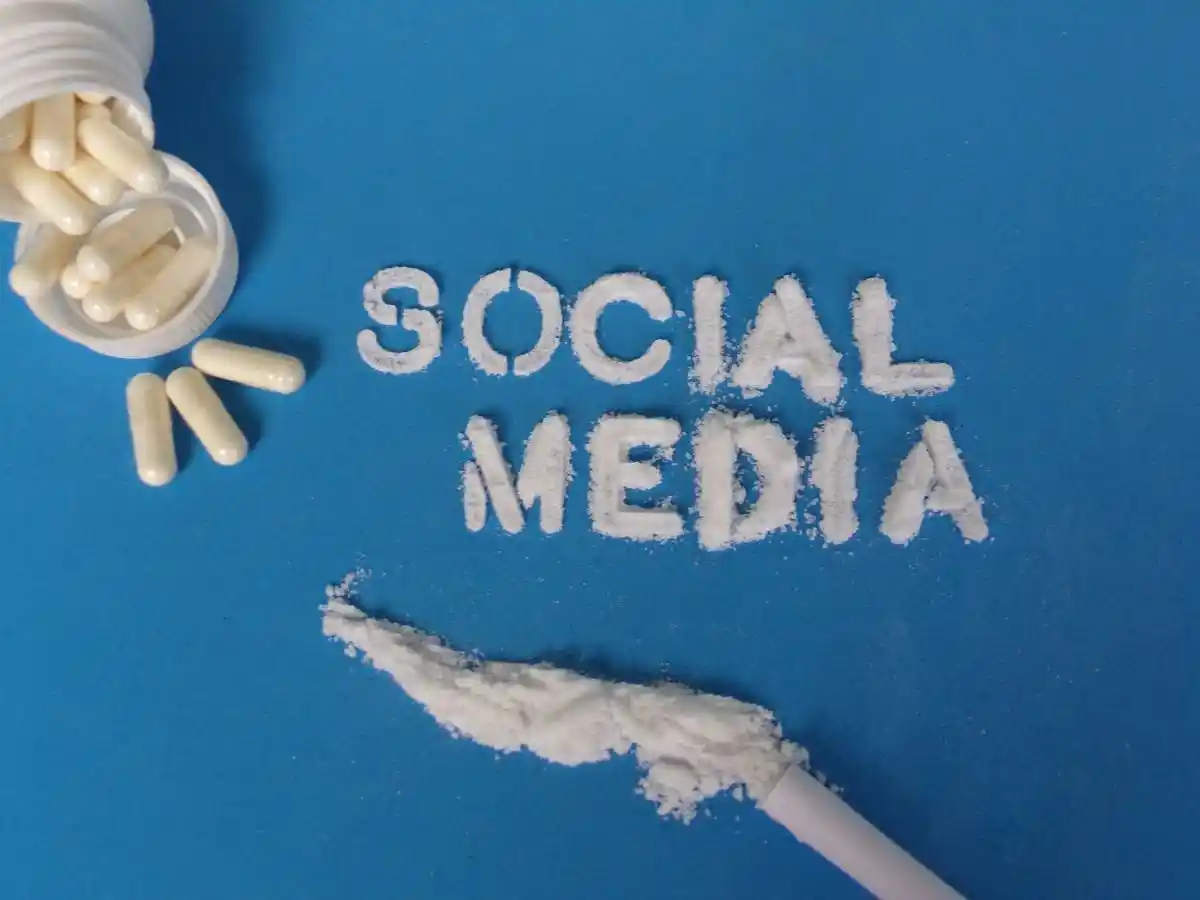
- Social Media Addiction: Is a modern-day phenomenon that has gripped individuals across the globe, subtly infiltrating daily lives and routines. Defined as an excessive or compulsive use of social media platforms, this addiction manifests in various forms, from the incessant checking of notifications to spending inordinate amounts of time scrolling through feeds.
- Compulsive Behavior: While it is not yet officially recognized as a clinical disorder, the behavioral patterns associated with social media addiction mimic those of other well-documented addictions, such as gambling or substance abuse. This compulsive behavior often leads to neglect of personal responsibilities, strained relationships, and a significant impact on mental health.
- Instant Gratification: The allure of social media lies in its seemingly infinite content and the instant gratification it provides. The ‘like’ and ‘share’ buttons are engineered to release dopamine in the brain, fostering a cycle of reward-seeking behavior that can become hard to break. Users often find themselves caught in a loop of constant engagement, driven by the fear of missing out (FOMO) or the need for social validation. Over time, this can lead to increased anxiety, depression, and a decline in real-world social interactions.
The Rise of Social Media Lawsuits
- Legal Challenges: As awareness of social media addiction grows, so does the discourse around its implications. Researchers are diving deeper into understanding how these platforms are designed to captivate users, often prioritizing engagement over well-being. This growing body of evidence is not only shaping public perception but also laying the groundwork for legal challenges against social media companies. Understanding the root causes and the psychological impact of social media addiction is crucial as we navigate the complex landscape of digital interaction and its consequences.
- Rise in Lawsuits: The rise of social media lawsuits is fueled by increasing evidence of the detrimental effects of excessive usage, coupled with revelations about platform algorithms designed to optimize user time spent online. Legal experts are drawing parallels between these cases and past litigation against industries like tobacco and fast food, where companies were held accountable for the negative health impacts of their products. This comparison underscores the gravity of the issue and the potential for significant legal and financial ramifications for social media giants.
- Corporate Accountability: As these cases gain traction, they are setting legal precedents and sparking wider discussions about the ethical responsibilities of technology companies. The outcomes of these lawsuits could lead to stricter regulations and force platforms to implement more robust measures to protect users, particularly vulnerable populations such as minors. The momentum of these legal challenges is a testament to society’s growing insistence on corporate accountability and the protection of mental and emotional well-being in the digital age.
Key Legal Cases Surrounding Social Media Addiction
- Notable Lawsuits: Several landmark cases have emerged in recent years, each shedding light on different aspects of the social media addiction debate. One notable case involved a group of parents suing a major social media company, alleging that the platform’s addictive nature contributed to their children’s declining mental health. The case brought attention to the ways in which these platforms target young users with content designed to maximize engagement, often without adequate parental controls or protections in place.
- Engineered to Be Addictive: Another significant case revolved around an individual who claimed that social media addiction led to the deterioration of their professional and personal life. The plaintiff argued that the platform’s algorithms were engineered to be addictive, causing significant harm and disruption. This case highlighted the blurred lines between personal responsibility and the ethical obligations of tech companies, stirring debate on where accountability truly lies.
- Legal Recourse: These cases and others like them are pivotal in shaping the legal discourse around social media addiction. They highlight the need for clearer regulatory frameworks and more comprehensive user protections. As courts begin to address these issues, the outcomes could have far-reaching implications for how social media platforms operate and interact with their users, potentially altering the landscape of digital communication for years to come.
Who Can File a Social Media Addiction Lawsuit?
- Determining who is eligible for a social media lawsuit depends on several factors, including the extent of the addiction and its impact on the individual’s life. Generally, anyone who used at least one social media platform for more than 3 hours or more a day, is 26 or younger, and have been affected by any of the following mental disorders:
-
- Anorexia
- Bulimia
- Binge-eating disorder
- Purging
- Body dysmorphia
- Eating disorder (other)
- Self-harm or attempt
- Attempted suicide
- Suicide
- Minor Lawsuits: Moreover, parents or guardians can file social media lawsuits on behalf of minors, arguing that social media companies have failed to protect young users from the addictive nature of their platforms. These cases often emphasize the vulnerability of children and adolescents to manipulative design features that encourage prolonged use. Legal advocates stress the importance of safeguarding young users, who may not have the maturity or understanding to navigate these platforms responsibly.
- Gather Evidence: It is crucial for potential plaintiffs to gather substantial evidence supporting their claims, such as documentation of time spent on social media, records of mental health issues linked to usage, and expert testimony on the addictive nature of the platforms. Consulting with legal professionals who practice in technology and consumer protection law can provide valuable guidance in navigating the complexities of filing a social media addiction lawsuit.

Grounds for a Social Media Addiction Lawsuit
- Basis of Lawsuits: Filing a social media addiction lawsuit requires clear and compelling grounds, demonstrating that the platform in question has caused harm through its design or operational practices. One of the primary grounds for such a lawsuit is the claim that the platform’s addictive features are intentionally engineered to increase user engagement, without regard for the negative impact on mental health. This includes algorithms that prioritize addictive content, endless scrolling features, and notifications designed to keep users hooked.
- Failure to Warn: Another potential ground for a lawsuit is the lack of adequate warnings or user education about the risks associated with excessive use. Plaintiffs may argue that social media companies have a responsibility to inform users, particularly vulnerable groups such as children and teens, about the potential for addiction to social media and associated mental health risks. The failure to provide sufficient guidance or controls could be seen as negligence on the part of these platforms.
- Privacy Violations: Additionally, social media lawsuits may be filed on the basis of privacy violations linked to addiction. Some argue that the data collection practices of social media companies, which often fuel the algorithms driving addiction, infringe on user privacy rights. By highlighting the intersection of privacy and addiction, these cases seek to hold companies accountable for prioritizing profit over user well-being. Establishing clear grounds for a lawsuit is essential in pursuing legal action and seeking justice for those affected by social media addiction.
The Impact of Social Media on Mental Health
- Social media and Mental Health: The relationship between social media use and mental health has been the subject of extensive research, with numerous studies indicating a correlation between excessive use and various mental health issues. Social media platforms are designed to be engaging and immersive, often leading to prolonged usage that can exacerbate feelings of anxiety, depression, and loneliness and lead to social media addiction. The constant comparison with curated online personas can lead to diminished self-esteem and a distorted sense of reality.
- Maintaining Online Image: For many users, social media becomes a substitute for real-world interactions, leading to social isolation and a decline in meaningful relationships. The pressure to maintain an ideal online image can also contribute to stress and burnout, as individuals strive to keep up with the ever-changing landscape of digital trends. This constant state of alertness and engagement can have a profound impact on mental well-being, disrupting sleep patterns and increasing the risk of anxiety disorders from addiction to social media.
- Serious Mental Health Issues: While social media can serve as a valuable tool for connection and information, its potential to harm mental health cannot be overlooked. Addressing these issues requires a multifaceted approach, involving not only individual awareness and self-regulation but also systemic changes by social media companies to prioritize user well-being. As the conversation around mental health and addiction to social media continues to evolve, it is crucial to recognize the complex interplay between digital engagement and psychological health.
How to Prove Social Media Addiction in Court
- Sustaining Allegations: Proving social media addiction in court requires a comprehensive approach, combining personal testimony with expert analysis and empirical evidence. Plaintiffs must demonstrate that their excessive use of social media has led to significant harm, and that this harm is directly linked to the platform’s features or policies. This often involves providing detailed documentation of time spent on social media, as well as any negative consequences that have resulted from this behavior.
- Expert Testimony: Plays a crucial role in substantiating claims of addiction. Psychologists and mental health professionals can provide insights into the addictive nature of social media platforms and the psychological impact on users. Additionally, technology experts may be called upon to explain how specific platform features are designed to captivate and retain user attention, reinforcing the argument that social media addiction is not merely a matter of personal choice.
- Evidence: Gathering evidence of social media addiction also involves compiling records of mental health diagnoses, treatments, and any related changes in behavior or lifestyle. Legal representatives can assist in building a compelling case by aligning personal experiences with broader research on social media’s addictive potential. By presenting a well-rounded argument supported by credible evidence, plaintiffs can strengthen their chances of achieving a favorable outcome in their social media addiction lawsuit.

Potential Outcomes of a Social Media Addiction Lawsuit
- Potential Outcomes: The outcomes of a social media addiction lawsuit can vary significantly, depending on the specifics of the case and the legal arguments presented. Successful lawsuits may result in financial compensation for damages incurred due to social media addiction, including medical expenses, lost wages, and emotional distress. This compensation aims to address the tangible and intangible losses suffered by the plaintiff as a result of the platform’s addictive nature.
- Industry Changes: In addition to monetary compensation, lawsuits may lead to broader changes within the social media industry. Courts could mandate that platforms implement more stringent user protections, such as improved parental controls, time management tools, and clearer warnings about the risks of excessive use. Such measures would serve to mitigate the potential for addiction and promote healthier digital habits among users.
- Public Discourse: Moreover, high-profile social media addiction lawsuits can spark public discourse and influence regulatory action, prompting governments to introduce legislation aimed at curbing the negative impact of social media. These legal battles highlight the need for greater transparency and accountability within the industry, encouraging platforms to prioritize user well-being over profit. As the landscape of social media continues to evolve, the outcomes of these lawsuits could pave the way for a more responsible and ethical approach to digital engagement.
Preventative Measures Against Social Media Addiction
- Prevention: Preventing addiction to social media requires a multifaceted approach, incorporating both individual strategies and systemic changes by social media platforms. On a personal level, users can implement practical measures to regulate their social media consumption, such as setting time limits, turning off non-essential notifications, and scheduling regular digital detoxes. Mindfulness practices can also help individuals become more aware of their online habits and the impact on their mental well-being.
- Healthy Digital Habits: Parents and educators play a crucial role in guiding young users toward healthy digital habits. Open discussions about the potential risks of social media, coupled with the implementation of parental controls, can help mitigate the likelihood of addiction among children and adolescents. Encouraging offline activities and fostering real-world connections can also provide a balanced approach to digital engagement, reducing the reliance on social media for social validation.
- Taking Responsibility: Social media companies themselves have a responsibility to implement features that prioritize user well-being. This includes providing tools for tracking usage, offering educational resources on digital health, and designing algorithms that promote positive and meaningful interactions. By fostering a digital environment that supports healthy usage patterns, platforms can contribute to reducing the incidence of social media addiction and its associated harms.
Conclusion: The Future of Social Media and Legal Accountability
- Legal Accountability: As we move further into the digital age, the conversation around social media addiction and legal accountability will undoubtedly continue to evolve. The increasing prevalence of social media lawsuits reflects a growing recognition of the potential harms associated with excessive use and the need for greater corporate responsibility. The outcomes of these legal battles will shape the future of social media, influencing how platforms operate and interact with their users.
- Collective Effort: While legal action is a powerful tool for driving change, it is not a panacea. Addressing social media addiction requires a collective effort, involving individuals, communities, and the platforms themselves. By fostering a culture of awareness and prioritizing mental health, we can create a digital landscape that supports positive engagement and personal well-being.
- Recovery: The journey toward accountability and recovery is complex, but it is one that holds the promise of a healthier, more balanced approach to social media. As we continue to navigate this landscape, understanding our rights and responsibilities is essential. Through informed action and ongoing dialogue, we can work toward a future where social media enhances our lives without compromising our mental health.
