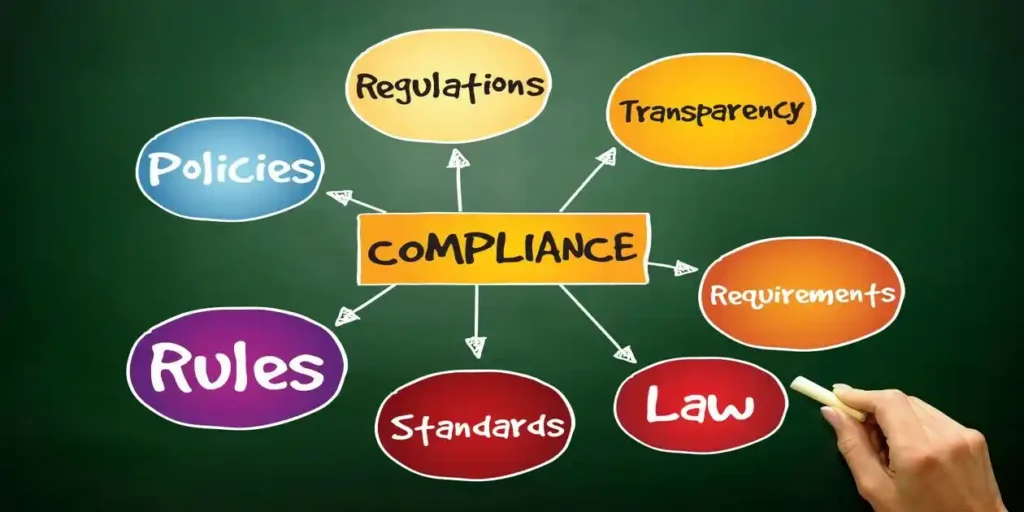
Introduction to Securities Litigation Trigger
- Securities Fraud Litigation Trigger: A securities litigation trigger is an event or situation that prompts a lawsuit, often due to a belief that investors were misled or harmed by a company’s actions or omissions. Common triggers include public offerings, mergers and acquisitions, disputes over financial reporting, accounting fraud, and failures to disclose material risks. Other triggers are more recent, like data breaches, and can also include breaches of fiduciary duty, insider trading, or adverse events that cause a stock price drop.
- Common Triggers: Triggers can be broadly categorized as misrepresentations and omissions, specific corporate actions, and other events that damage investor confidence.
-
- Misrepresentations and Omissions
-
-
- False or misleading statements: A company or its executives are accused of making false, misleading, or unsubstantiated public statements about the company’s financial health, operations, or future prospects. These statements can appear in regulatory filings, press releases, or on earnings calls.
-
- Failure to disclose material information: A company fails to disclose material information that could affect investment decisions. This can include hiding risks, concealing operational failures, or failing to disclose a looming crisis.
-
- Accounting fraud: Intentional manipulation of financial statements is a common trigger, with schemes that include improper revenue recognition, inflated asset values, and undisclosed liabilities.
-
-
- Corporate Actions and Events
-
-
- Significant stock price decline: A sharp and sudden drop in a company’s stock price, often after a negative public disclosure, is a primary trigger for shareholder class-action lawsuits.
-
-
-
- Regulatory investigations: An SEC inquiry into a company’s business practices often signals potential wrongdoing. The announcement of such an investigation can trigger a lawsuit by investors.
-
-
-
- Mergers and acquisitions (M&A): Deals that are viewed as unfavorable or mismanaged can provoke litigation from target company shareholders, especially if they feel the acquisition price is too low.
-
-
-
- Whistleblower claims: A whistleblower filing a report with the SEC alleging securities violations can lead to an SEC investigation and subsequent lawsuits.
-
-
-
- Insider trading: Corporate insiders trading on non-public information gives them an unfair advantage over other investors and is a major violation of securities laws.
-

Understanding Securities Fraud Litigation
- Securities Fraud Litigation: Navigating the world of securities fraud litigation can be daunting. As financial markets grow increasingly complex, the intricacies of legal proceedings in this area demand considerable attention. If you’re an investor, a financial analyst, or simply interested in understanding these legal processes, knowing the nuances of securities fraud is crucial.
- Complex Schemes: Securities fraud litigation often involves sophisticated schemes designed to deceive investors or manipulate financial markets. These cases can range from insider trading to accounting fraud, and they require a comprehensive understanding of both legal frameworks and financial practices. By delving into this area, you can better appreciate the protective mechanisms in place for investors and the legal recourse available when those safeguards fail.
- Transparency: Furthermore, understanding the landscape of securities fraud litigation helps you identify potential vulnerabilities within corporations. As financial transparency becomes a priority, recognizing the signs of potential fraud can be invaluable. This article aims to unravel the complexities of accounting fraud and provide insights into the legal proceedings surrounding securities fraud litigation.
Deterrence of Fraud
- Securities Litigation: Serves as a deterrent to fraud through various mechanisms. By imposing legal consequences on wrongdoers, it discourages potential misconduct and promotes ethical behavior within the financial industry.
- Fraud Deterrent: The existence of securities litigation acts as a deterrent to potential fraudsters. Companies are more likely to adhere to ethical standards when they know that misleading practices could lead to substantial legal repercussions, including hefty financial penalties and reputational damage. This deterrent effect is vital for maintaining investor confidence and ensuring that markets operate efficiently.
- Mechanisms of Deterrence: The mechanisms of deterrence are the processes by which the threat of punishment or other negative consequences is used to prevent an individual or state from taking an undesirable action. The core principle of deterrence relies on the assumption that actors are rational and will weigh the costs and benefits of their potential actions.
Defining Accounting Fraud
- Accounting Fraud: Is a deliberate manipulation of financial statements to create a false impression of a company’s financial health. This type of fraud can involve various tactics, such as inflating revenues, understating liabilities, or misrepresenting expenses. Understanding the nature of accounting fraud is essential for identifying its occurrence and preventing its spread within an organization.
- Altering Information: Typically, accounting fraud is perpetuated by individuals within the company who are in a position to alter financial information. These individuals might be motivated by personal gain, pressure to meet financial targets, or a desire to maintain a company’s stock price. The ramifications of such deceit can be far-reaching, affecting investors, employees, and the market as a whole.
- Financial Reports: Recognizing accounting fraud requires vigilance and a keen eye for inconsistencies in financial reports. By staying informed about the methods used to commit this type of fraud, you can better protect your investments and contribute to a more transparent financial environment.

The Role of Internal Controls in Preventing Fraud
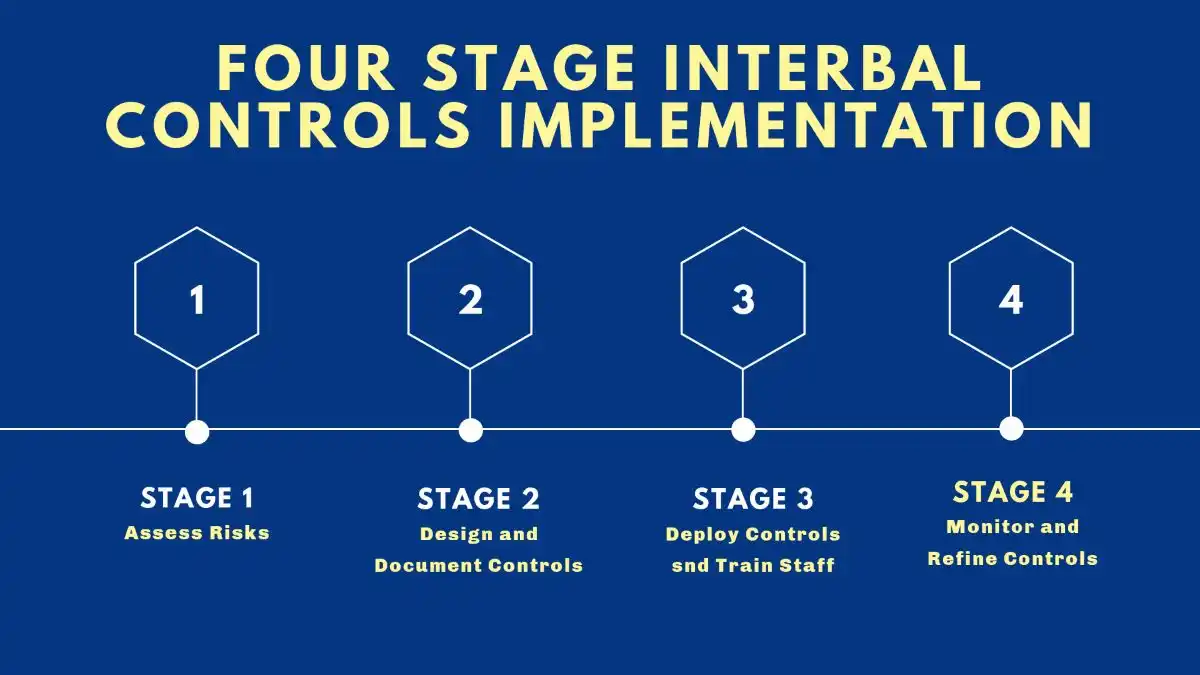
- Internal controls are procedures and mechanisms implemented within an organization to ensure the integrity of financial reporting and compliance with laws and regulations. These controls are vital in preventing and detecting fraud, including accounting fraud. As someone interested in securities fraud litigation, understanding the role of internal controls can provide insights into how organizations safeguard their financial information.
- There are several types of internal controls, including preventive, detective, and corrective controls. Preventive controls are designed to deter fraud before it occurs, such as segregation of duties and authorization processes. Detective controls, like audits and reconciliations, aim to identify fraud after it has happened. Corrective controls are measures taken to address and rectify identified issues.
- By implementing robust internal controls, companies can reduce the risk of accounting fraud and enhance financial transparency. As an investor or stakeholder, advocating for strong internal controls can be a proactive step in promoting ethical corporate behavior and protecting your interests.
Corporate Governance and Its Impact on Fraud Prevention
- Corporate Governance: Refers to the system by which companies are directed and controlled. It encompasses the relationships between a company’s management, its board, shareholders, and other stakeholders. Effective corporate governance is crucial in preventing accounting fraud and ensuring that a company operates in a transparent and accountable manner.
- Strong Corporate Governance Frameworks: Emphasize ethical leadership, transparency, and accountability. These principles help create an environment where fraud is less likely to occur. For instance, a well-structured board of directors with independent members can provide oversight and ensure that management acts in the best interest of shareholders.
- Promote Good Practices: As an individual involved in or affected by securities fraud litigation, understanding the role of corporate governance can be beneficial. It enables you to evaluate a company’s commitment to ethical practices and assess the potential risks associated with its governance structure. By promoting good governance practices, you contribute to a more reliable and trustworthy business environment.

Key Players in Securities Fraud Litigation
- Securities fraud litigation involves several key players, each with specific roles and responsibilities in the legal process. Understanding these roles can provide clarity on how cases develop and are resolved.
-
- Plaintiffs: Typically, the plaintiffs are investors or groups of investors who have suffered financial losses due to alleged fraudulent activities. They initiate the lawsuit seeking compensation for their losses.
- Defendants: The defendants are usually the corporations or individuals accused of committing fraud. This could include executives, accountants, or other parties involved in the fraudulent activities.
- Lawyers: Both plaintiffs and defendants hire legal teams specializing in securities law to represent their interests. These lawyers play a crucial role in navigating the complex legal landscape and advocating for their clients.
- Judges and Juries: In court, judges and juries assess the evidence presented by both sides and make decisions based on the facts and applicable laws.
- Regulatory Bodies: Agencies like the Securities and Exchange Commission (SEC) may be involved in investigating fraud cases and enforcing securities laws.
- Understanding the roles of these key players enhances your comprehension of the litigation process and prepares you for potential engagement in or exposure to securities fraud cases.
Enhancing Corporate Governance
- Strong corporate governance frameworks are vital for mitigating the risk of securities litigation. Companies must prioritize transparency and accountability to foster investor trust.
-
- Board and leadership
-
-
- Board Oversight: An independent board of directors can provide impartial oversight and challenge management decisions that may lead to unethical practices.
-
-
-
- Define Roles Clearly: Ensure the board, management, and shareholders understand their specific responsibilities and reporting structures.
-
-
-
- Regularly Evaluate Performance: Conduct periodic evaluations of the board’s overall performance and that of individual directors.
-
- Appoint a Competent Chair: Choose a chairperson with strong leadership and the ability to effectively lead board meetings and build a positive relationship with the CEO.
-
-
-
- Build a Skilled and Diverse board: Recruit directors with a range of skills, diverse backgrounds, and a commitment to the company’s goals.
-
-
- Strategy and risk
-
-
- Define the board’s strategic role:Clarify how the board will be involved in setting and overseeing the company’s strategy.
-
-
-
- Implement robust risk management: Establish a system for identifying, assessing, and mitigating risks to safeguard assets and ensure operational integrity.
-
- Look beyond compliance: Go beyond minimum legal requirements to build a governance structure that actively supports long-term success.
-
- Integrate sustainability: Incorporate sustainability and other ESG (Environmental, Social, and Governance) considerations into the core business strategy.
-
-
- Operations and transparency
-
-
- Foster a culture of ethics:Promote ethical conduct and provide mechanisms, such as anonymous reporting systems, for employees to raise concerns.
-
-
-
- Enhance transparency: Be open about financial and non-financial performance through accurate and regular reporting.
-
- Strengthen internal controls: Implement internal audit controls and management systems to ensure adherence to procedures.
-
- Engage stakeholders: Actively communicate with and listen to stakeholders, such as employees, customers, and investors.
-
Types of Fraud in Securities
- Understanding the various forms of fraud is crucial for investors. Common types include:
-
- Accounting Fraud: This involves the manipulation of financial statements to present a misleading picture of a company’s financial health.
-
- Insider Trading: The illegal buying or selling of securities based on non-public information can undermine market integrity.
-
- Ponzi Schemes: These fraudulent investment scams promise high returns with little risk, often relying on new investors’ funds to pay earlier investors.
-
- Pump-and-Dump Scams: Fraudsters artificially inflate the price of a stock through false and misleading positive statements, then sell their shares at the higher price. Once they’ve sold, the stock price typically crashes, and other investors lose money.
-
- Corporate fraud: Includes false and misleading statements in a company’s financial filings, lying to corporate auditors, or other internal misconduct that misleads investors.
-
- Affinity fraud: Fraud that preys on members of identifiable groups, such as religious or ethnic communities, often using a trusted member of the group to gain the confidence of other victims.
- By being aware of these types of fraud, you can better protect your investments and contribute to a more transparent financial system.
Recognizing Red Flags
- Investment and Offer Red Flags
-
- Guaranteed high returns. Be extremely skeptical of promises of high, consistent returns, especially if they are offered with little or no risk. All investments carry risk, and any investment that claims to be “risk-free” is likely a scam.
-
- “Too good to be true” offers. If an investment opportunity sounds unbelievable, it probably is. Unusually high returns that are impervious to market fluctuations are a major indicator of a Ponzi scheme.
-
- Unregistered products. Many scams involve the sale of unregistered securities, including stocks, bonds, or alternative investments like crypto-assets. A legitimate offering will have proper documentation, such as a prospectus or offering circular.
-
- Missing or inconsistent documentation. Watch for investment agreements or marketing materials that contain spelling errors, poor grammar, or inconsistencies. Be suspicious if a salesperson downplays the risks described in the formal documents.
-
- Complex or secret strategies. Avoid anyone who credits unusual success to a highly complex investing technique that they cannot clearly explain. A legitimate professional should be able to make their strategy understandable.
-
- Unusual payment methods. Be wary if you are asked to pay for an investment using unconventional methods, such as a wire transfer to a personal account, gift cards, or cryptocurrency.
- Sales Tactics Red Flags
-
- High-pressure sales tactics. Fraudsters often create a false sense of urgency, insisting you “act now” or risk missing a “once-in-a-lifetime opportunity”. Legitimate investment opportunities allow time for due diligence.
-
- Unsolicited offers. Be cautious of offers that arrive unexpectedly via email, social media, or phone calls (“cold calls”). This is a classic tactic used by scammers to engage unsuspecting individuals.
-
- Requests for secrecy. Be skeptical if a promoter tells you to keep the opportunity a secret. A legitimate professional would never ask you to do this.
-
- Social consensus tactics. Some scammers try to convince you to invest by claiming that “everyone is buying it” or that a specific group of investors is taking advantage of a special deal.
-
- Promotional hyping. Be wary of social media posts, email alerts, or chat room discussions that aggressively promote a stock, especially for small, thinly traded companies. This is a hallmark of a “pump and dump” scheme, where fraudsters artificially inflate a stock’s price before selling their shares.
- Red Flags Regarding the Professional or Company
-
- Unlicensed or unregistered sellers. Always verify that an investment professional or firm is registered with regulators like the Securities and Exchange Commission (SEC) or the Financial Industry Regulatory Authority (FINRA). You can use the search tool at Investor.gov to check credentials.
-
- Vague or non-existent contact information. Be suspicious if a salesperson is unwilling to provide full contact information or uses a P.O. box instead of a physical business address.
-
- Lack of transparency.Legitimate investments have clear business practices and accessible information. A company that is secretive or unwilling to share financial records may be hiding something.
-
- Unusual account activity. Regularly review your account statements for unauthorized trades or missing funds. Discrepancies can be a sign of fraud.
-
- Difficulties withdrawing funds. If you experience delays or restrictions when trying to withdraw your money, it may signal that the funds are not available and the investment is fraudulent, like a Ponzi scheme.
Regulatory Bodies and Their Impact
- Protect public health and safety: Agencies like the Food and Drug Administration (FDA) and the Consumer Product Safety Commission (CPSC) ensure that products are safe for public consumption and use.
- Enhance market stability: Financial regulatory bodies such as the Federal Reserve System and the Securities and Exchange Commission (SEC) help prevent fraud, maintain market integrity, and protect investors.
- Encourage fair competition: Regulation prevents monopolies and anti-competitive behavior, creating a level playing field for businesses. This allows companies to compete fairly, and it also protects consumers from predatory practices.
- Build consumer confidence: By upholding standards for quality and safety, regulatory agencies increase public trust in products and services. This can lead to increased customer loyalty and participation in the market.
- Protect the environment: Agencies like the Environmental Protection Agency (EPA) enforce pollution controls and promote sustainable practices to protect natural resources for future generations.
- Promote social equity: Regulations can advance national values, such as equal opportunity and the protection of civil rights. The Equal Employment Opportunity Commission (EEOC), for example, enforces laws against workplace discrimination.
Consequences of Fraudulent Activities
Legal and financial consequences
-
Imprisonment: Fraud can lead to long prison sentences, with federal penalties often being more severe and carrying longer terms than state penalties.
-
Fines: Convicted individuals may be ordered to pay substantial fines, which can be tens of thousands or even millions of dollars.
-
Restitution: Courts often require fraudsters to repay the victims for their financial losses.
-
Asset forfeiture: The government may seize assets believed to be connected to or derived from the criminal activity.
Financial Penalties and Reputational Damage
- Financial Liability: One of the most direct deterrents is the financial liability associated with securities litigation. Settlements can reach hundreds of millions or even billions of dollars, creating a significant economic threat for companies. Additionally, the reputational damage from a fraud lawsuit can lead to a loss of investor and customer confidence, further incentivizing companies to prioritize ethical conduct.
- Regulatory Fines: Government bodies, like the Federal Trade Commission (FTC) or the Securities and Exchange Commission (SEC), can issue fines for regulatory violations. For major financial institutions, these fines can be in the billions of dollars.
Securities Litigation Can Lead to Improvements in Corporate Governance
Securities litigation often leads to improvements in corporate governance. Companies may be compelled to implement stronger internal controls and compliance programs to prevent future misconduct. This can include:
- Accountability and oversight: Litigation can result in significant changes, such as the overhaul of management and the board of directors, as a way to hold leadership accountable for failures.
- Policy and procedure changes: Lawsuits can secure the implementation of new corporate policies designed to improve the board’s oversight and accountability.
- Restoration of shareholder value: In cases of insider self-dealing or breaches of fiduciary duty, derivative actions can aim to restore shareholder value by eliminating mismanagement and waste of corporate assets.
- Mechanism for reform: When traditional governance methods fail, litigation provides a legal recourse to achieve concrete changes that are often immediately implemented through court-ordered settlements.
- Deters future misconduct: Lawsuits can serve as a deterrent to other companies, encouraging them to maintain better governance to avoid similar legal challenges.
- Revamped compensation policies: Overhauling executive compensation plans, such as modifying stock option plans, to more closely align with shareholder interests.
- Internal compliance enhancements: Requiring improved internal oversight procedures to prevent the types of misconduct that led to the lawsuit.
Enhancing Corporate Governance
- Strong internal Controls: Not only prevent fraud but also enhance corporate governance. By establishing a framework for accountability and transparency, companies can build investor trust and mitigate risks associated with fraudulent activities.
-
Build a skilled and diverse board: Recruit directors with a range of skills, diverse backgrounds, and a commitment to the company’s goals.
-
Define roles clearly: Ensure the board, management, and shareholders understand their specific responsibilities and reporting structures.
-
Appoint a competent chair:Choose a chairperson with strong leadership and the ability to effectively lead board meetings and build a positive relationship with the CEO.
Conclusion
- Securities litigation serves as a vital tool for deterring fraud and protecting investors. By understanding the triggers for litigation and implementing robust internal controls, companies can foster a culture of transparency and accountability. As we move toward 2025, staying informed about emerging trends and regulatory changes will be essential for investors seeking to navigate the complexities of the financial markets.
- This guide provides a comprehensive overview of the securities litigation landscape, emphasizing the importance of vigilance and proactive measures in safeguarding investments. By recognizing the triggers for litigation and understanding the role of regulatory bodies, investors can better protect themselves from the risks associated with securities fraud.
